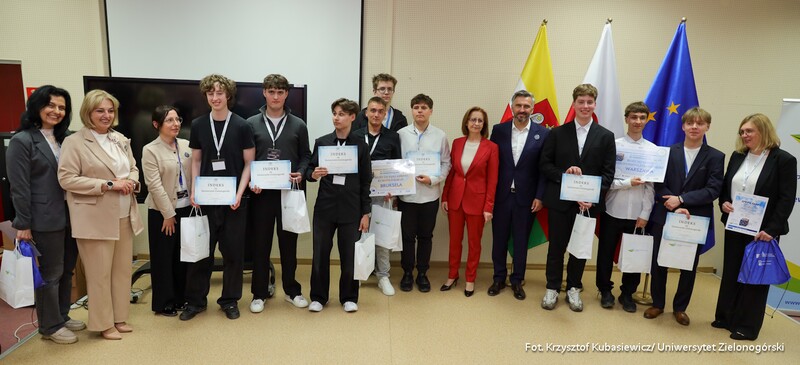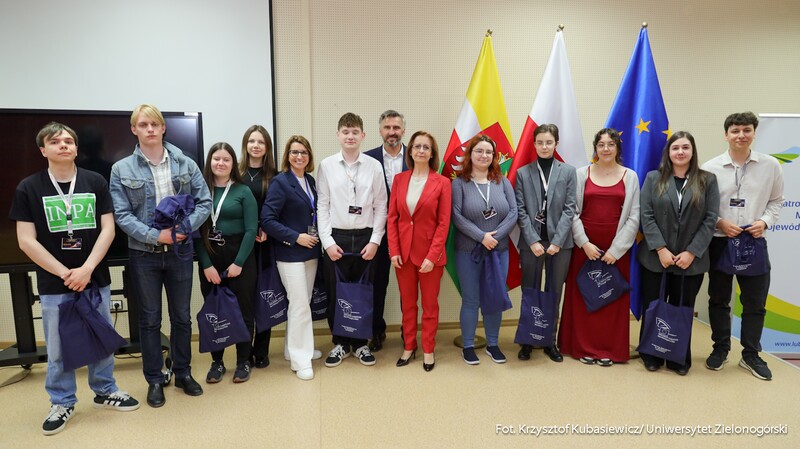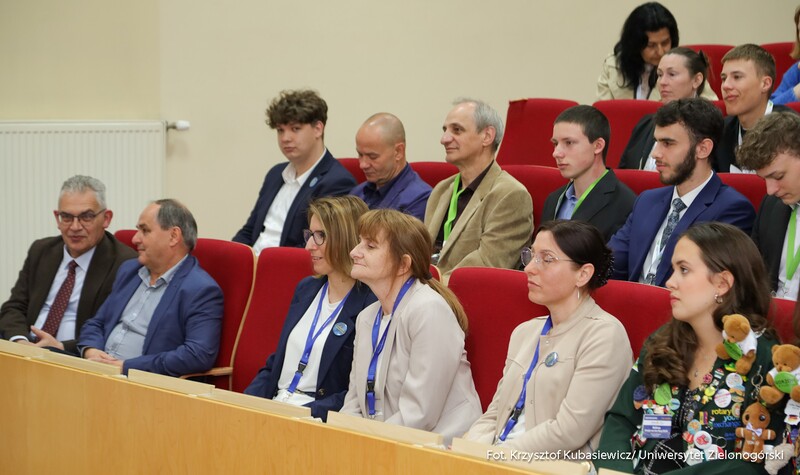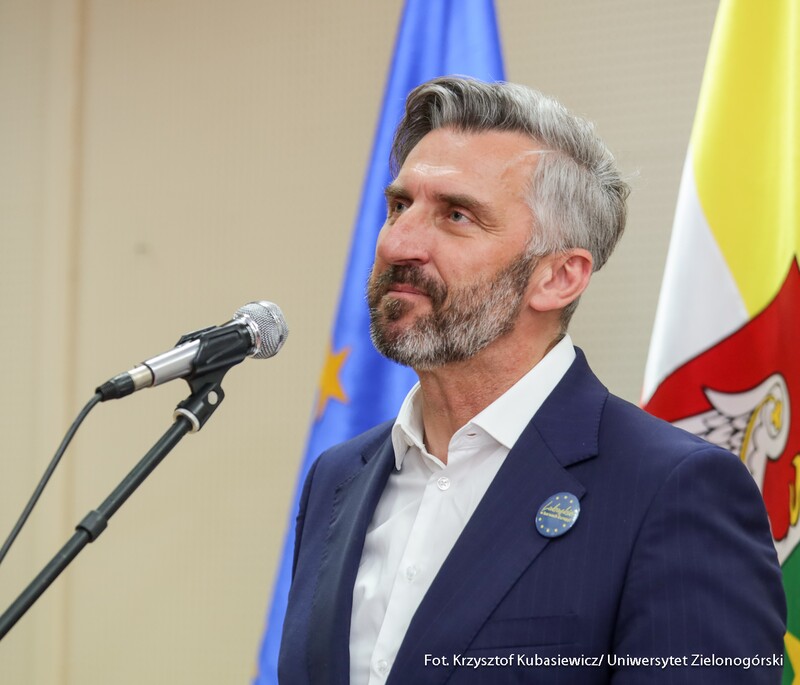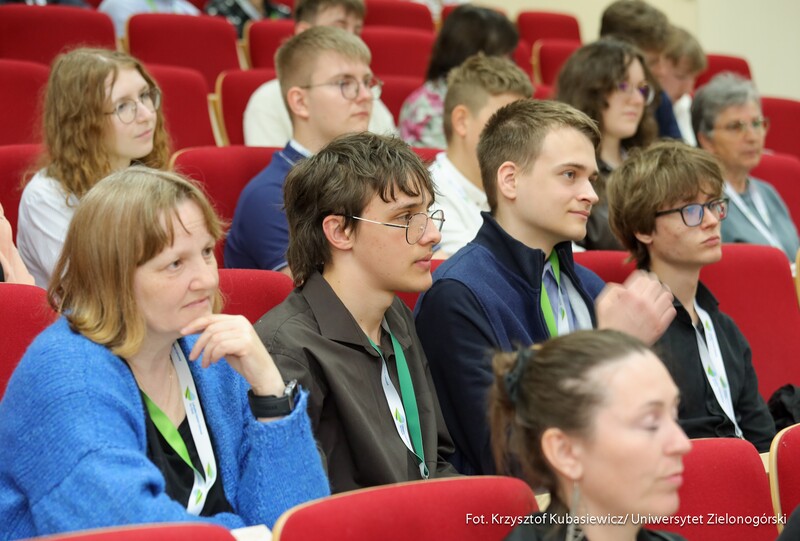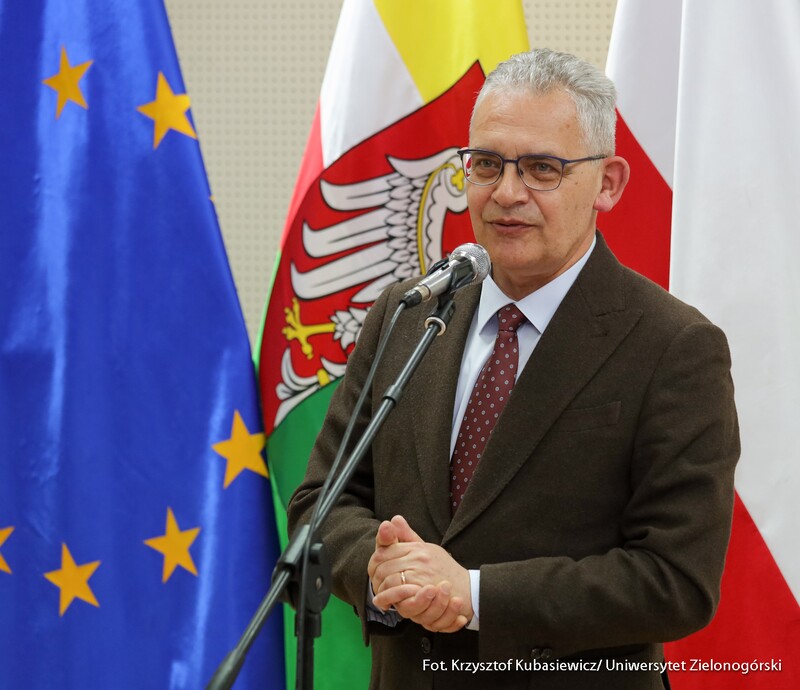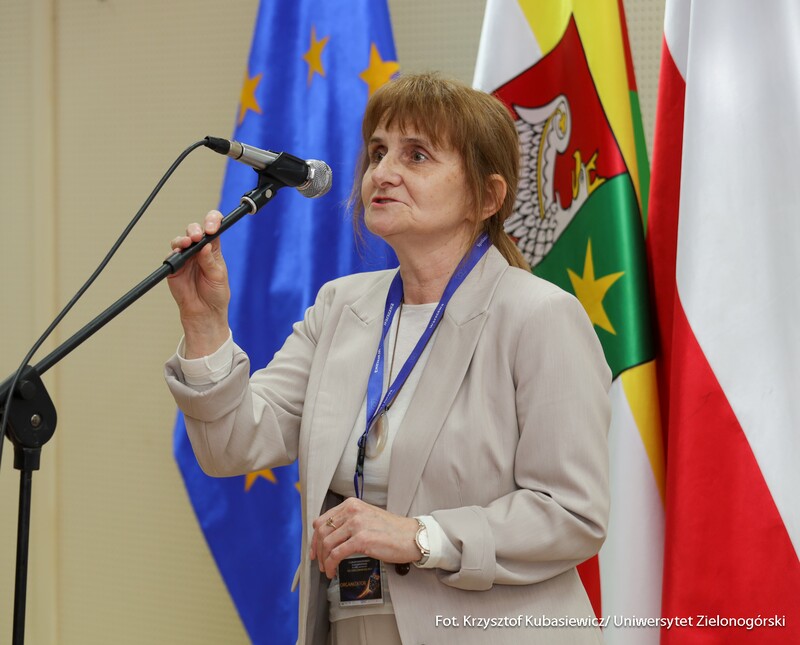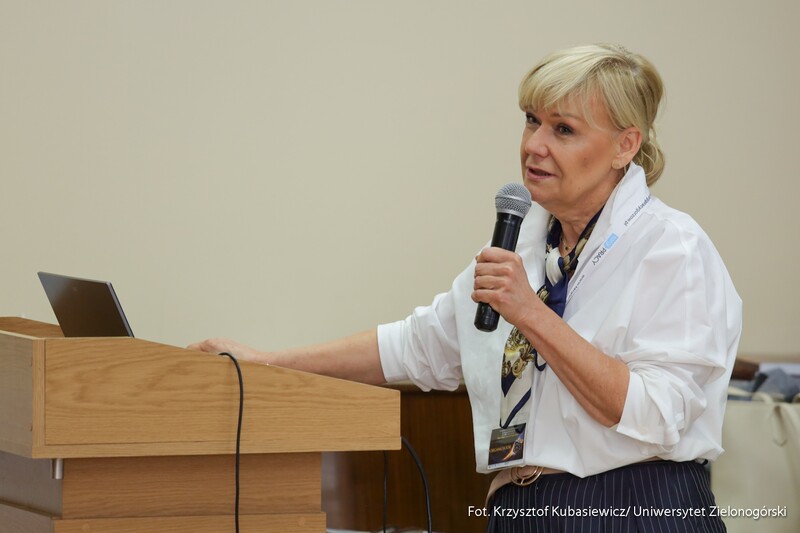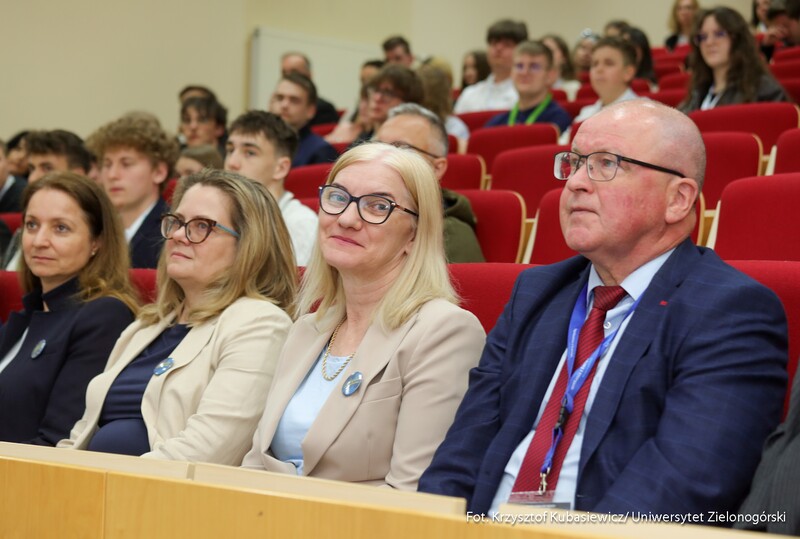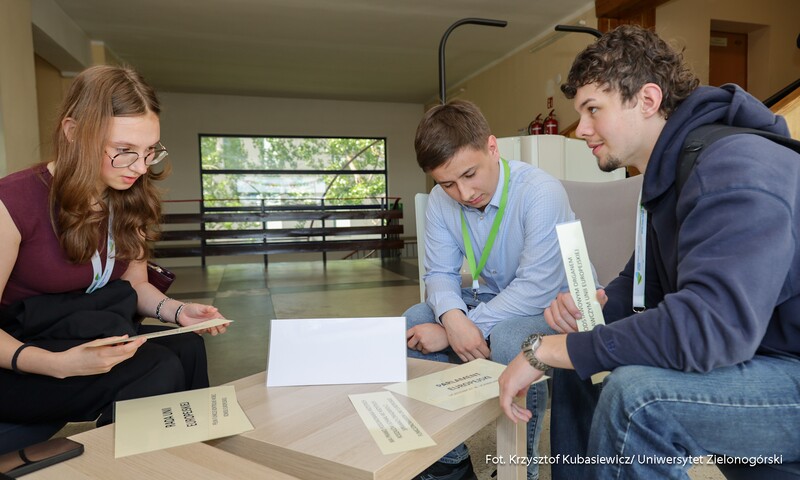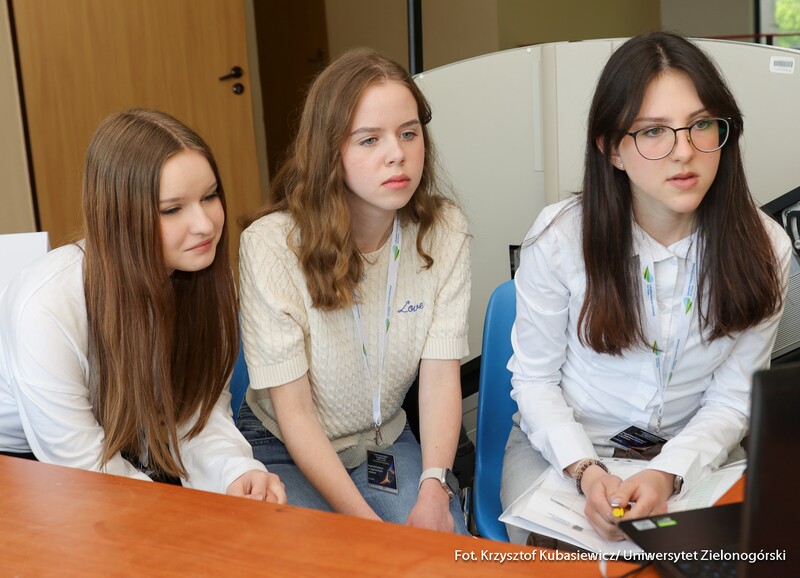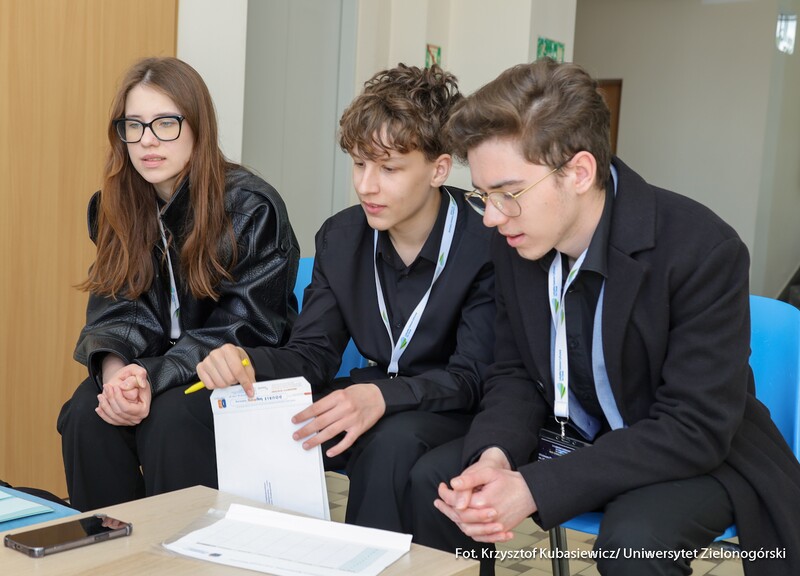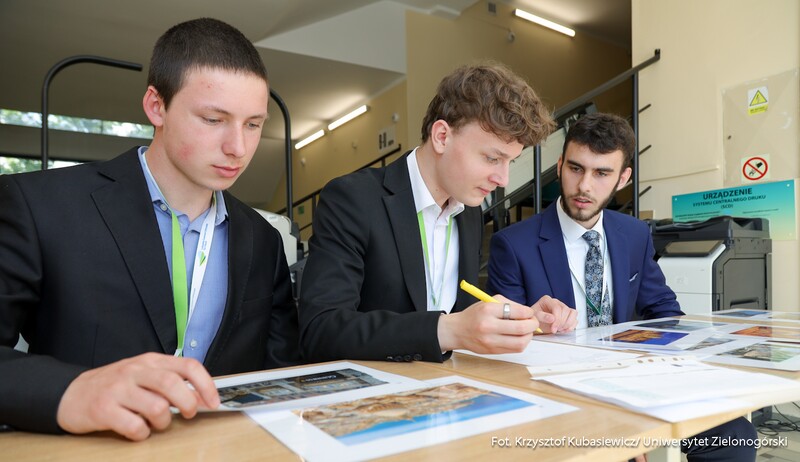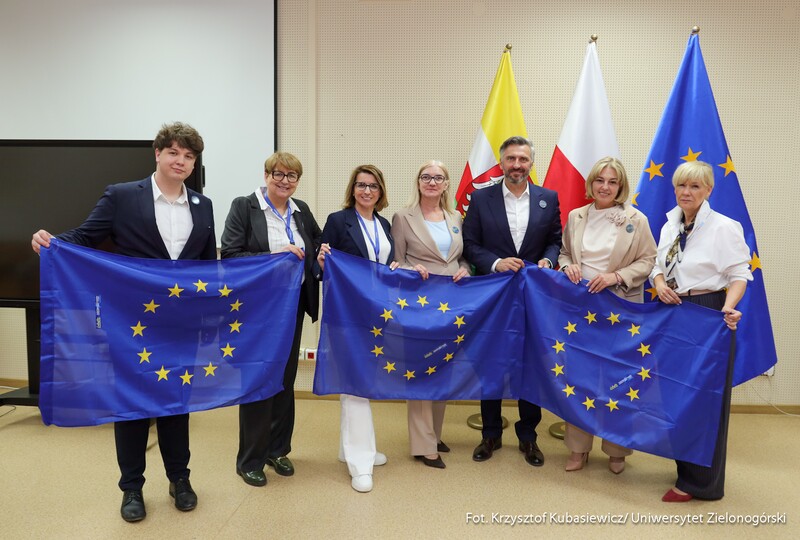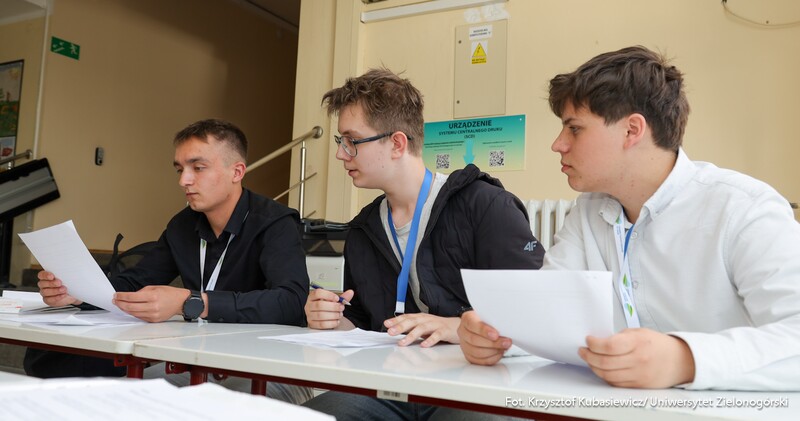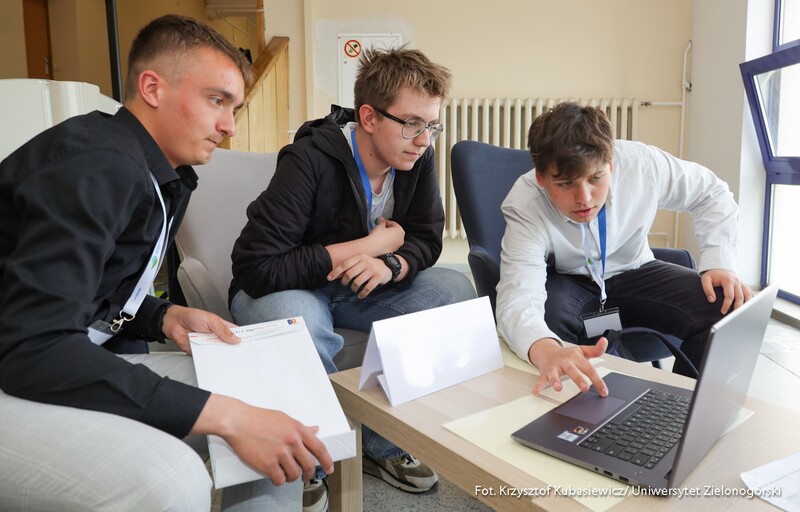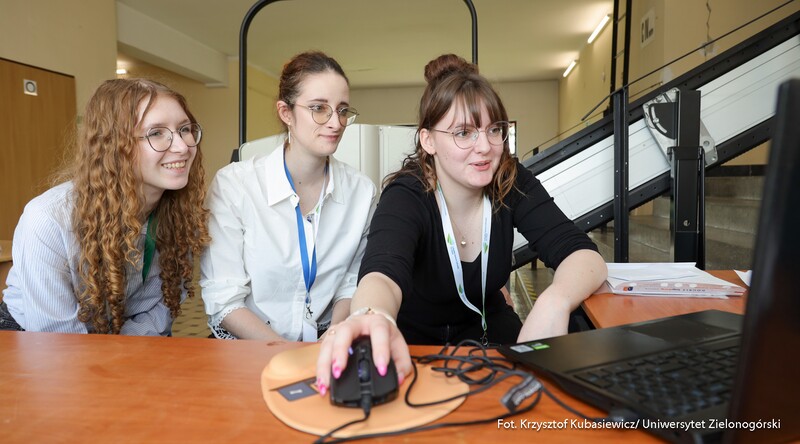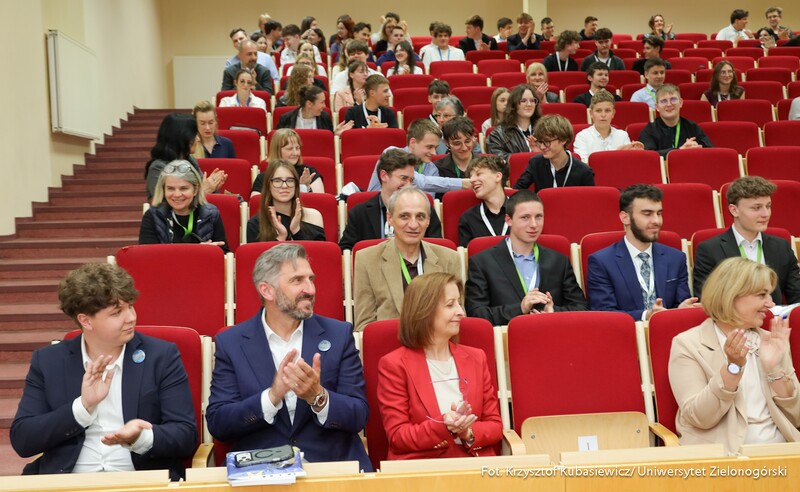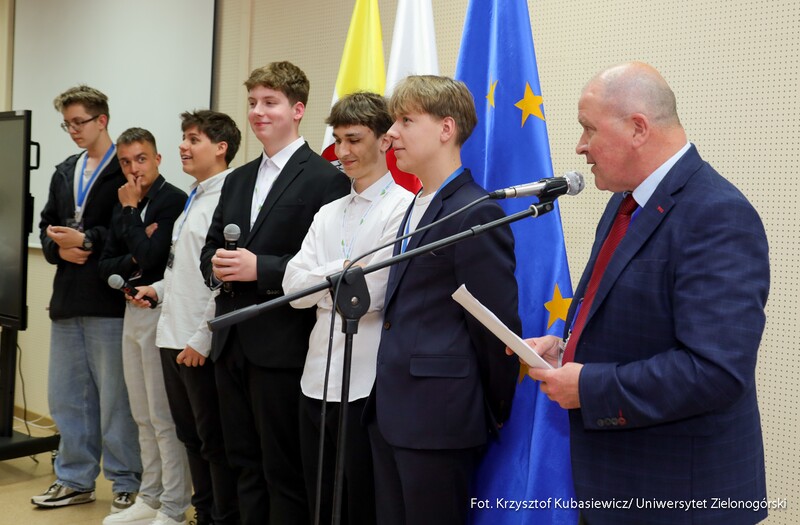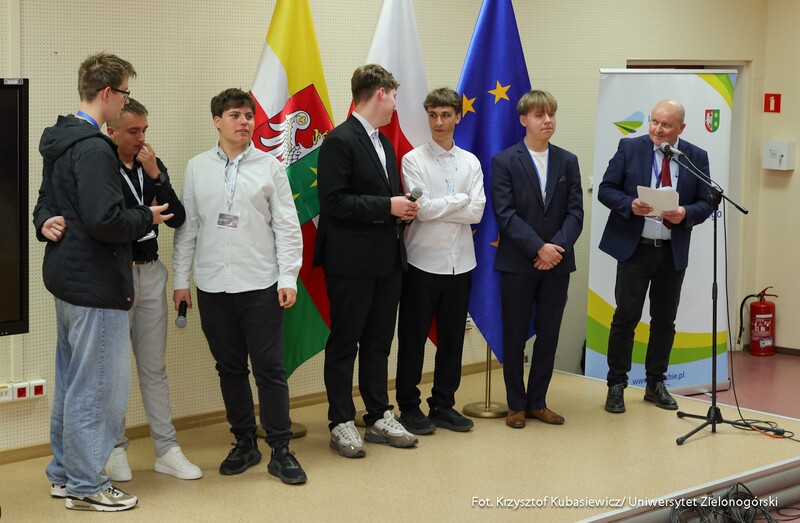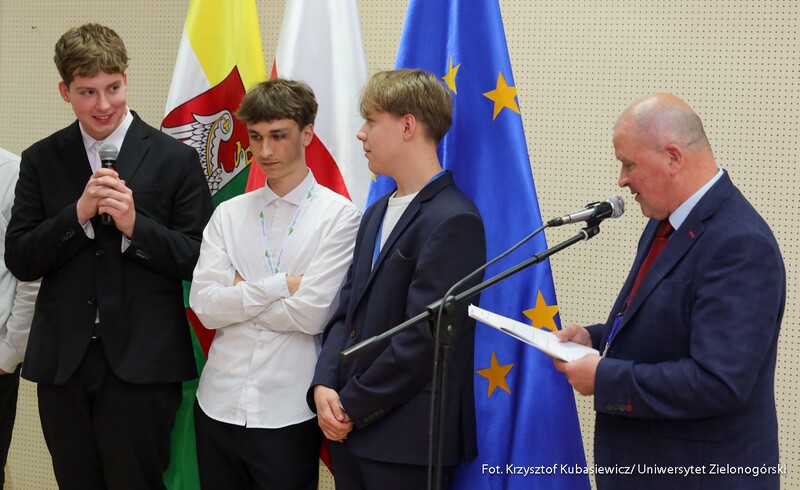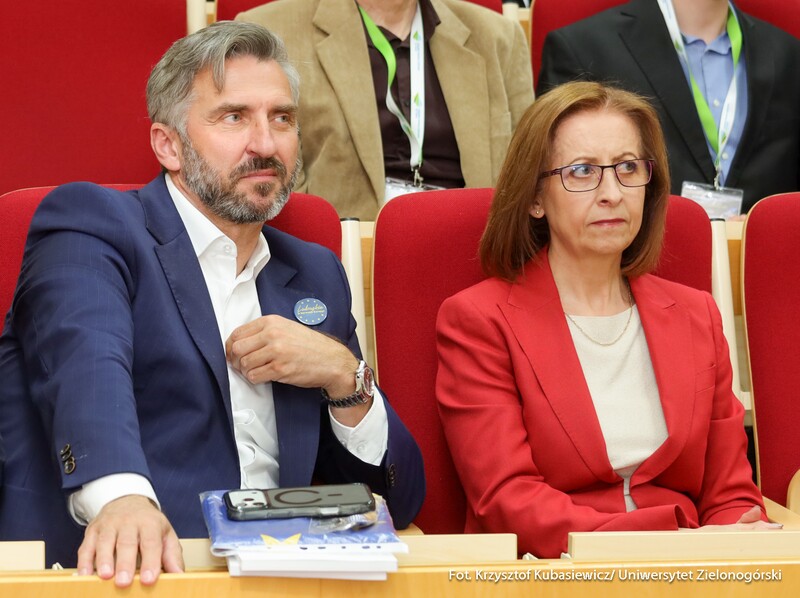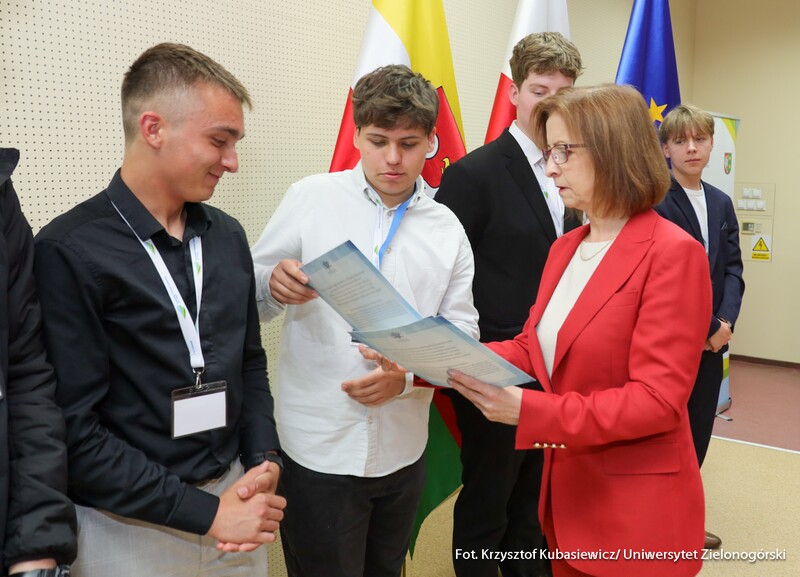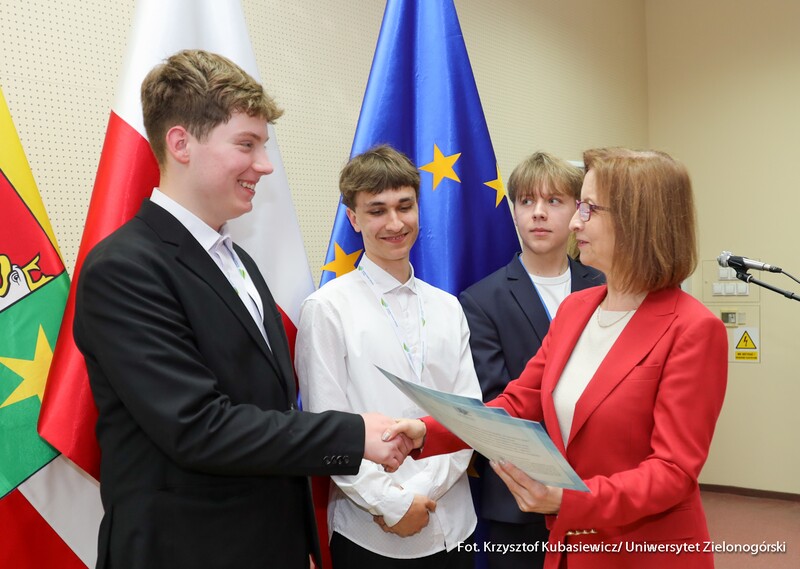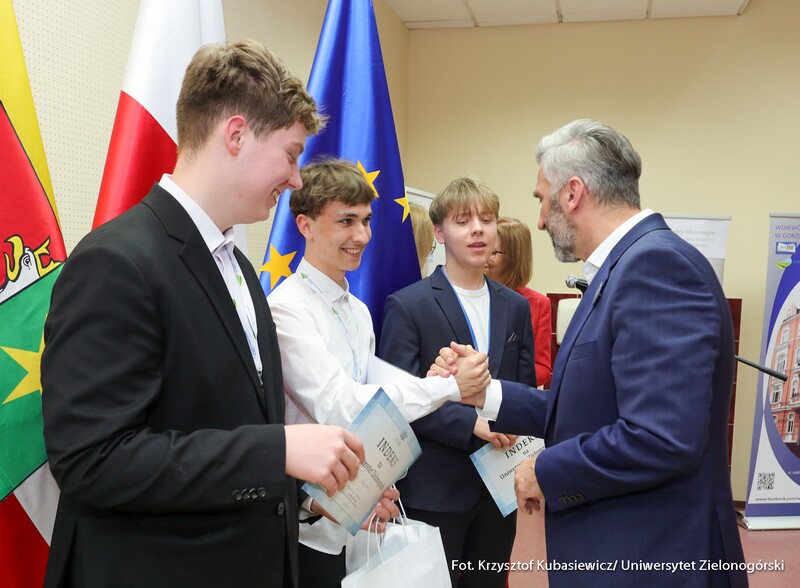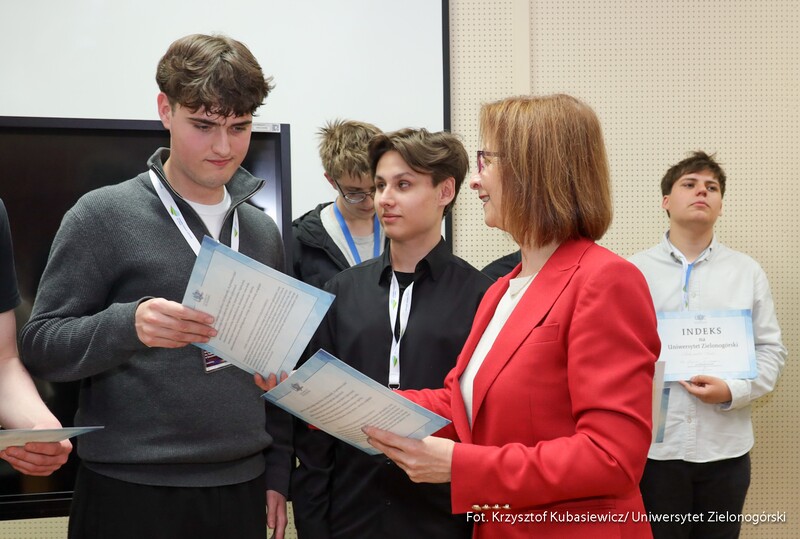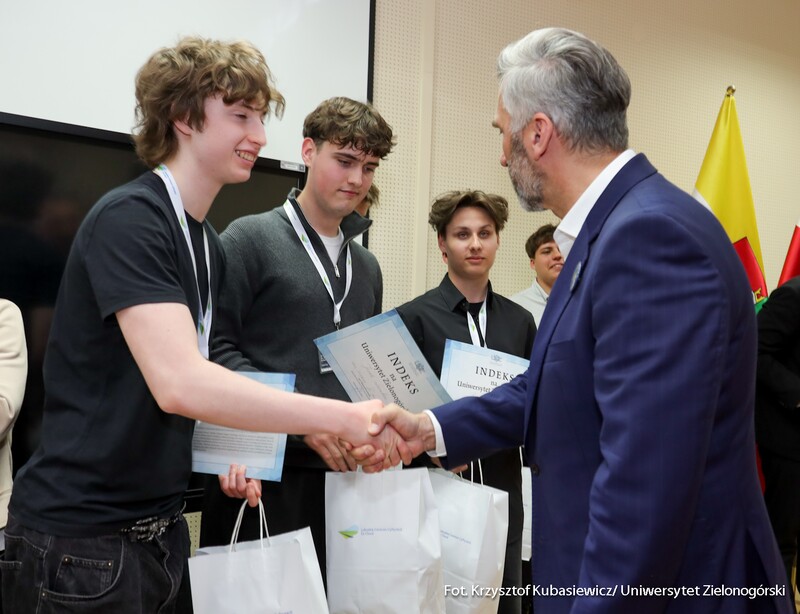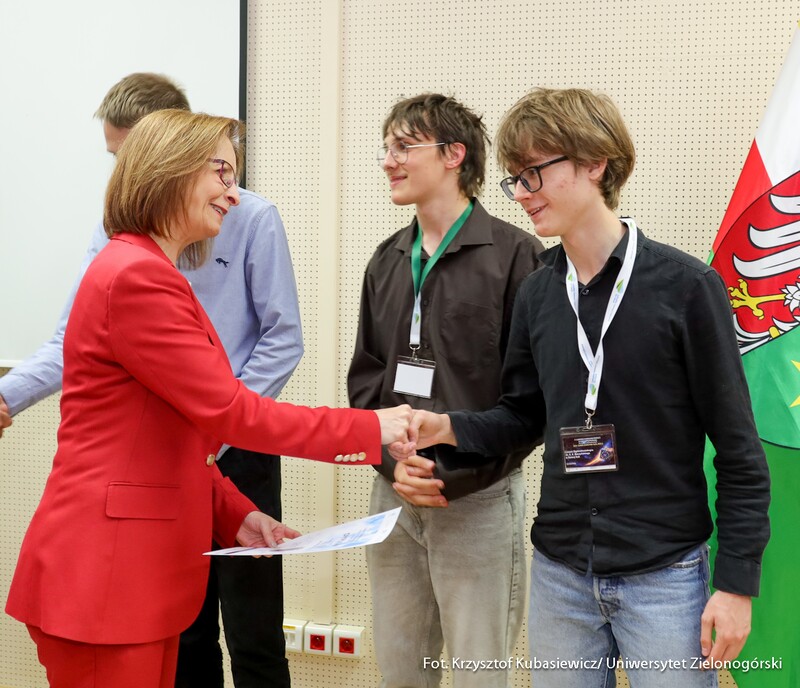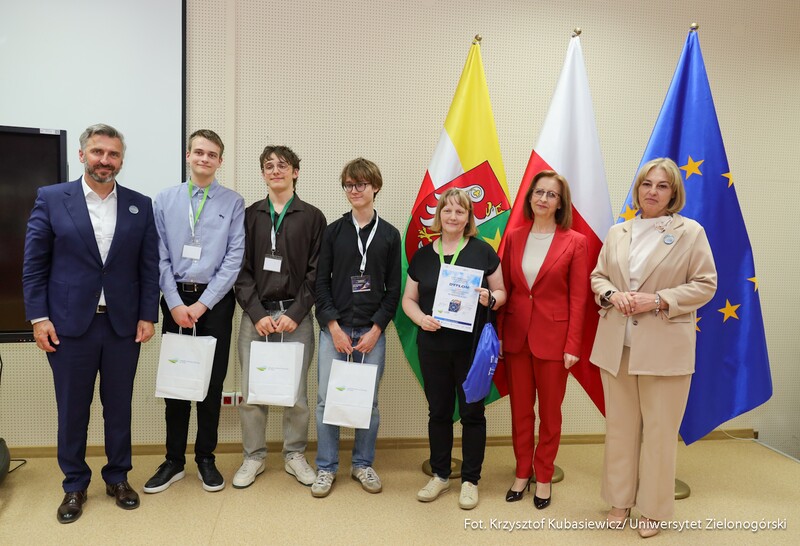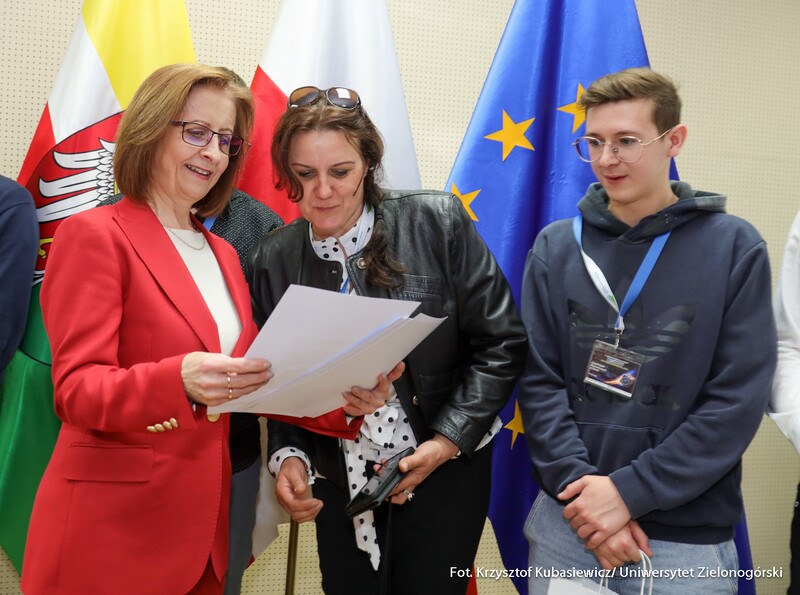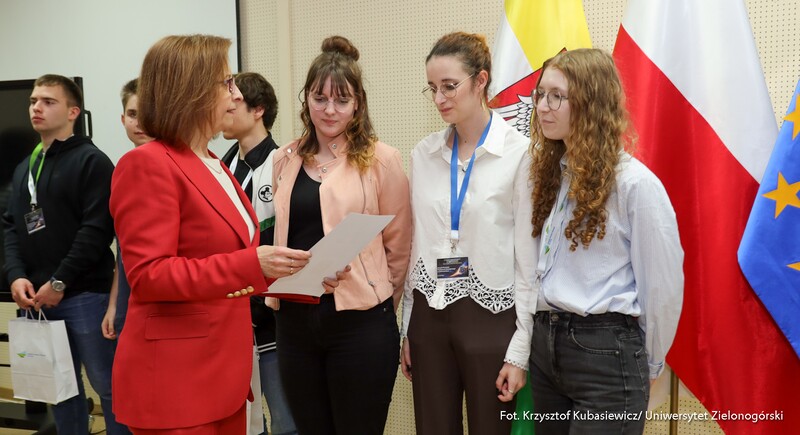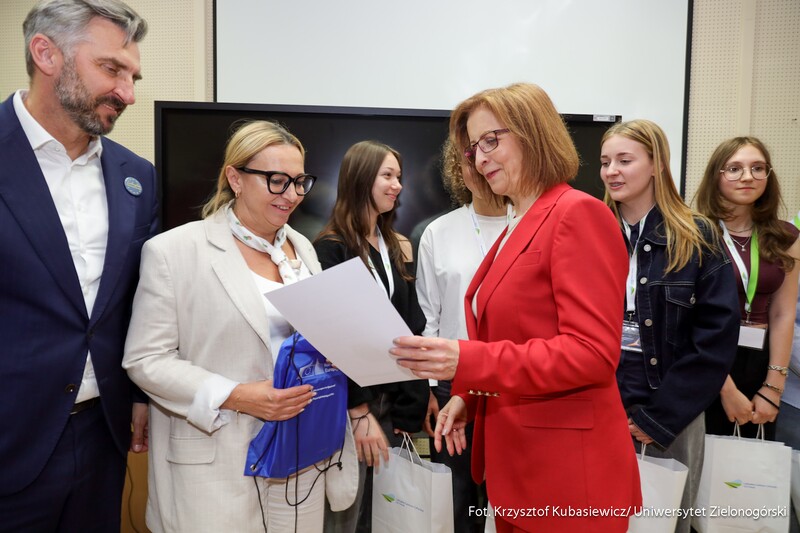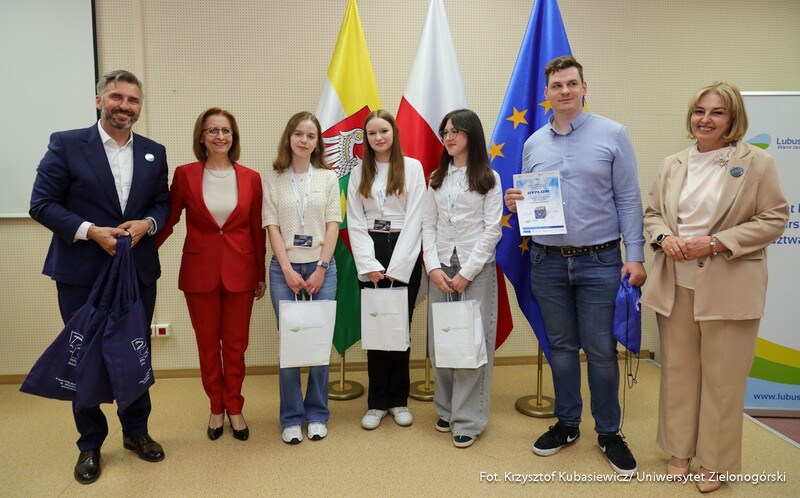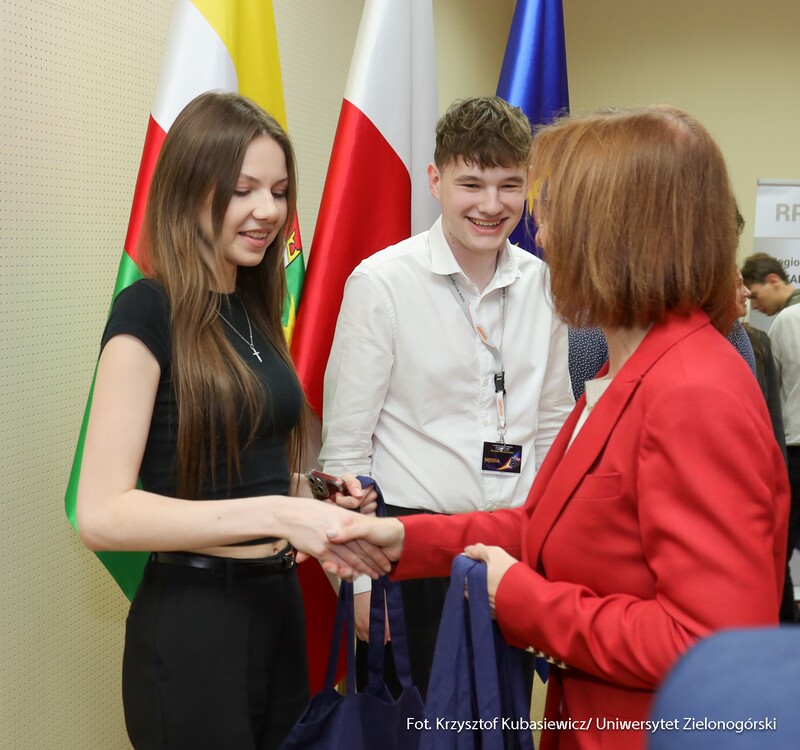
For the second time, students from secondary schools in the Lubusz region participated in a knowledge contest about the European Union. Prizes included university admission slots ("indeks") at the University of Zielona Góra (UZ), a trip to the European Parliament in Brussels, and a visit to the Polish Sejm (Parliament) in Warsaw.
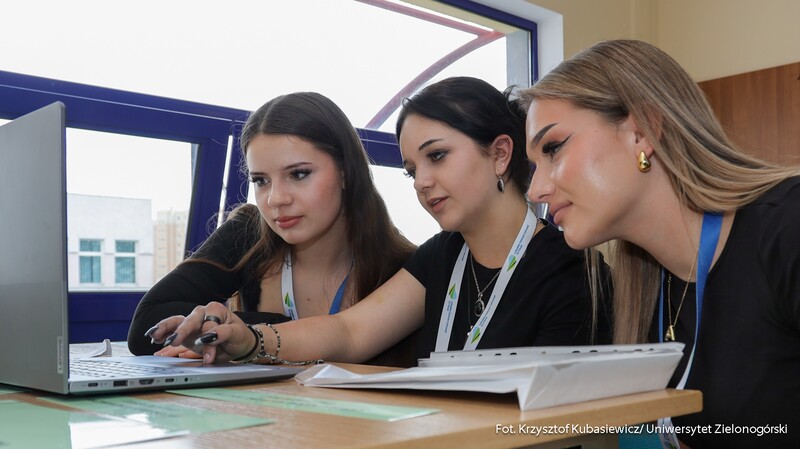
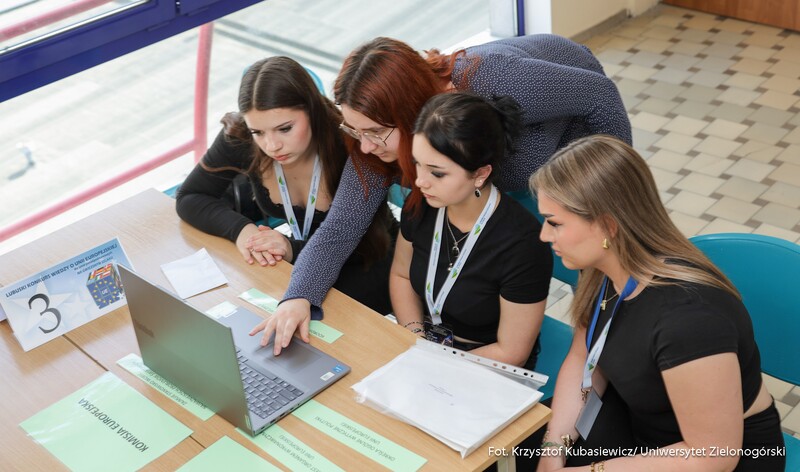
A total of 20 teams, shortlisted during school-level qualifiers, entered the grand finale titled "On the Starry Trail" (Na Gwiezdnym szlaku). Each team consisted of three participants. As explained by Dorota Dąbrowska, a consultant at the Voivodeship Teacher Training Center (WOM) in Gorzów Wielkopolski, the competition took the creative form of a game:
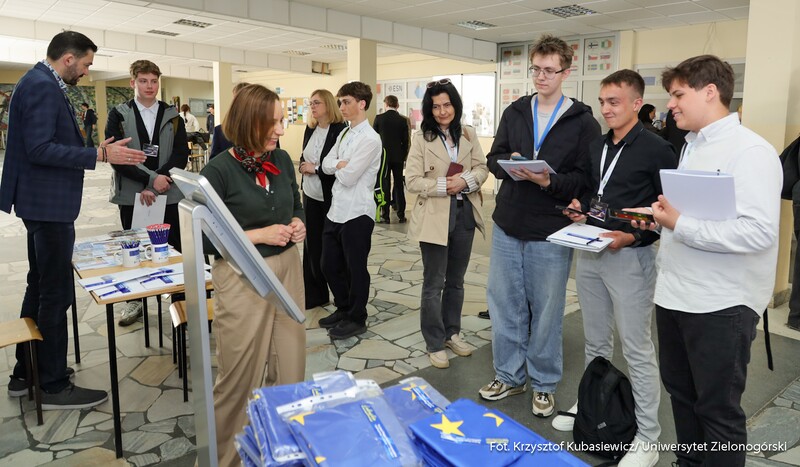
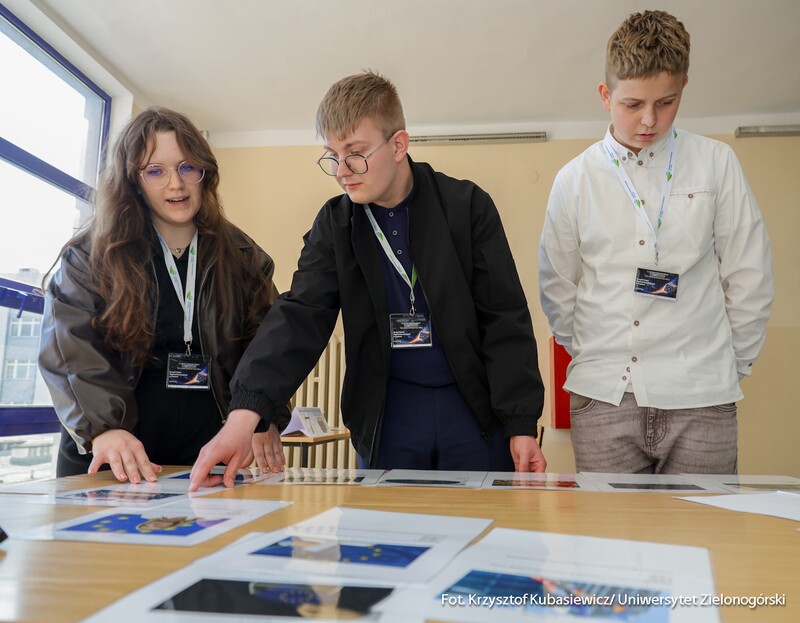
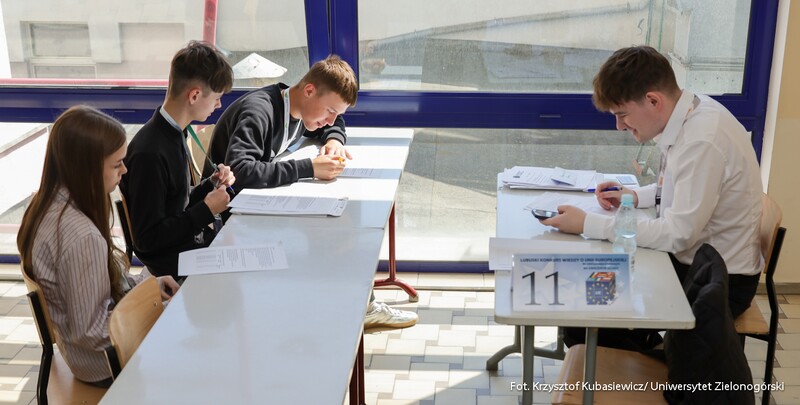
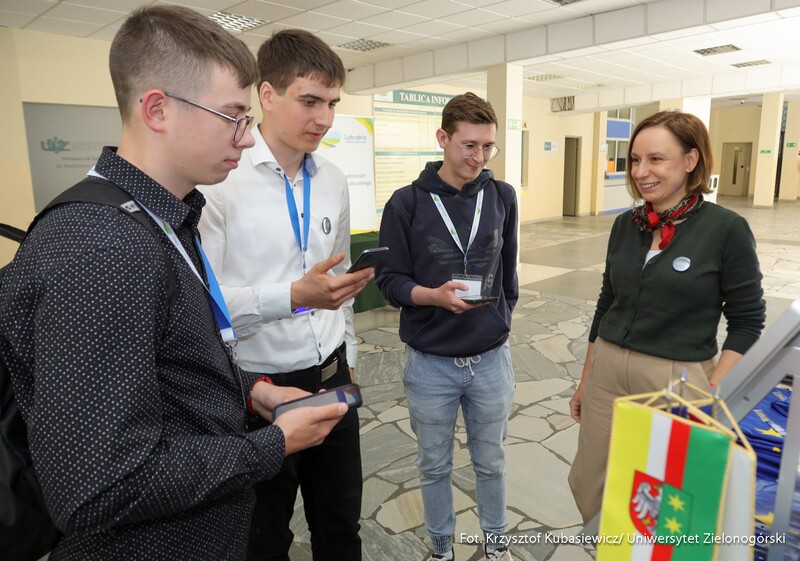
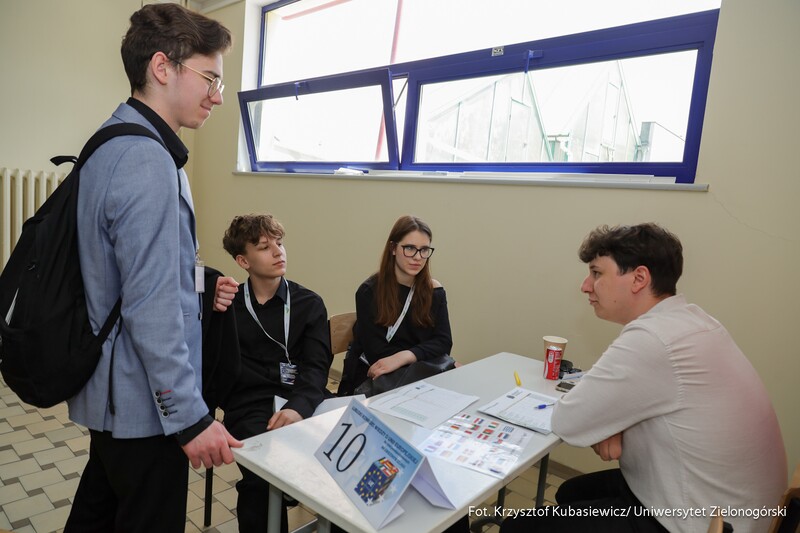
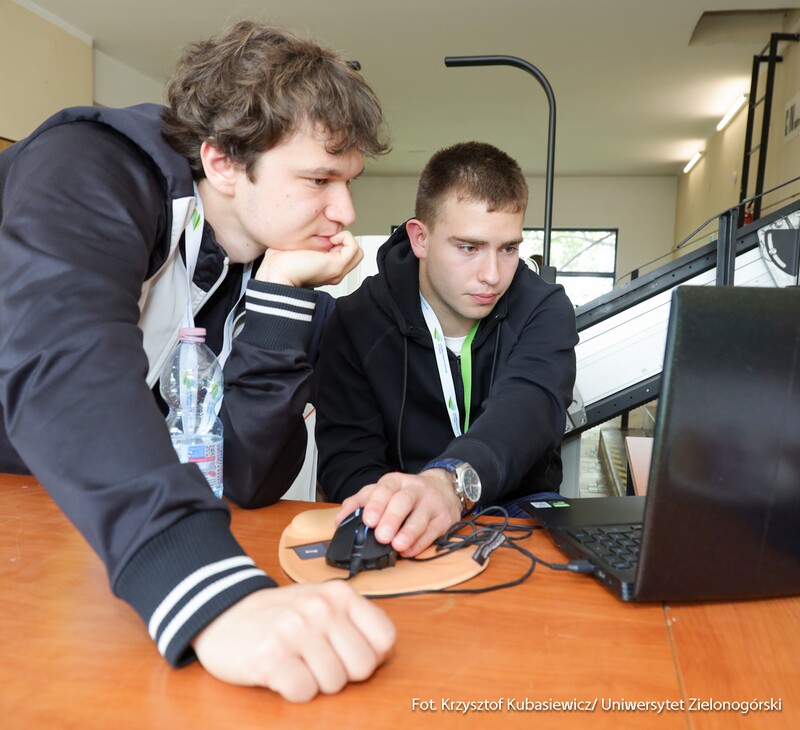
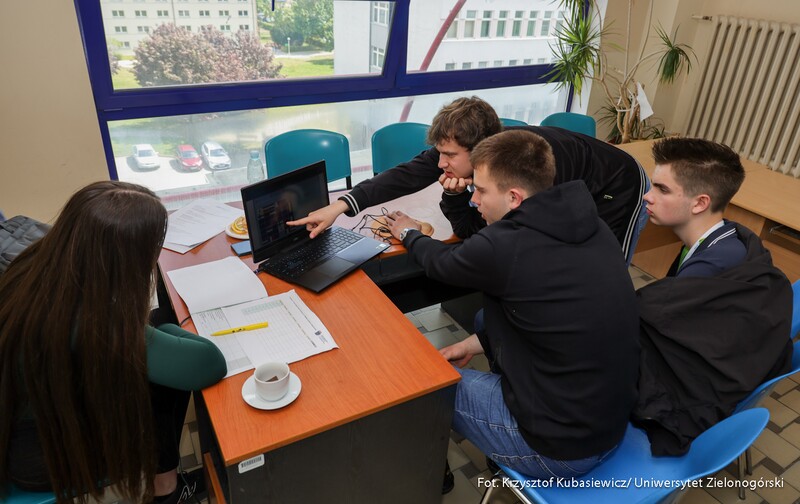
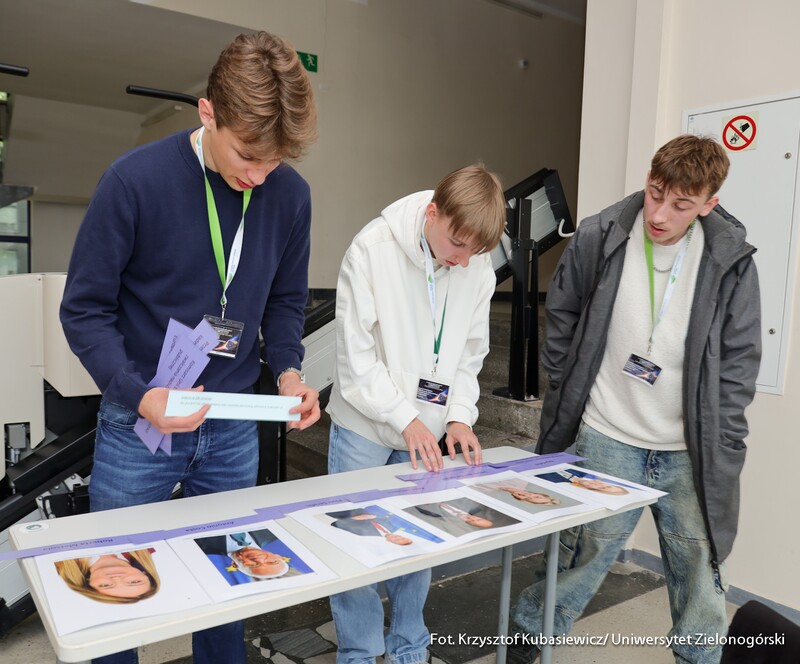
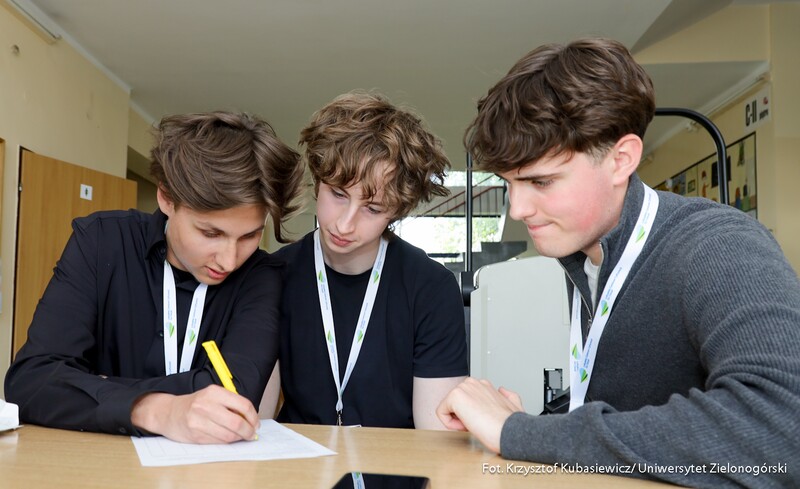
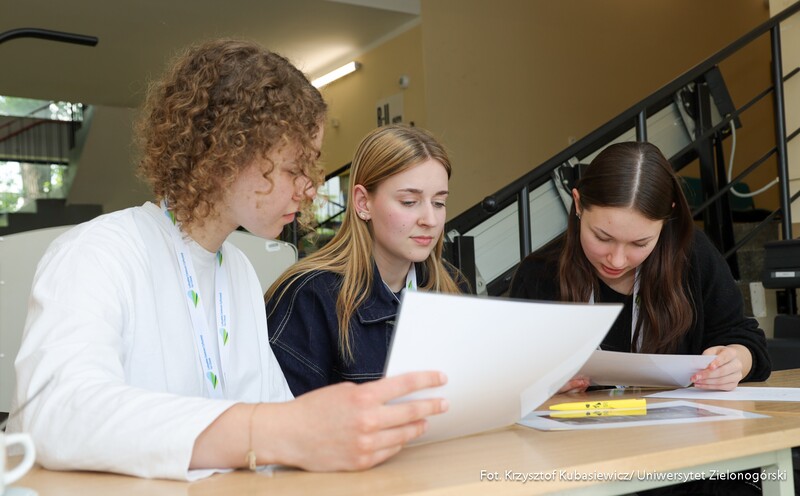
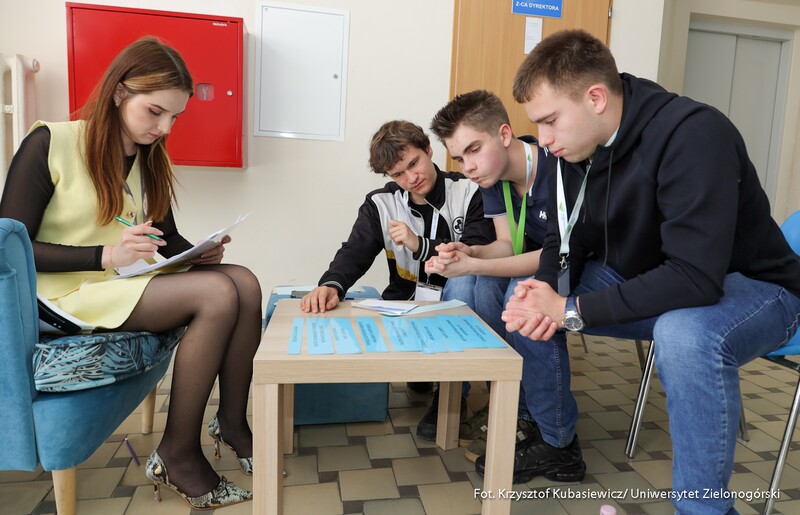
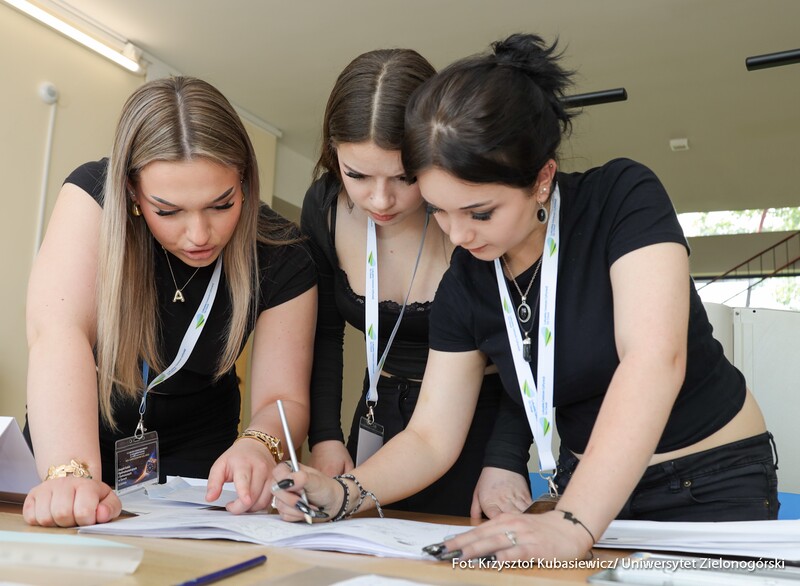
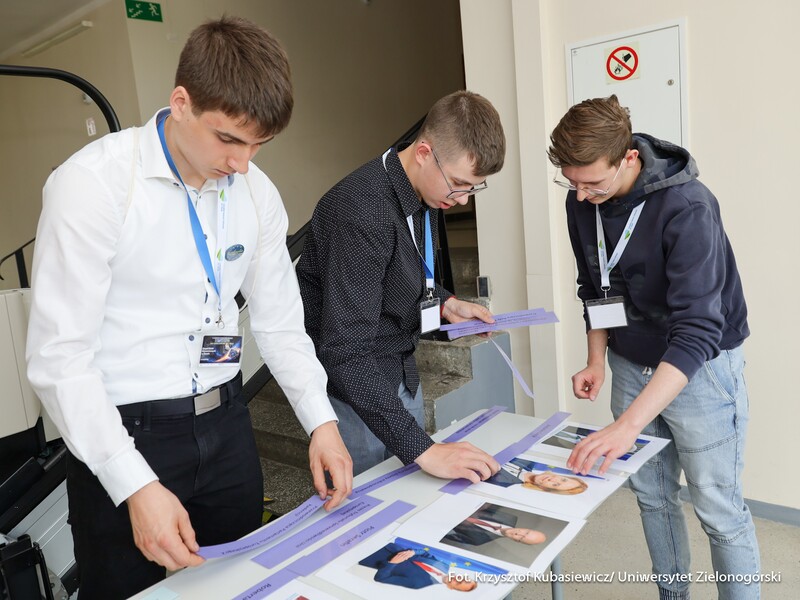
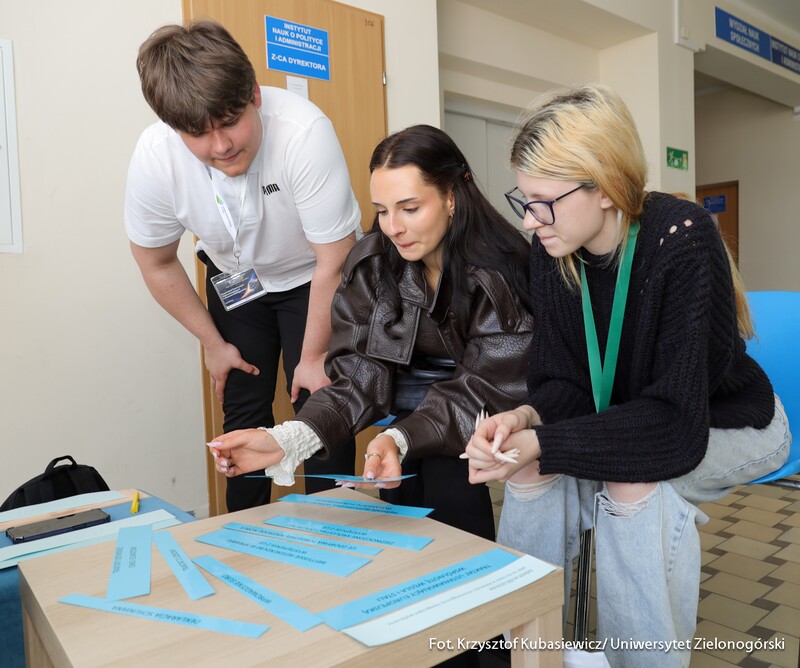
"For the purpose of the contest, the University of Zielona Góra was transformed into a giant board game. There were 11 stations placed across the campus. At each station, students faced tasks related to the European Union, including EU institutions, member states, EU law, and European funds. The teams had to decide how many points they wanted to play for—100, 200, or 300—and then solve a task with a corresponding level of difficulty. We also invented a special currency for the contest, which we called unions. The teams collected unions, and the one with the highest score won."
The organizers emphasized that the competition aims to develop the so-called "4Cs" competencies: cooperation, communication, critical thinking, and creativity. Highly attractive prizes awaited the winners:
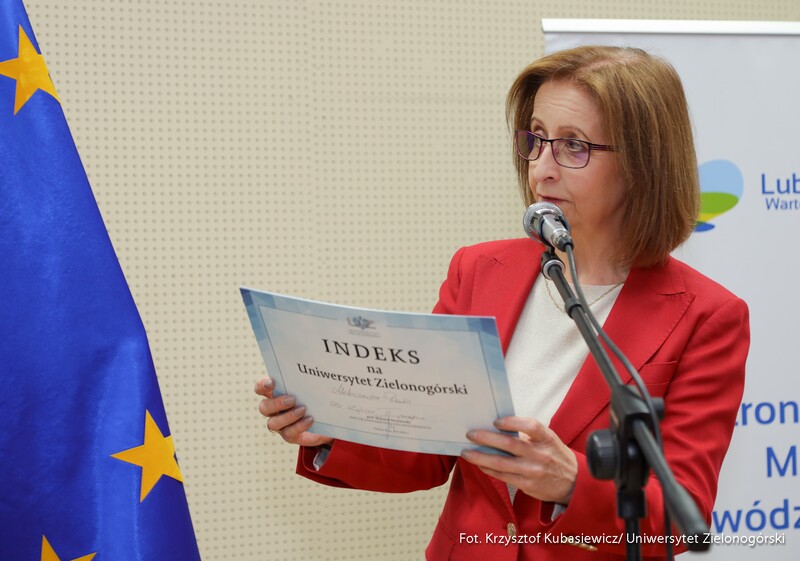
"The top two teams received guaranteed admission slots to the University of Zielona Góra, valid for 16 different fields of study offered at our university, including Administration, National Security, Economics, Logistics, and Journalism and New Media. The first-place winners also won a trip to the European Parliament in Brussels. The runners-up won a flight to Warsaw and participation in workshops at the Sejm. Material prizes were prepared for the third-place winners," listed Dorota Dąbrowska.
The "Human Library" Experience
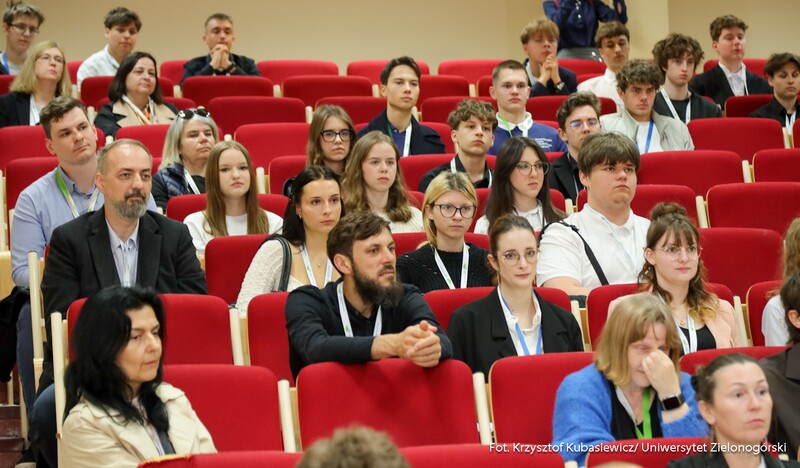
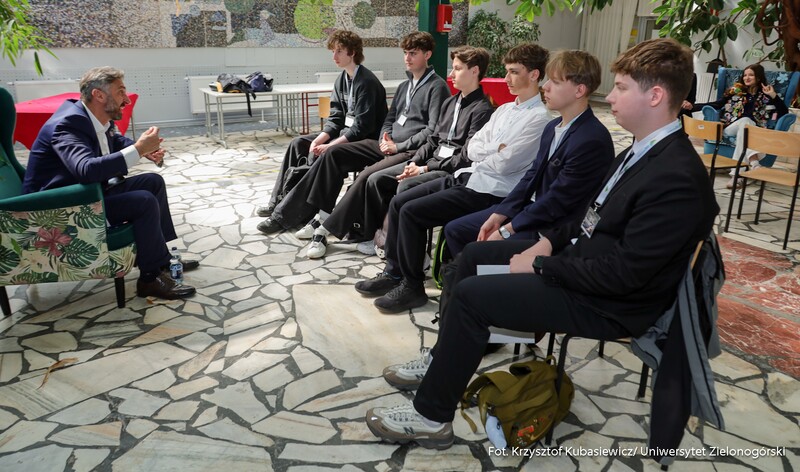
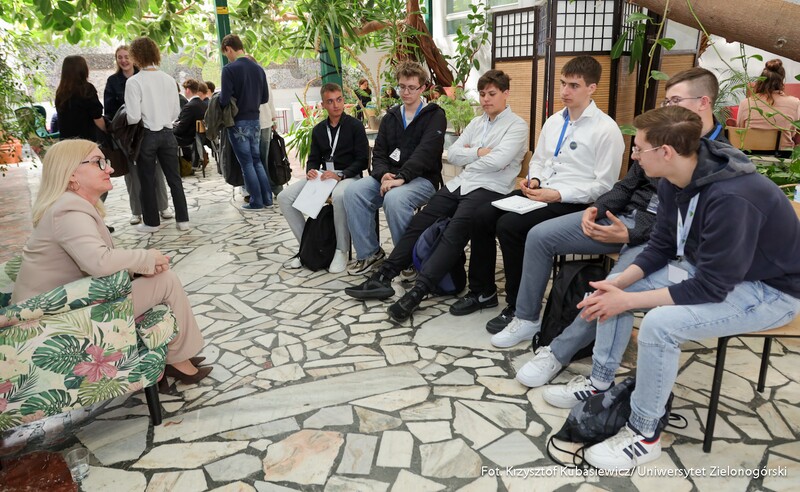
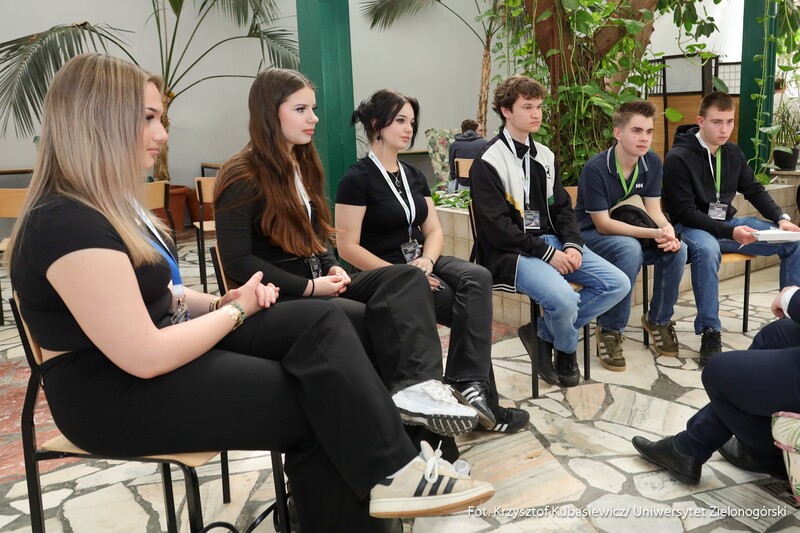
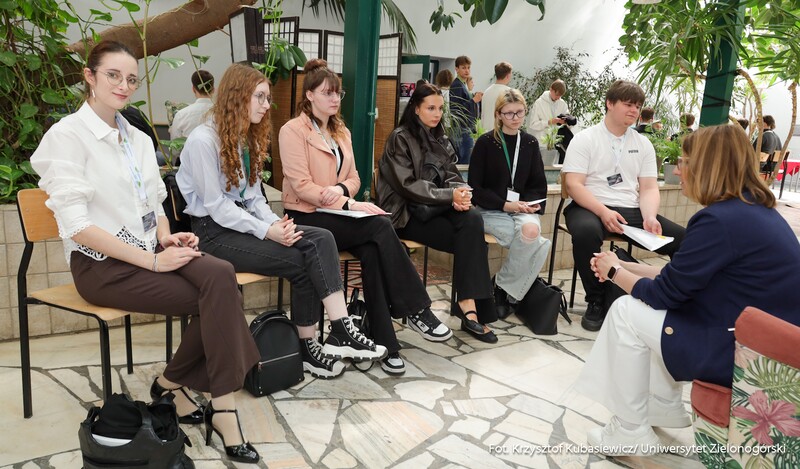
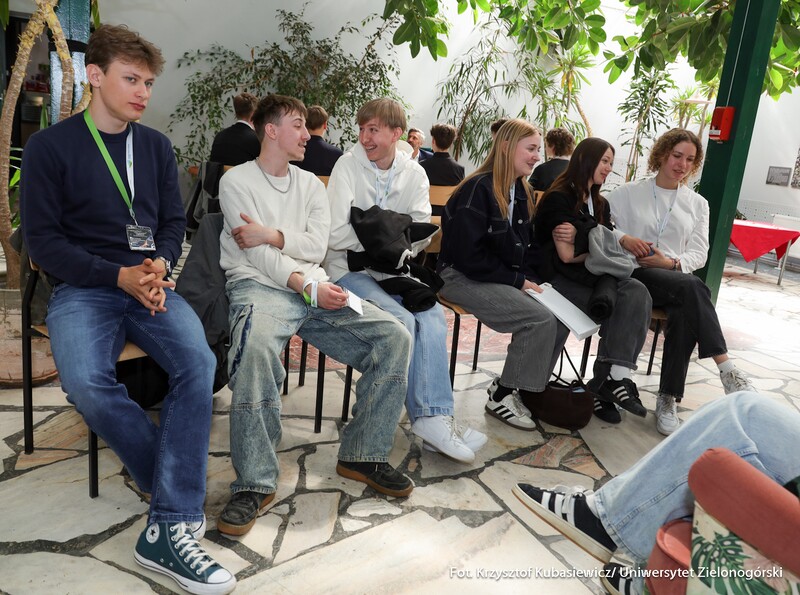
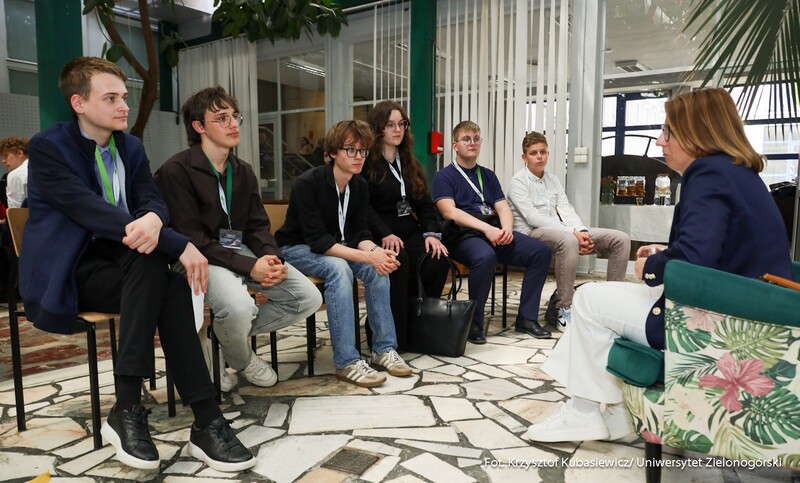
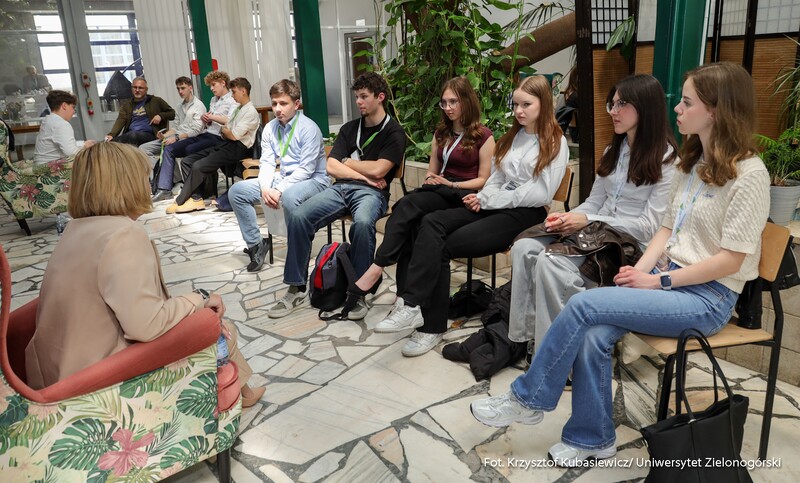
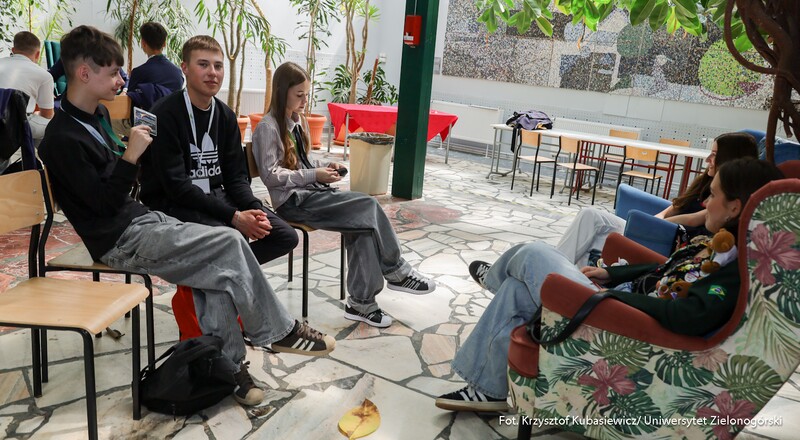
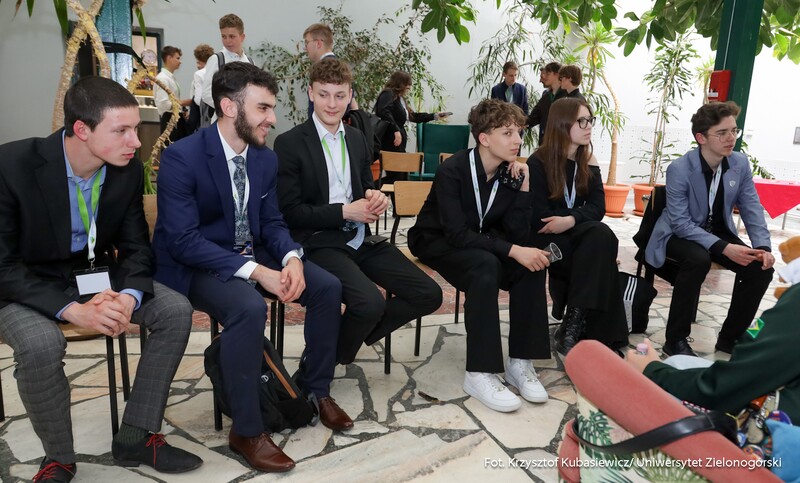
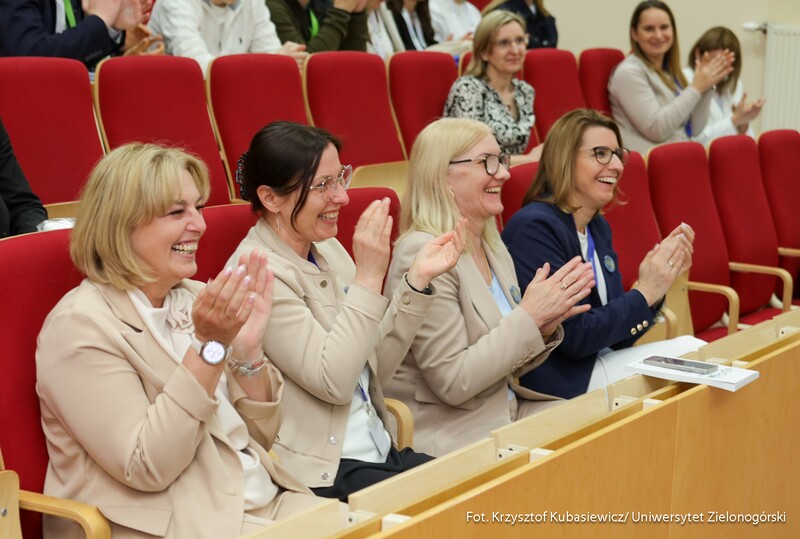
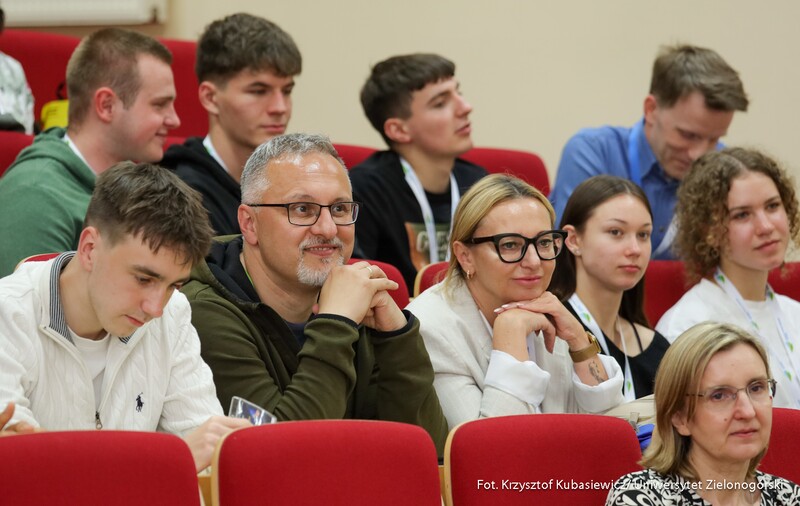
The competition was divided into two rounds. While one group was playing the game, the other participating teams attended a session called the Human Library:
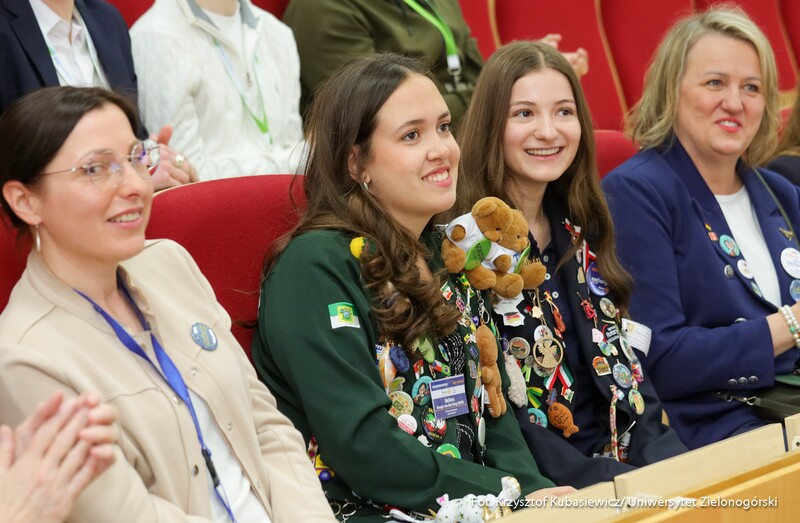
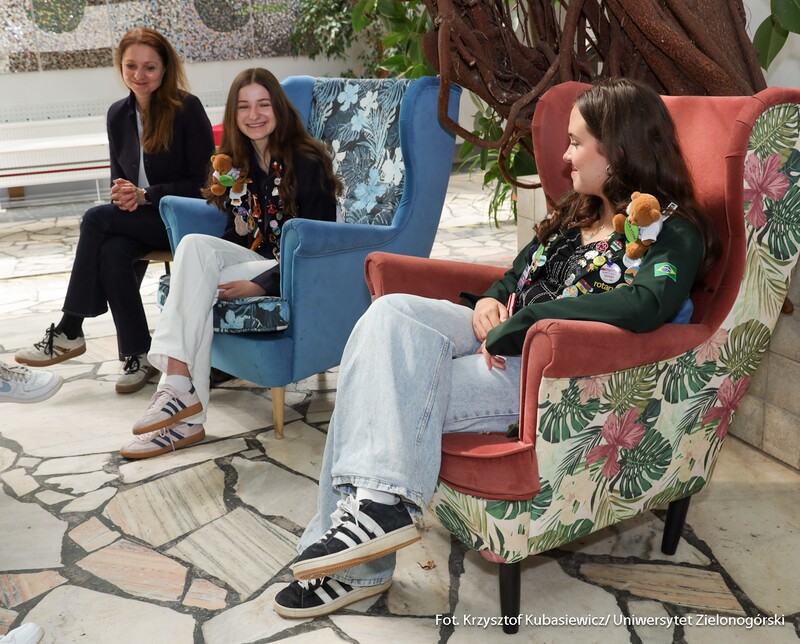
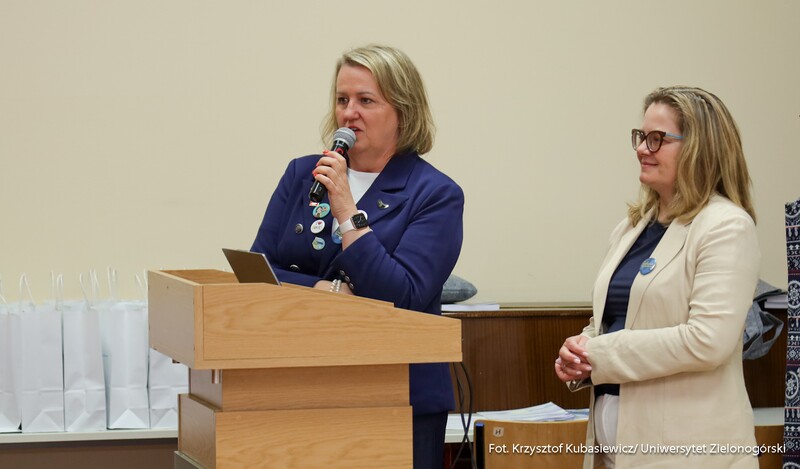
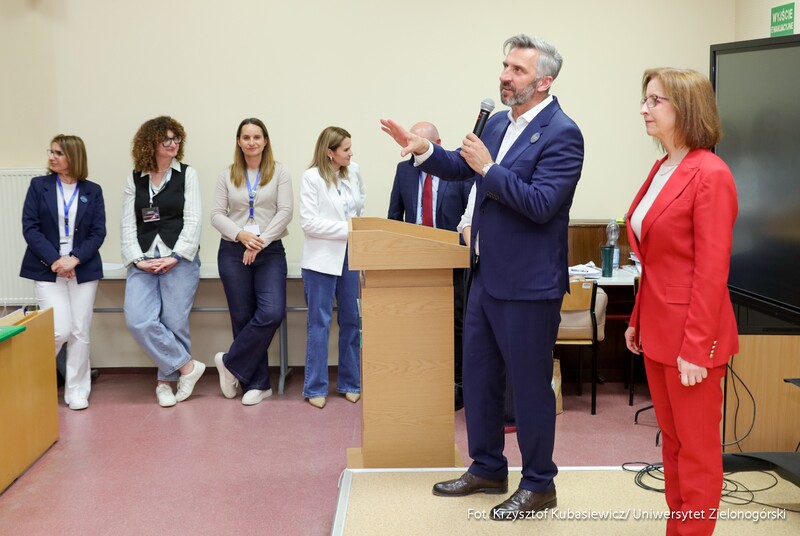
"This was an opportunity to meet highly interesting individuals: local government councillors from various levels—city, county, and regional assembly—as well as Dr. Hab. Waldemar Sługocki, Prof. UZ, a Member of the Polish Parliament and co-organizer of the contest. The session also provided a chance to talk to two exchange students—one from Germany and the other from Brazil. The girls shared their experiences regarding study abroad programs and exchanges organized by the Rotary Club. Students had the opportunity to ask specific questions face-to-face in an intimate setting. The discussions were highly diverse, ranging from political and ideological topics to current affairs related to the European Union and world events," explained Natalia Burdz, Director of the Regional Office of the Marshal's Office in Gorzów Wielkopolski.
High Praise from Teachers and Students
The dynamic format of the competition was highly praised by both the students and their supervisors:
"This contest is truly unique in terms of both its theme and format. This is my second time here. It stands out because students don't just fill out a standard test sheet; instead, they walk from station to station, solve practical tasks, and meet fascinating people. Even if they come here and don't win, they still gain a massive amount of experience from it," concluded Kacper Błaszczyk, a teacher from the Zbigniew Herbert Secondary School Complex in Słubice.
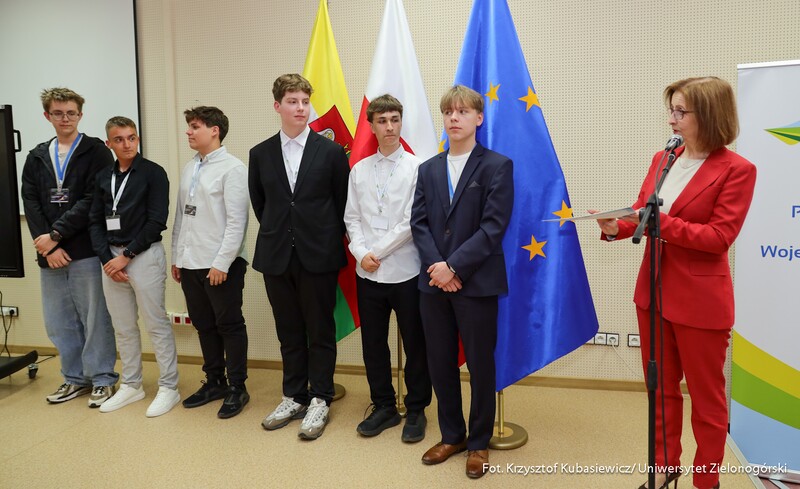
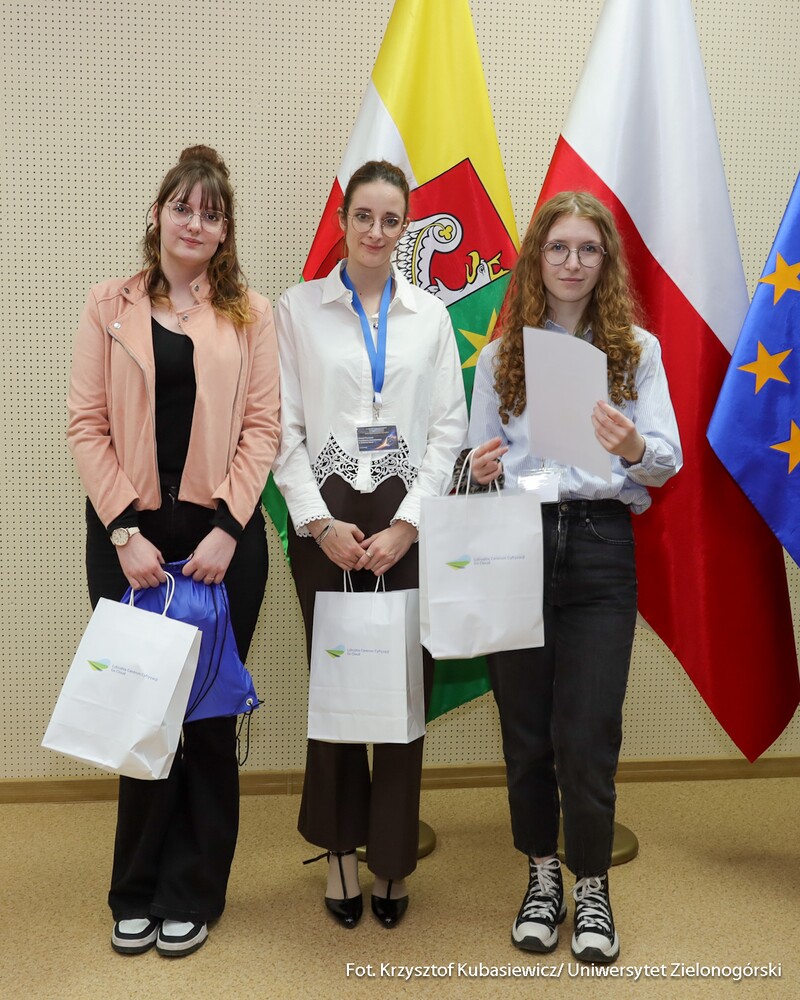
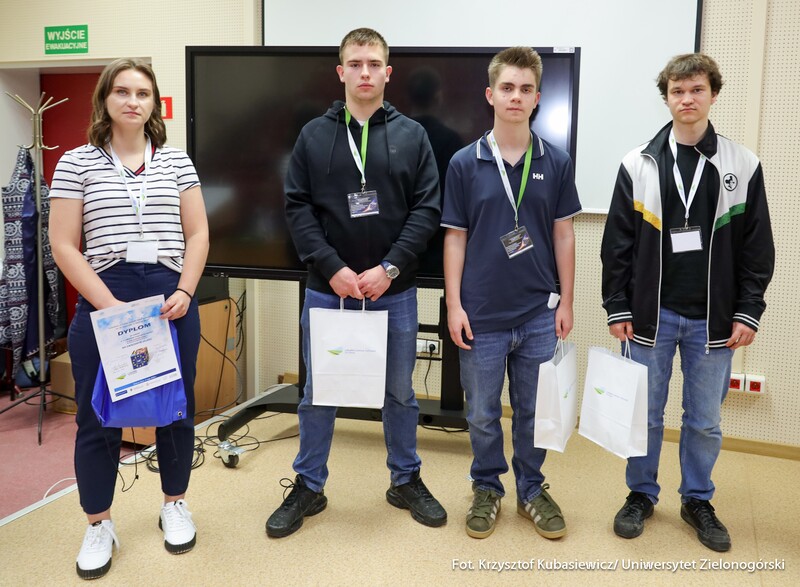
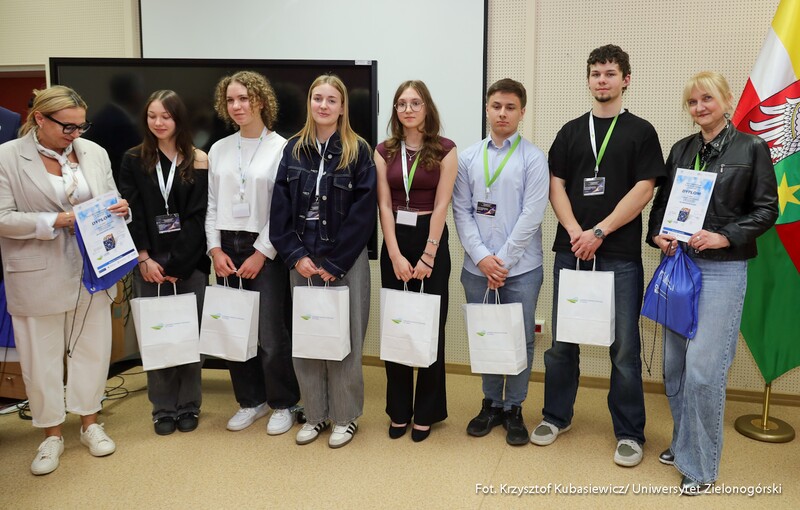
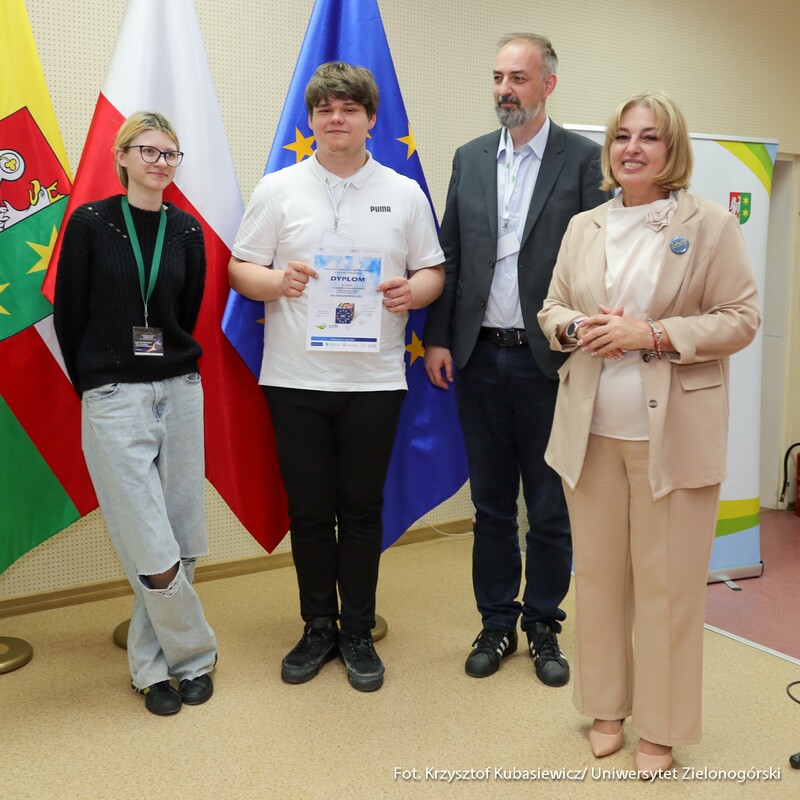
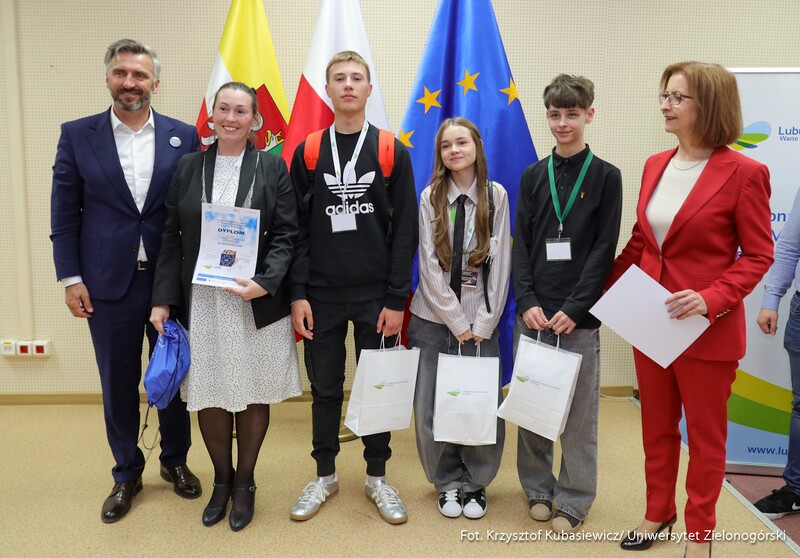
Following a thrilling tie-breaker round, the final standings were:
Co-organizers of the event: The Institute of Political Science and Administration of the University of Zielona Góra, the Voivodeship Teacher Training Center in Gorzów Wielkopolski, the Regional Information Points of the National Agency for the Erasmus+ Programme and the European Solidarity Corps, the Lubusz Voivodeship Office, and the Marshal's Office of the Lubusz Voivodeship.