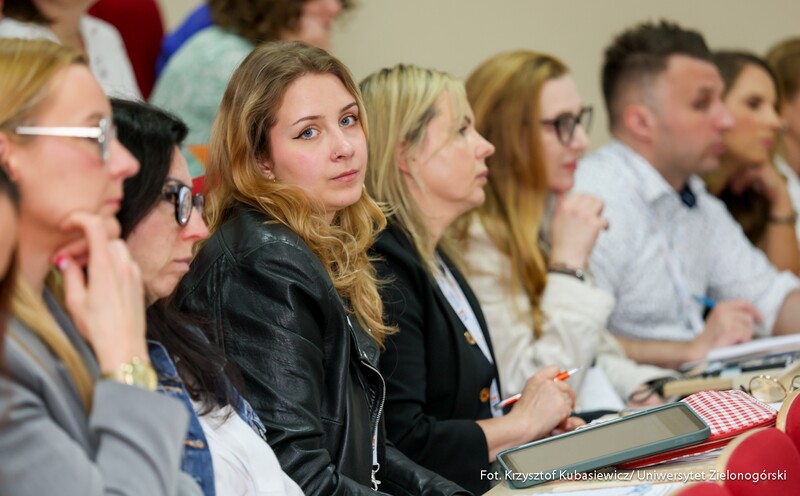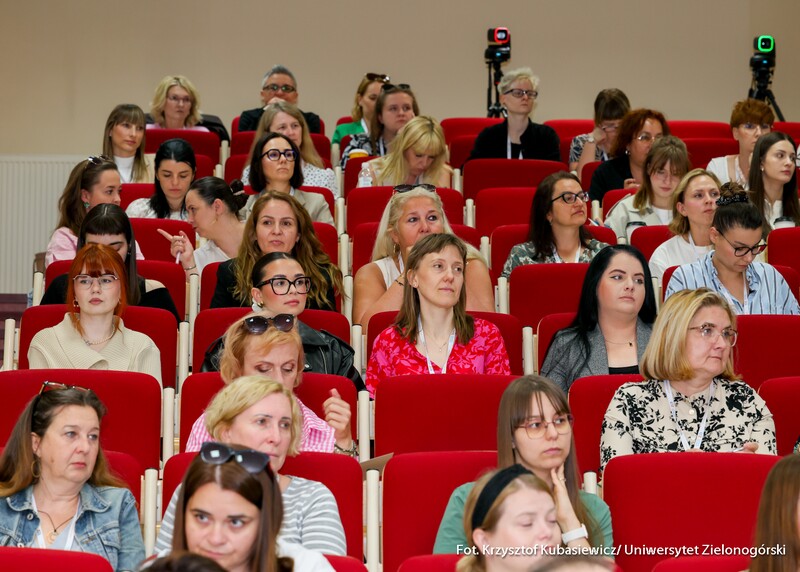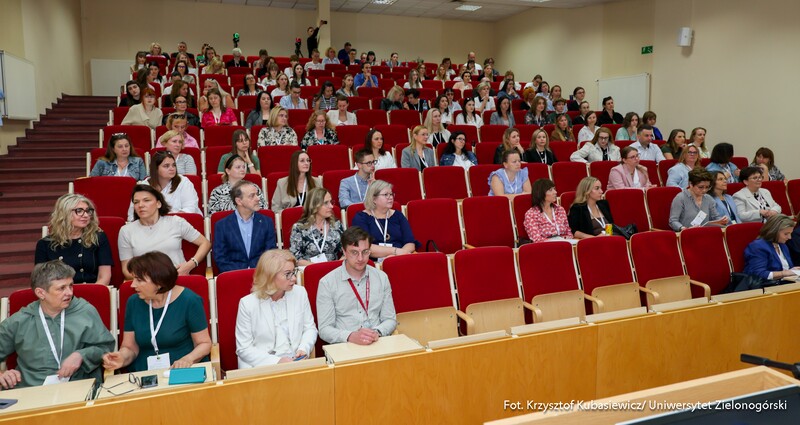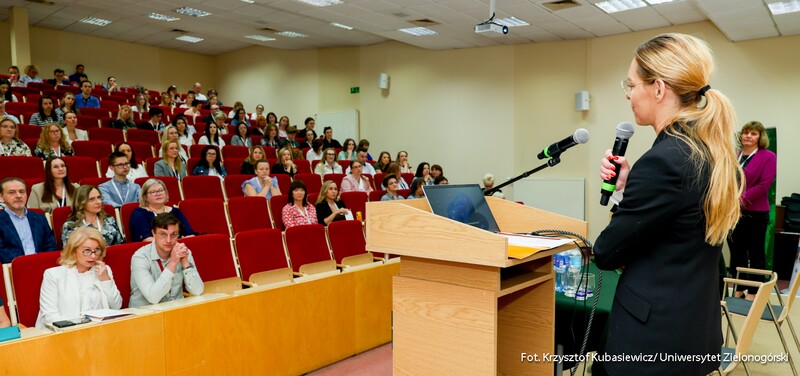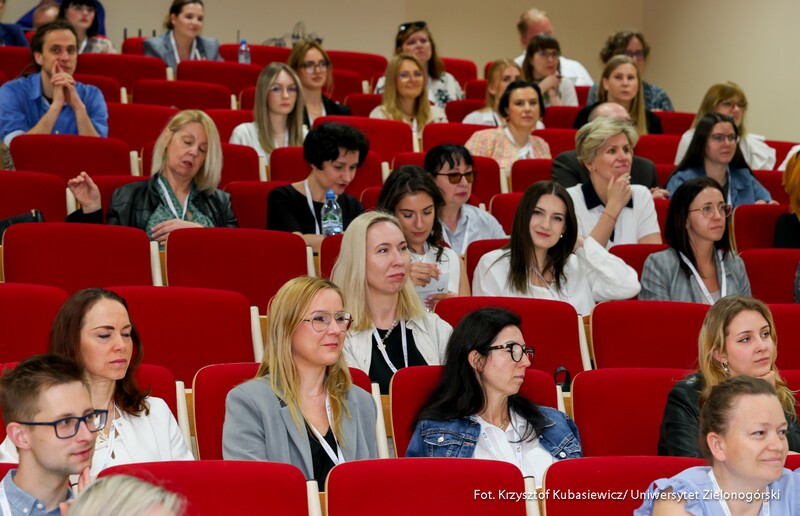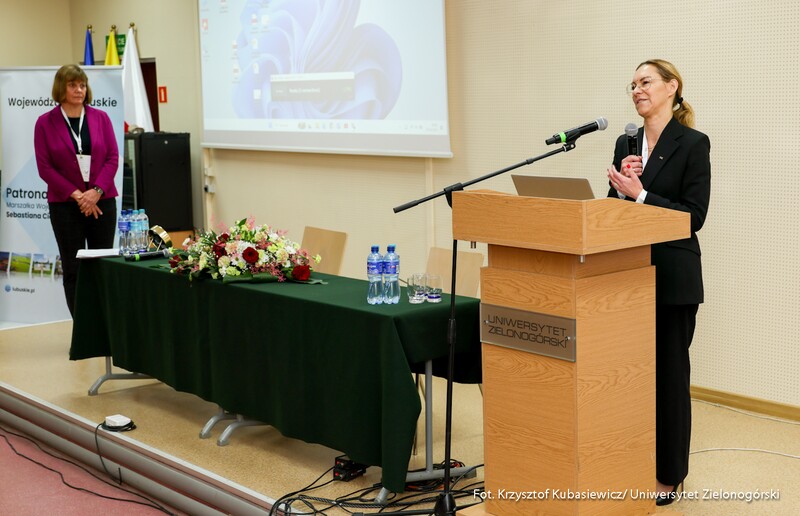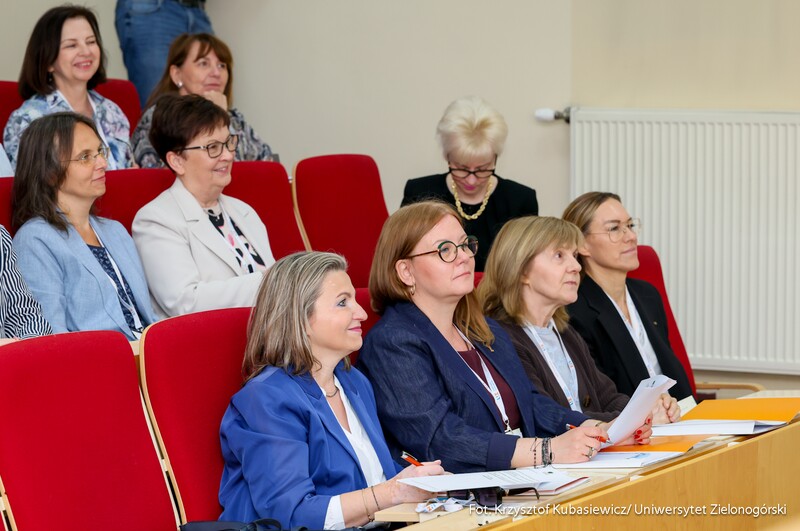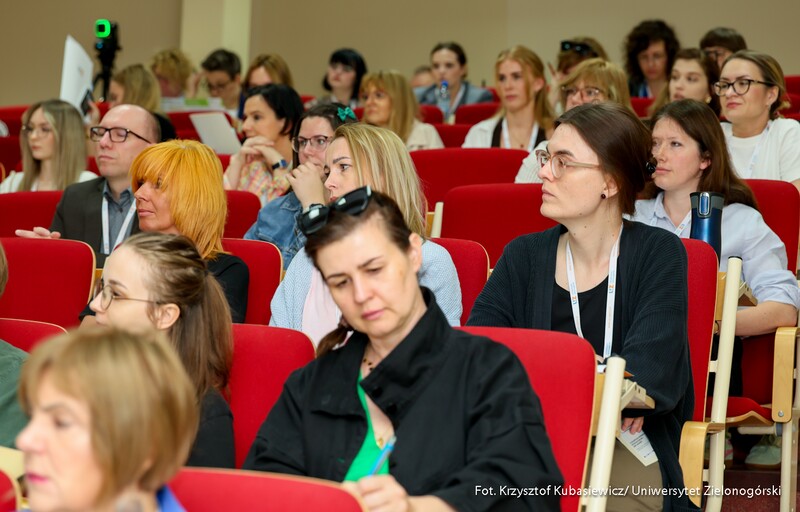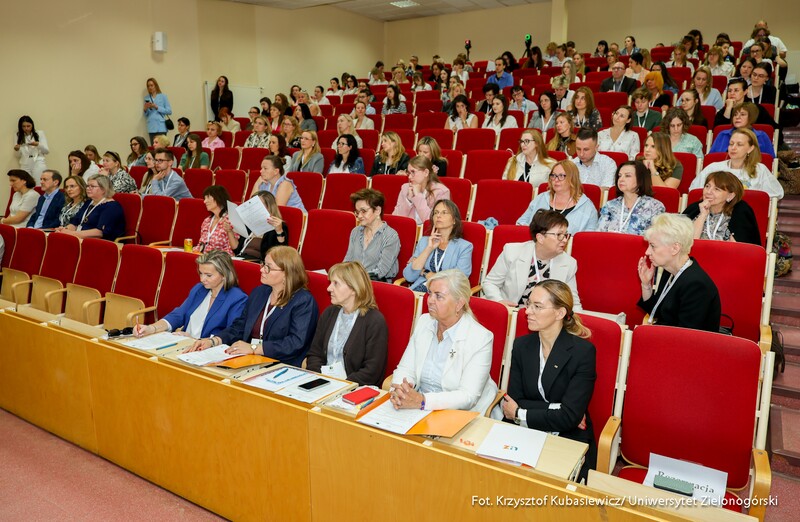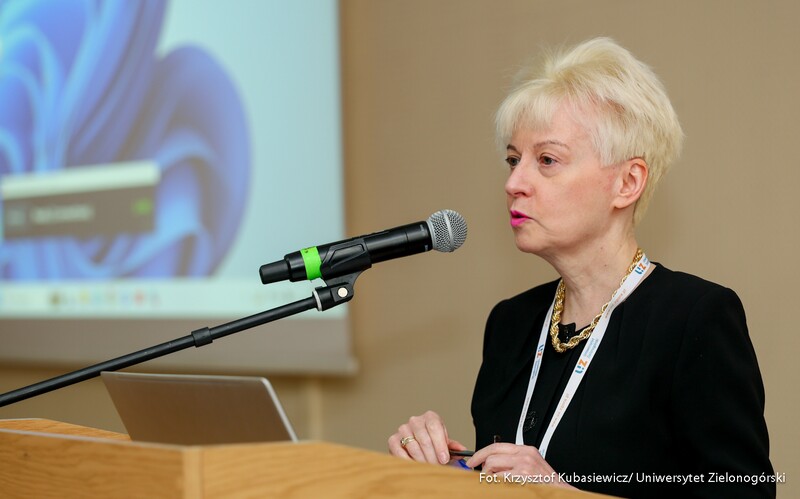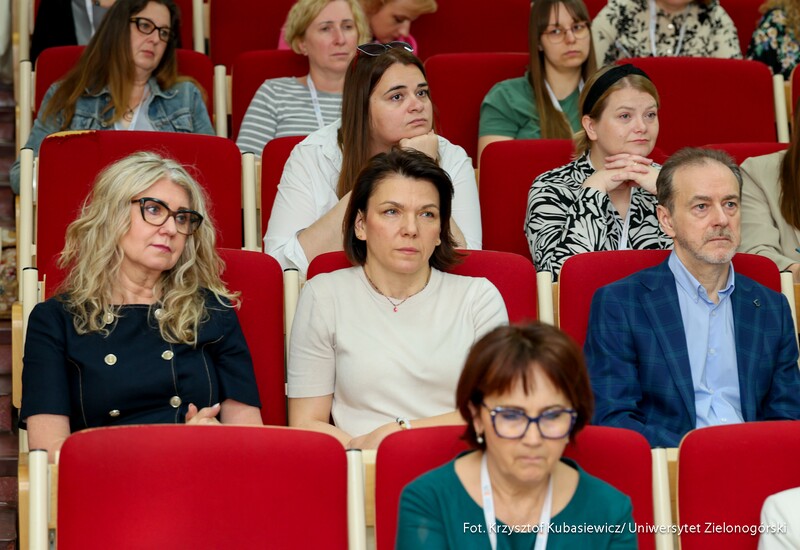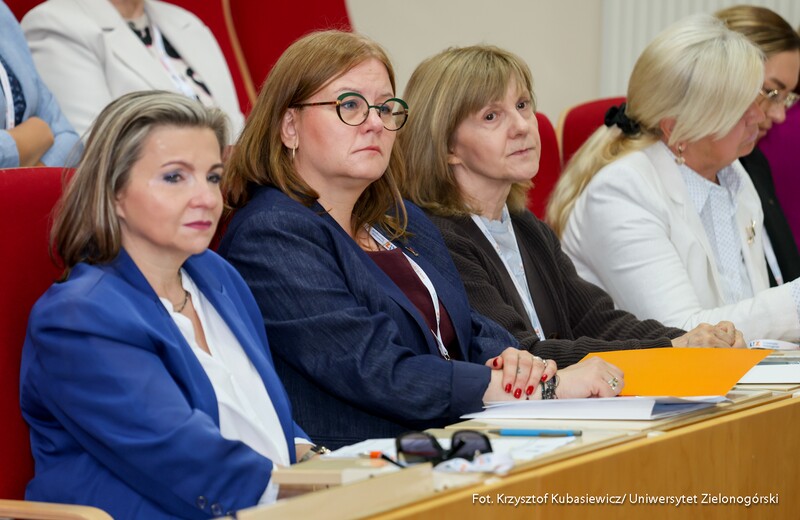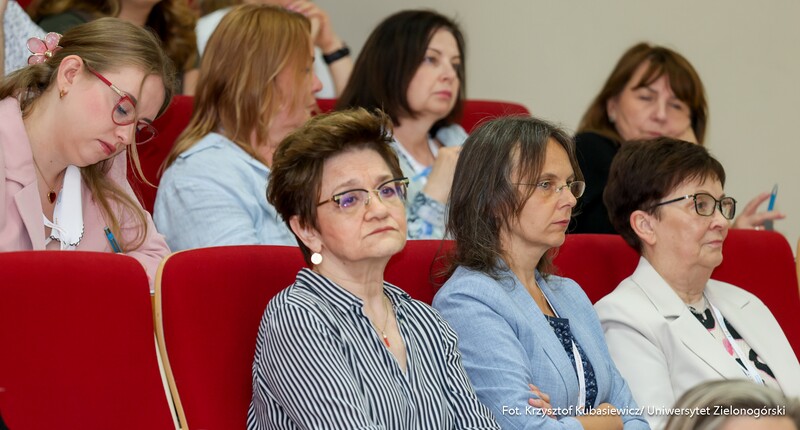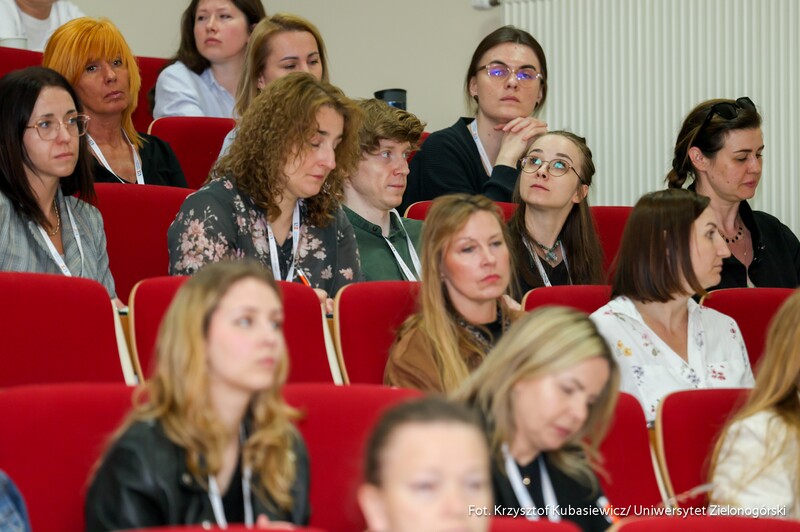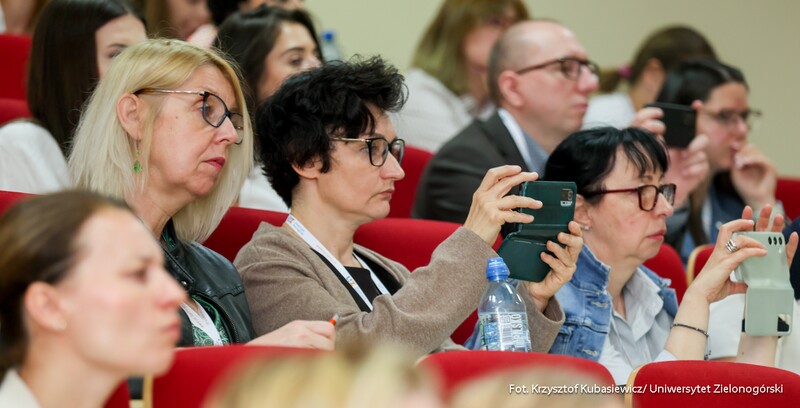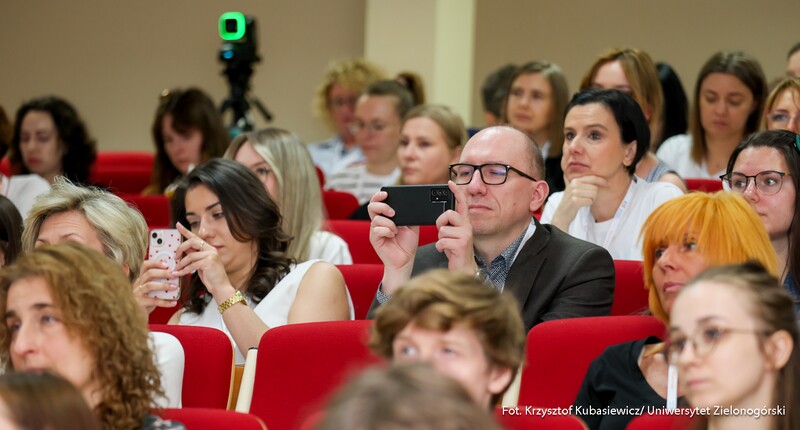
“From Diagnosis to Change – Integrating Approaches in Clinical Work with Young Patients” was the theme of the 4th National Conference on Clinical Psychology of Children and Adolescents, organised by the Institute of Psychology at the University of Zielona Góra. The conference focused on the challenges facing children and young people today and explored effective ways of responding to their needs through interdisciplinary cooperation and evidence-based practice.
The event brought together specialists from a wide range of professional backgrounds, creating a space for a comprehensive and multifaceted discussion on the mental health and well-being of children and young people.
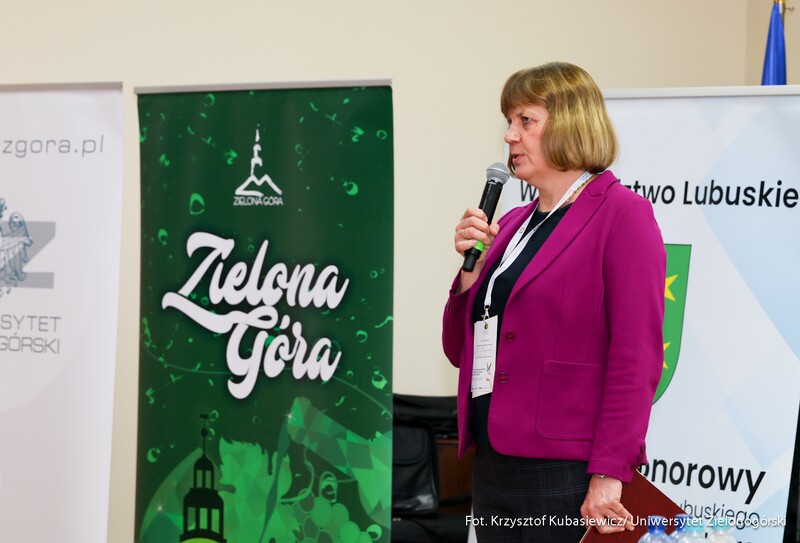
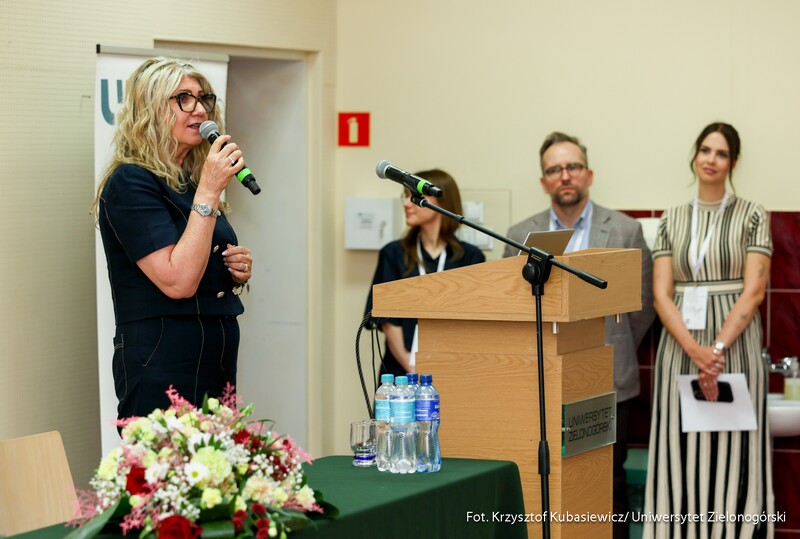
The conference was officially opened by Prof. Justyna Patalas-Maliszewska, Vice-Rector for Science and International Cooperation at the University of Zielona Góra, who thanked the organisers for their initiative and expressed her appreciation to all professionals dedicated to supporting children and young people in their daily work.
According to the conference organisers, today's children and young people face an increasing number of challenges. One of the most pressing issues is cyberbullying and online harassment. Unlike in the past, peer conflicts no longer end when children leave school; they continue in the digital world, often following young people wherever they go.
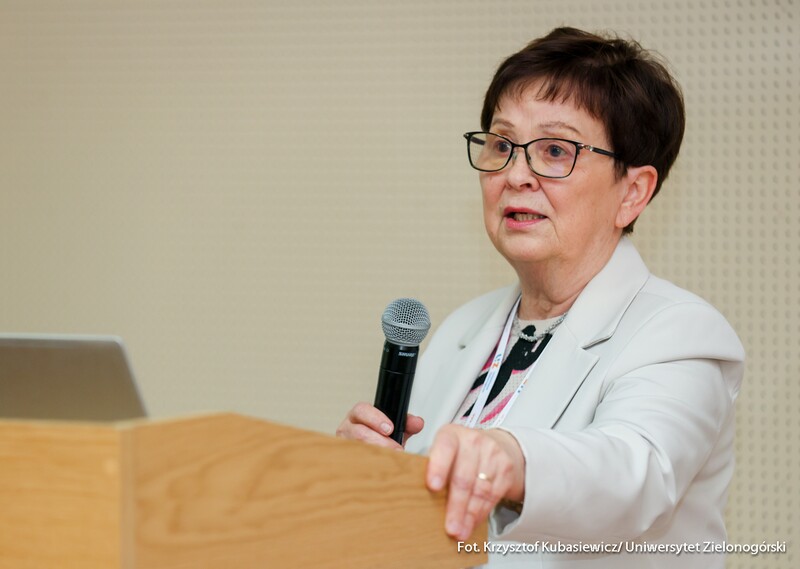
As explained by Dr Anna Góralewska-Słońska from the Institute of Psychology at the University of Zielona Góra and Chair of the Organising Committee:
“Years ago, children might have exchanged a few unkind words at school and then gone home, where they could distance themselves from the situation. Today, however, there is no escape. The hostility that begins at school often continues on social media, and many children find themselves unable to escape these experiences, which can follow them far beyond the school environment.”
Another deeply concerning issue is the growing number of suicide attempts among children and young people, a trend that has been increasing year after year. Very often, young people do not show any warning signs and are unwilling or unable to talk about their struggles, leaving parents and caregivers unaware that something is wrong.
Dr Anna Góralewska-Słońska emphasised the crucial role of psychological support:
“We diagnose a wide range of emotional and psychological difficulties and disorders. Meeting with a psychologist is extremely important because psychologists are often the first people with whom a young person feels safe enough to open up. It is in this relationship that children and young people can share their experiences, talk about their struggles, and receive the support they need.
However, individual support provided solely within a psychologist's office is not enough. Parents, teachers, educators, and schools all need to be actively involved in the process.”
For this reason, the conference attracted a large number of practitioners, including psychologists, researchers specialising in clinical psychology of children and adolescents, psychiatrists, and professionals working directly with young people. Representatives of educational institutions, schools, associations, and the judiciary also attended, united by a common goal: improving the well-being and safety of children and young people.
As Dr Anna Góralewska-Słońska concluded:
“Only through cooperation between all these environments can we achieve lasting positive outcomes. If parents do not know how to communicate with their children, and if teachers and peers are not sensitive to the issue of hate and exclusion, we will not be able to tackle these problems effectively. Psychological intervention is extremely important, but on its own it is not enough.
Diagnosis is fundamental and deserves particular attention because it is the first and most important step in our work with children and young people. Without a proper diagnosis, it is impossible to provide effective support. Only once we understand the nature of a young person's difficulties or disorders can we begin the process of helping them.”
During the conference, participants were presented with the latest research findings, evidence-based recommendations, and proven approaches used in clinical practice.
According to Natalia Skrzyczewska from the Institute of Psychology and a member of the Organising Committee:
“Working with children and young people has never been more important. Bringing together outstanding speakers and specialists from across Poland is invaluable if we want to provide effective support. Our guests represent many different disciplines because we strive to address every stage of the therapeutic process – from diagnosis and intervention to therapy and its completion.”
The conference also highlighted the importance of creating appropriate conditions for effective and comprehensive mental health care.
Currently, the Centre for the Treatment of Children and Adolescents in Zabór serves the region's youngest patients. In the near future, the facility is expected to be relocated to Zielona Góra, where a new state-of-the-art hospital will be established.
As explained by Ewa Jaske, Director of the Department of Health of the Lubuskie Marshal's Office:
“The Centre is currently located in a historic palace in Zabór. While it is a beautiful building, it presents significant challenges in terms of maintenance costs and safety requirements. For this reason, the hospital applied for funding from the Medical Fund to construct a new facility and was awarded nearly PLN 50 million in funding. Preparatory work on the project documentation is currently underway, and construction is expected to begin at the beginning of next year.”
Over the course of the two-day conference, participants had the opportunity to attend plenary lectures, scientific and practice-oriented seminars, and a wide range of workshops, all aimed at strengthening interdisciplinary cooperation and improving support systems for children and young people facing mental health challenges.
The conference highlighted the urgent need for a collaborative and interdisciplinary approach to supporting the mental health and well-being of children and young people, demonstrating that effective support requires not only highly qualified professionals and evidence-based interventions, but also strong partnerships between families, schools, healthcare providers, and the wider community.