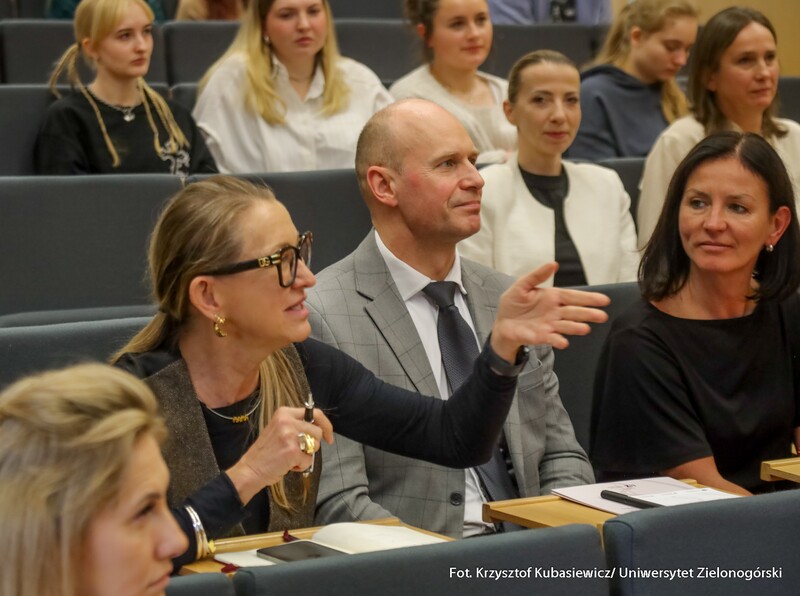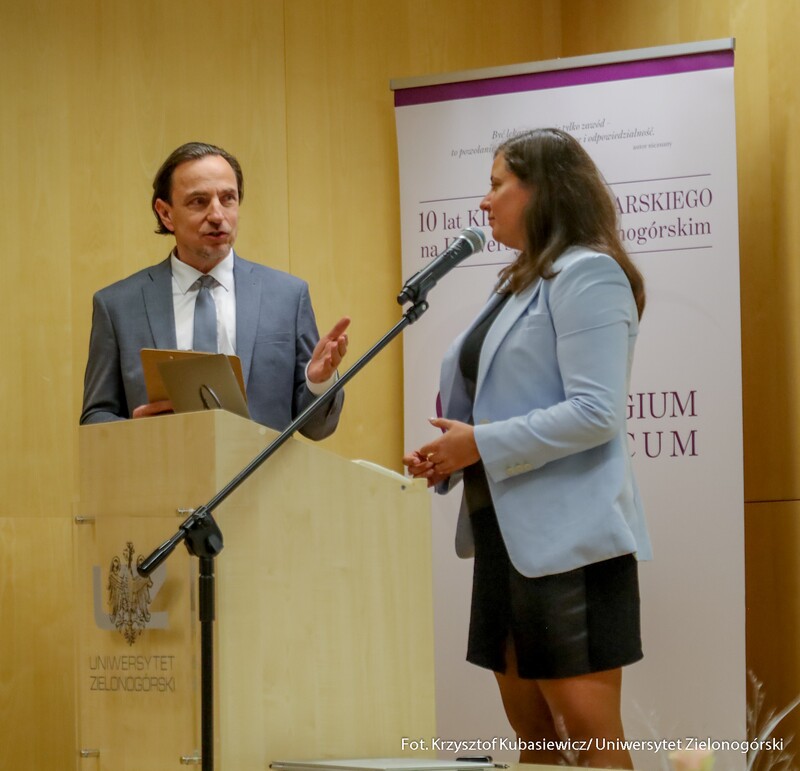
This year marks the 10th anniversary of the establishment of the Medical Programme at the University of Zielona Góra (UZ). The two-day celebration offered an opportunity to reflect on its beginnings, discuss its development, and outline plans for the future. It was also a time for alumni, staff, and the founders of medical education in Zielona Góra to reconnect.
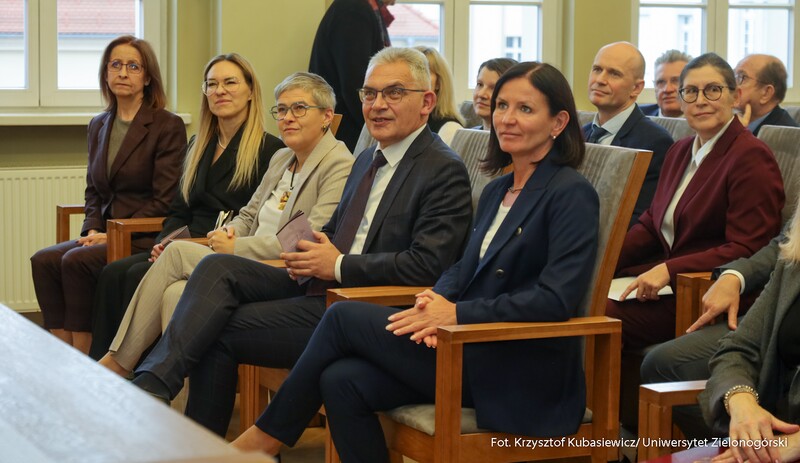
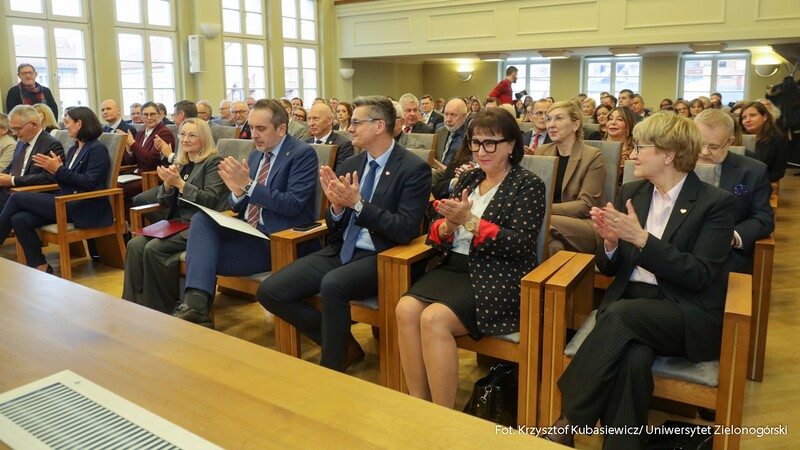
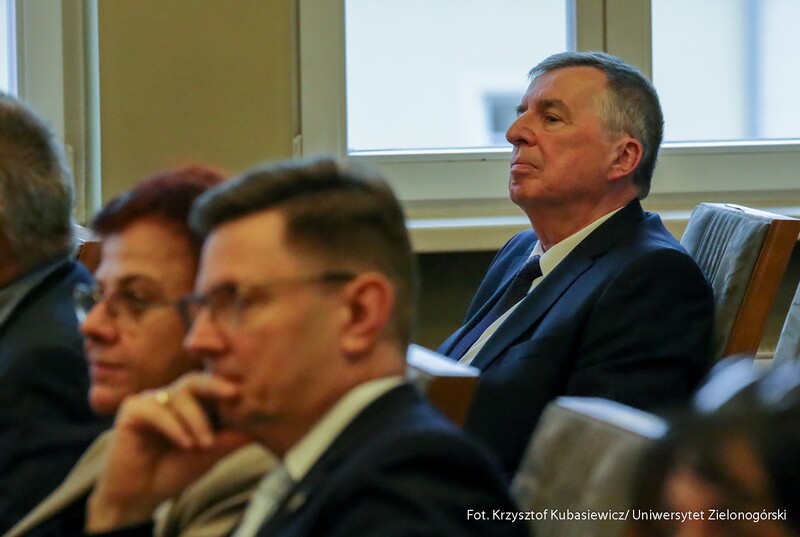
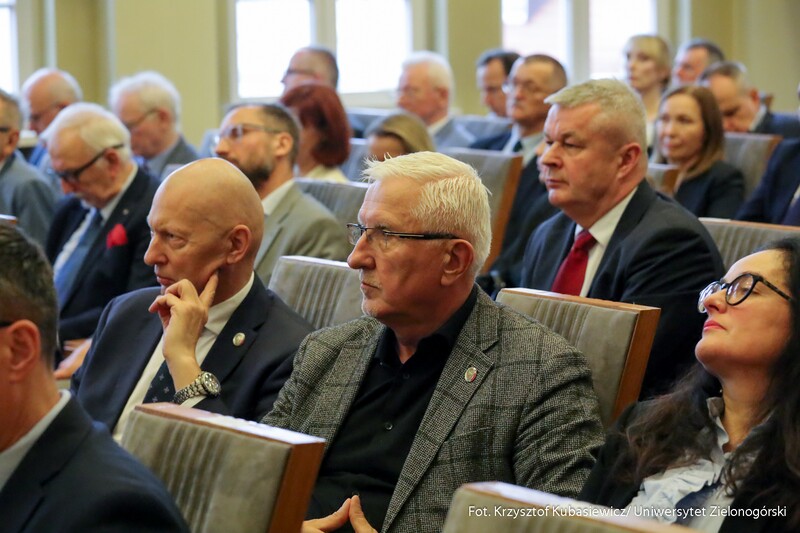
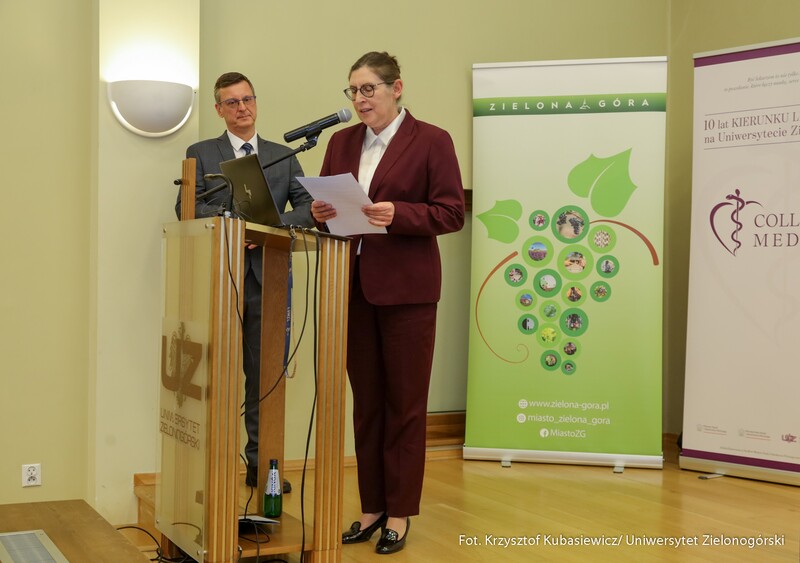
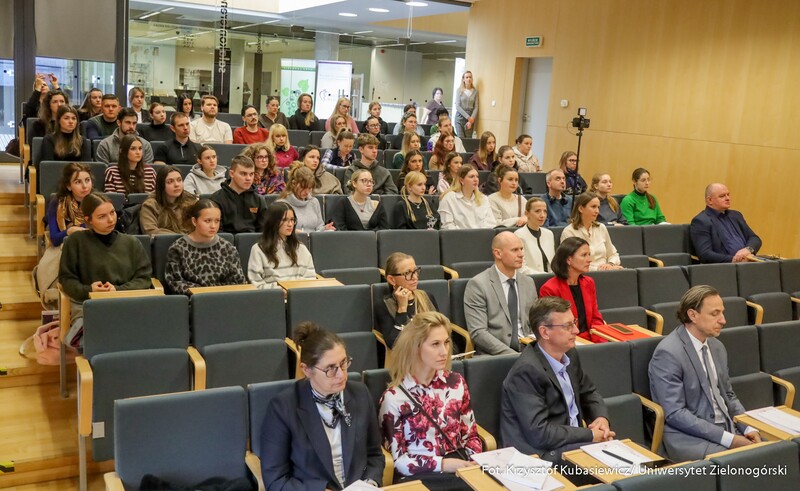
The official anniversary ceremony gathered distinguished guests from the fields of science, medicine, and public life in the Rectorate Assembly Hall. The event was attended by the University authorities – the Rector, Vice-Rectors, Deans, and Directors of Institutes – as well as former University leadership, local government representatives, Members of Parliament, and individuals associated with the medical community of the Lubuskie Region.
Looking Back: The Origins of the Medical Programme
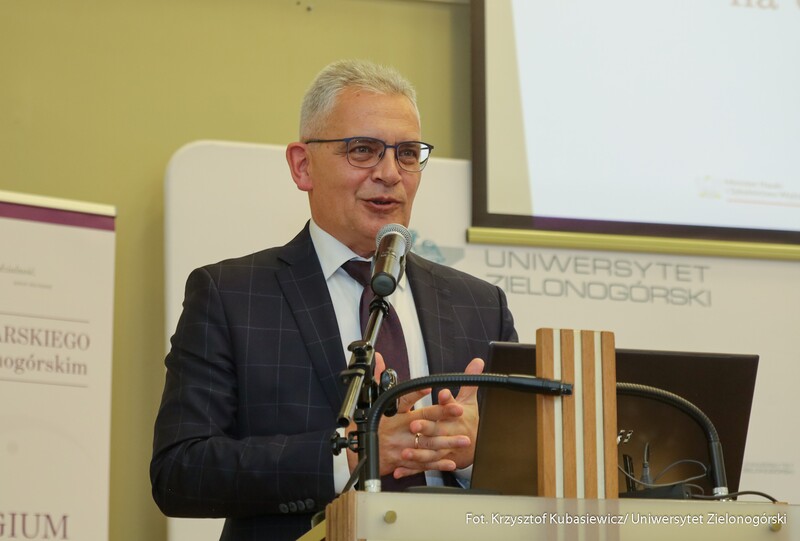
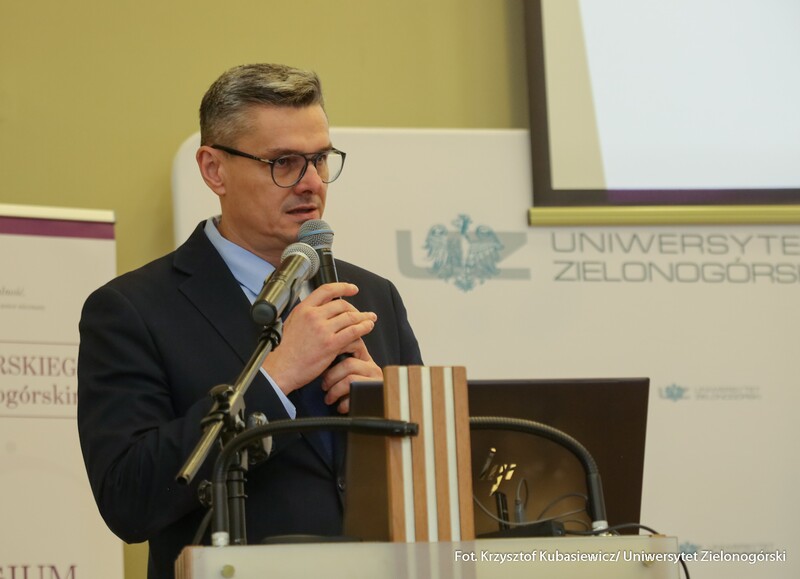
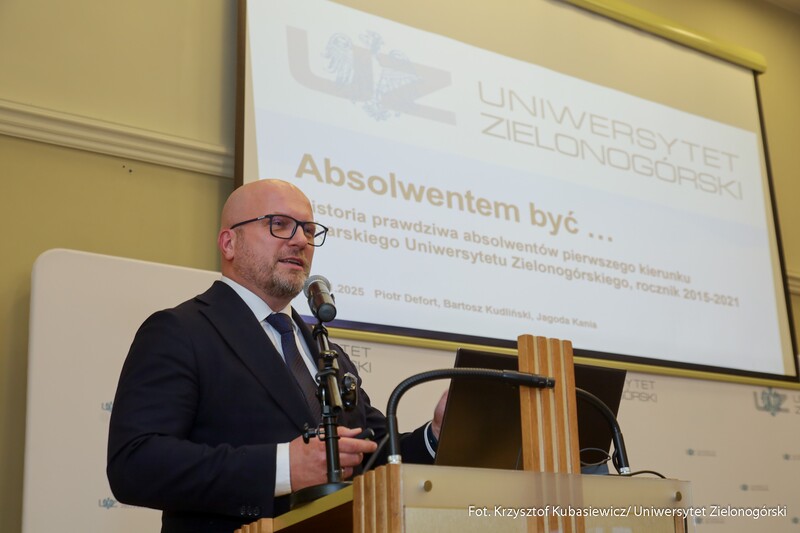
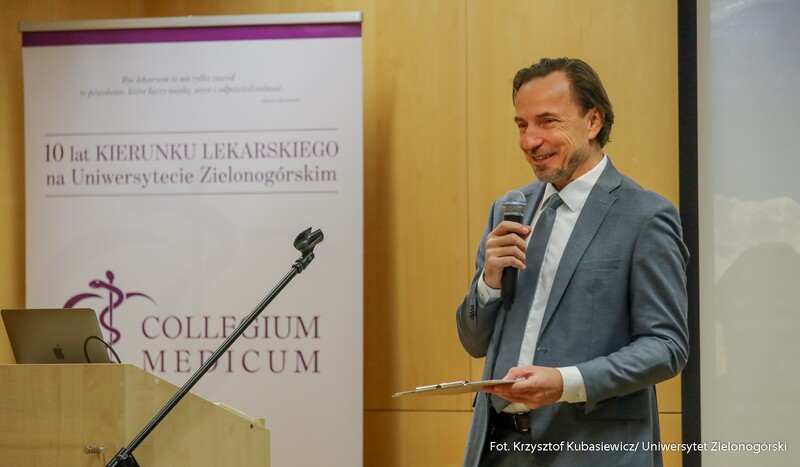
The first day of the celebration focused on recalling the history behind the creation of the programme. As emphasised by Prof. Wojciech Strzyżewski, Rector of the University of Zielona Góra: “It must be stressed that establishing the Medical Programme was a tremendous organisational and legal effort undertaken by the University and the entire Lubuskie community. We were the first non-medical university granted permission to offer medical studies. These ten years have certainly confirmed the rightness of that decision. First of all, we now have over 300 graduates. We are also proud of our achievements – just two weeks ago, our graduate defended the first doctoral thesis completed by an alum of the programme. We are capable of educating our own PhDs in medical sciences. Moreover, we are seeing the first habilitations and new doctoral degrees awarded to our academic staff. I believe that we are witnessing the beginnings of a genuinely autonomous academic environment.”
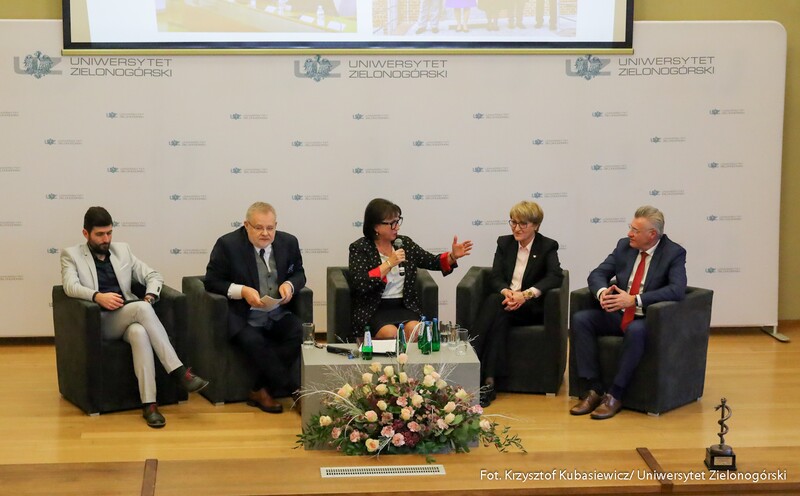
The first discussion panel featured Bożenna Bukiewicz, former Member of the Polish Parliament; Elżbieta Anna Polak, Member of the Polish Parliament; and Dr. Hab. Paweł Jarmużek, Prof. UZ, Head of the Clinic of Neurosurgery and Nervous System Diseases at UZ’s Collegium Medicum. The session was moderated by Prof. Zbigniew Izdebski from the Department of Medical Humanisation and Sexology at Collegium Medicum.
Bożenna Bukiewicz recalled: “The establishment of the Medical Programme had been my dream since 2005, when I served as an MP and earlier as a councillor. I knew such a programme was essential to increase the safety of our residents. A university hospital operates at a higher standard than a provincial one. Thanks to having a university hospital, we are better equipped and better funded. Everything has truly paid off – I am happy that more and more medical graduates choose to stay in our region.”
Words of Gratitude
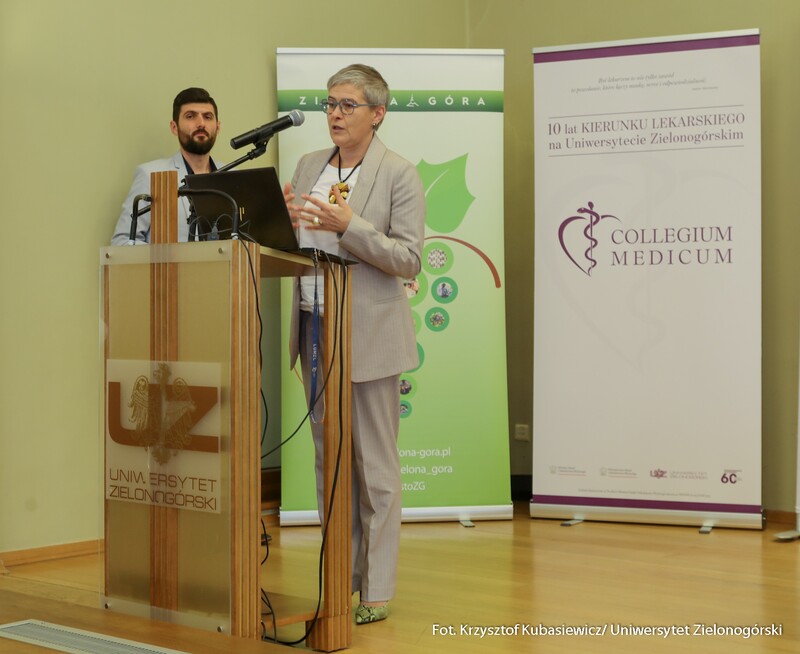
The ceremony also provided an opportunity for acknowledgements. As noted by Dr. Hab. Jolanta Chmielowiec, Prof. UZ, Dean of the Faculty of Medicine and Health Sciences: “Interest in our programmes remains high, especially in the Medical Programme. Other fields offered by the Faculty are also developing dynamically. Medicine is a highly prestigious field, and we are delighted that student numbers remain strong. These ten years are also the result of the dedication of many people. As Dean, I want to thank them for their determination. Without their commitment, this programme would likely never have been established.”
Quality of Education and National Recognition
The strong results achieved by UZ students are noticeable nationwide. Prof. Maria Mrówczyńska, Deputy Minister of Science and Higher Education, who attended the ceremony, highlighted: “The level of education is very high. Teaching in small groups allows for an individualised, mentor-based approach. This produces excellent results, which became evident, for example, in the results of the first national medical exam — our students ranked first in Poland. Education looks very different in small groups compared to lectures attended by dozens or hundreds of students.”
Future Directions
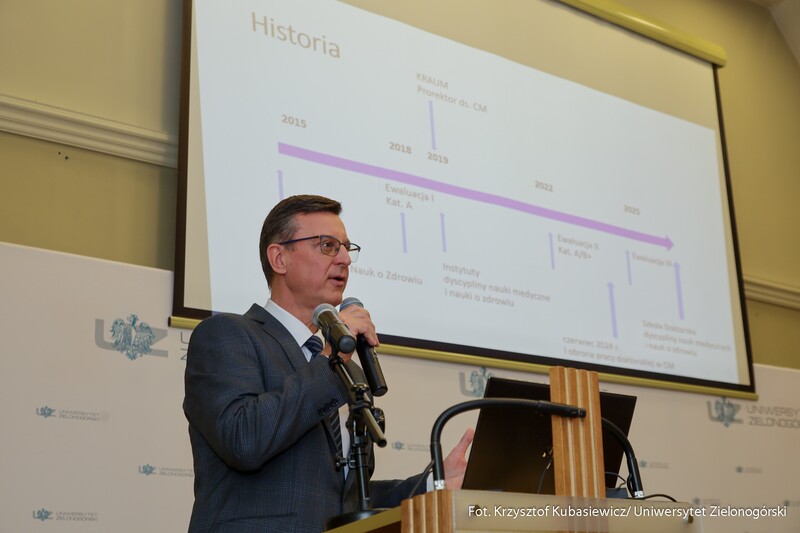
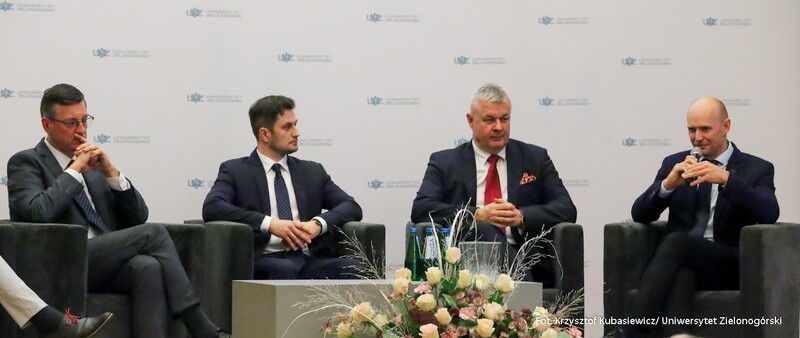
Participants of the second panel included Prof. Marcin Zaniew, Vice-Rector for Collegium Medicum; Dr. Hab. Mariusz Naczk, Prof. UZ, Vice-Rector for Development and Finance; Dr. Marek Działoszyński, President of the Karol Marcinkowski University Hospital in Zielona Góra; and Jacek Stelmaszczyk, student representative. The panel focused on the future development of medical education in Zielona Góra.
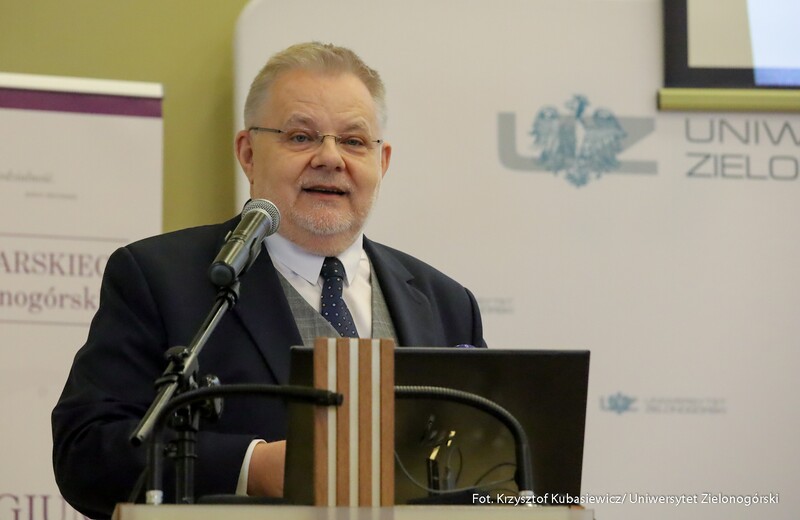
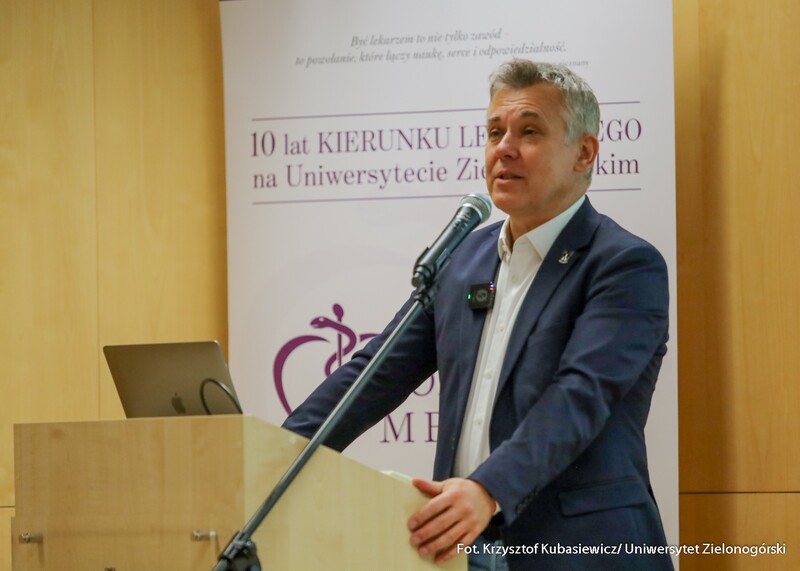
Prof. Zaniew commented: “We already have a group of young doctors. While they are still before their specialisations, they form a significant group working in healthcare facilities in our region. Within the next two years, many of them will become specialists. As for the development of the programme, we are continuously expanding. Our goal is for graduates not only to become practicing doctors but also to take over research and academic roles currently held by the Collegium Medicum staff. They certainly have such aspirations, and we want to support them in pursuing these ambitions.”
Dr. Marek Działoszyński emphasised the role of the University Hospital: “We are the University’s primary clinical base. We train future doctors – each year we host more than 500 medical students. Many of our graduates find employment here; currently, 67 of them work with us as interns and residents. The Faculty of Medicine attracts outstanding academic staff to our hospital – dozens of professors and PhD-level researchers. The hospital’s development in this respect is very noticeable.”
Awards and Distinctions
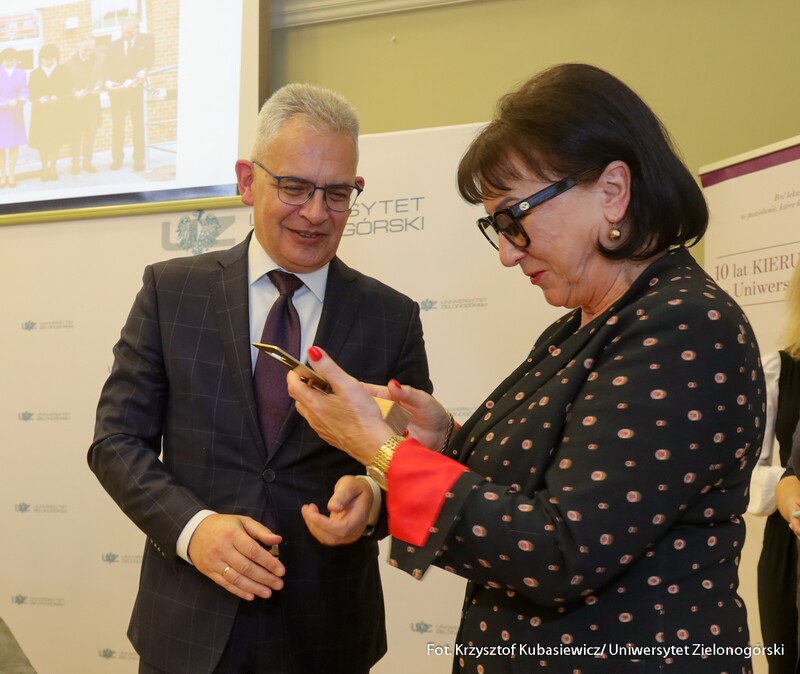
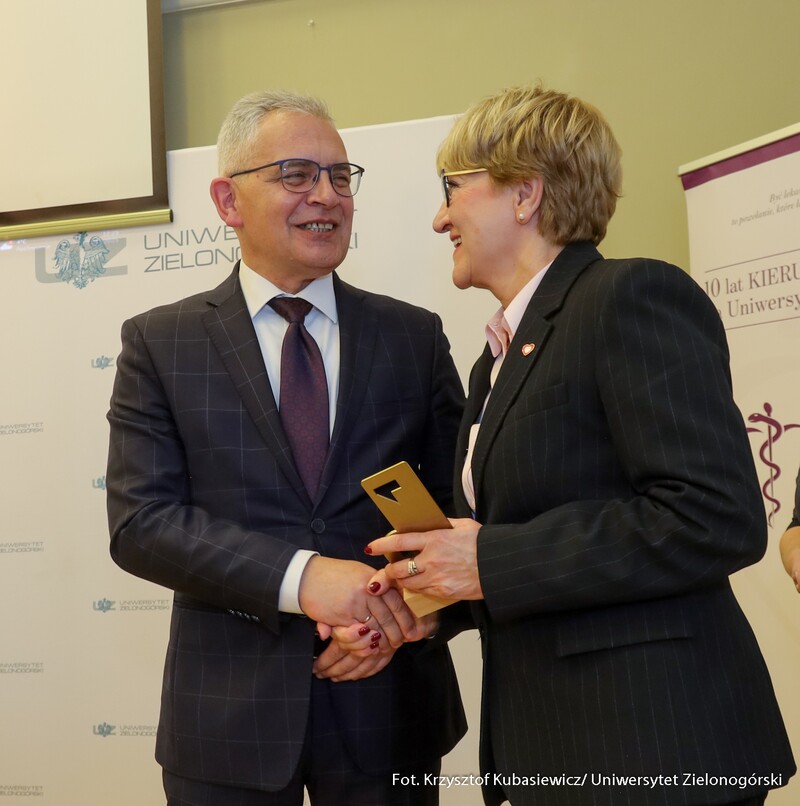
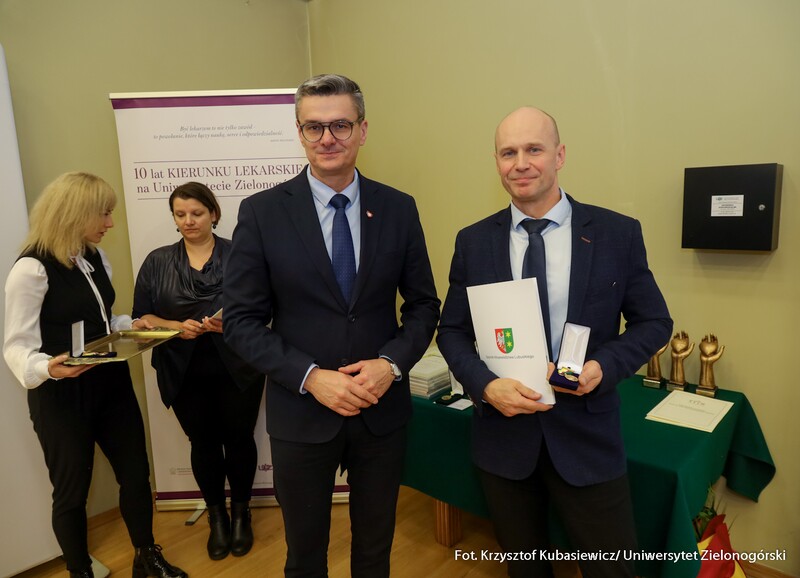
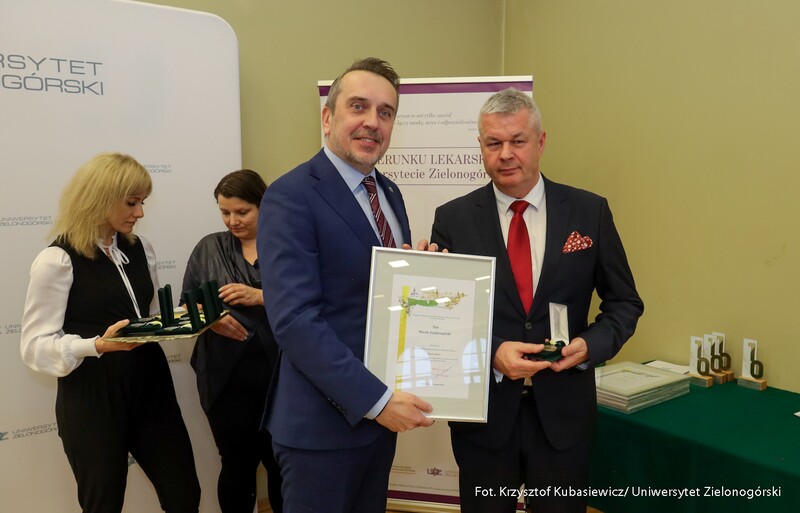
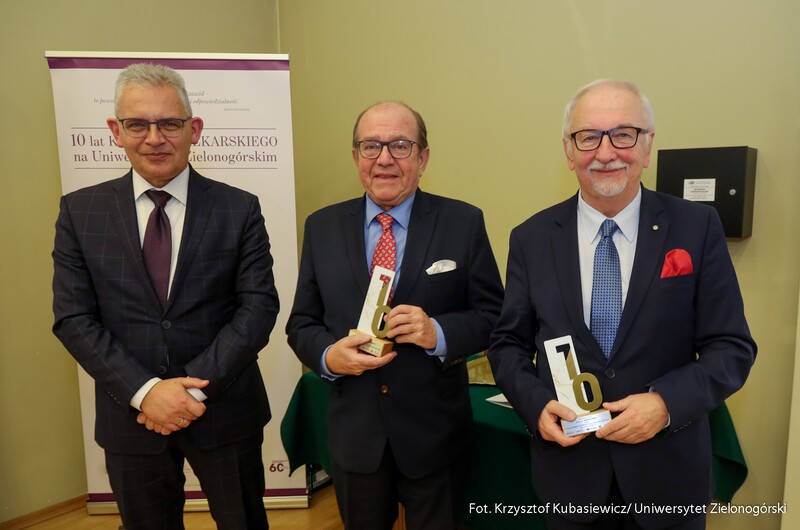
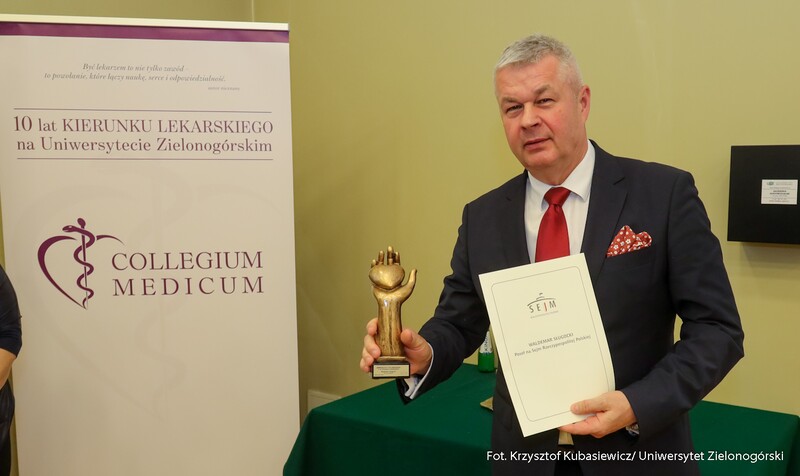
During the ceremony, awards were presented to individuals who have significantly contributed to the development of Collegium Medicum. Rector of UZ presented statuettes to: Bożenna Bukiewicz, Elżbieta Anna Polak, Dr. Ewa Kopacz, Dr. Bartosz Arłukowicz, Prof. Marek Spaczyński, and Prof. Maciej Zablo.
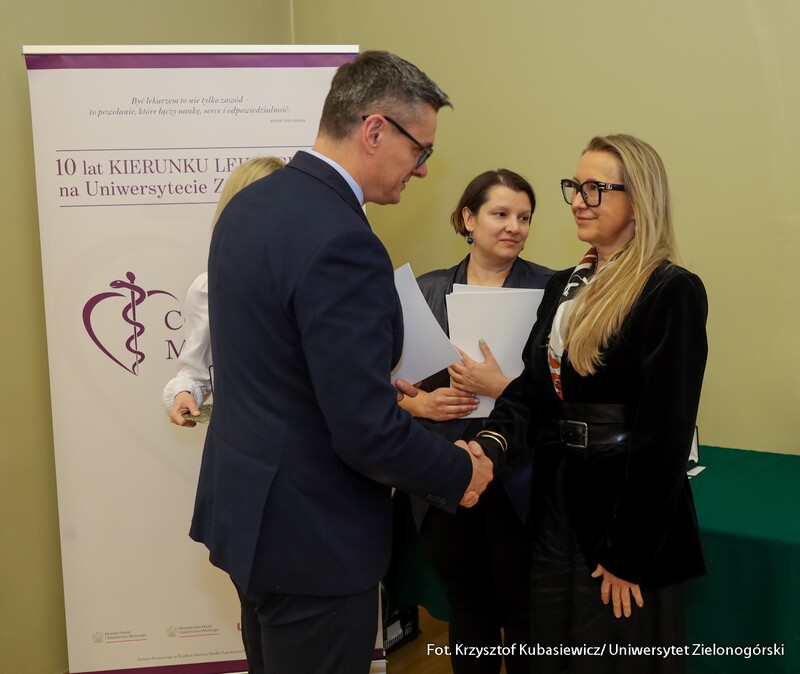
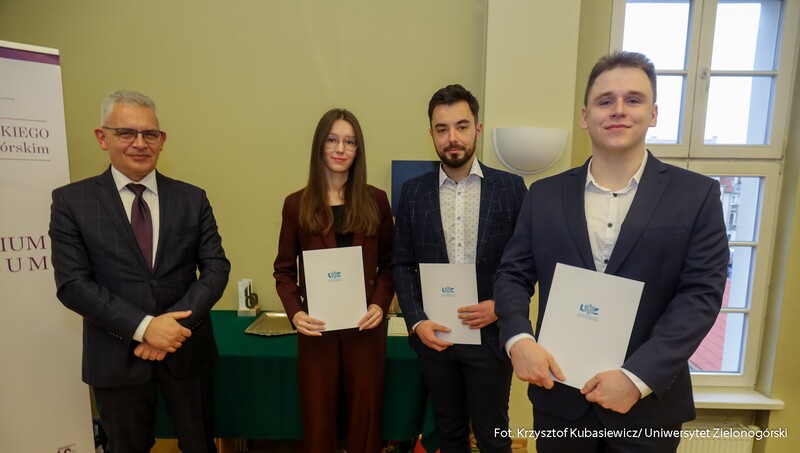
Congratulatory letters were awarded to Jędrzej Dragan and Miłosz Korczak, former Heads of the Student Medical Council, as well as to the IFMSA – Zielona Góra Branch.
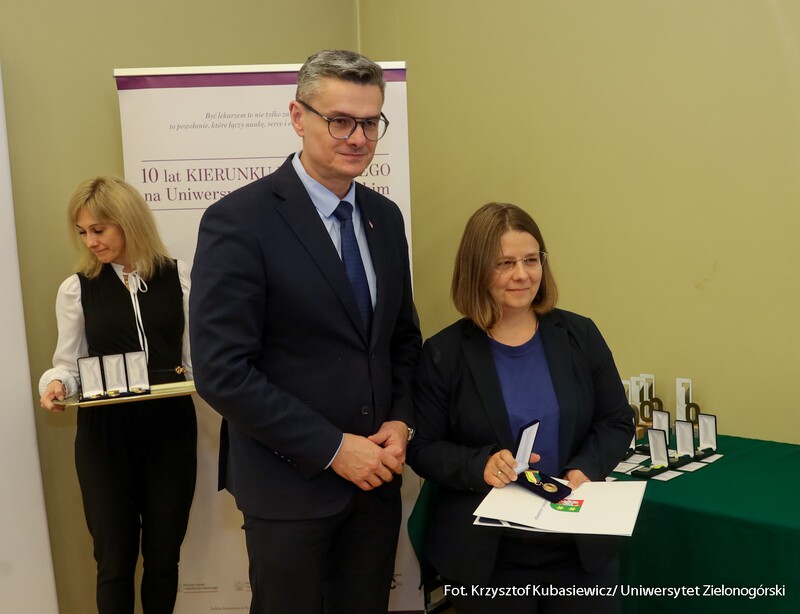
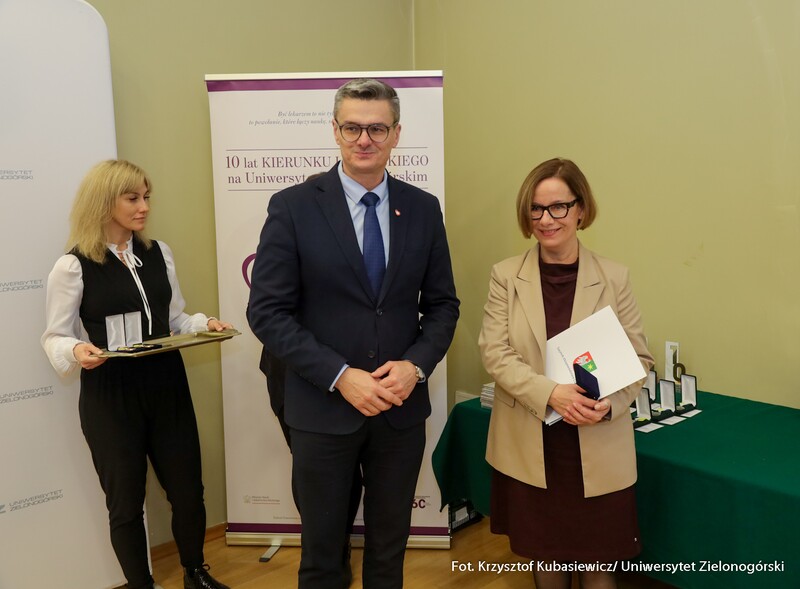
Honorary medals for outstanding service to the Lubuskie Region were presented by Marshal Sebastian Ciemnoczołowski to Dr. Hab. Magdalena Gibas-Dorna, Prof. UZ; Prof. Agnieszka Zembroń-Łacny; Dr. Hab. Agnieszka Ziółkowska, Prof. UZ; Dr. Hab. Tomasz Huzarski, Prof. UZ; and Dr. Hab. Mariusz Naczk, Prof. UZ.
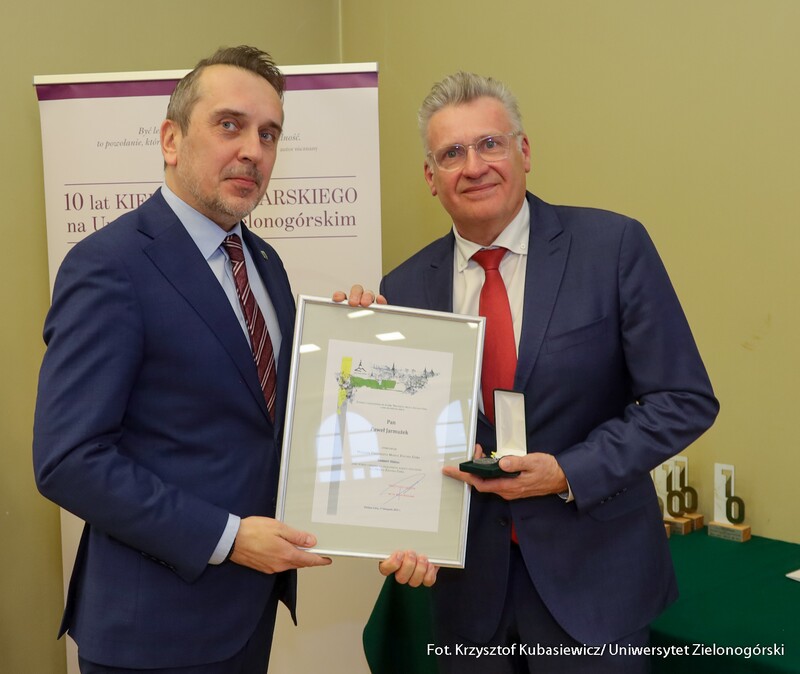
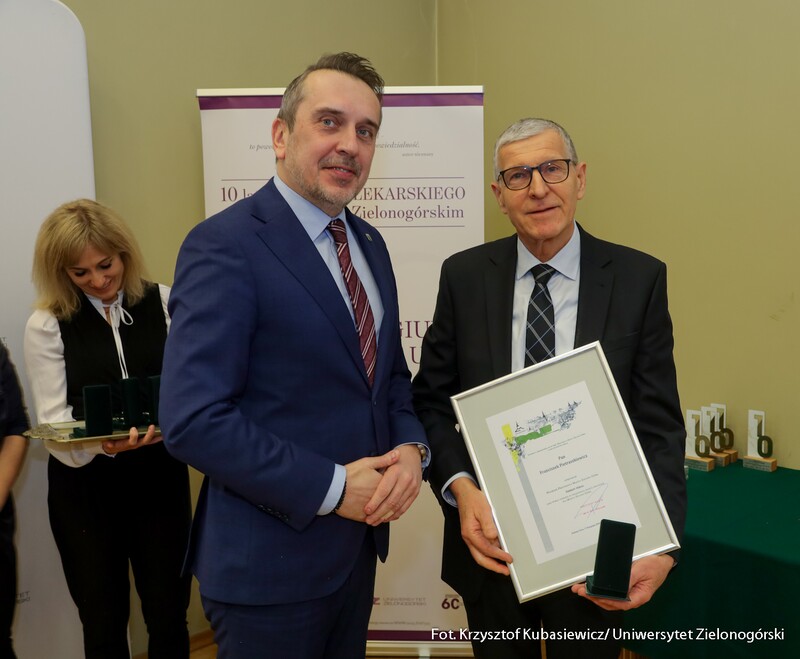
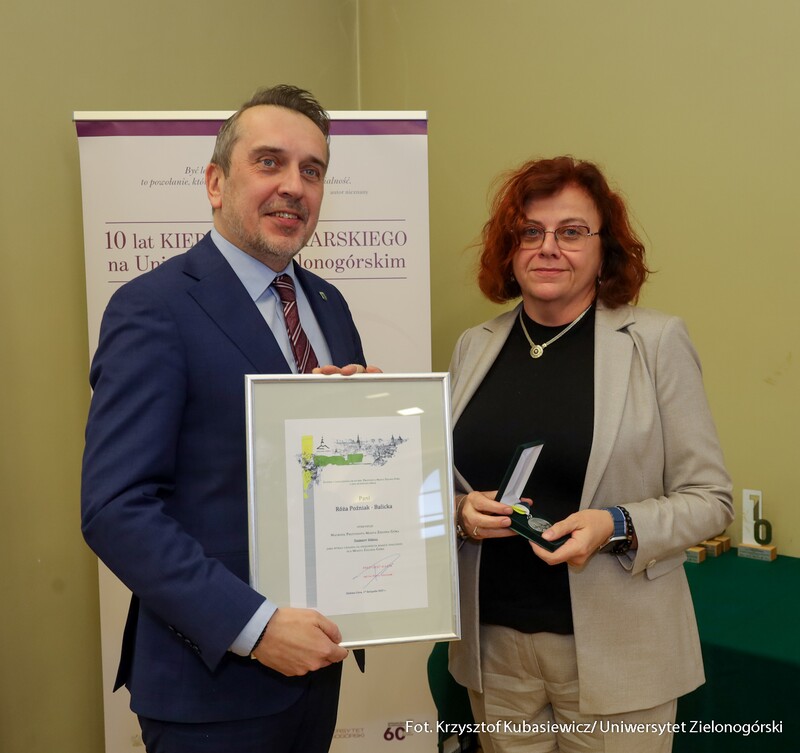
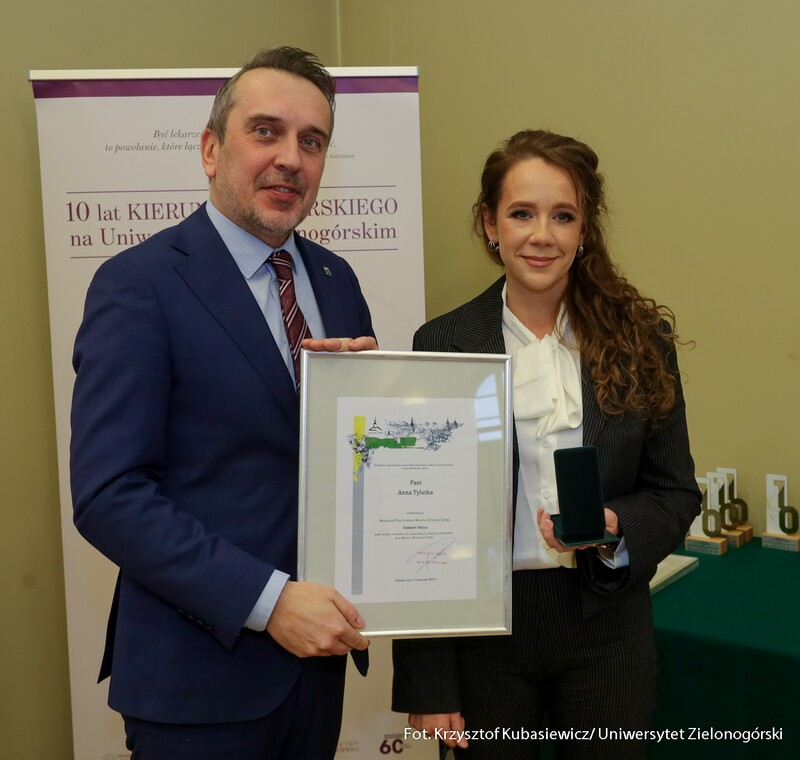
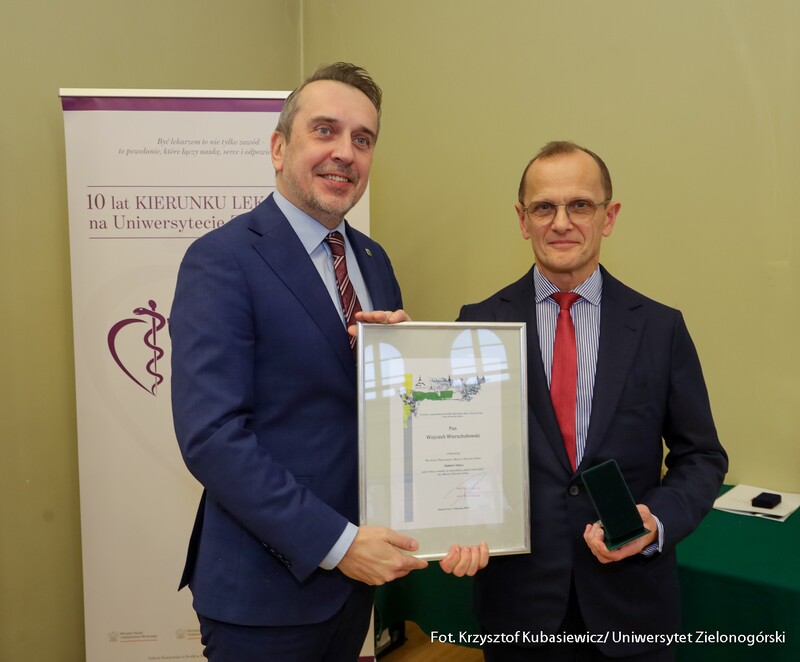
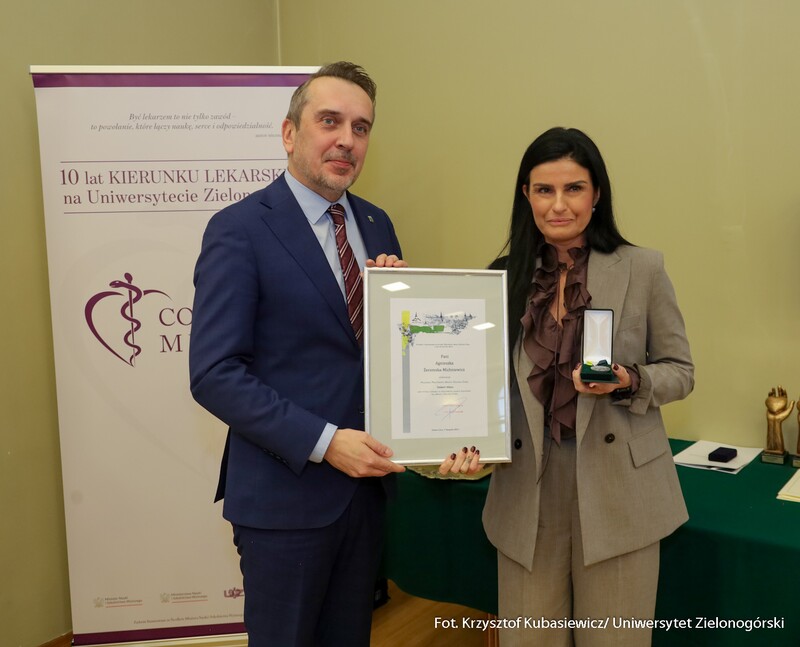
The Mayor of Zielona Góra, Marcin Pabierowski, also awarded medals for contributions to the development of the Medical Programme. The Gold Medal was presented to Dr. Marek Działoszyński. Silver Medals were received by Dr. Hab. Paweł Jarmużek, Prof. UZ; Dr. Franciszek Pietraszkiewicz; Dr. Róża Poźniak-Balicka; Dr. Anna Tylutka; Dr. Wojciech Wierzchołowski; and Agnieszka Żeromska-Michniewicz, Head of the Medical Simulation Centre at Collegium Medicum.
Science for the Future
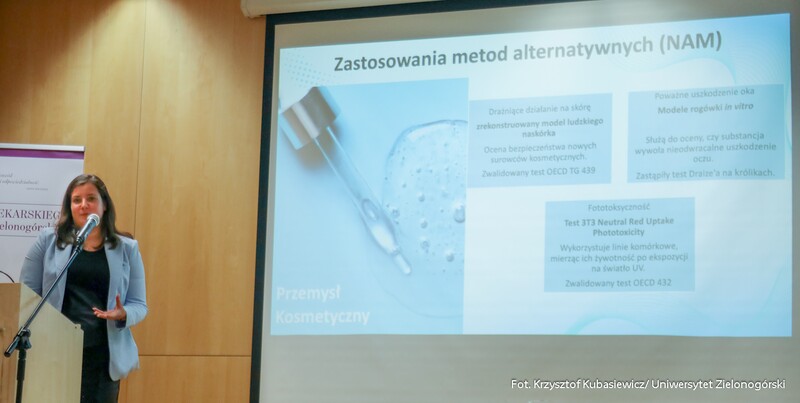
On the second day of the celebration, students attended a popular-science lecture at the University Library delivered by Prof. Michał Wszoła and Dr. Marta Klak on the topic of the bionic pancreas and the future of transplantation. As explained by Prof. Emilian Snarski, Director of the Institute of Medical Sciences:
“We know that donor organ shortages remain a global challenge. The bionic pancreas offers a solution. We are talking about organ bioprinting using living cells and 3D technologies. If successful, this will be the first large 3D-printed organ prepared for transplantation. It is a breakthrough in modern medicine.”
Currently, around 650 students are enrolled in the Medical Programme at the University of Zielona Góra.