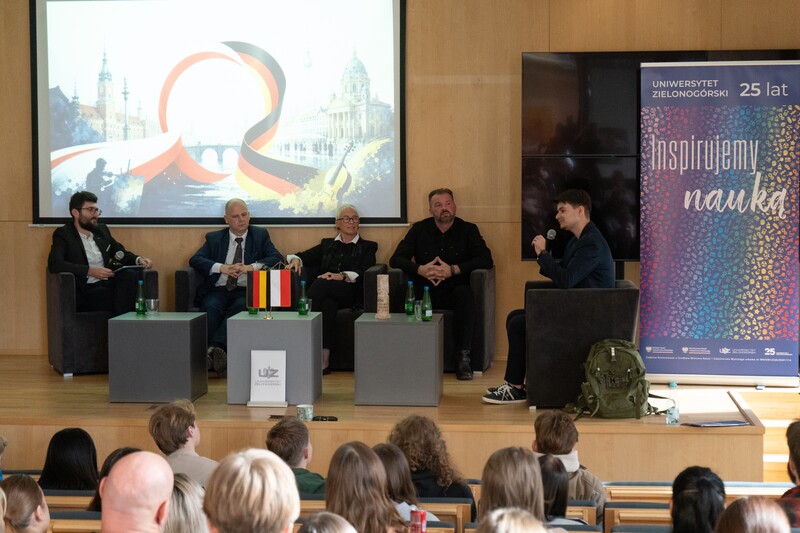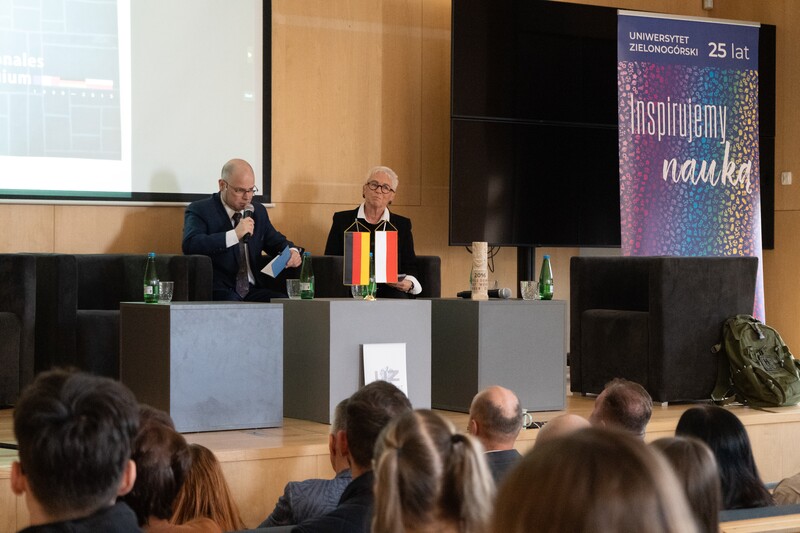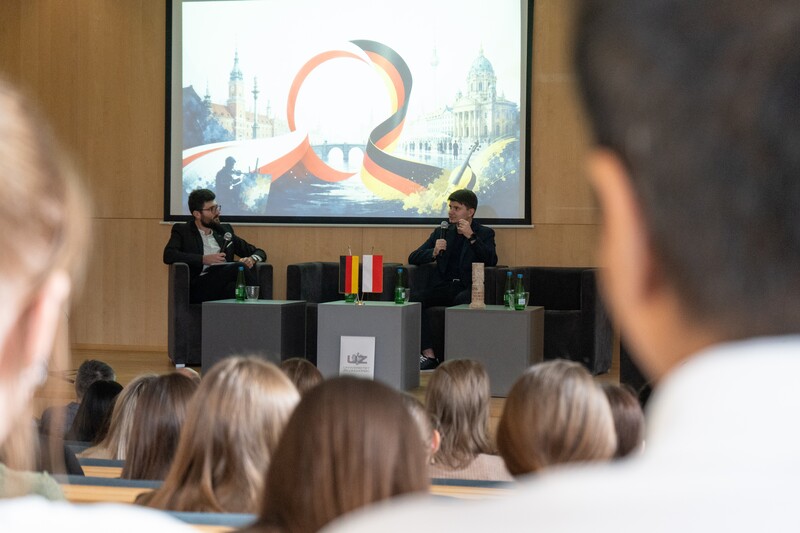
The second meeting of the 14th Polish-German Days, organised at the University of Zielona Góra, is now behind us. The discussions, involving invited experts, were devoted to what connects us with German-speaking countries, drawing on both historical experiences and contemporary perspectives. The special guest of the event was Łukasz Kazek, a populariser of the history of border regions.
During the discussions and conversations, participants sought to answer several questions: What currently connects societies on both sides of the border? Which elements of our shared heritage have endured, and which continue to spark debate and require reinterpretation? The event also provided an opportunity to present joint initiatives. One of them is the trilateral colloquium organised by the University of Zielona Góra since the 1990s.
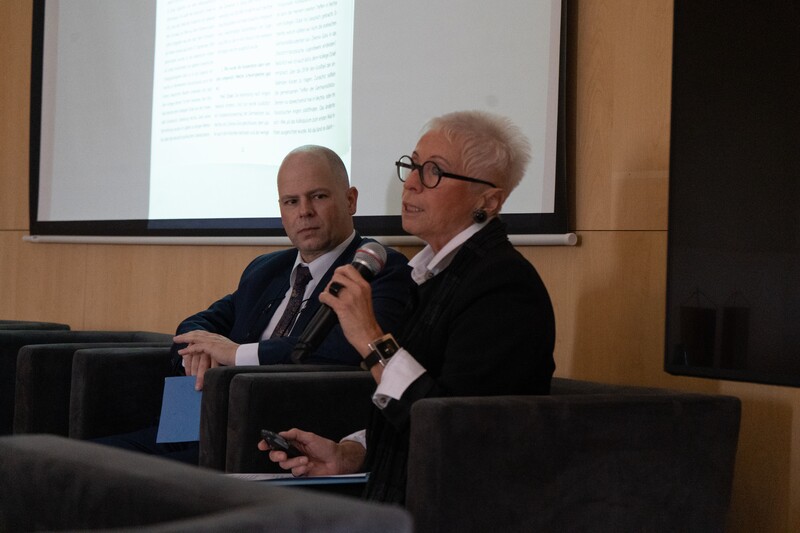
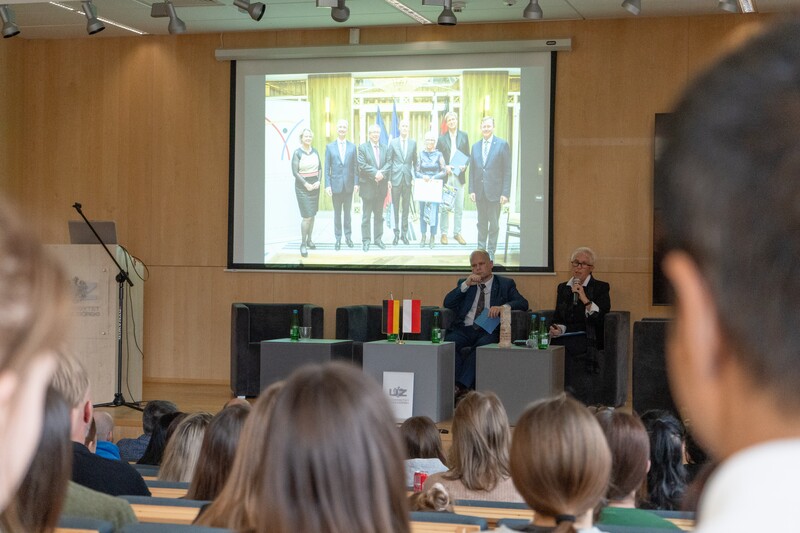
Marek Biszczanik, PhD, DSc, Professor at the University of Zielona Góra from the Institute of German Studies, and Lilianna Sadowska from the University Language Centre spoke proudly about the project: “More than 30 years of activity is no small achievement. Students have changed, while we are still here and the project continues. This is very important because it allows us to stay together. It is created by us, as people and as representatives of different groups. We learn from one another, drawing on each other's knowledge and experience. At the same time, we share our own values, history and experiences. This is the most valuable thing we can offer. We are building integration. These are meetings, conversations and trips, but above all, they are about dedicating time to one another. We are proud that this project continues to grow and endure,” concluded Lilianna Sadowska.
The discussion focused on cultural relations between Poland and German-speaking countries. Participants reflected on history, as well as on contemporary relations between the countries. One of the panellists was Daniel Janusz, a history student and representative of the “Thalloris” Historical Society at the University of Zielona Góra, who explained why conversations about these relations are important: “History is a wonderful field of study through which we can learn about our past. By looking at it from this perspective, we can draw conclusions and avoid repeating certain mistakes made by previous generations. Meetings like this are an excellent opportunity to discuss and exchange views, because many conflicts arise when certain matters are overlooked or left unspoken. Dialogue and open discussion are the path to healthy and equal partnerships.”
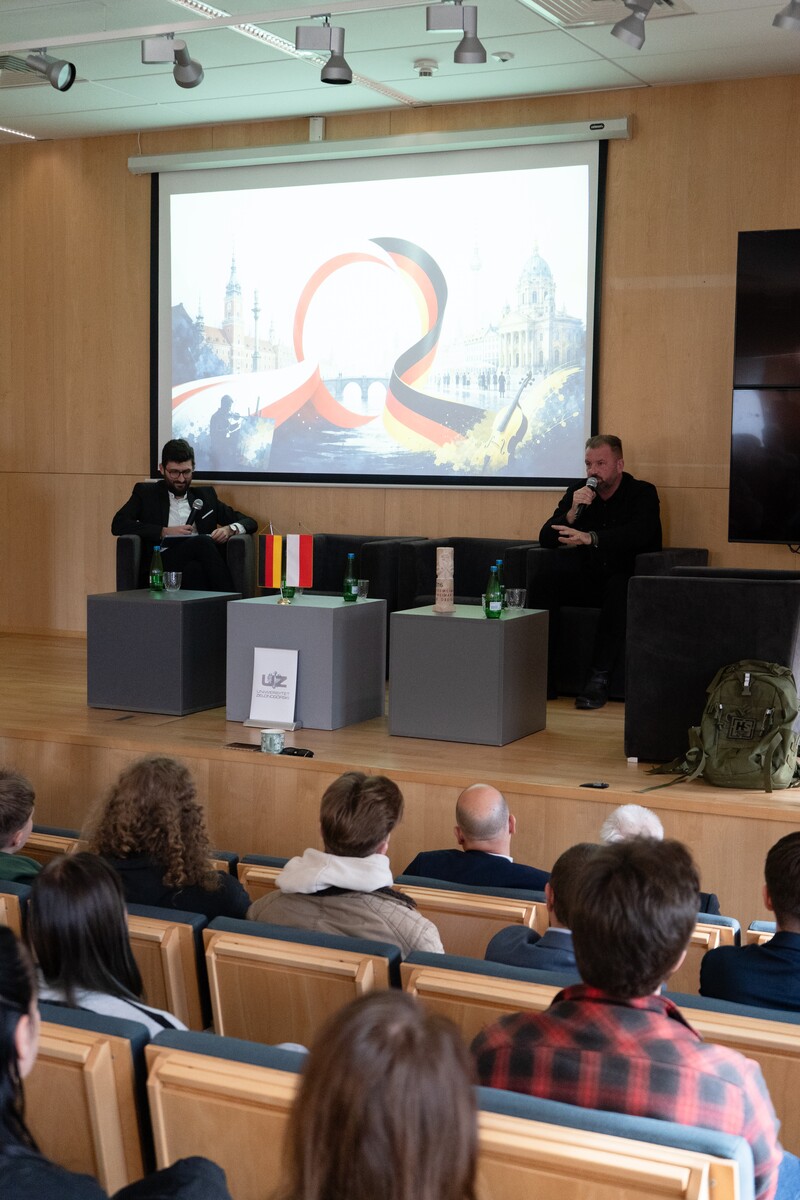
An important and particularly engaging part of the event was the meeting with Łukasz Kazek, historian, populariser of history and creator of the History Story channel. The speaker shared his experiences of talking to residents of the border region who had lived through the Second World War. His work is also an excellent example of how curiosity and attempts to revisit events from the past help shape our present-day identity.
“I came across old newspapers from the 1990s, the ones that published the stories of the first residents of Zielona Góra after the war. It was a remarkable collection of stories that later inspired the episode ‘A City After the Germans’ on my channel,” said Łukasz Kazek.
He also stressed:
“Let us judge people by their character, not by their nationality. Not by their social status, skin colour or religious beliefs. There is no inherently bad nation, nor a holy one. There are only good people and bad people, and that is the fundamental idea that should guide us.”
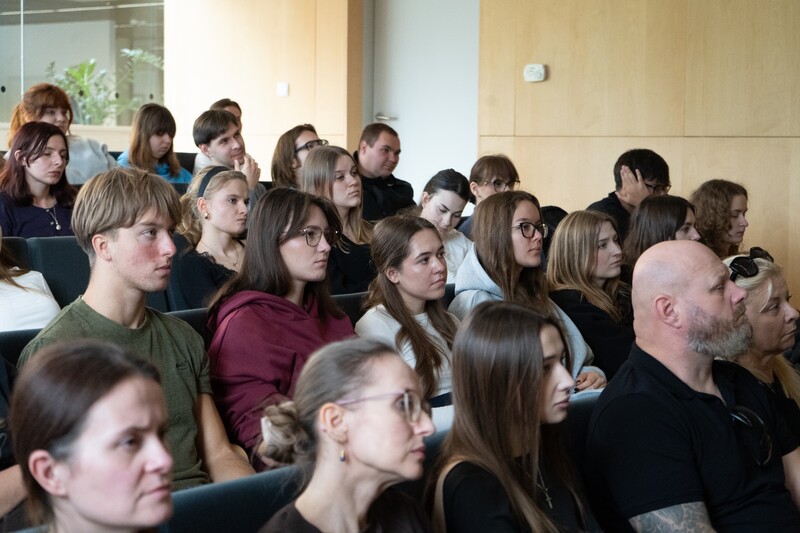
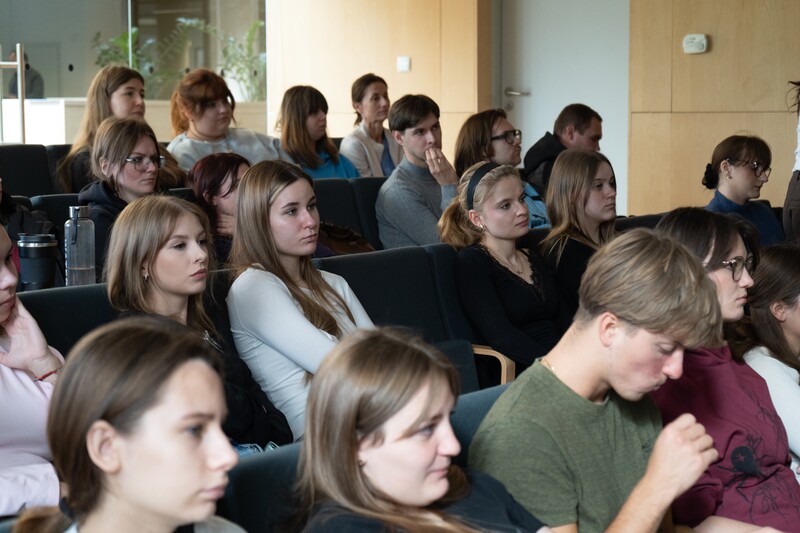
The meeting concluded with questions from the audience, which consisted largely of students from the University of Zielona Góra.