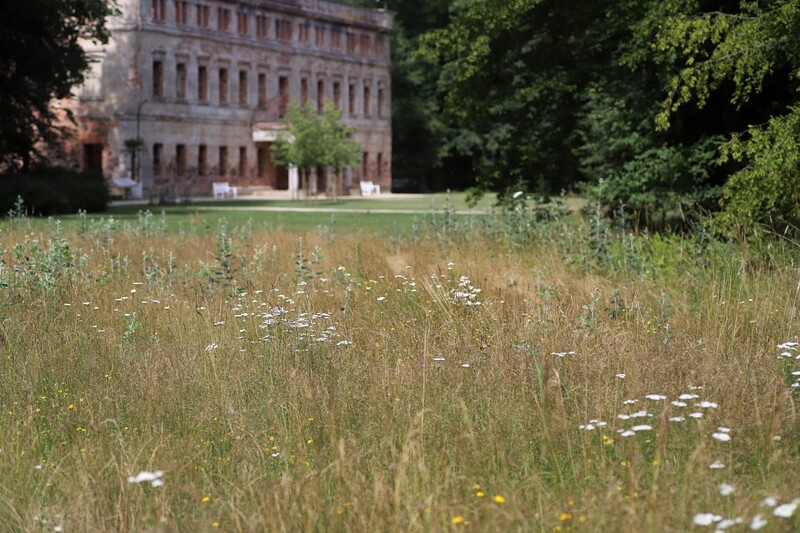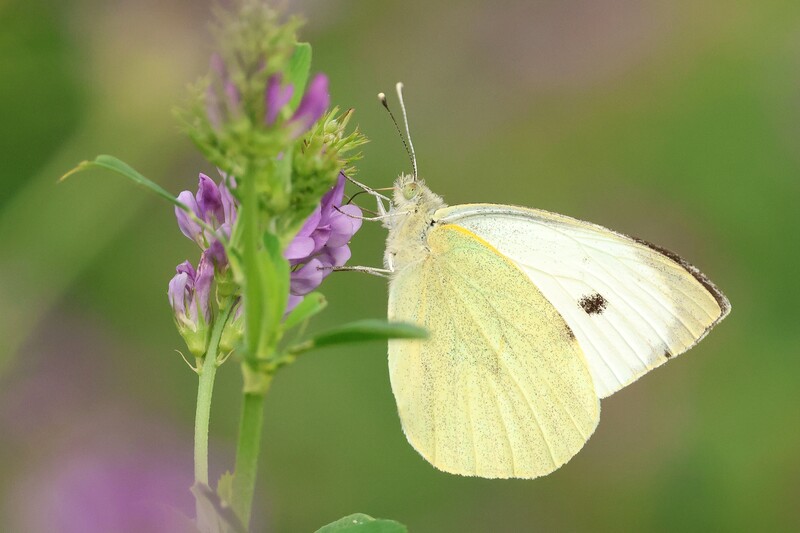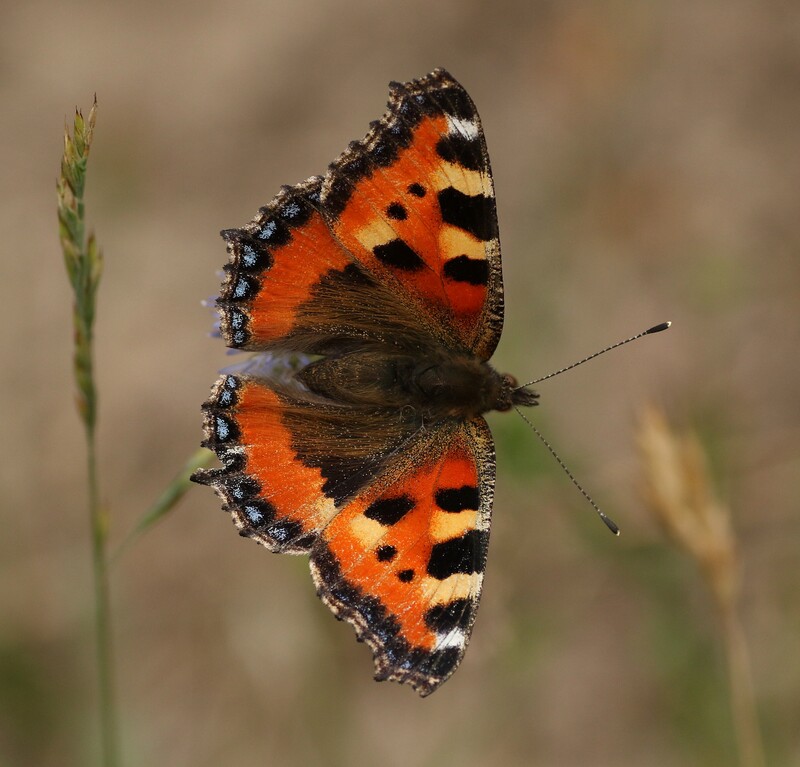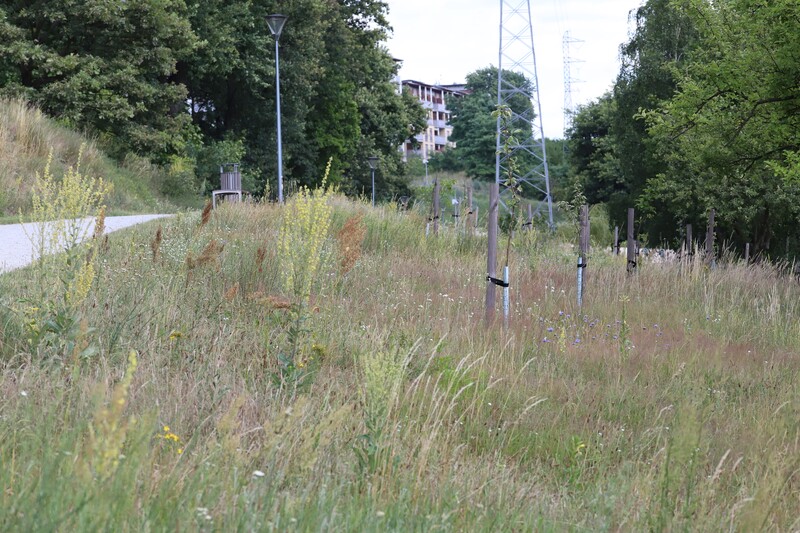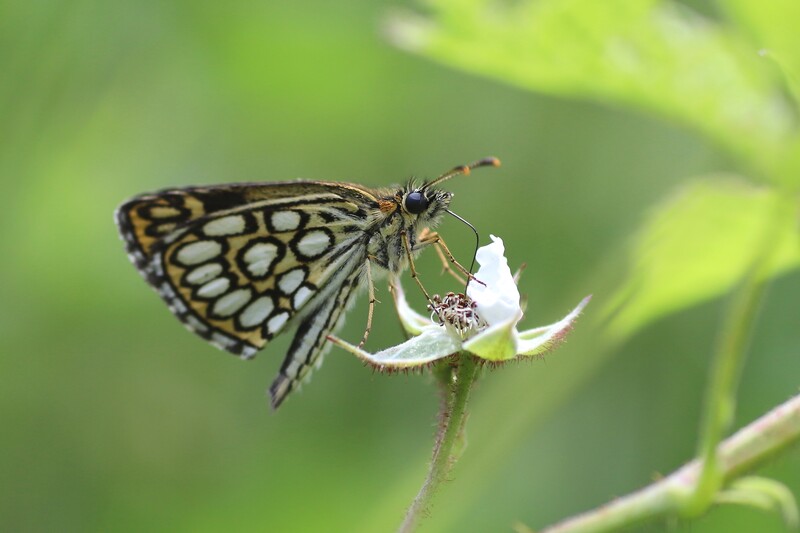
Researchers from the University of Zielona Góra have closely examined diurnal butterflies, revealing that more than 68 species inhabit the city alone. These insects can be found not only in forests and on the outskirts of the city, but also in parks, green squares, and even within densely built urban areas.
Experts emphasize that in the era of climate change and intensive urbanization, regular butterfly monitoring is becoming one of the key tools for assessing transformations occurring in the natural environment. In response, researchers from the University of Zielona Góra have prepared a scientific monograph entitled “Atlas of the Distribution of Diurnal Butterflies of Zielona Góra.” The publication, which is the result of long-term research conducted between 2017 and 2024 by a team from the Institute of Biological Sciences at the University of Zielona Góra and their collaborators, describes in detail where these colorful insects live and how they adapt to an increasingly urbanized landscape.
“Across nearly 200 pages, readers will find the most up-to-date data on the occurrence of diurnal butterflies within the administrative boundaries of Zielona Góra. The atlas adopts a modern format, combining traditional distribution maps with comparative analyses referring to similar studies conducted in other Polish cities. It is not merely a catalogue of species, but also a narrative about the city as seen through the eyes of insects. Diurnal butterflies are not only an aesthetic element of the landscape; they are bioindicators of environmental quality, and their presence or absence reveals much about the state of nature,” explains Alicja Dubicka-Czechowska from the Doctoral School of Exact and Technical Sciences at the University of Zielona Góra, co-author of the atlas.
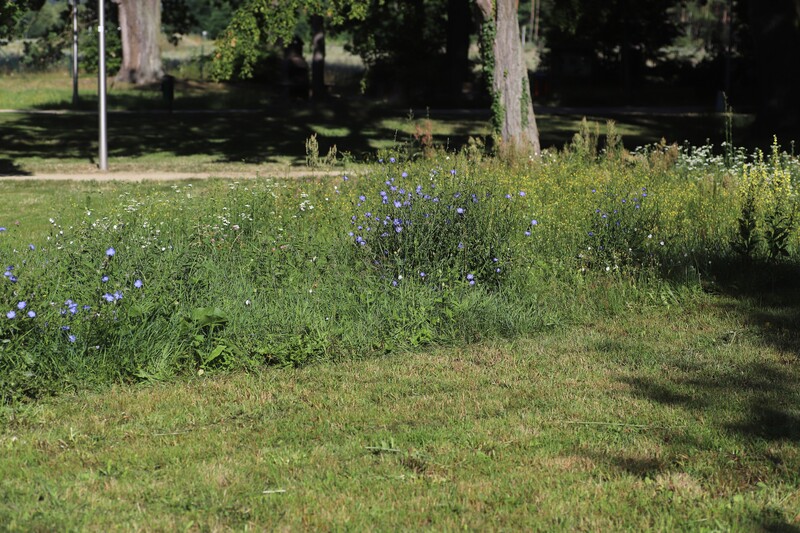
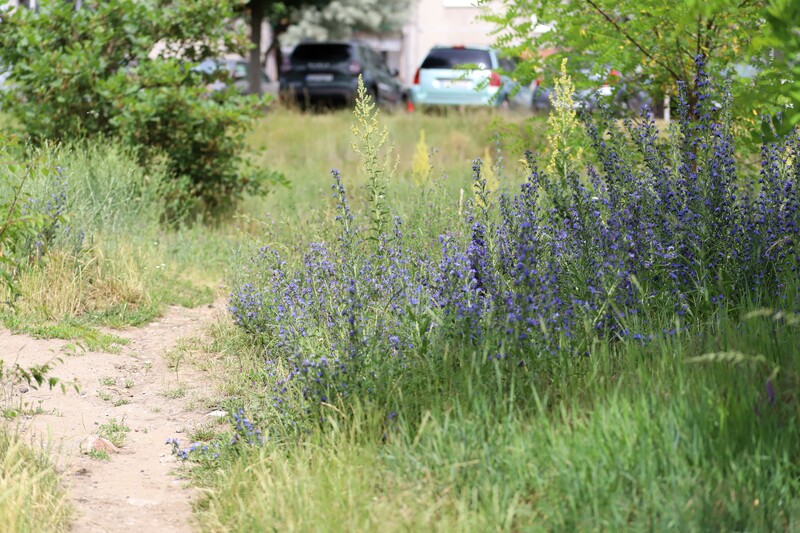
The authors highlight the significant role played by urban green spaces—such as parks, wastelands, cemeteries, and residential greenery—in butterfly conservation, as well as how planning decisions may influence the preservation of urban biodiversity. The publication also underscores the importance of observations made by local residents.
“Even a single, spontaneous encounter with a butterfly may hold scientific value and contribute to a better understanding of species distribution. In the context of climate change and rapid urbanization, systematic butterfly monitoring becomes one of the key tools for assessing environmental change. The Atlas of the Distribution of Diurnal Butterflies of Zielona Góra is a book intended not only for researchers and students, but also for nature enthusiasts, teachers, urban planners, and all residents interested in discovering how many butterfly species live right beside us. It is an invitation to look more attentively at the city—and to take shared responsibility for its winged inhabitants,” adds Dr Paweł Czechowski from the Department of Tourism and Recreation at the University of Zielona Góra, co-author of the publication.
The book has been published by Bogucki Scientific Publishing House in cooperation with the Nature Conservation League – Zielona Góra Branch, with the support of Polenergia S.A., the PGE Foundation, and the Przytok Forest District.
Link to the book:
https://www.researchgate.net/publication/400025561_Atlas_rozmieszczenia_motyli_dziennych_Zielonej_Gory