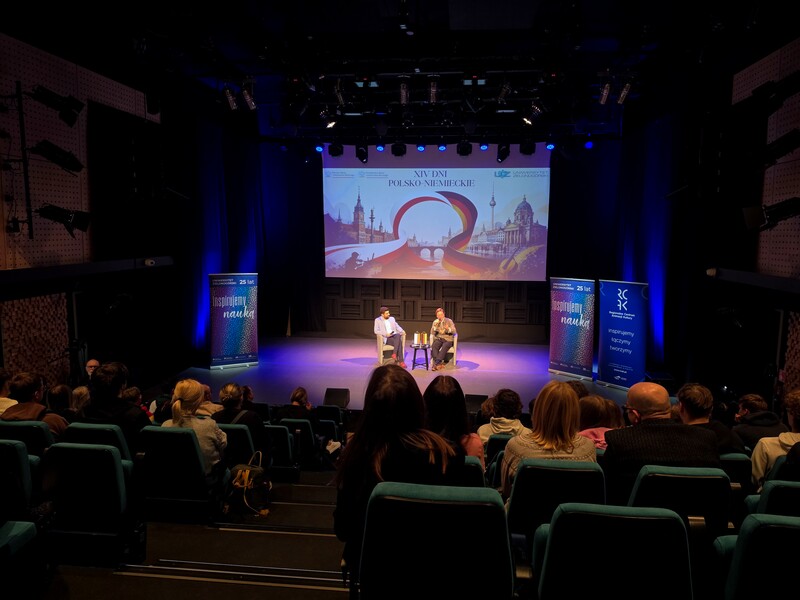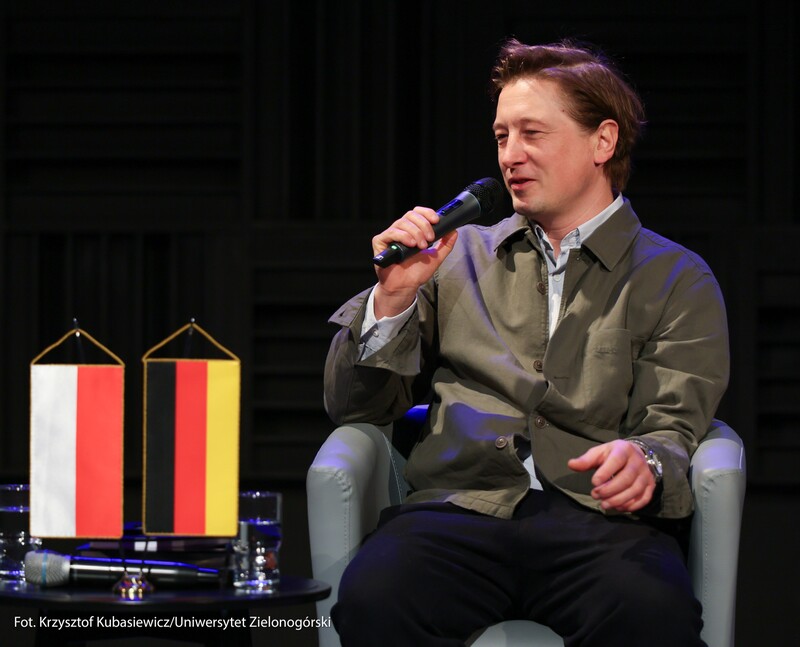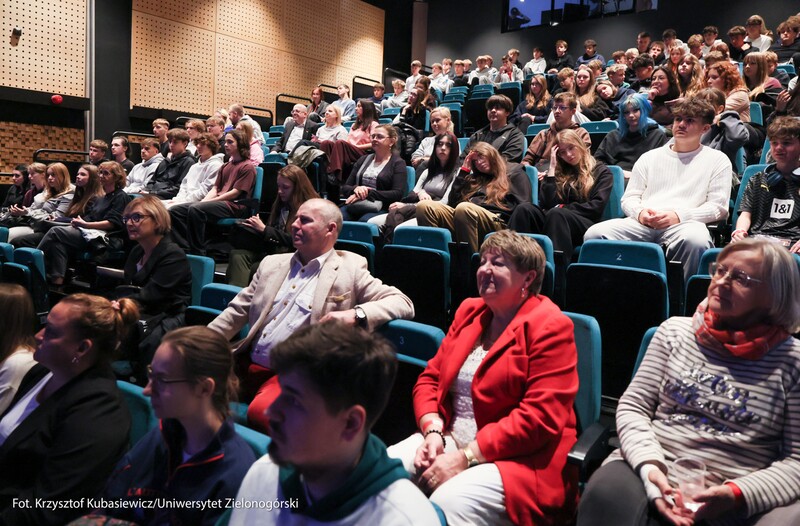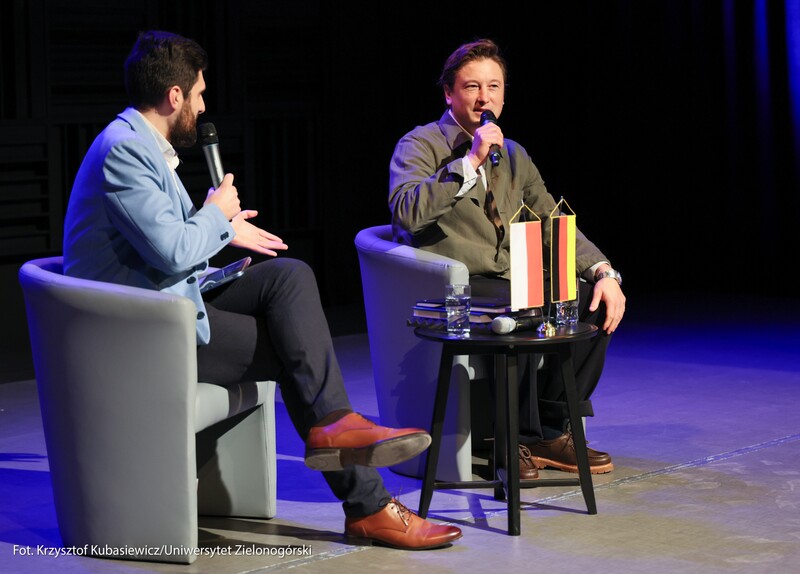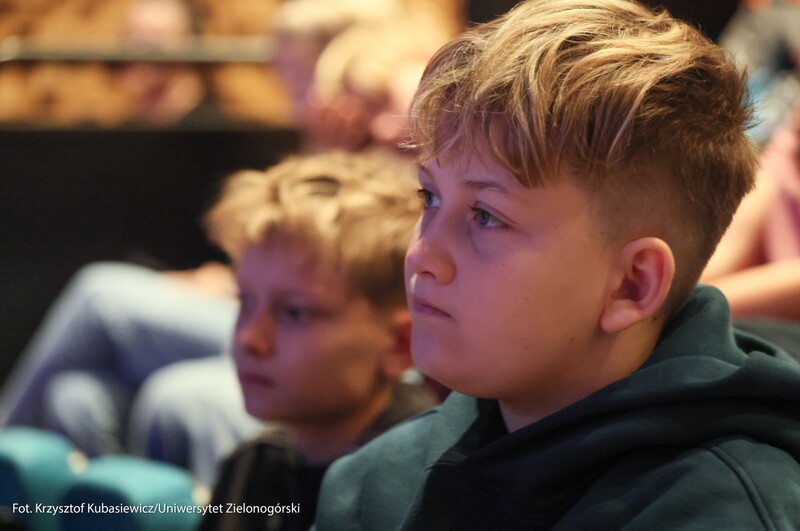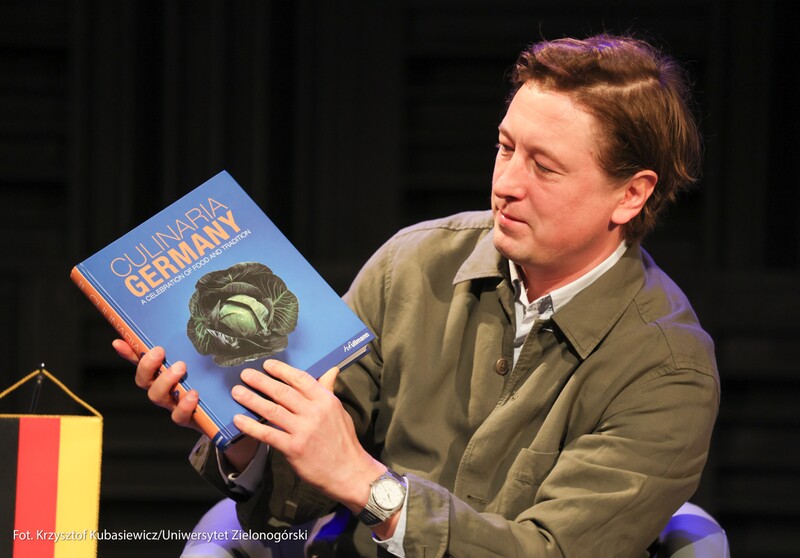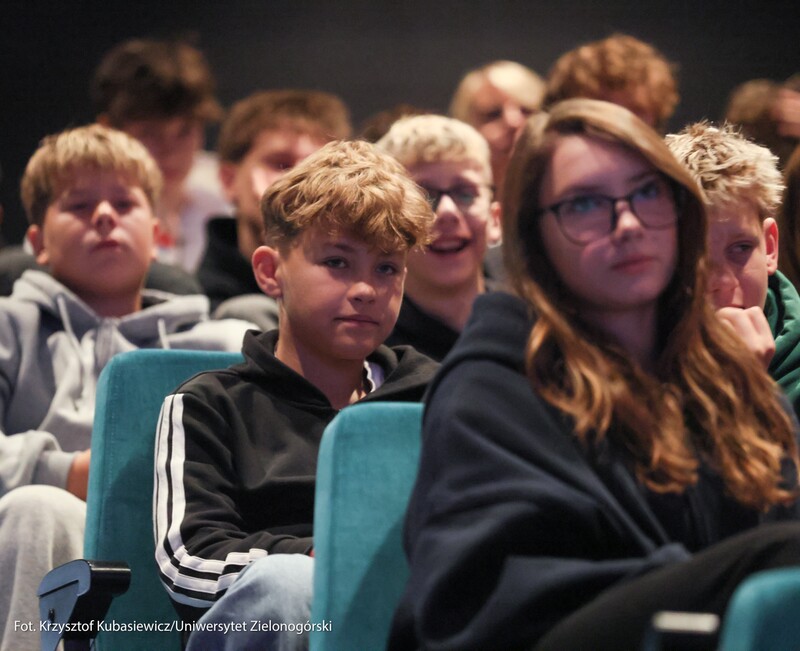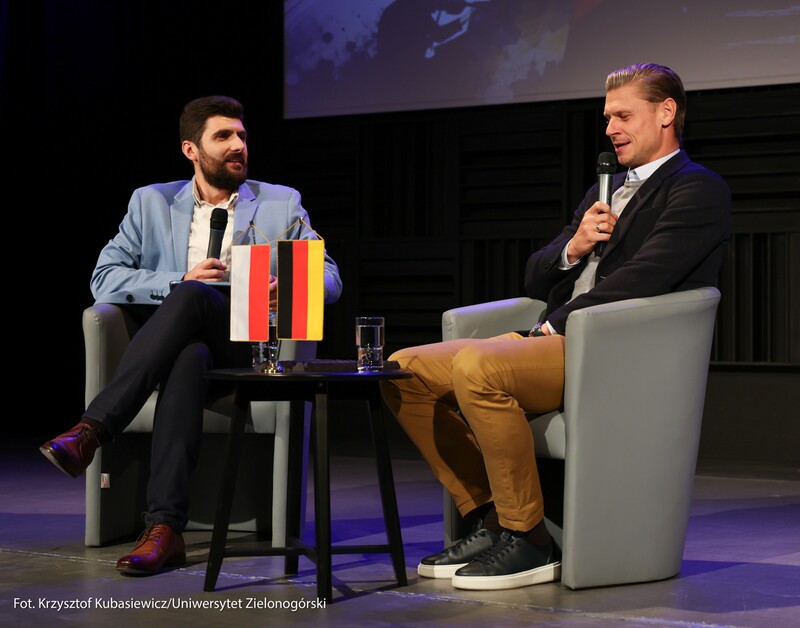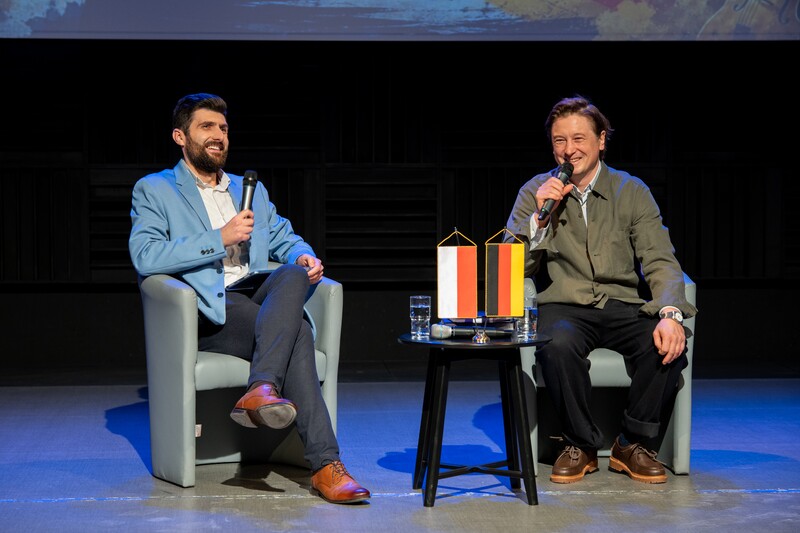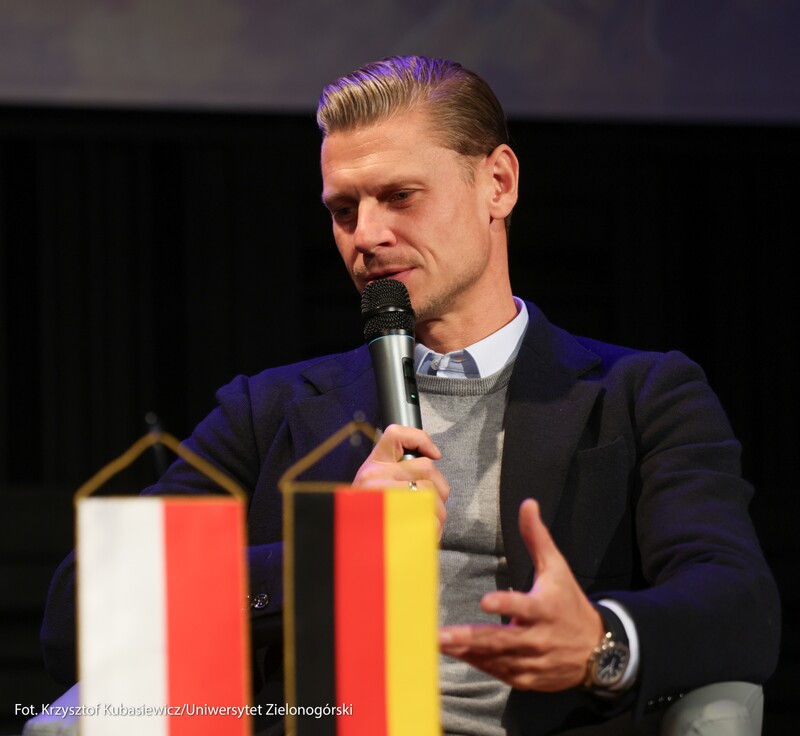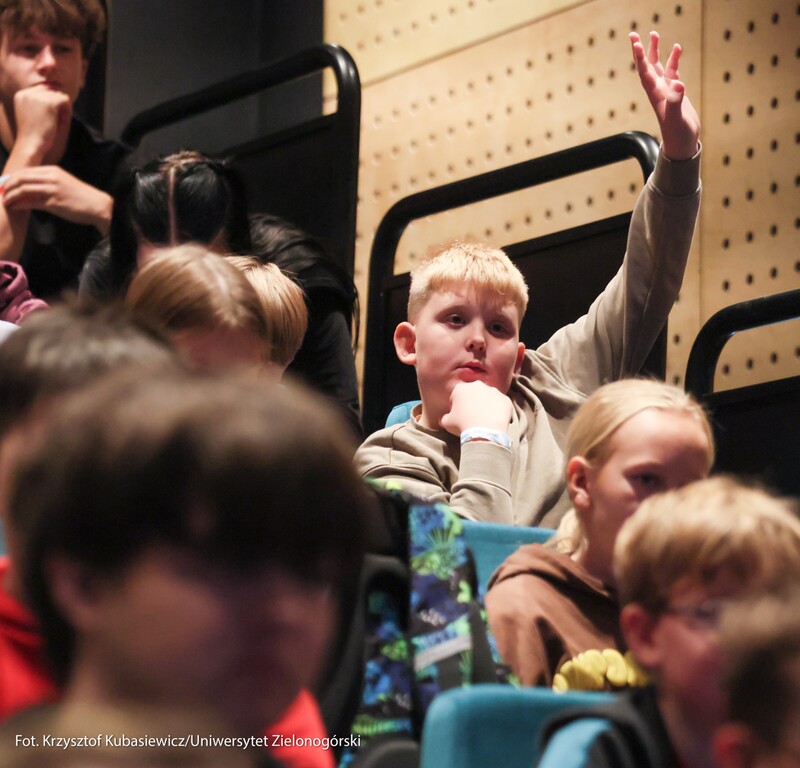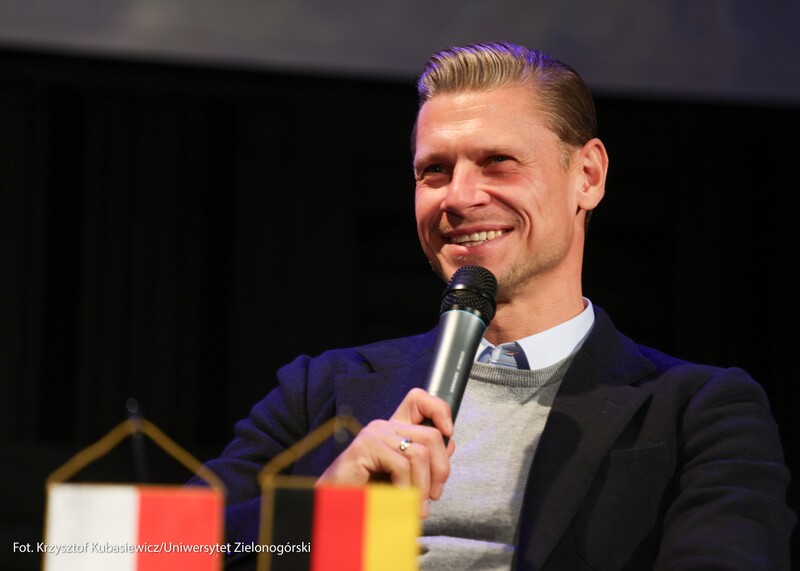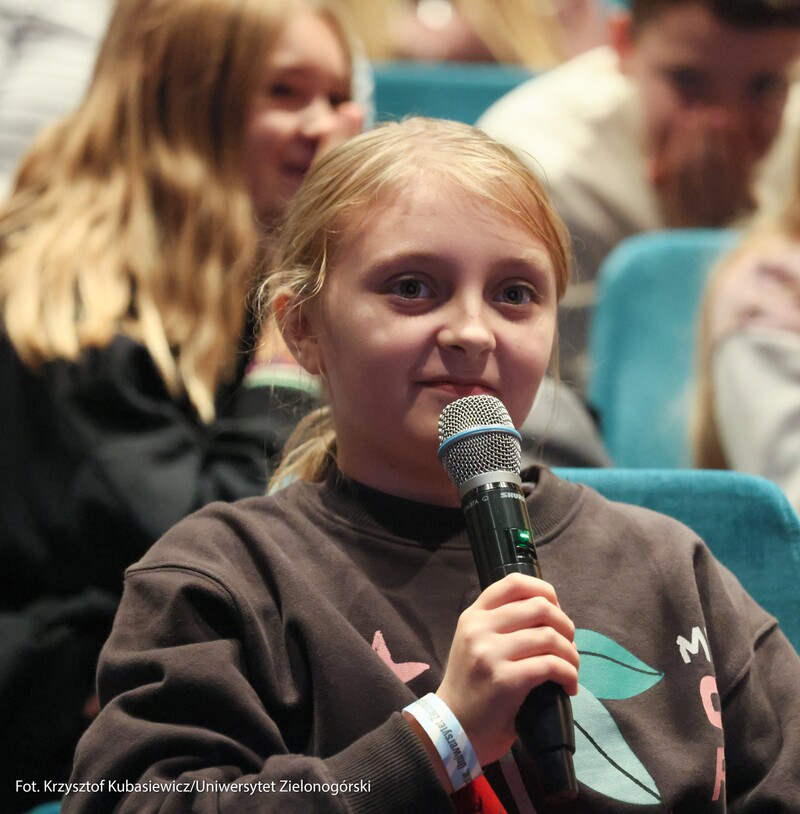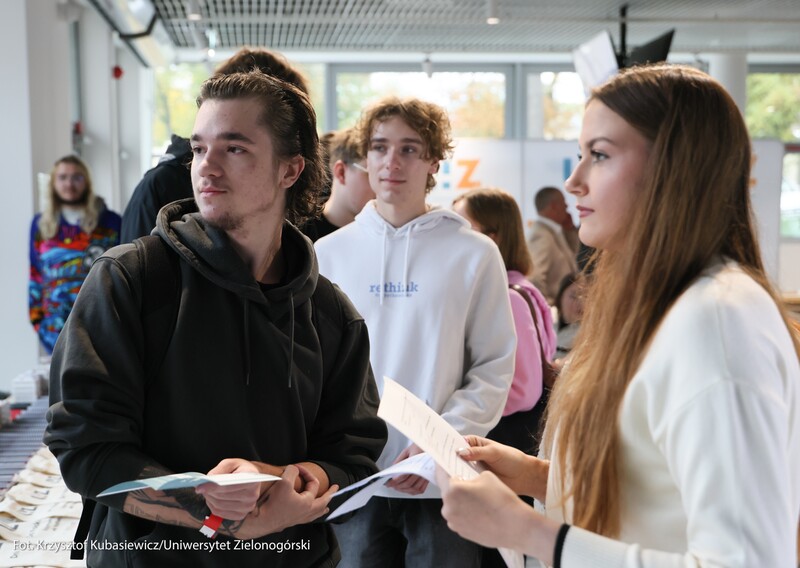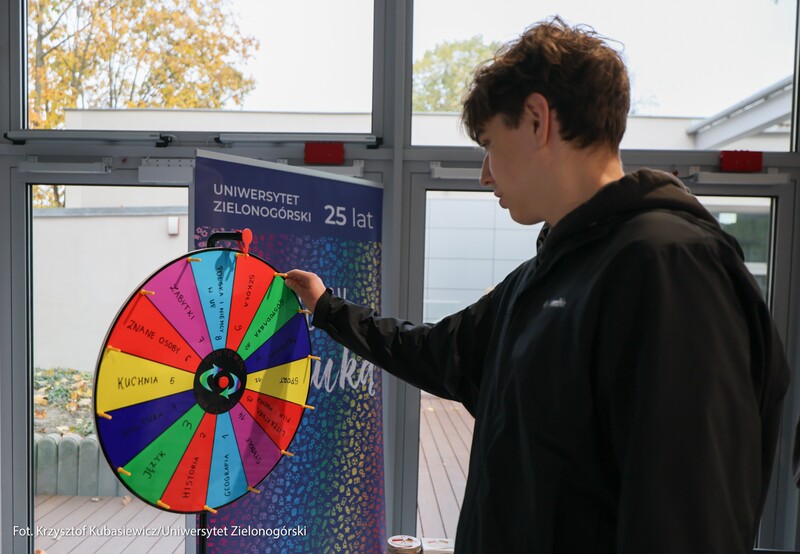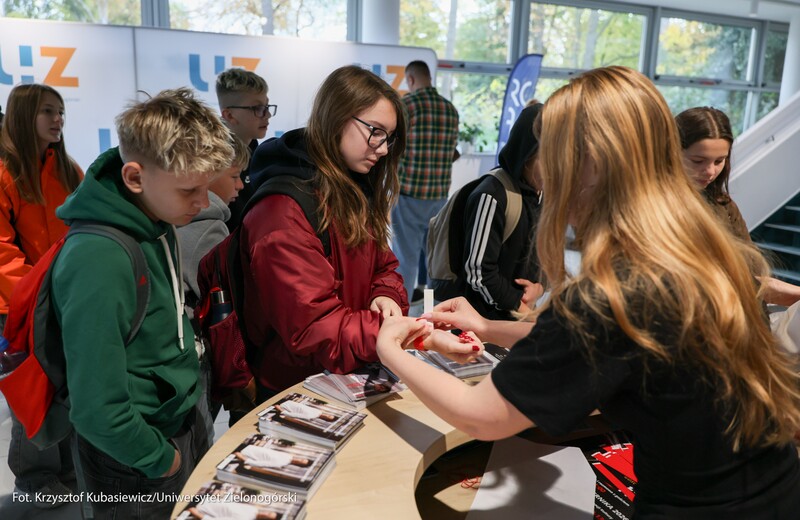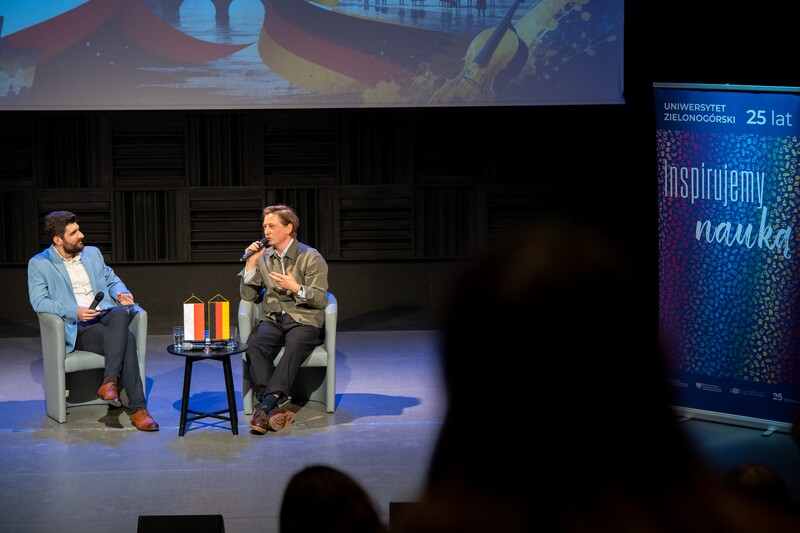
The 14th Polish-German Days at the University of Zielona Góra are being held under the motto “Trzymamy się razem – wir halten zusammen” (“Standing Together”). One of the events took place on 19 October at the Regional Centre for Cultural Animation (RCAK). The meeting took the form of an open, interactive event, with direct cultural experiences playing a key role through cuisine, conversation and shared participation.
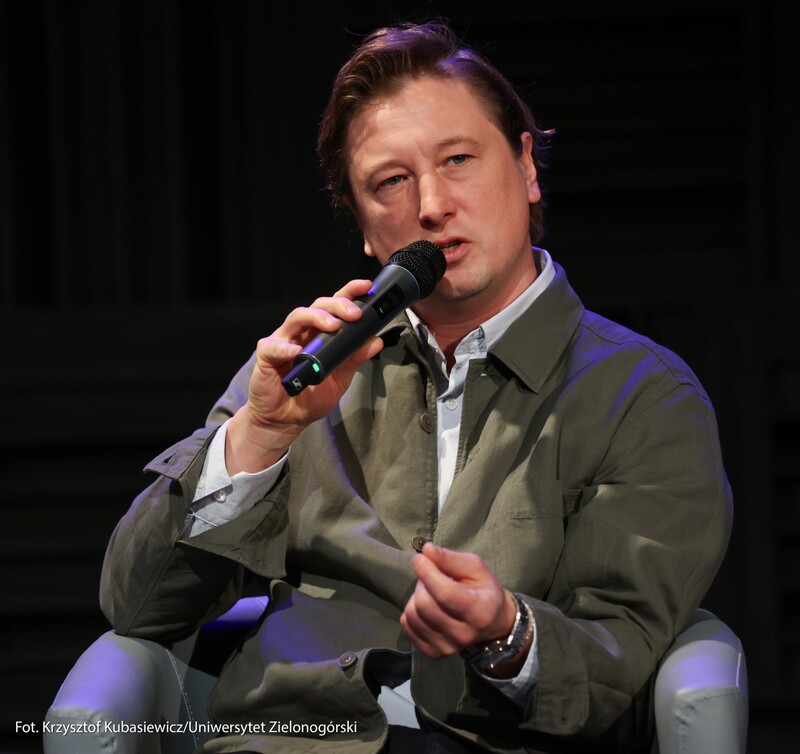
One of the focal points of the meeting was an exploration of culture and identity through the lens of cuisine. According to Grzegorz Łapanowski, culinary identity is shaped primarily at home.
“It is something that is passed on to us by our parents and families. To some extent, it is also shaped by the culture that surrounds us, sometimes through architecture or local shops. Today, this presents a considerable challenge, as we live in a highly globalised world, very different from the one our grandparents knew.
Today, identity is dual in nature. On the one hand, we are Poles and residents of Zielona Góra. On the other hand, we are global citizens who appreciate good pizza and can distinguish between different types of ramen. One could say that we are living through a period of change. The reality around us is evolving, and we do not yet know where it will lead.
Nevertheless, I believe it is a fascinating moment. At the same time, we must remember the importance of preserving local traditions and identity. The uniqueness of a particular region makes it attractive. The better we care for and develop our local traditions, stories and products, the more attractive we become as a tourist destination. This is important both from an economic and a cultural perspective,” emphasised the Polish chef and food journalist.
The proximity of the border also encourages people to seek employment with Poland’s western neighbours. Łukasz Piszczek, who spoke about his experiences after joining a German football club, shared his perspective on building a career without borders.
“Moving away on your own is certainly not easy for anyone. Every young athlete who changes their environment has to cope, among other things, with loneliness. At the age of fourteen, I moved to a boarding school in Zabrze, which was my first major transition. I had always lived at home, and suddenly I had to manage on my own among my teammates. Later came Zagłębie Lubin and the first months spent living in a hotel. That was when the first moments of doubt appeared. However, my passion for football prevailed. You simply have to get used to a new environment. If you find yourself in a good group and work with a good coach, it certainly becomes easier to overcome those challenges. There is also the matter of professional language. At the beginning, there were some minor difficulties, but fortunately football has its own universal language, and you simply need to understand what is happening on the pitch. A good player will always be able to communicate with another good player. We may speak different languages in everyday life, but what matters most is understanding the language of football. When that works, everything else falls into place.”
The importance of international cooperation and interaction with people from different cultures was also highlighted by Julia Kowalczykiewicz from the International Relations Office of the University of Zielona Góra.
“In my daily work, I support incoming students, and I have experience in meeting people from different cultural backgrounds. I believe this is extremely important above all for personal development and for developing a global perspective. It also helps foster a sense of being European. These experiences will be valuable in the future. The world is changing rapidly, people travel extensively, and cultures increasingly interact and blend. As far as Poland and Germany are concerned, we live in a border region. Our cultures overlap and are becoming ever more interconnected.”
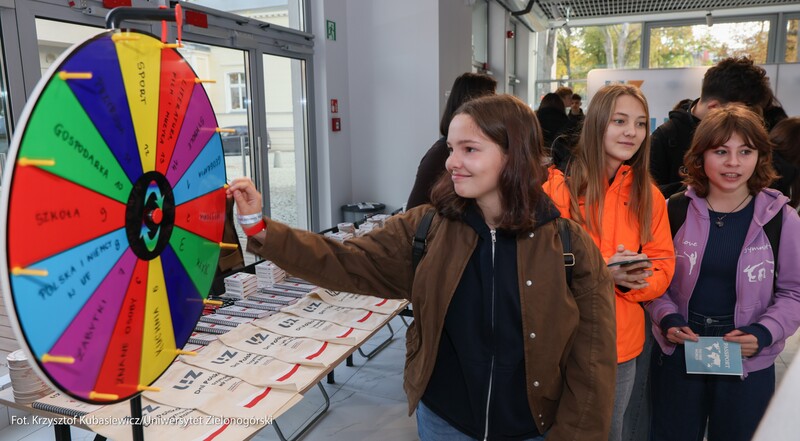
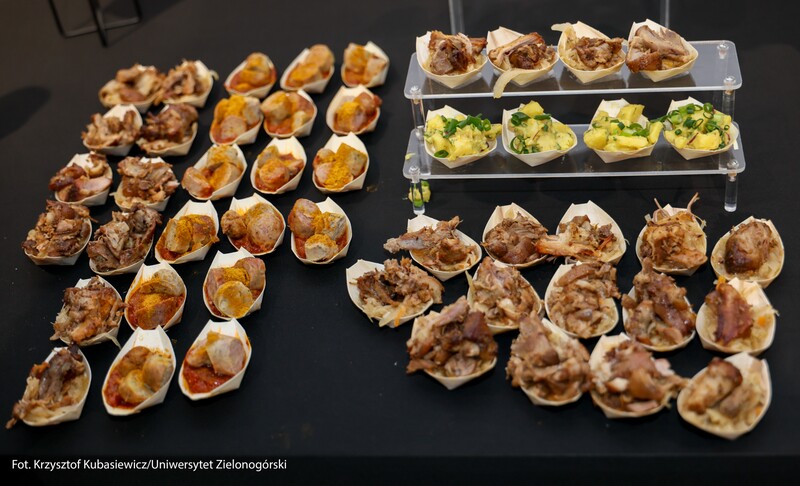
The event at RCAK also provided an opportunity to experience flavours from German-speaking countries. Participants enjoyed a special “Flavours Without Borders” zone, while the “Quizzes and Competitions” zone offered additional attractions.
The next event of the 14th Polish-German Days at the University of Zielona Góra will take place on 29 October. Participants are invited to an evening filled with music, theatre and stage performances, showcasing the creativity of different generations and communities. The event will demonstrate how art brings people together across borders, reflecting the spirit of Polish-German dialogue and cooperation.