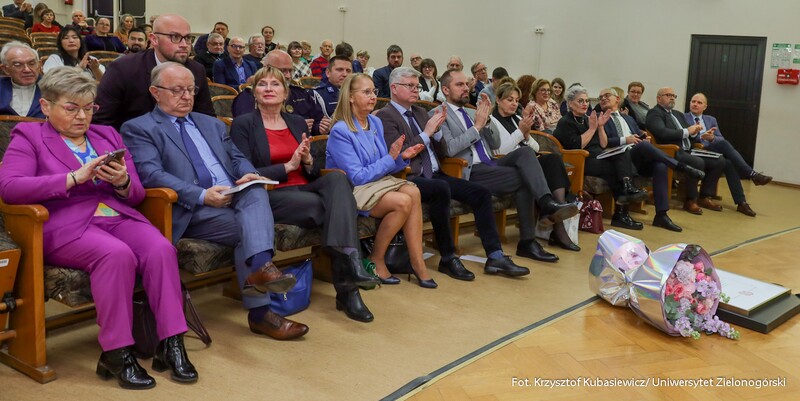
Under the motto “Society, Administration, Heritage – 80 Years of the Lubusz Land”, a conference summarising eight decades of the region’s history since the end of World War II was held on 10 December this year. The anniversary also provided an opportunity to honour individuals who have made outstanding contributions to the preservation and study of local history.
The aim of the event was to present key social, administrative, cultural and educational processes that have shaped the contemporary identity of the region. Expert presentations addressed, among others, the beginnings of Polish administration in the Lubusz Land after 1945, the formation of post-war society, the protection of cultural heritage and the role of monument conservators, as well as the development of higher education and contemporary regional culture.
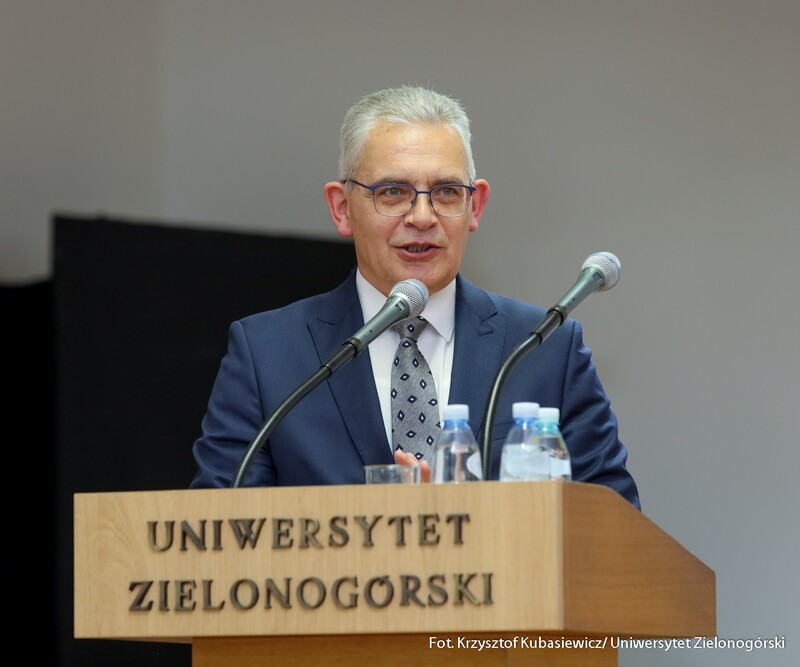
The conference was opened by the Rector of the University of Zielona Góra and historian, Prof. Wojciech Strzyżewski, PhD, DSc, who emphasised the importance of regional studies:
“Regional research has always been a fascinating area for every historian. Regional history builds general history. Without these ‘small histories’, there would be no great events. But the relationship also works the other way around – major historical processes influence local history.”
As noted by Prof. Marceli Tureczek, PhD, DSc, Director of the Institute of History at the University of Zielona Góra:
“This conference highlights the fact that we have been here in western Poland for only 80 years. Gradually, something we call local identity is emerging. Despite criticism directed at the region, it has existed for many years in various administrative forms – the Zielona Góra Voivodeship, the Gorzów Voivodeship, the Zielona Góra–Gorzów Voivodeship, and now the Lubusz Voivodeship. This meeting is an opportunity for reflection, but also for discussion about the future of the region. It is a region facing many challenges, including demographic ones – it is sparsely populated, which affects economic development and growth opportunities. Talking about the region in such a broad context is undoubtedly important.”
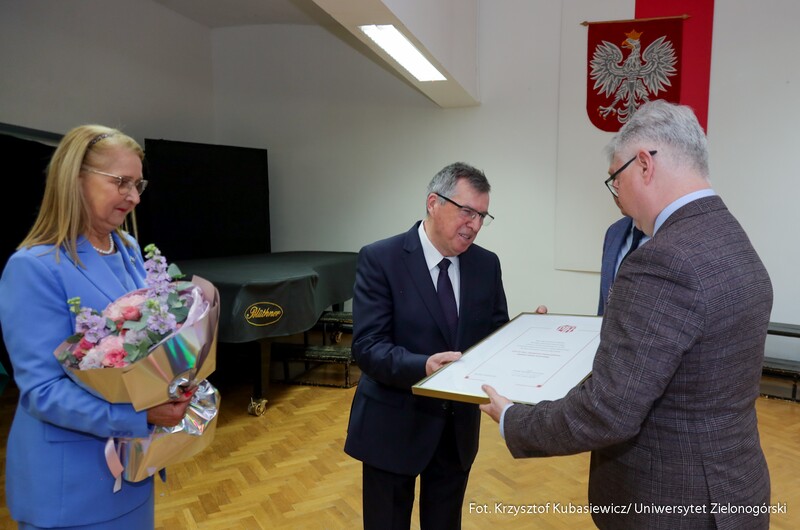
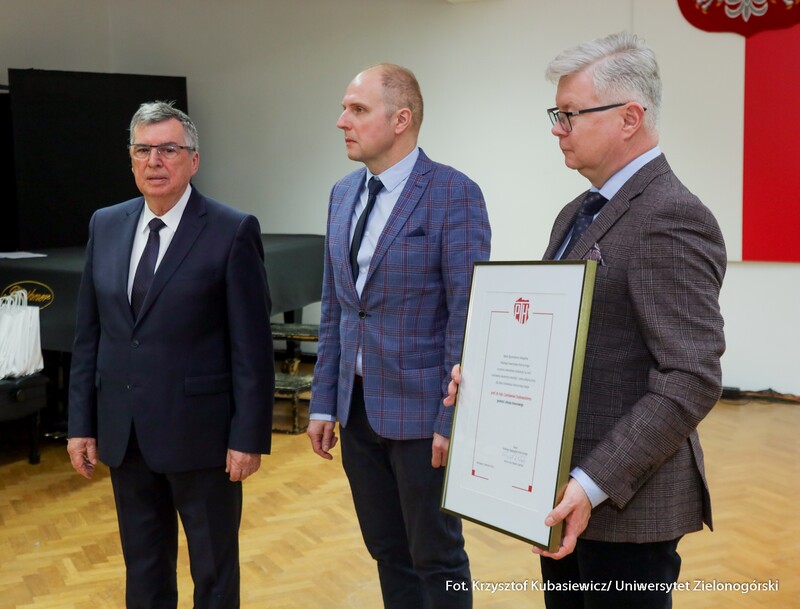
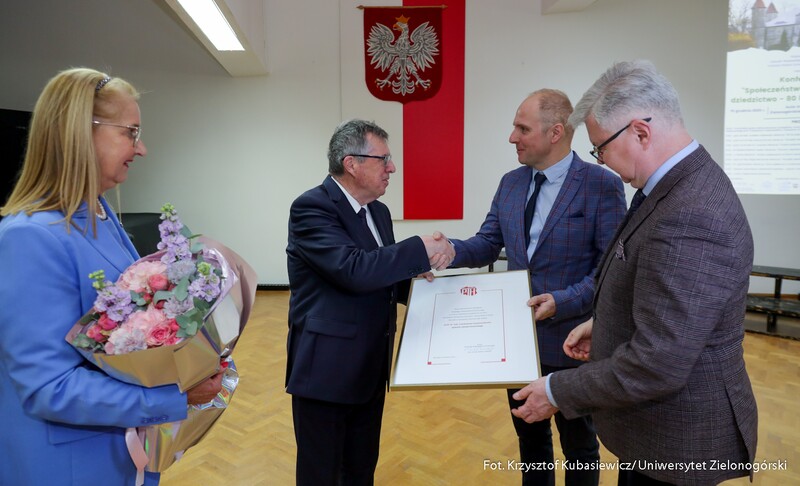
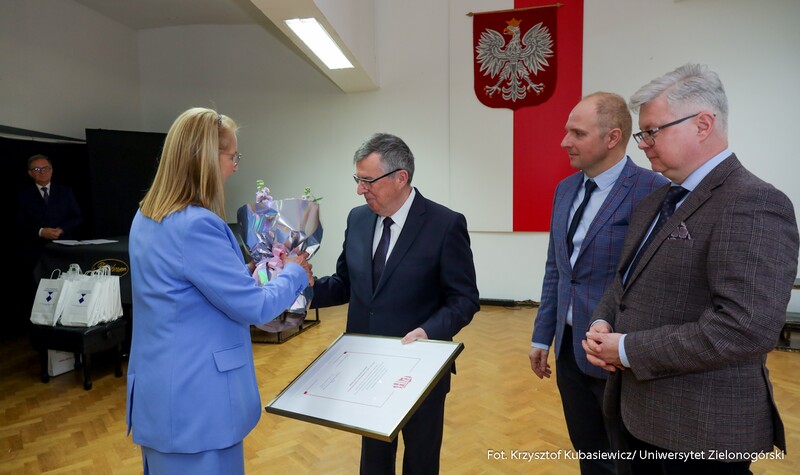
The conference was accompanied by award ceremonies. Prof. Czesław Osękowski, PhD, DSc, Rector of the University of Zielona Góra from 2005 to 2012, was awarded the title of Honorary Member of the Polish Historical Society. The distinction was presented by Prof. Robert Litwiński, PhD, DSc, President of the Main Board of the Polish Historical Society, together with members of the Zielona Góra Branch of the Society – Prof. Bogumiła Burda, PhD, DSc, and Prof. Marceli Tureczek, PhD, DSc.
Prof. Osękowski emphasised the personal significance of the award:
“I have received many decorations and distinctions in my life, but this one is an assessment of several decades of scholarly work and activity within the historical community. I believe that becoming an Honorary Member of the Polish Historical Society is the dream of every historian. I am proud and deeply honoured.”
He also reflected on the 80th anniversary of the Lubusz Land:
“This is a major event and a significant anniversary. It demonstrates that the Lubusz region has grown stronger, become established and recognisable, even though it was built from the ground up after the war. It bodes well for the future. The region is cohesive and positively perceived nationwide. Although it has a medium development potential compared to other voivodeships, particularly neighbouring ones, it performs very well in areas such as EU funding and cross-border cooperation with Germany, which translates into tangible benefits for the residents of the Lubusz Voivodeship.”
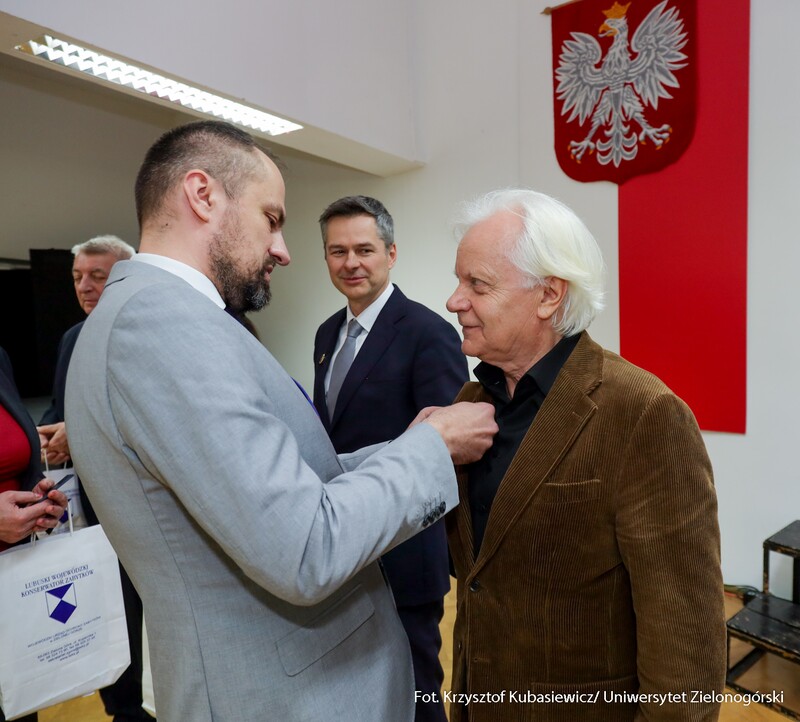
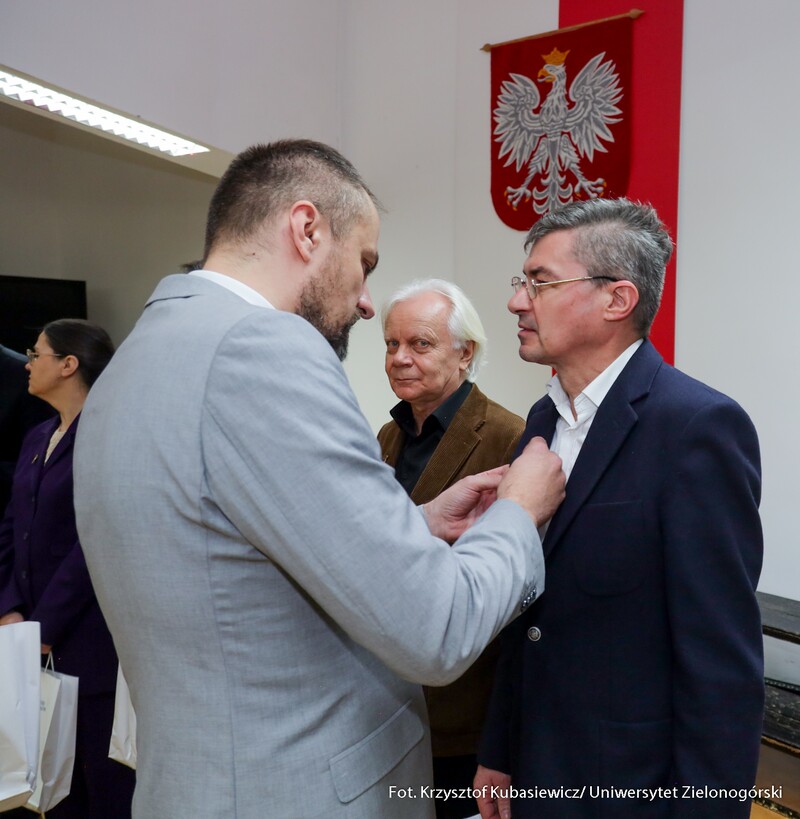
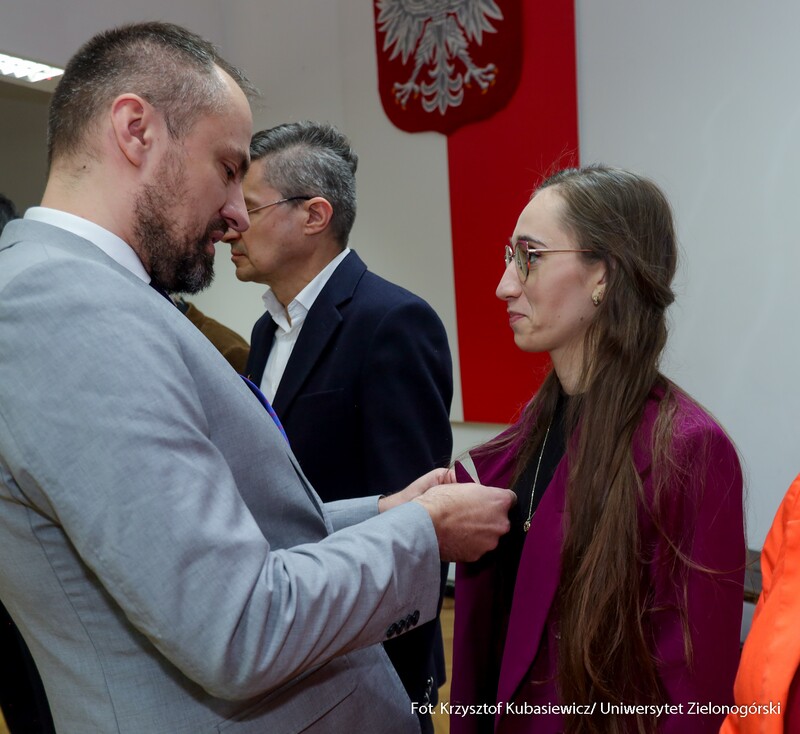
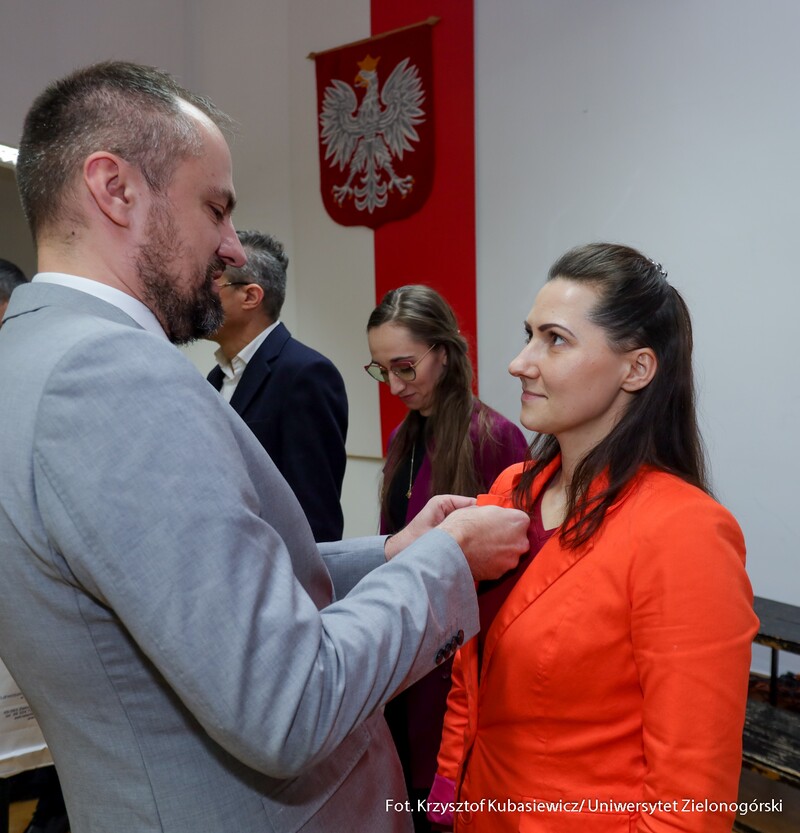
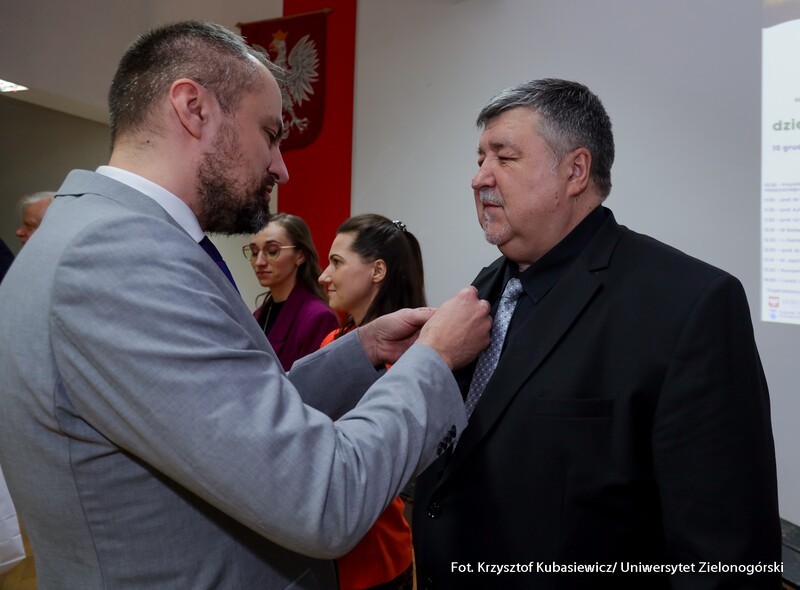
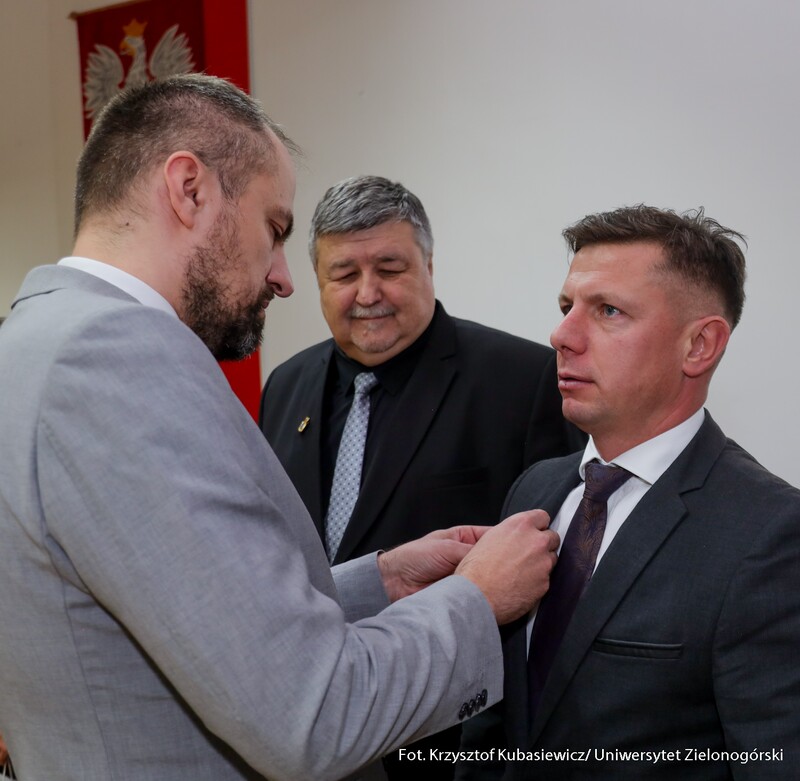
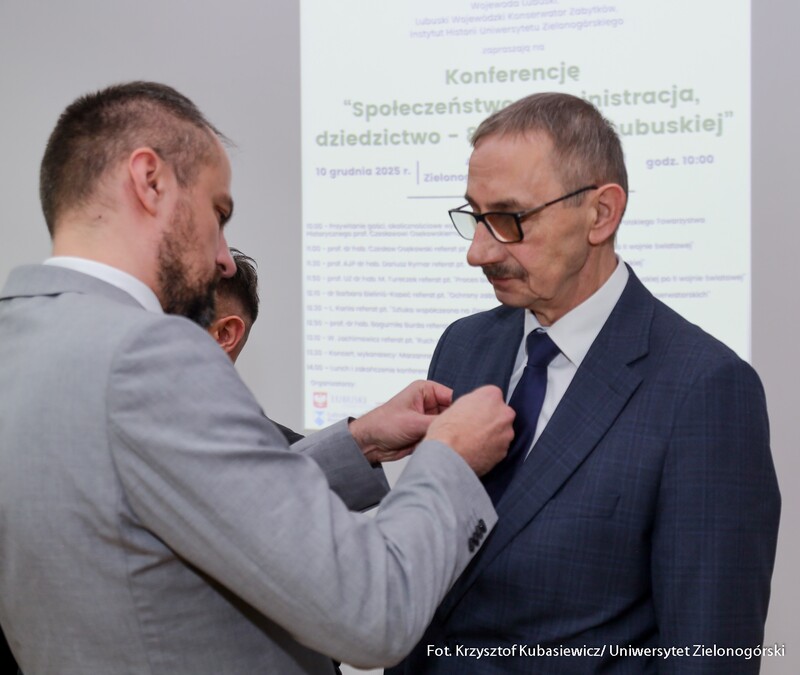
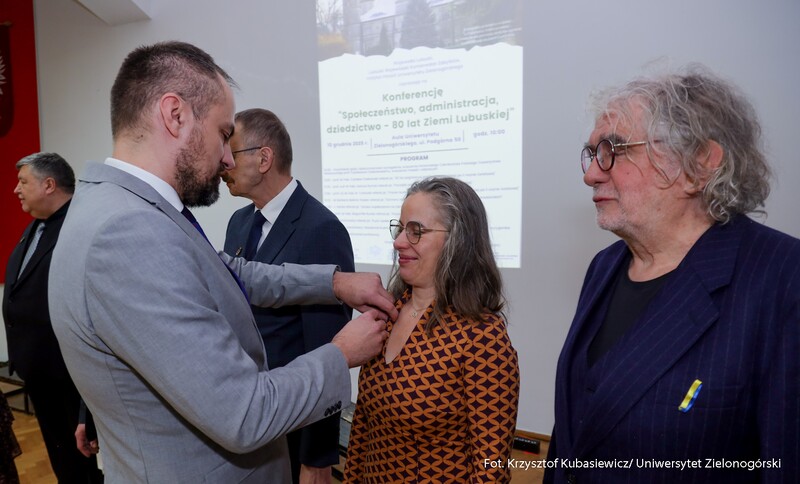
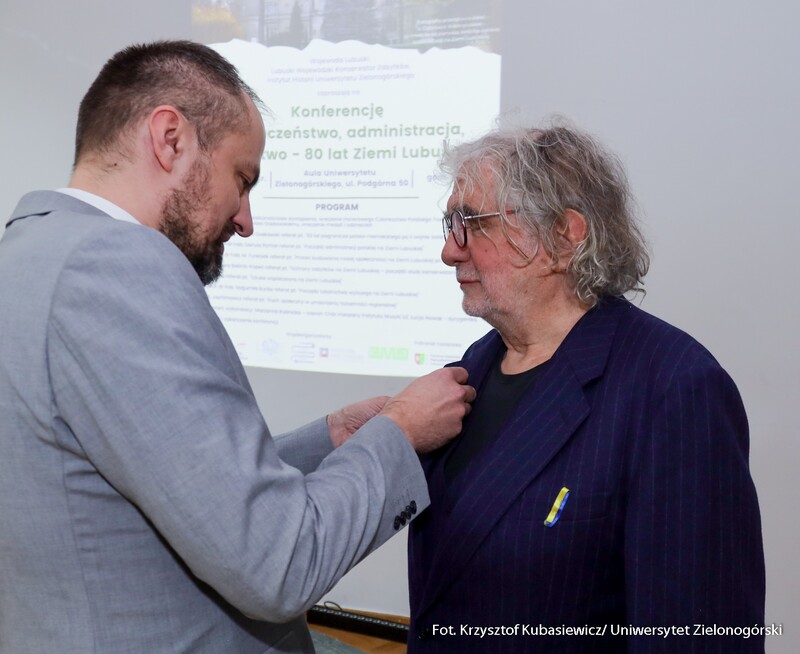
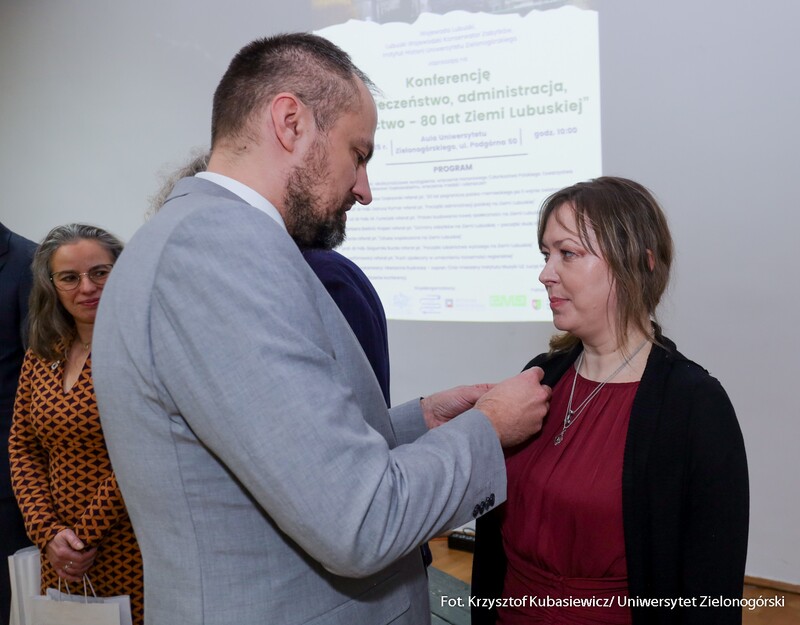
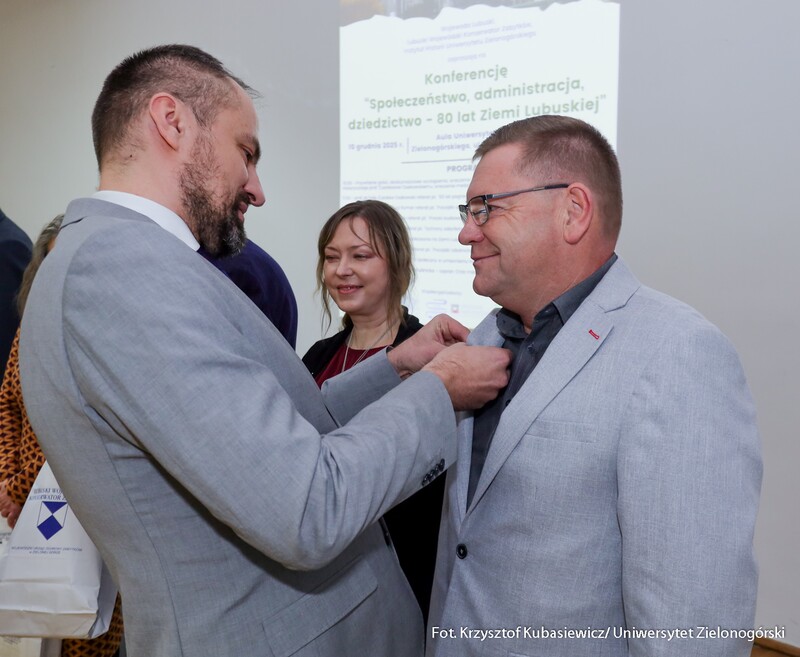
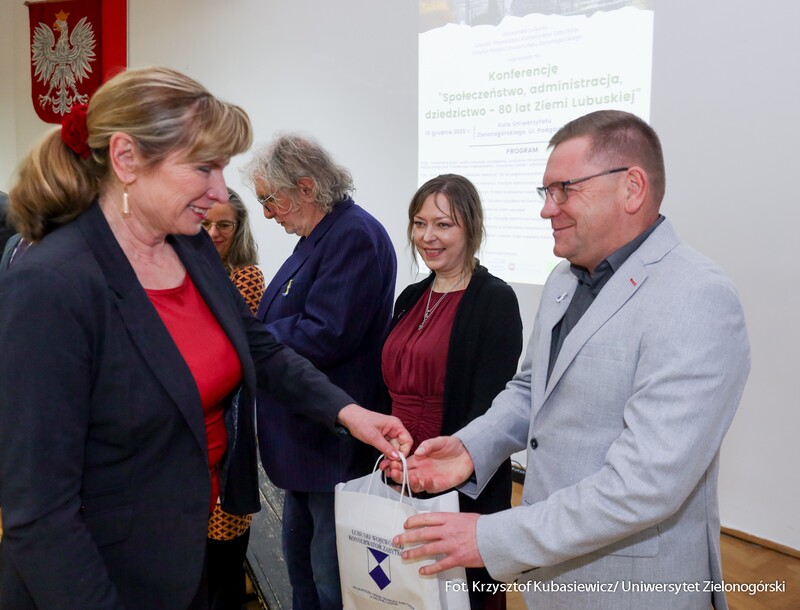
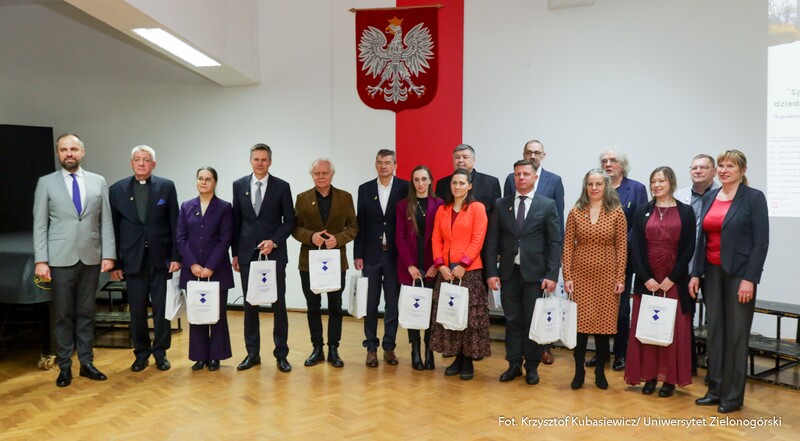
Further distinctions were also awarded during the conference. In recognition of outstanding contributions to the development of the Lubusz Region, the Regional Assembly of the Lubusz Voivodeship awarded Honorary Badges for Meritorious Service to the Lubusz Voivodeship. The awards were presented by Edward Fedko, Vice-Chair of the Regional Assembly, and Anna Chinalska, Member of the Regional Board, to two staff members of the Institute of History at the University of Zielona Góra – Prof. Marceli Tureczek, PhD, DSc, and Prof. Joachim Zdrenka, PhD, DSc.
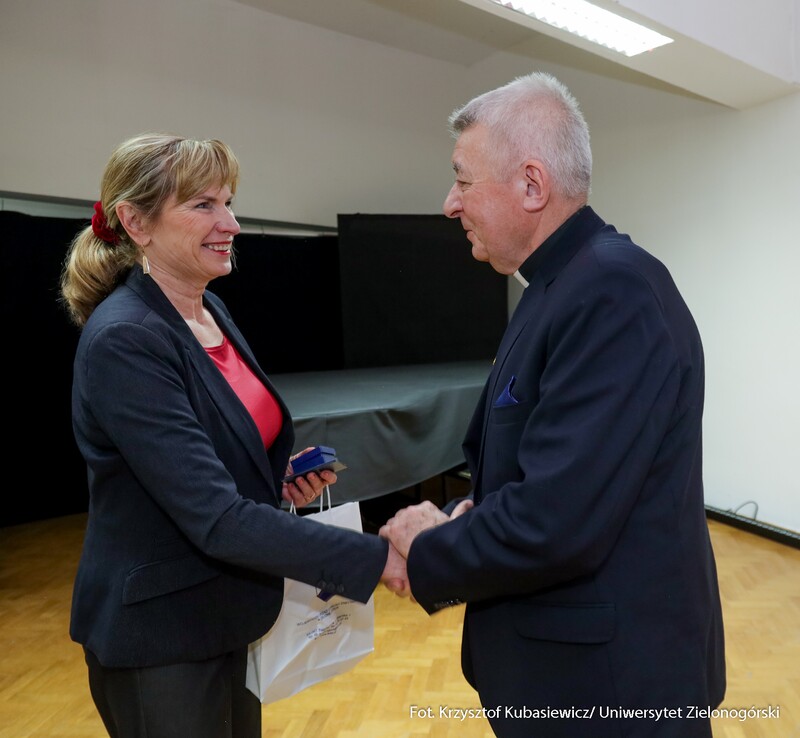
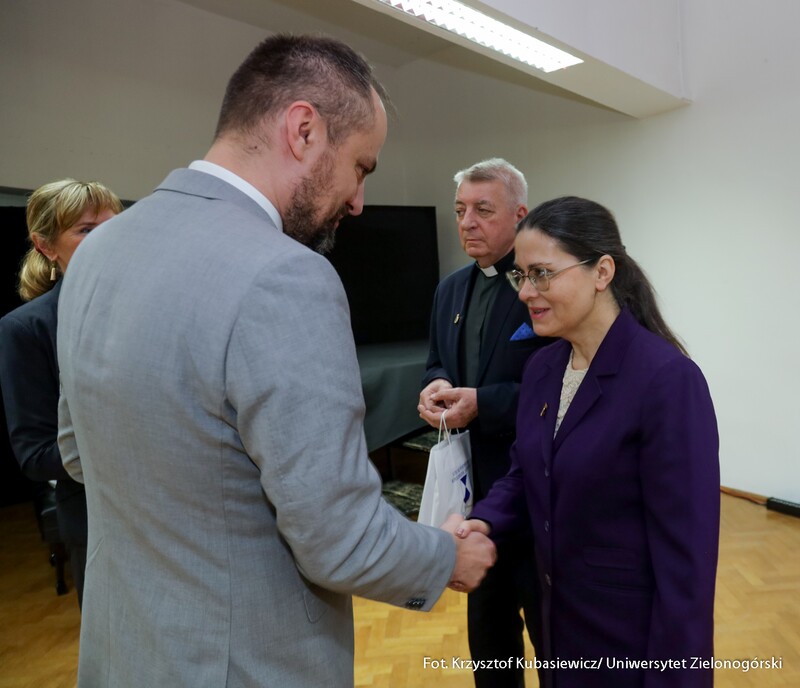
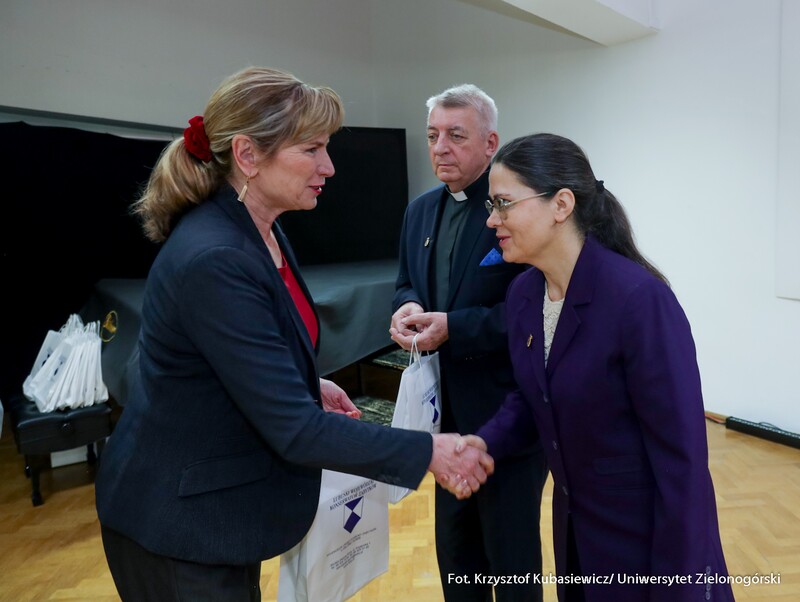
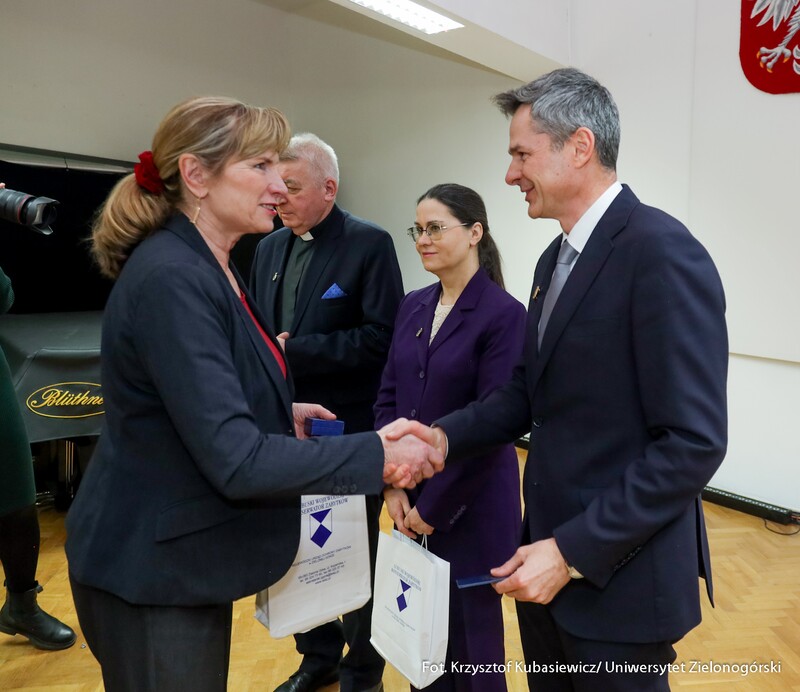
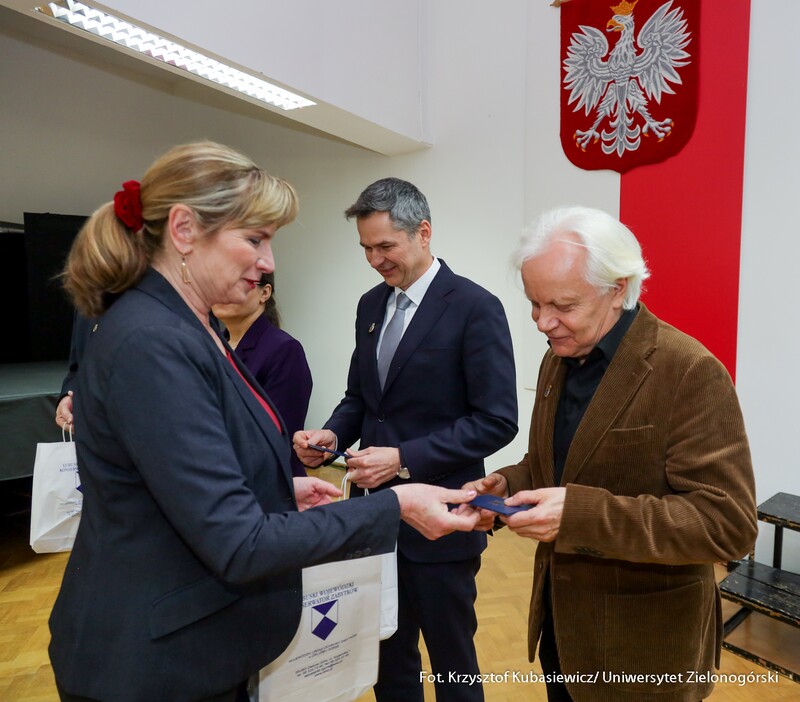
Additionally, Maciej Siwicki, Vice-Governor of the Lubusz Voivodeship, and Dr Barbara Bielinis-Kopeć, Lubusz Provincial Monument Conservator, presented distinctions for heritage protection:
Gold Badges “For the Protection of Monuments” (awarded to Mirosława Kochańska, Bożena Grabowska, Rev. Stanisław Stawowczyk, Adrian Niżnikowski, Leszek Kania and Longin Dzieżyc);
Silver Badges “For the Protection of Monuments” (awarded to Rafał Markowski, Kamila Chrystowicz-Nowak, Jerzy Nowak, Lilith Skowron and Tomasz Niemiec);
as well as Gold Badges “For the Protection of Monuments” for rescuing cultural heritage during the floods in September 2024 in the Lubusz Voivodeship (awarded to Anna Balcerowiak, Aneta Paciorek, Ryszard Skałba, Paweł Szymczak, Marek Sukiennik, Rev. Andrzej Maciejewski, PhD, and Krzysztof Pobiedziński).
The event was organised by the Institute of History of the University of Zielona Góra, the Lubusz Voivode, and the Lubusz Provincial Monument Conservator. Co-organisers included the Lubusz School Superintendent, the State Archives in Gorzów Wielkopolski, and the Lubusz Land Museum in Zielona Góra. The Honorary Patronage of the conference was assumed by Sebastian Ciemnoczołowski, Marshal of the Lubusz Voivodeship.