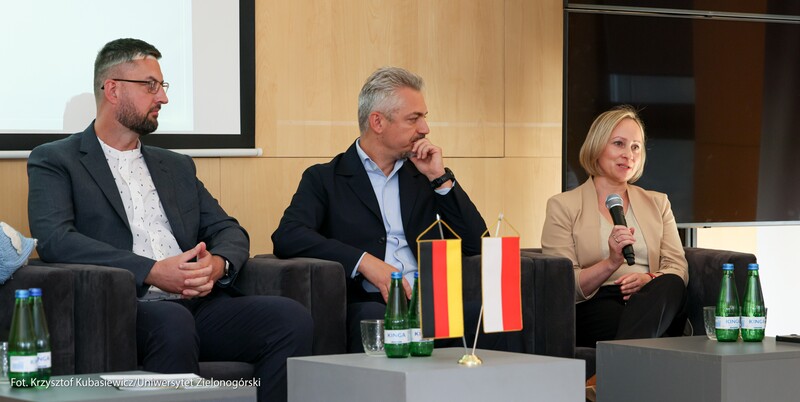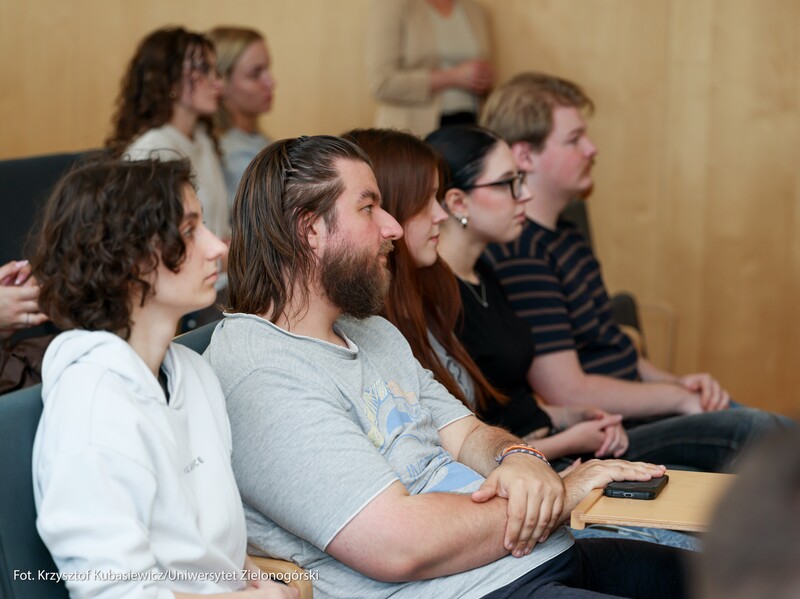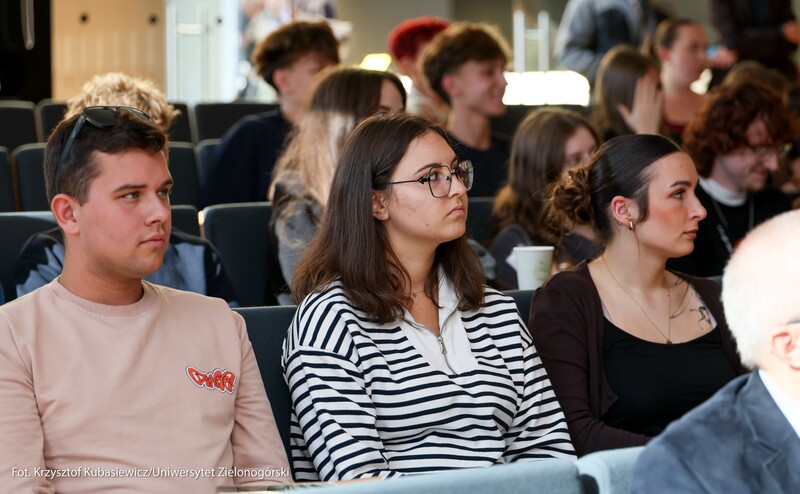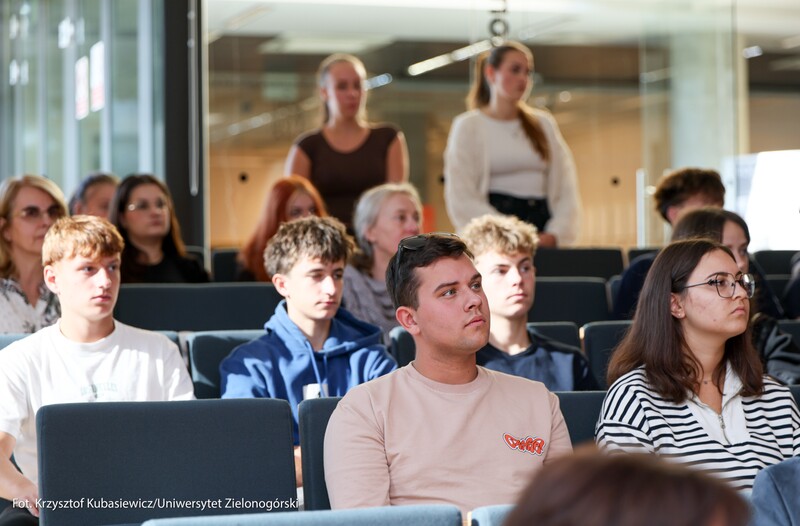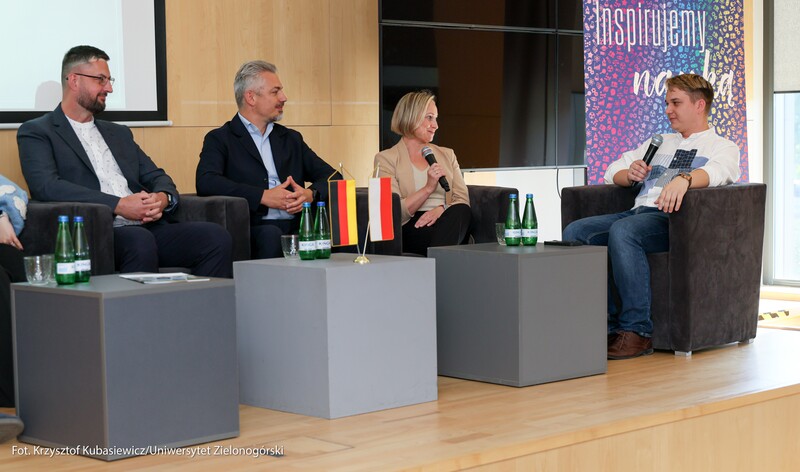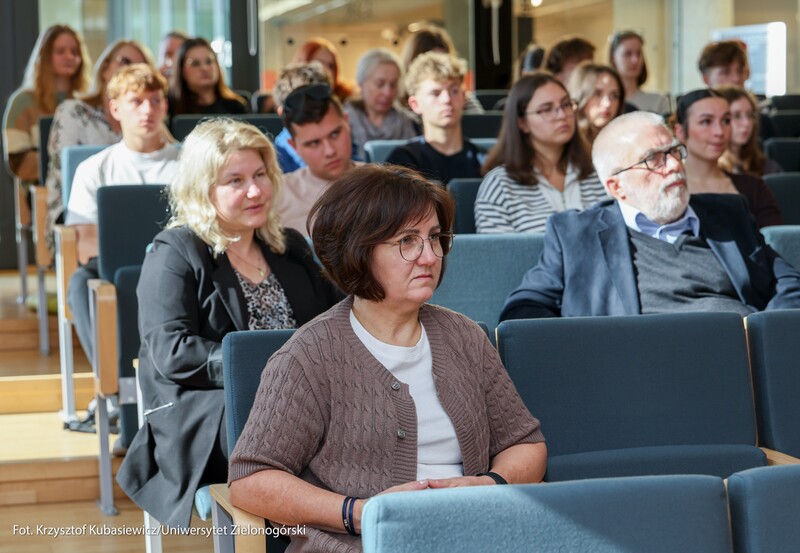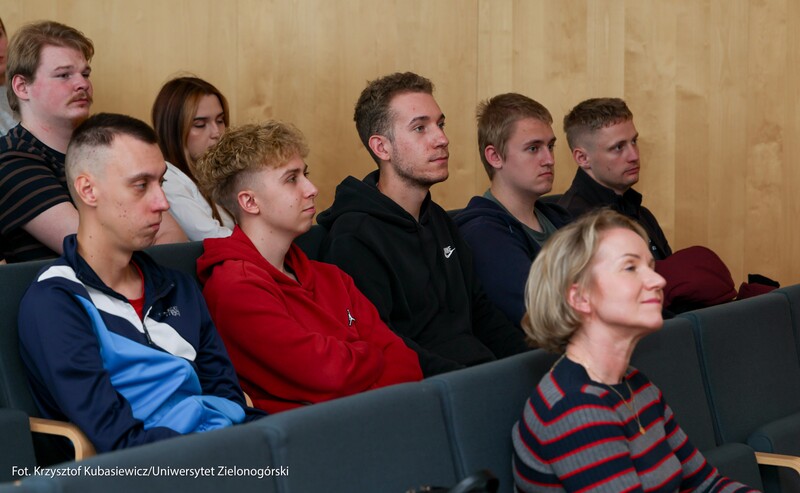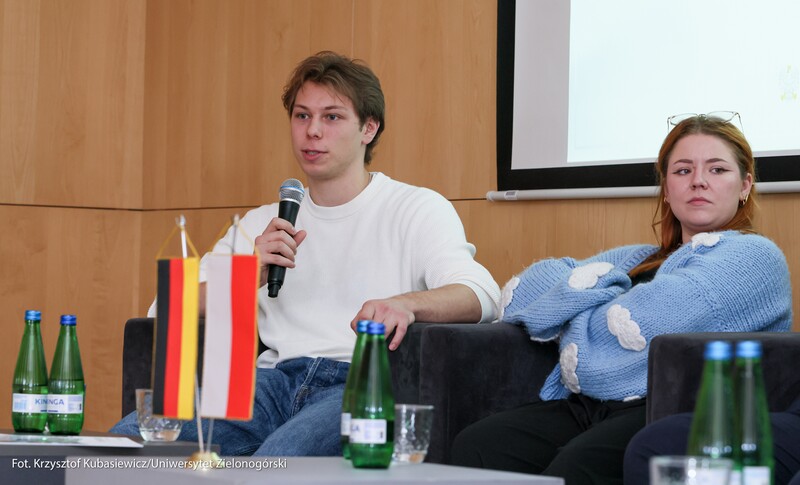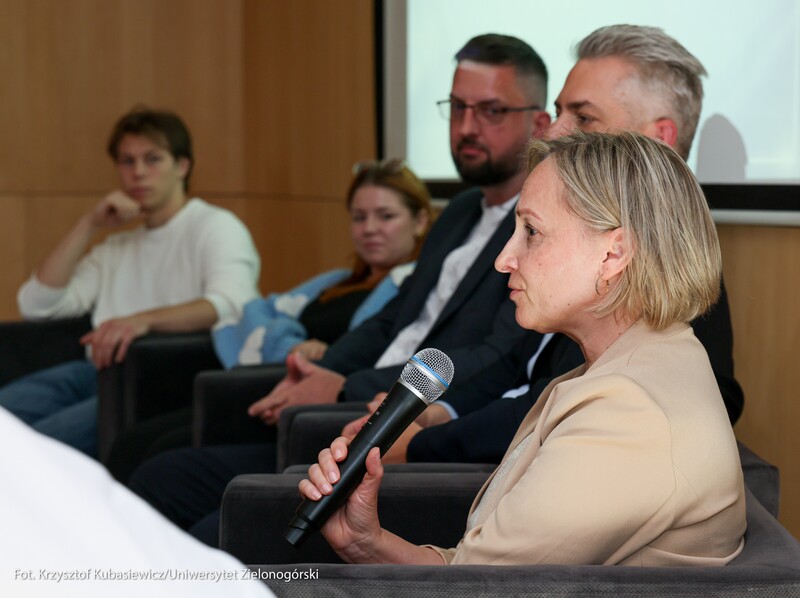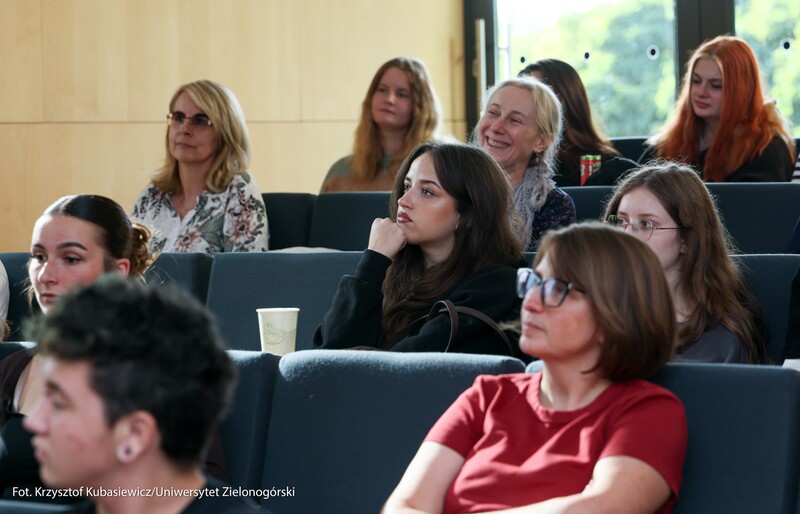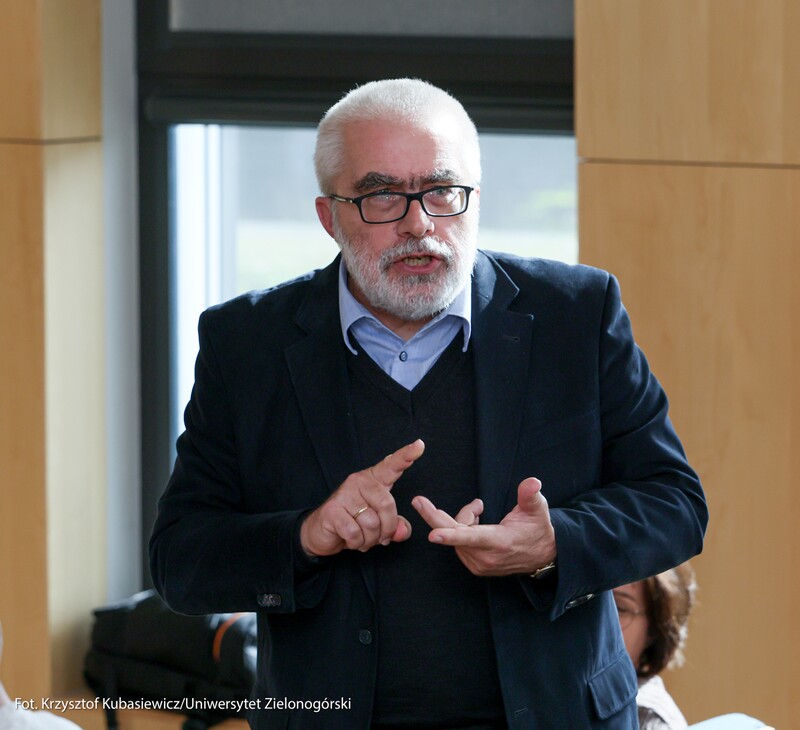
The 14th Polish-German Days, held under the motto “Trzymamy się razem – wir halten zusammen” (“Standing Together”), were inaugurated with the discussion panel “Dialogue Without Borders – How Do Poland and Germany Communicate Today?”. The event brought together experts and students who had participated in the Erasmus+ programme in Germany.
Students at the University of Zielona Góra have undoubtedly heard many times about the benefits of taking part in the Erasmus+ programme. Many have seized the opportunity to spend a semester abroad in countries such as Spain or Portugal. Why, then, should students also consider destinations located just across Poland’s western border?
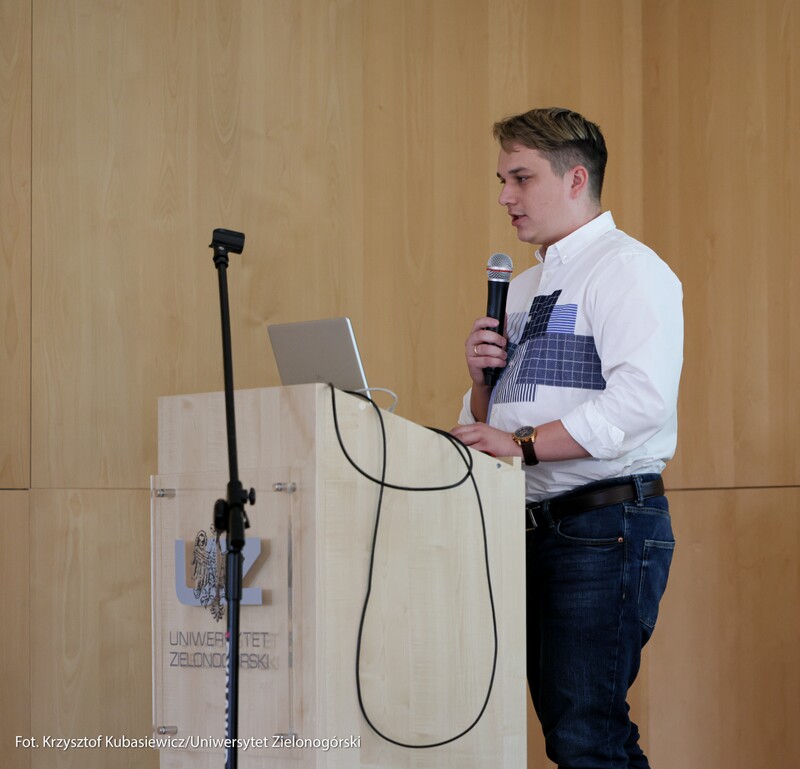
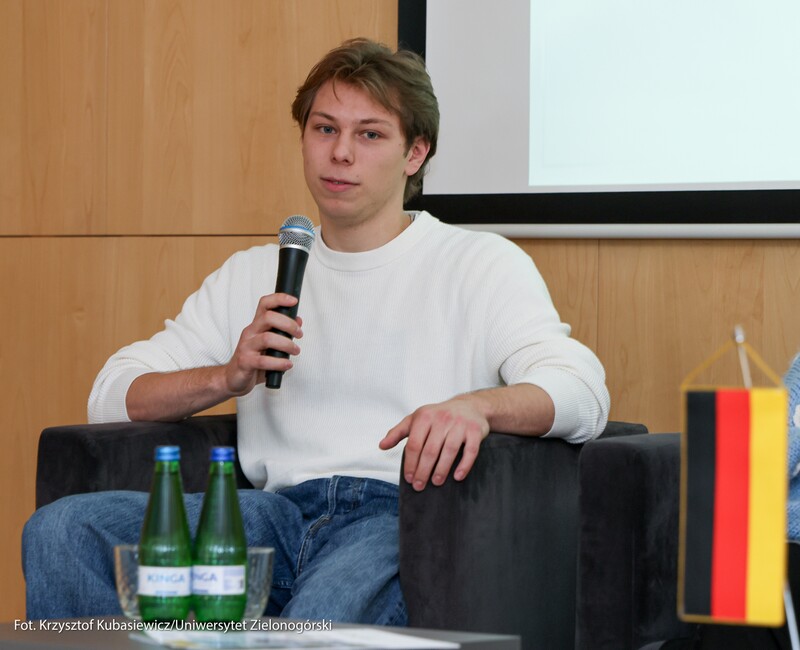
As explained by Wiktor Ząbek, a student who participated in the Erasmus+ programme in Germany:
“Studying in Germany is an excellent opportunity. Taking part in Erasmus+ can be highly beneficial for one’s future career. For those of us living in the Lubusz region, Germany is our closest neighbour, and future professional cooperation opportunities are often of a very high standard. Such an experience opens up numerous possibilities. I would definitely recommend the Erasmus+ programme, and I would especially recommend choosing Germany as a destination. The experience helped me develop my language skills, as courses were conducted in both German and English. German universities, particularly technical institutions, place strong emphasis on cooperation between universities and industry. Thanks to these partnerships, students benefit from access to modern equipment and software. It also provides an excellent opportunity to gain practical experience with German technical terminology. Equally important is the ease with which new friendships and professional connections can be established. Students are very welcoming and supportive towards international visitors.”
This practical example of Polish-German cooperation demonstrates the many benefits that arise from openness and collaboration. Academic mobility creates opportunities to build an international career while fostering lasting intercultural relationships.
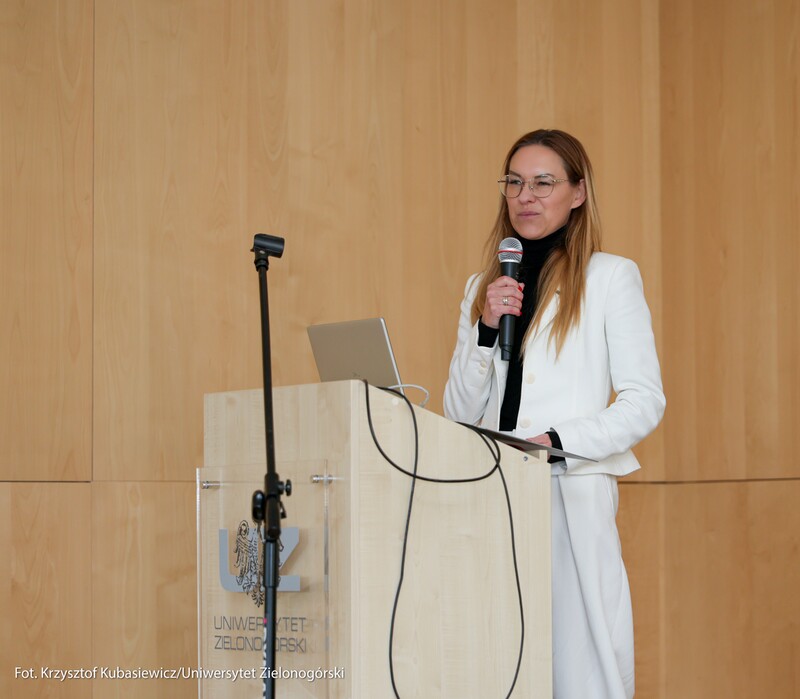
Kamila Rabiko from the University of Zielona Góra’s International Relations Office emphasized that this year’s Polish-German Days feature a variety of events designed to showcase how much Poland and Germany have in common:
“Maintaining Polish-German dialogue in all its dimensions is extremely important to us, from educational cooperation to strengthening ties between communities. These events are intended not only for students of the University of Zielona Góra, but also for residents of our region, school pupils and young people from secondary schools. For both this event and the entire programme, we invited representatives of various institutions and organisations to share their perspectives on Polish-German relations. This allows us to gain a comprehensive understanding of how cooperation develops and how much can be achieved together. The first discussion panel focused on academic mobility and on cooperation between various institutions in Poland and Germany. We were also pleased to welcome a representative of the International Office of the Friedrich Schiller University Jena in Germany, alongside staff members from our own International Relations Office. Their contributions highlighted the opportunities available to students and the steps they can take towards both professional development and valuable life experience.”
The meeting, held in the auditorium of the University Library, also provided an opportunity to discuss Polish-German relations from the perspective of border towns and regions.
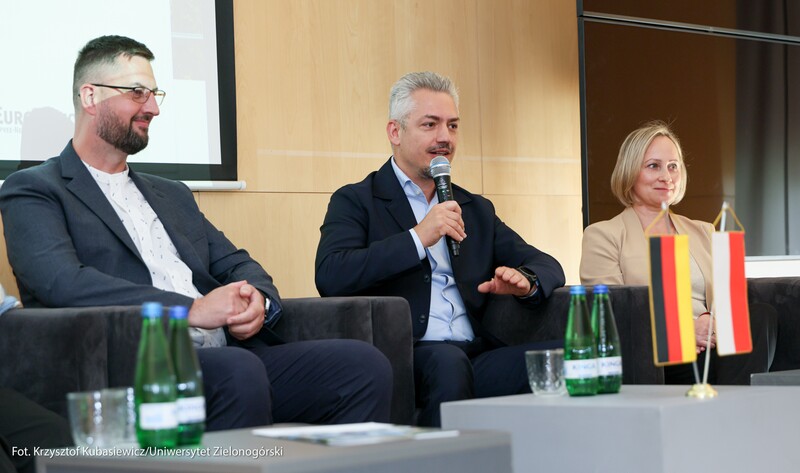
Piotr Firfas, a representative of the Spree-Neisse-Bober Euroregion in Guben, spoke about cross-border cooperation from a practical point of view: “The most important thing is that people on both sides of the Lusatian Neisse River have access to comparable information and that we work together on a wide range of initiatives and projects. Our goal is to enable citizens to participate in shaping the future of the Polish-German border region. These projects cover many different areas. For example, under the Small Projects Fund, applications concerning tourism, culture and other fields of cooperation can be submitted to Euroregion offices on both the Polish and German sides of the border. Such projects are jointly developed by partners from both countries. We also run our own initiatives, including activities related to European Union policies through the Europe Direct Information Centre in Guben. In addition, we implement civic participation projects supported by the Robert Bosch Foundation, addressing topics such as healthcare, education, transport and cross-border tourism.”
The next event within the framework of the 14th Polish-German Days will take place on 15 October. The discussion panel, entitled “Between History and the Present: What Connects Us to German-Speaking Countries?”, will feature a special guest, Łukasz Kazek, journalist and populariser of history, together with experts and historians from the University of Zielona Góra.