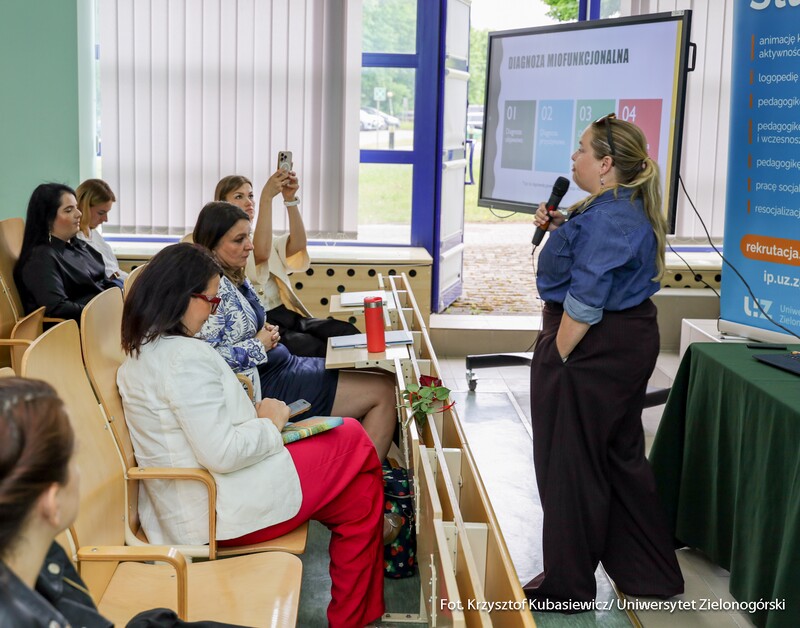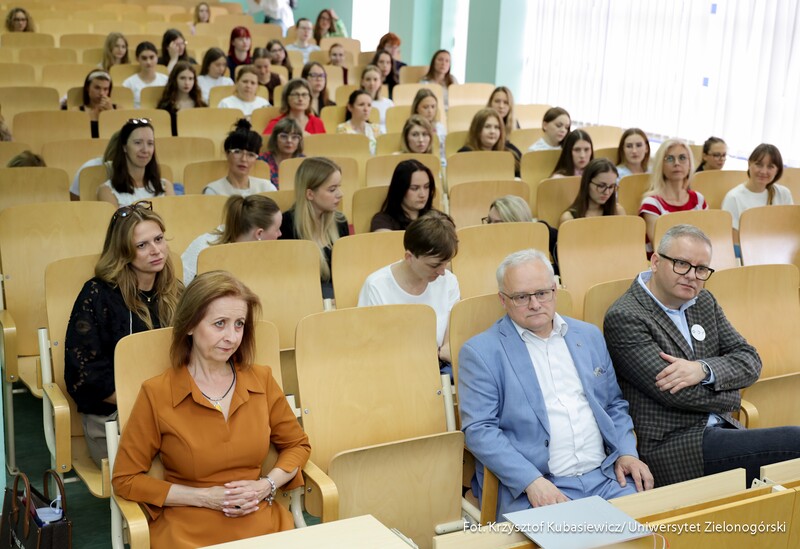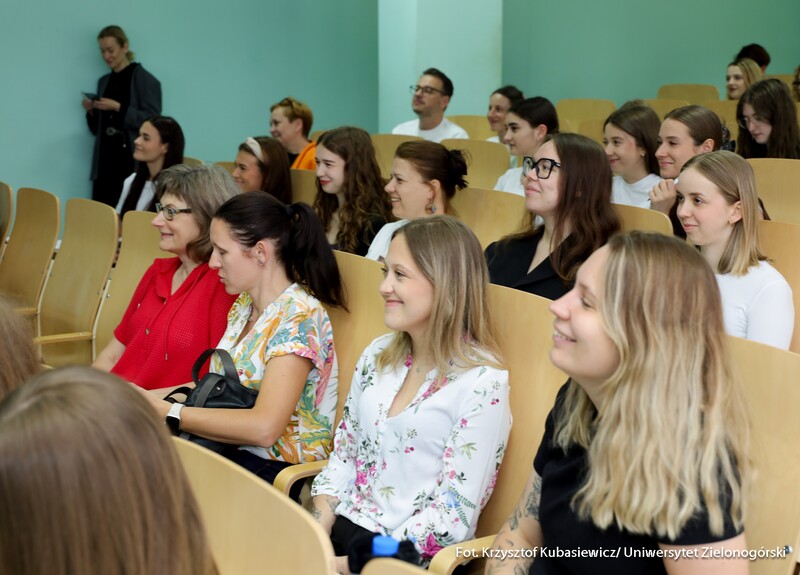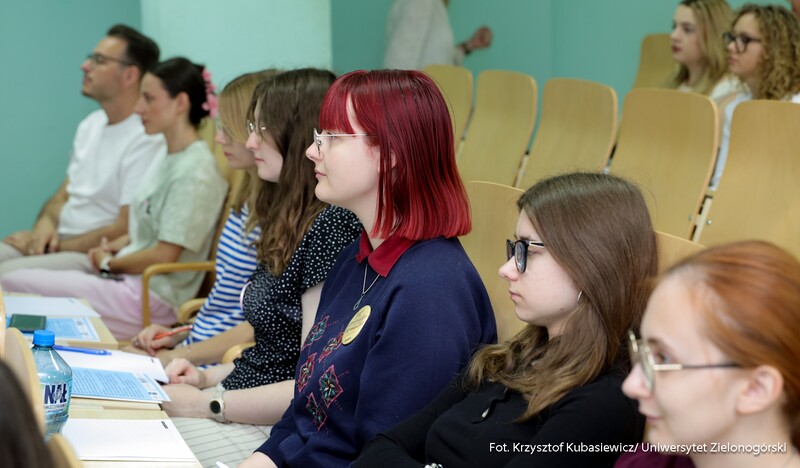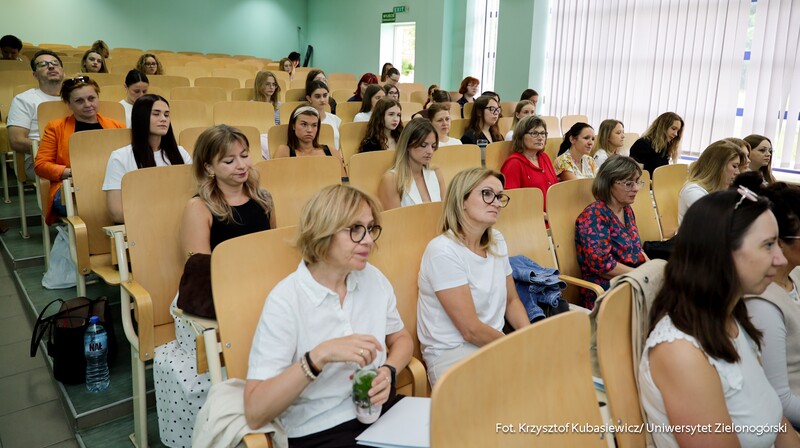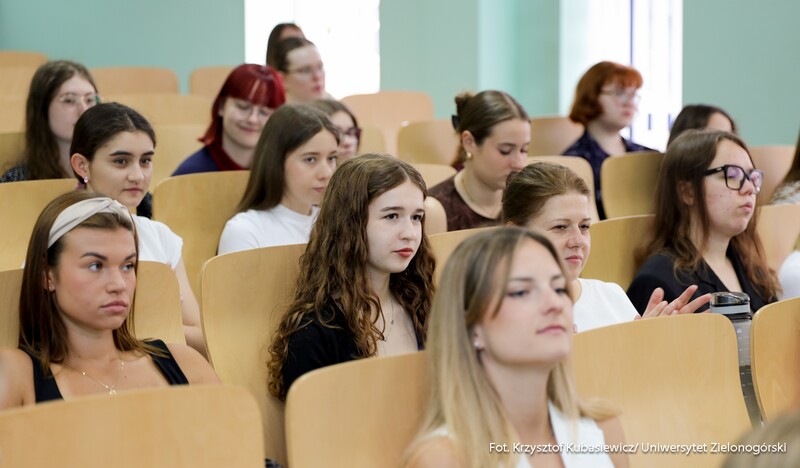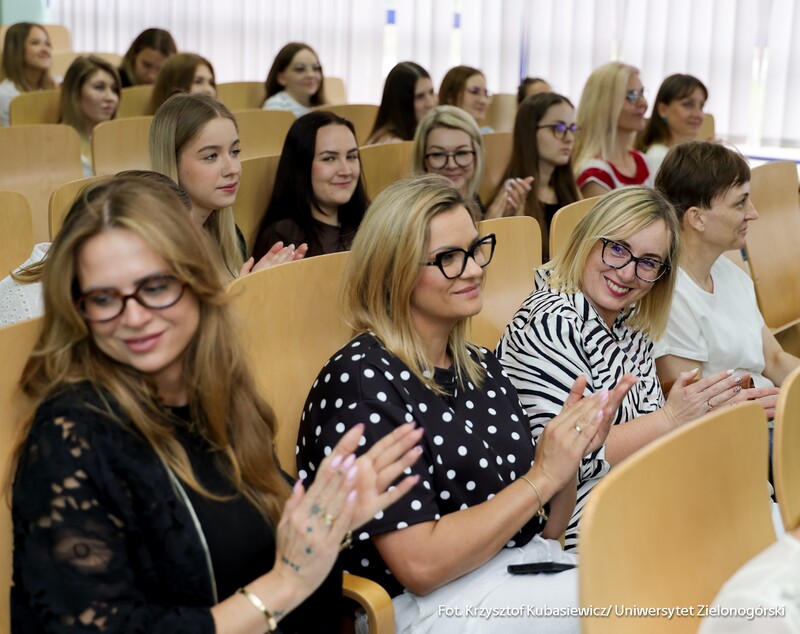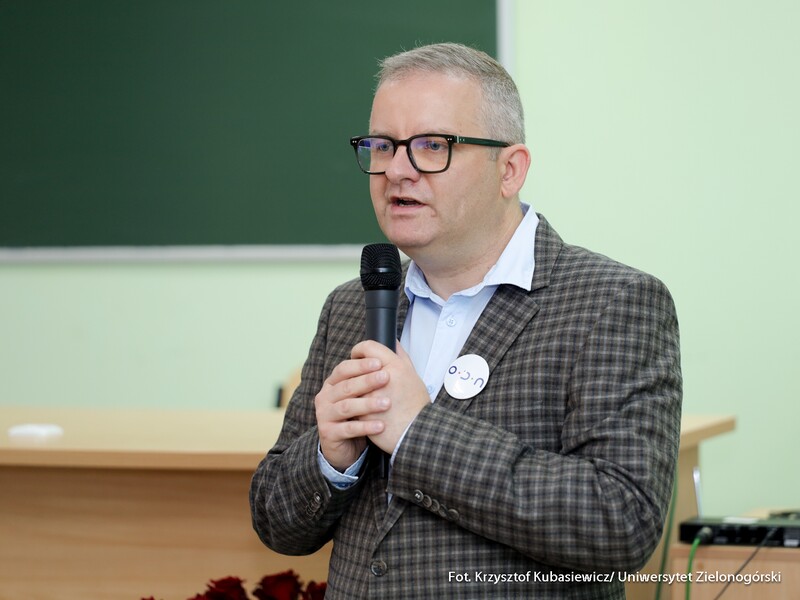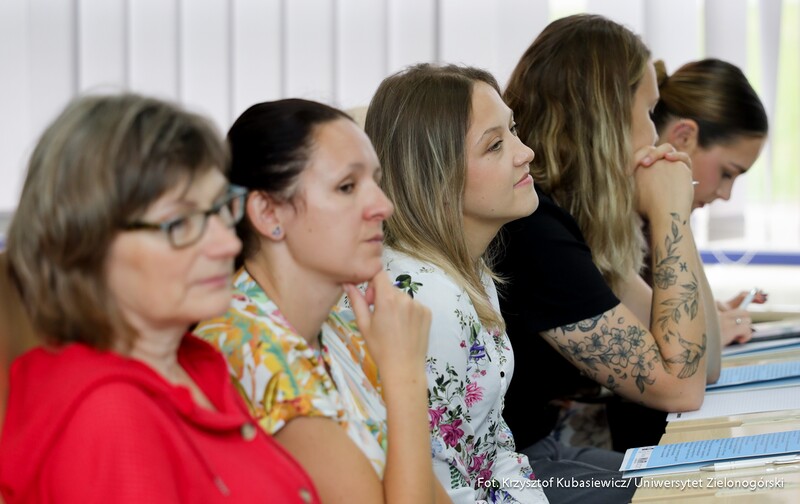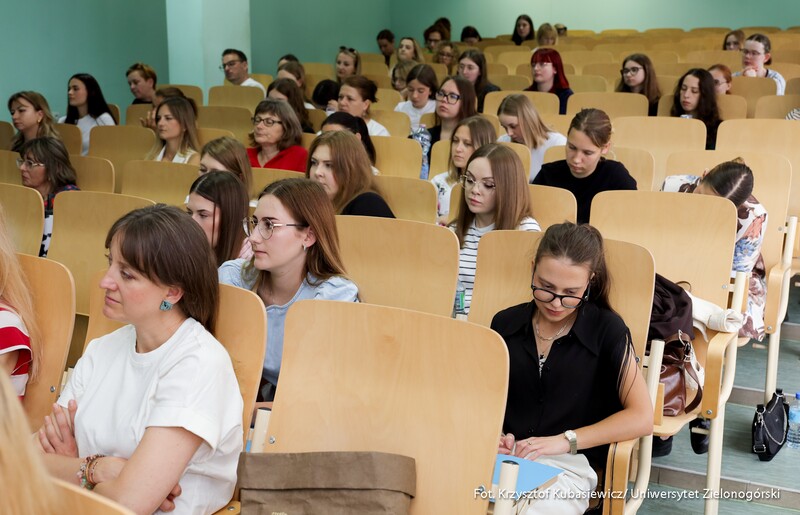
“Assessment as the Foundation of Myofunctional Therapy,” “Electrotherapy in Voice Rehabilitation,” and “Can a Speech Therapist Work with the Stomatognathic System?” were among the topics discussed during the Second Young Speech Therapists’ School. Organised for the second time at the University of Zielona Góra, the event attracted considerable interest from students, speech-language therapy practitioners, and individuals interested in supporting communication development.
Speech therapists agree that their profession requires lifelong learning. Training courses, workshops, and meetings with experienced practitioners provide valuable opportunities to expand knowledge and gain insights into a wide range of clinical cases. With this in mind, the Young Speech Therapists’ School was created for practising specialists, students of Speech Therapy and Speech Therapy with Neurodidactics programmes, as well as parents interested in supporting their children’s communication skills.
As explained by Prof. Anita Famuła-Jurczak, Head of the Speech Therapy Laboratory at the Institute of Pedagogy and Chair of the Conference Organising Committee, this year’s edition focused on communication in its broadest sense. “We welcomed speakers who discussed augmentative and alternative communication, as well as experts presenting the role of myofunctional approaches in speech therapy. Participants learned how natural functions essential for communication can be effectively supported and improved. They were also introduced to innovative technologies that facilitate speech and language rehabilitation, including solutions designed for people recovering from stroke,” said Prof. Famuła-Jurczak.
The conference also highlighted digital tools that support communication and cognitive rehabilitation. “We discussed applications that help users develop memory and communication skills through structured exercises. Participants also learned about specialised communication platforms designed for non-speaking individuals, enabling them to express themselves through symbols and other alternative forms of communication,” she added.
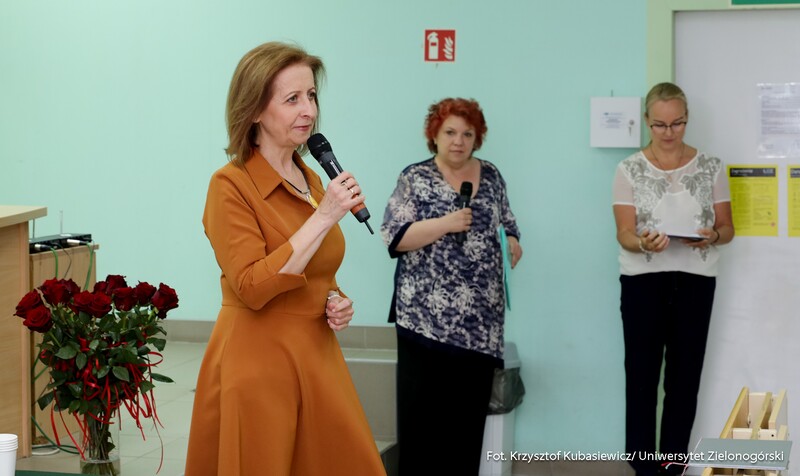
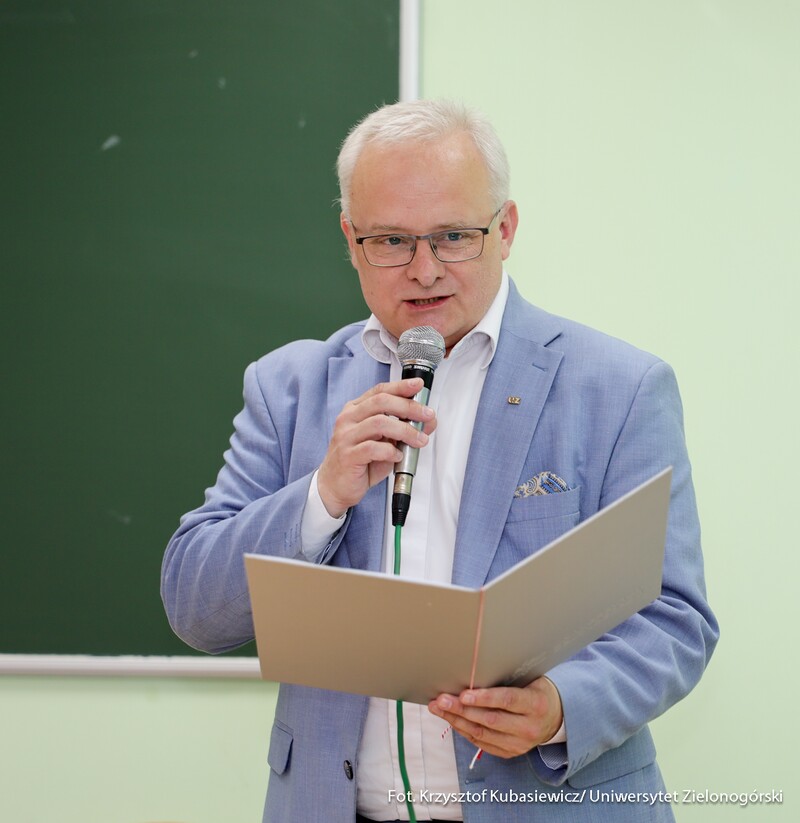
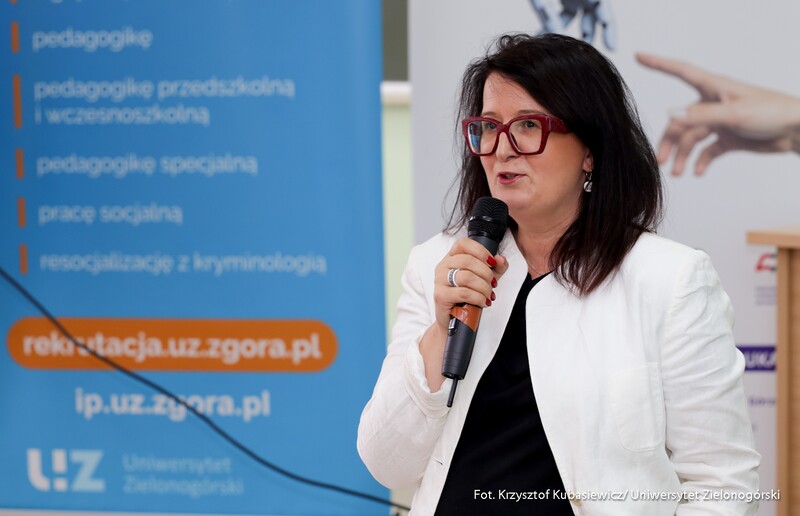
The event was officially opened by Prof. Barbara Literska, Vice-Rector for Student Affairs and Quality of Education, who addressed her remarks particularly to the students attending the conference. “Talk to one another, because communication is one of the defining features of our humanity. I am delighted that the University of Zielona Góra offers programmes such as Speech Therapy with Neurodidactics and Speech Therapy with Neurodidactic Therapy. These are extremely important fields of study. I know that many of you have chosen this path out of genuine vocation. In the future, you will work with people who are unable to communicate verbally, helping them find their voice and supporting them with your knowledge, commitment and care.”
Participants were also welcomed by Prof. Mirosław Kowalski, Director of the Institute of Pedagogy, who emphasised the unique nature of the profession. “Speech therapy is not simply a profession. It is a vocation, a mission and a constant effort to overcome the limitations of language. A speech therapist is an architect of words and a master of sounds.”
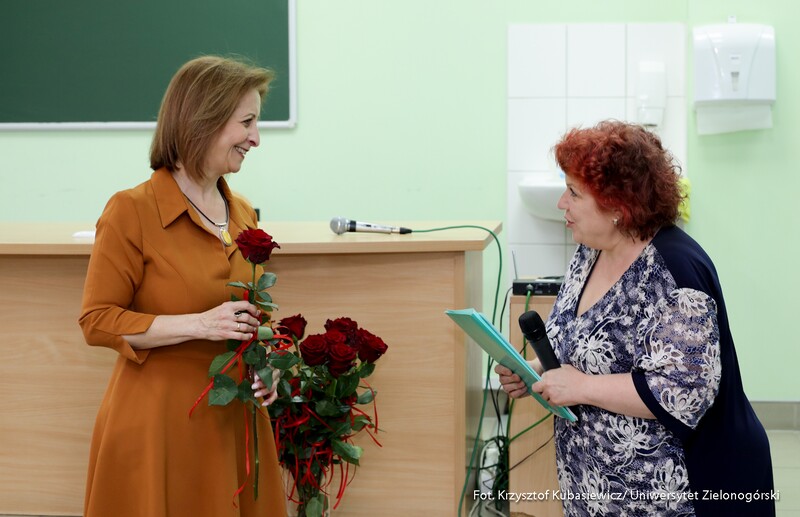
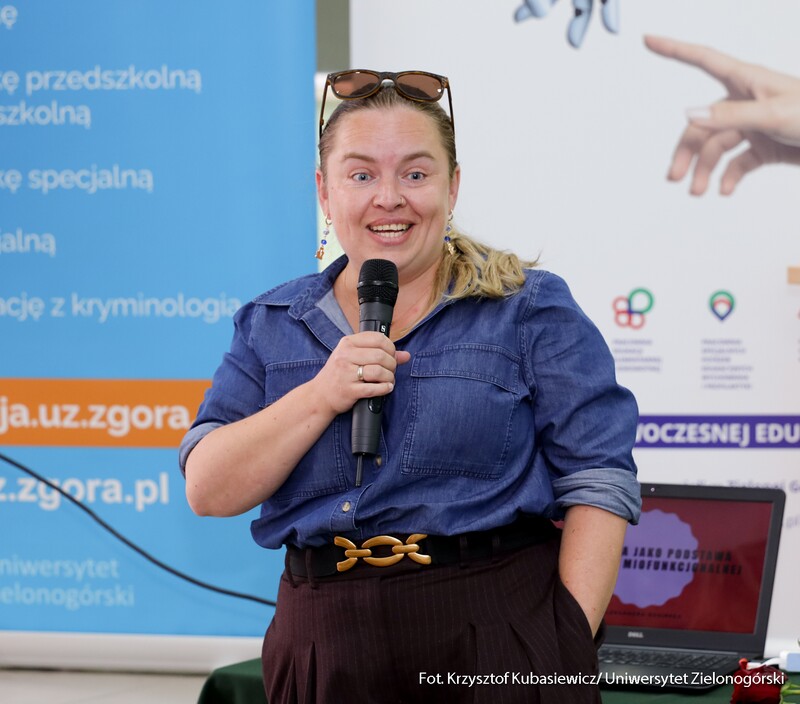
Acknowledgements for the organisation of the event and its strong collaborative spirit were also expressed by Dr Paweł Zapeński from the Institute of Pedagogy and Director of the Teacher Training Centre in Zielona Góra. In addition to expert lectures, participants had the opportunity to take part in practical workshops designed to enhance professional skills and broaden perspectives. The event provided a valuable platform for exchanging experiences, discussing current challenges in speech-language therapy, and exploring innovative tools and methods that support everyday clinical practice.
The Second Young Speech Therapists’ School once again demonstrated the growing importance of interdisciplinary approaches, technological innovation and continuous professional development in the field of speech-language therapy, while highlighting the crucial role of effective communication in education, healthcare and everyday life.