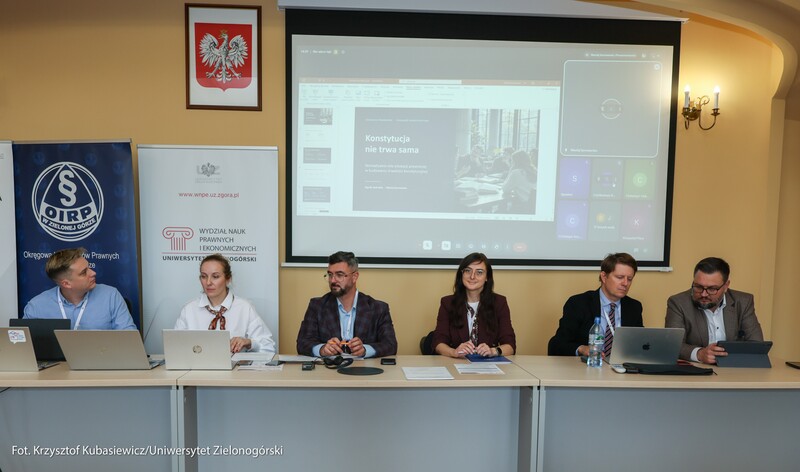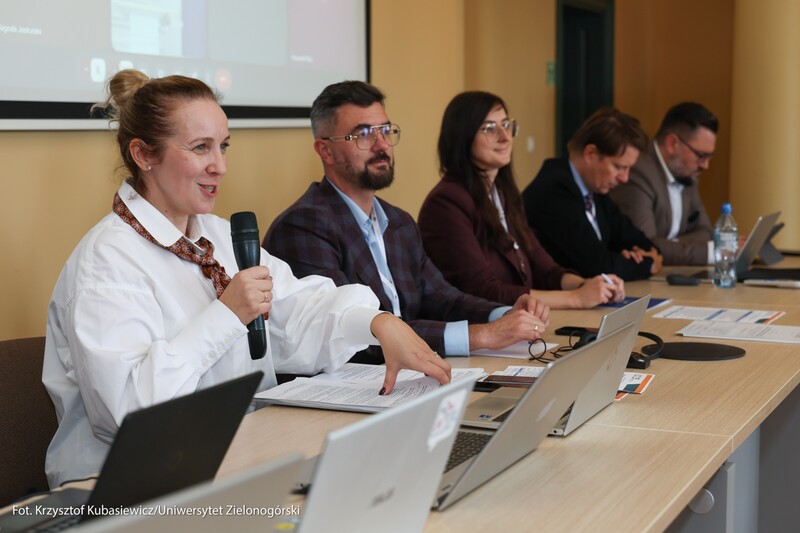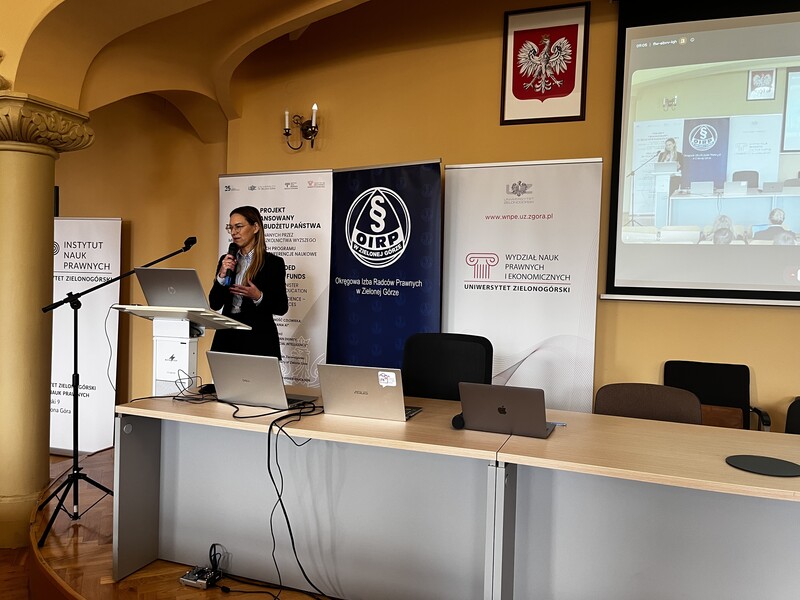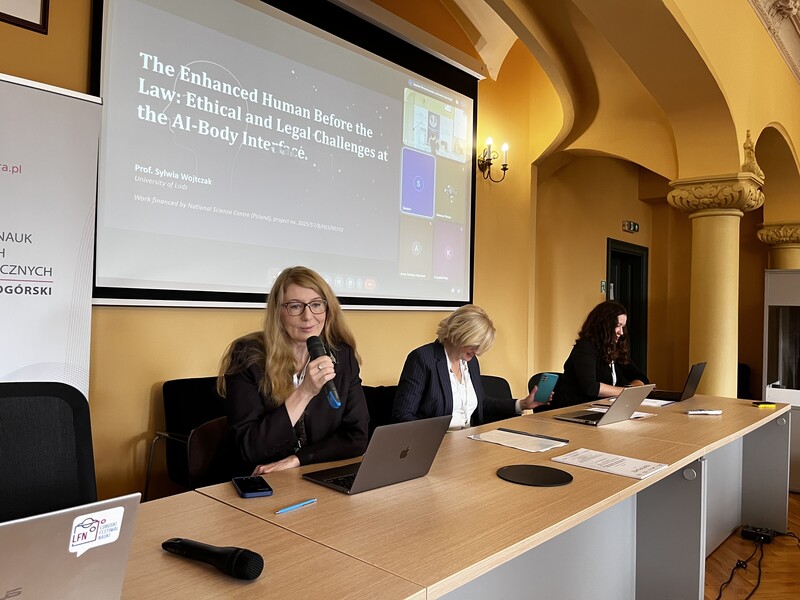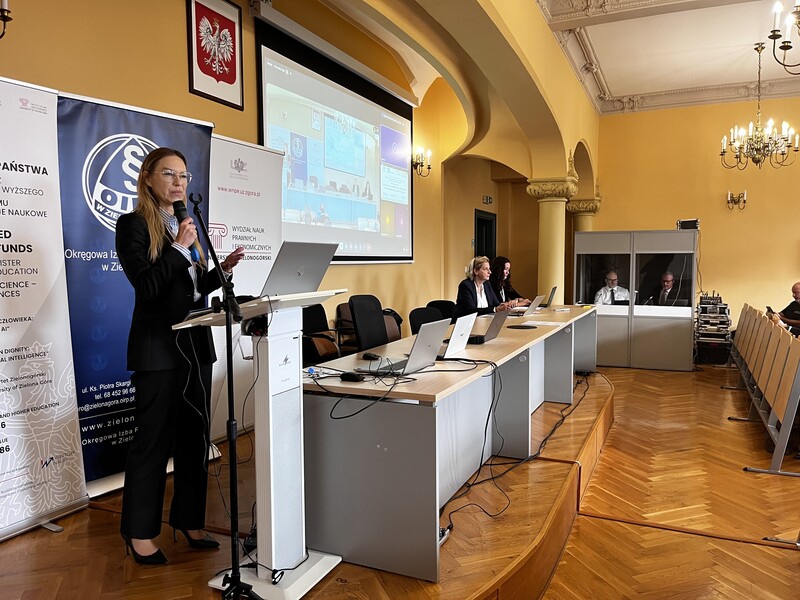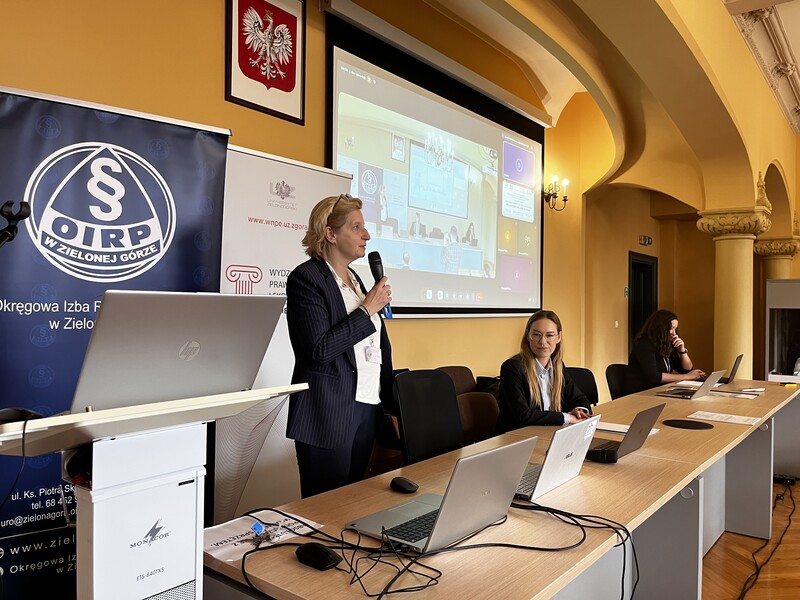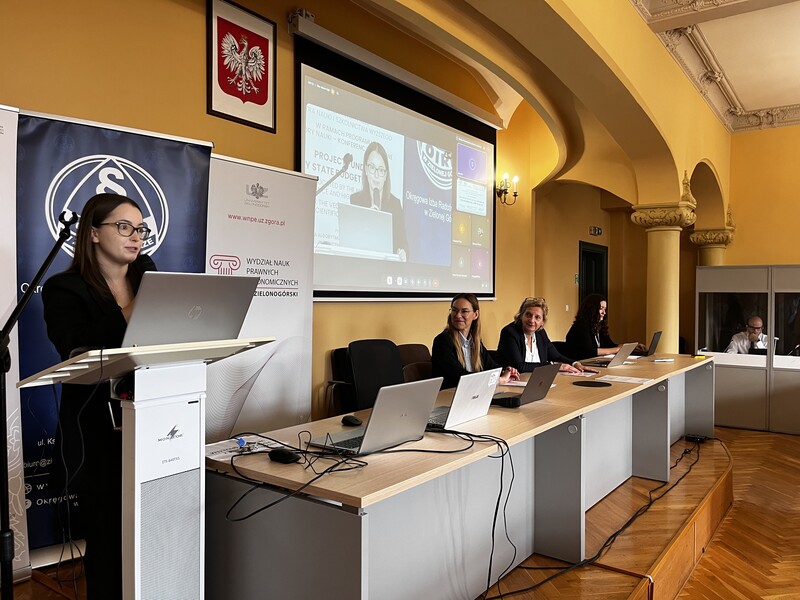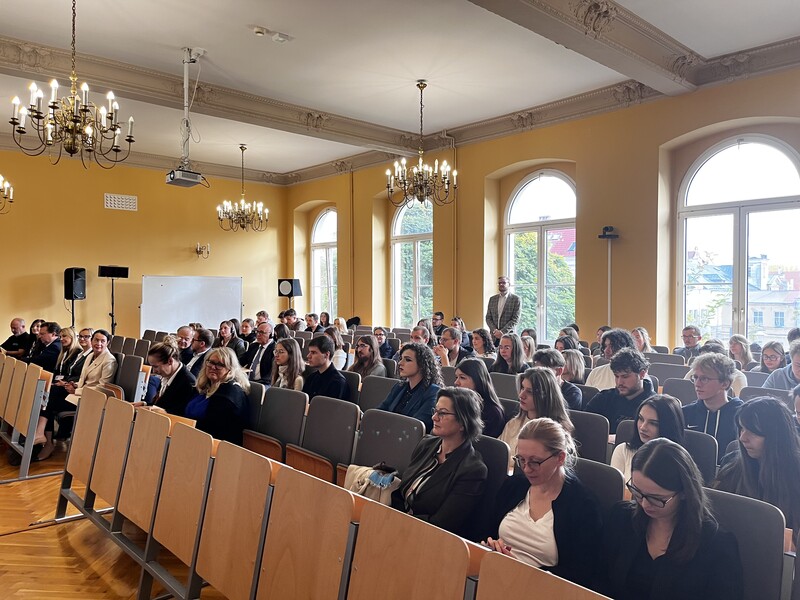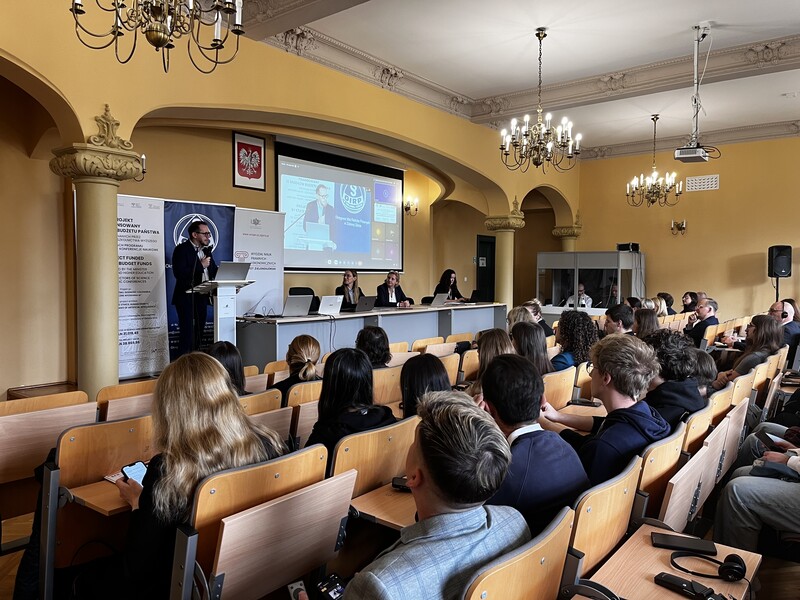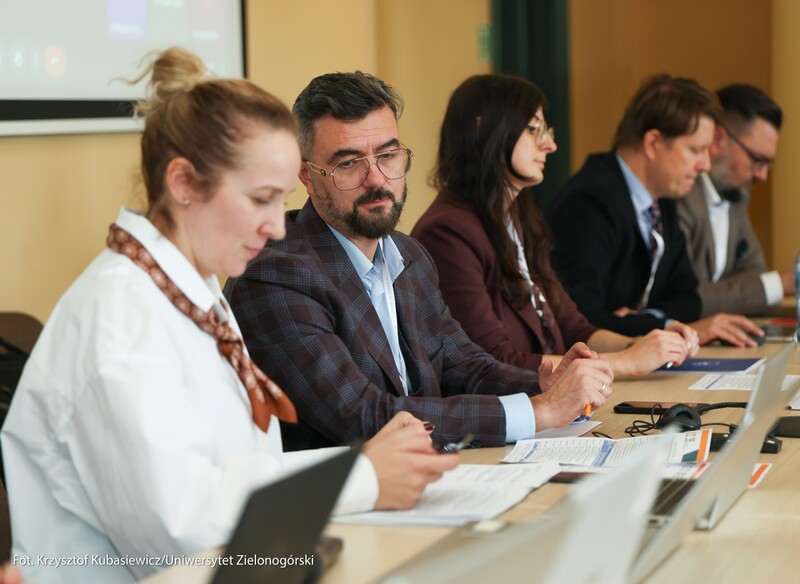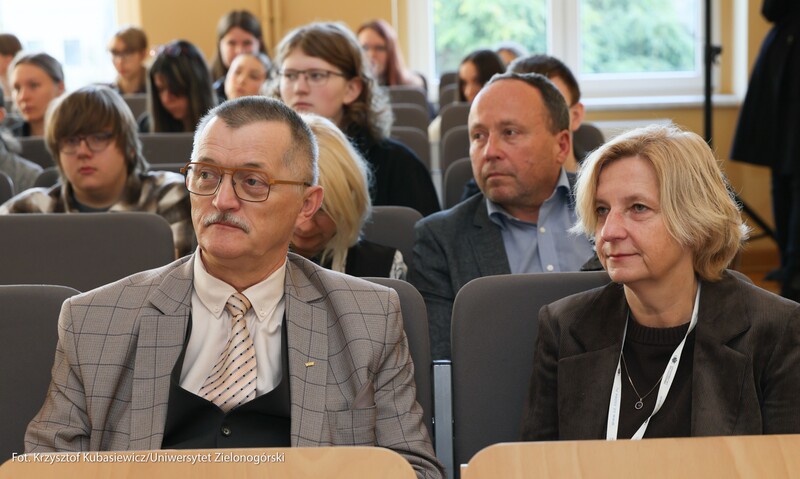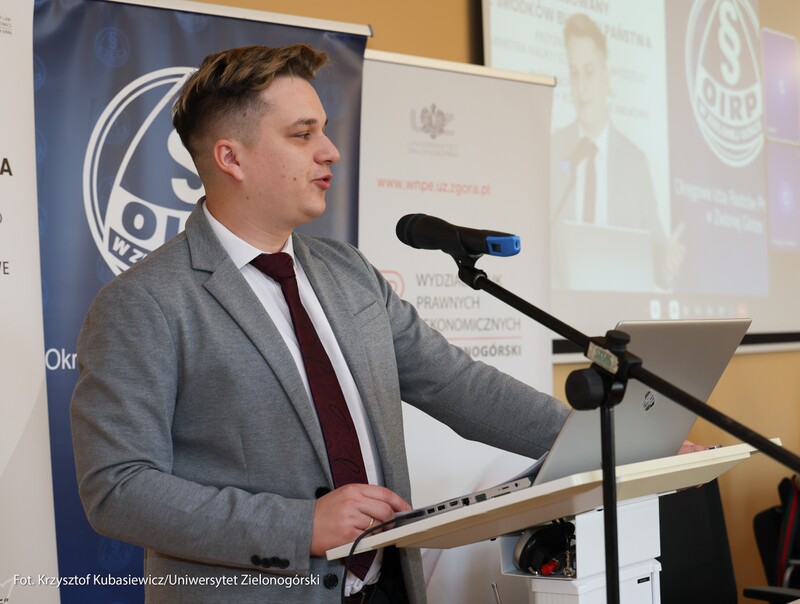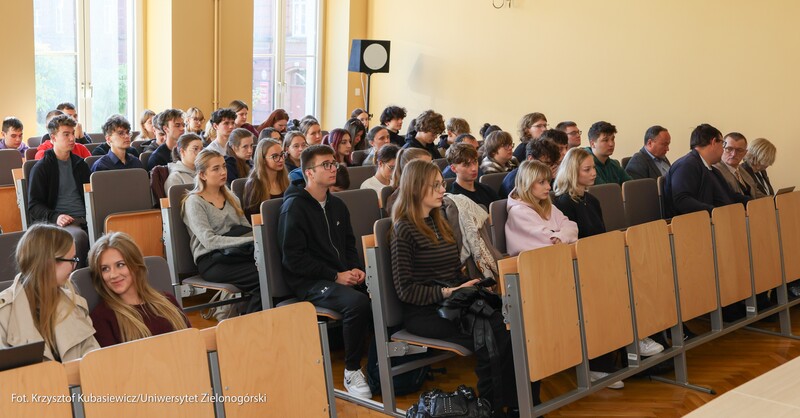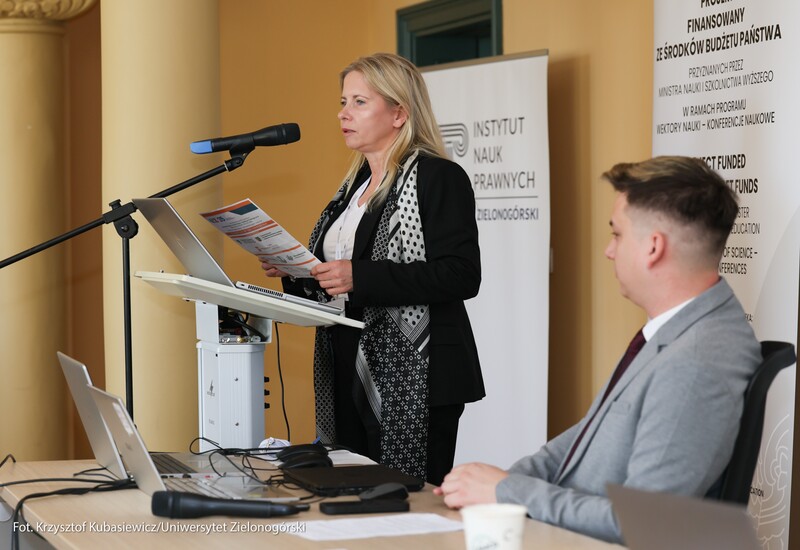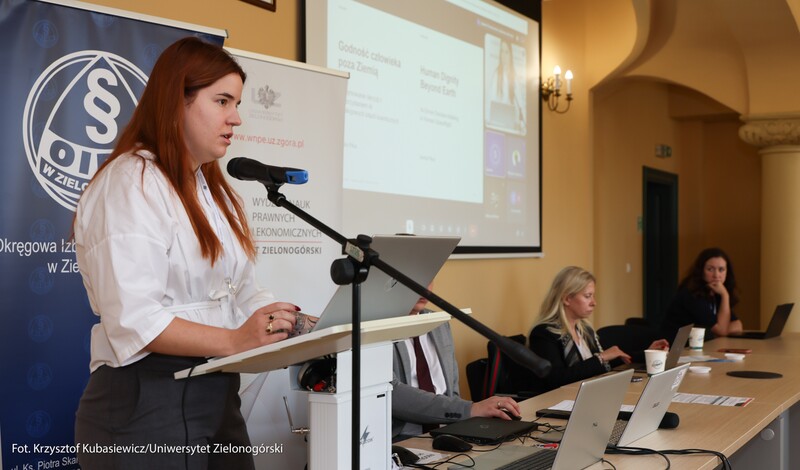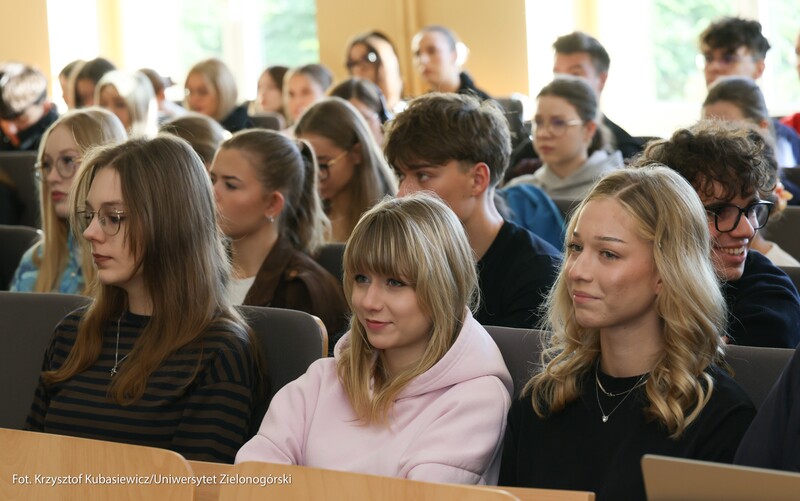
The ethics of algorithms and human dignity in the context of the bioethical challenges posed by artificial intelligence were the focus of an International Scientific Conference organised by the Institute of Legal Sciences and the Faculty of Law and Economics at the University of Zielona Góra. Over the course of two days, legal scholars and experts discussed, among other topics, the triple interplay of artificial intelligence, human action and legal systems, as well as the concept of the dignity equation.
The event featured three thematic panels: ethical, medical and constitutional. The conference participants included experts not only from Poland, but also from Germany, the United States and Portugal, who were invited to exchange views and share their experiences.
“This is an excellent opportunity for discussion. Artificial intelligence is changing a great deal. It influences the way we think and make decisions. It changes our responsibilities and the way we work. This is already happening. As researchers, we must adapt to it and find our place in this reality. If algorithms start solving problems for us, where will our place be?” said Martyna Łaszewska-Hellriegel, PhD, DSc, Professor at the University of Zielona Góra and Director of the Institute of Legal Sciences.
The researchers unanimously emphasised that artificial intelligence should serve as a tool for support. At the same time, careful consideration must be given to how the answers generated by algorithms are used.
“Whenever a new technology emerges, certain risks also appear. We must learn how to use these solutions and tools properly. Perhaps it is more accurate to describe them as challenges. It is necessary to establish legal frameworks and procedures for the proper use of these technologies. Skills and sound judgement are also essential in assessing what benefits can be achieved through their use,” emphasised Justyna Patalas-Maliszewska, Professor, Vice-Rector for Research and International Cooperation at the University of Zielona Góra.
The experts also expressed optimism about artificial intelligence, provided that it is used responsibly.
“It may become a breakthrough in the development of humanity. It is also a valuable aid in scientific research. Of course, caution is necessary, but I do not share the catastrophic visions associated with AI. From my perspective, the most important issue is the legal regulation of these matters. Current regulations still do not meet the requirements of contemporary life,” explained Professor Sylwia Wojtczak from the University of Łódź.
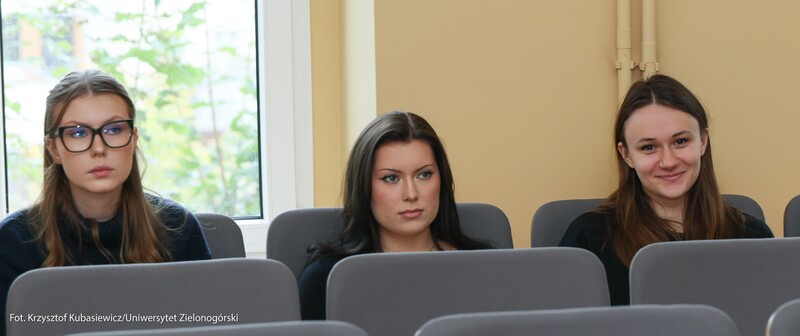
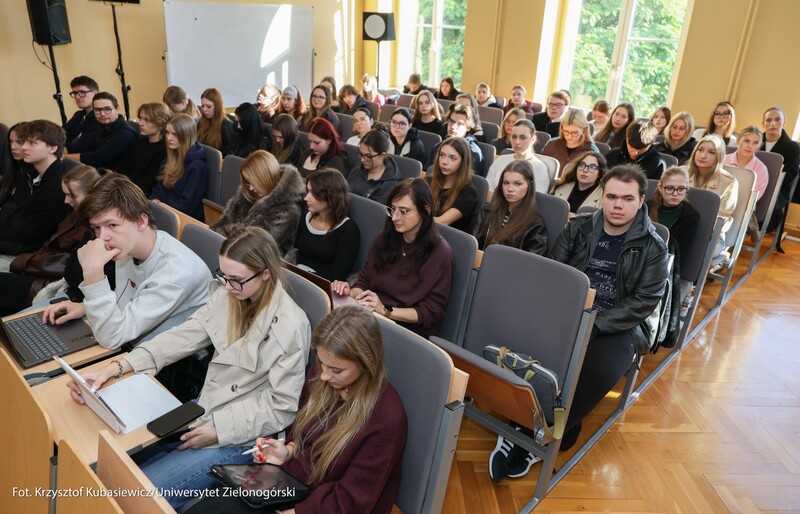
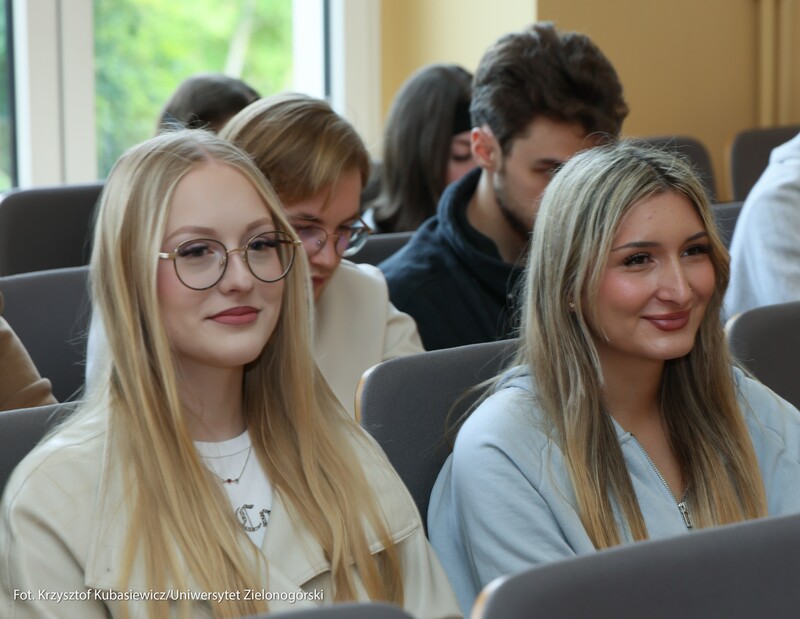
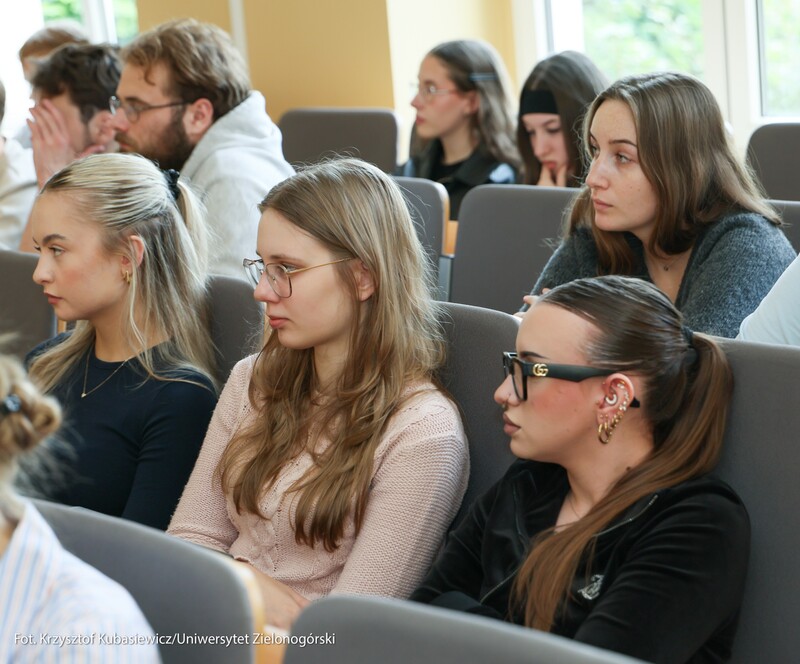
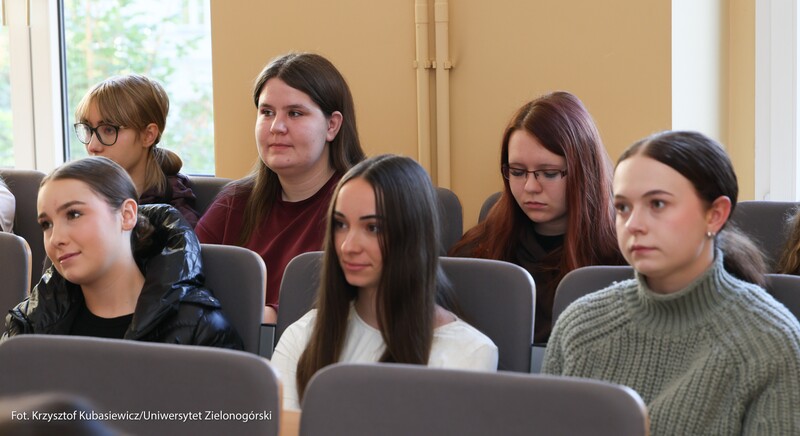
Among the conference participants were also law students from the University of Zielona Góra.
“In general, I believe that it supports the learning process. Artificial intelligence is helpful, for example, when studying large amounts of material. However, we cannot ignore the risks associated with excessive use of AI. From my perspective, I have noticed a growing tendency among some of my peers to rely too heavily on these tools in their studies. They depend almost entirely on artificial intelligence, which may lead to certain gaps in their knowledge,” commented Fabian Borowski, a law student at the University of Zielona Góra.
The International Scientific Conference “The Ethics of Algorithms and Human Dignity: The Bioethical Challenges of AI” was financed from the state budget through funding awarded by the Minister of Science and Higher Education under the Vectors of Science (Wektory Nauki) programme.