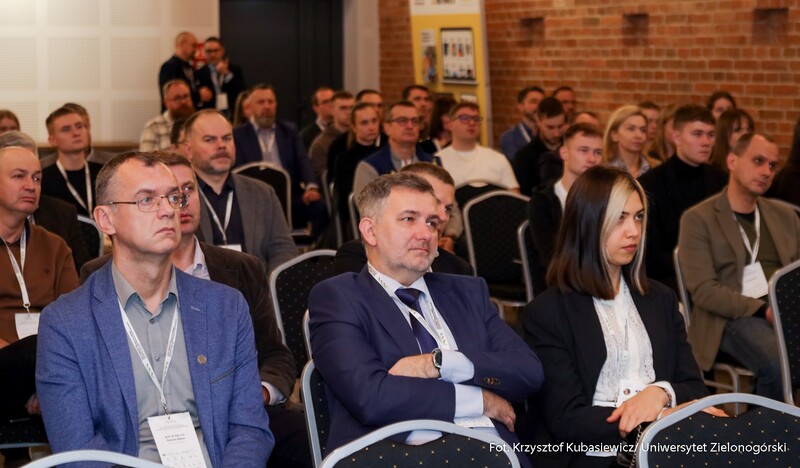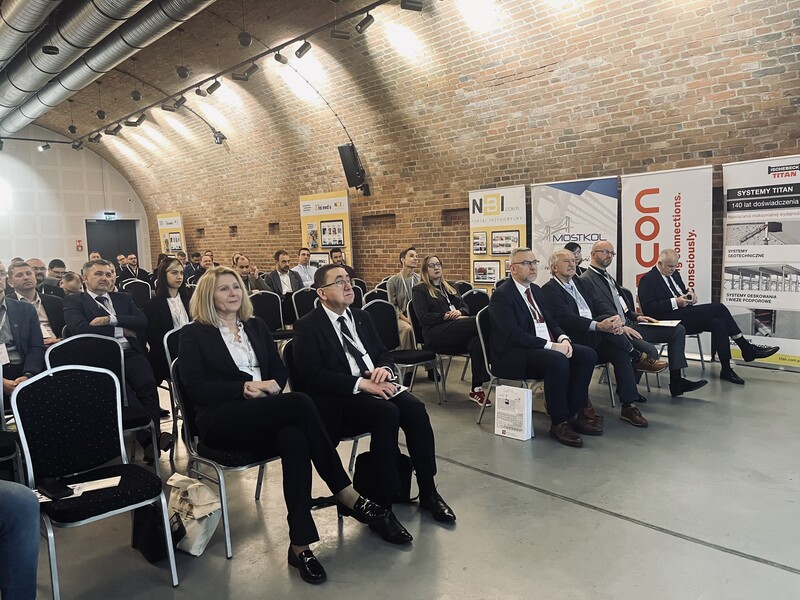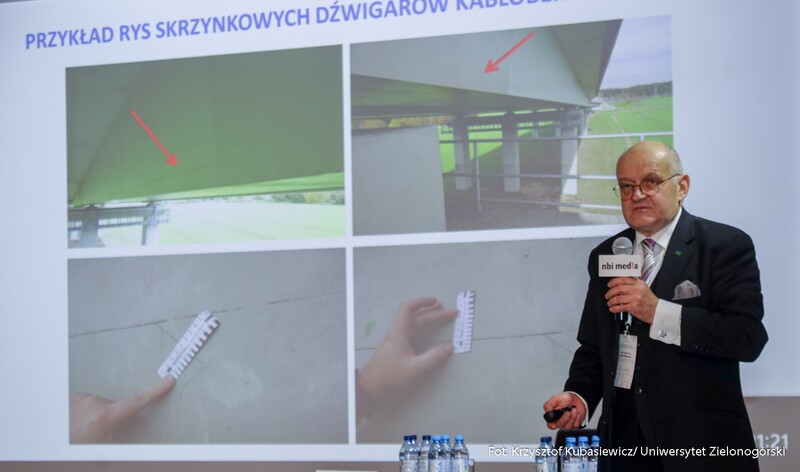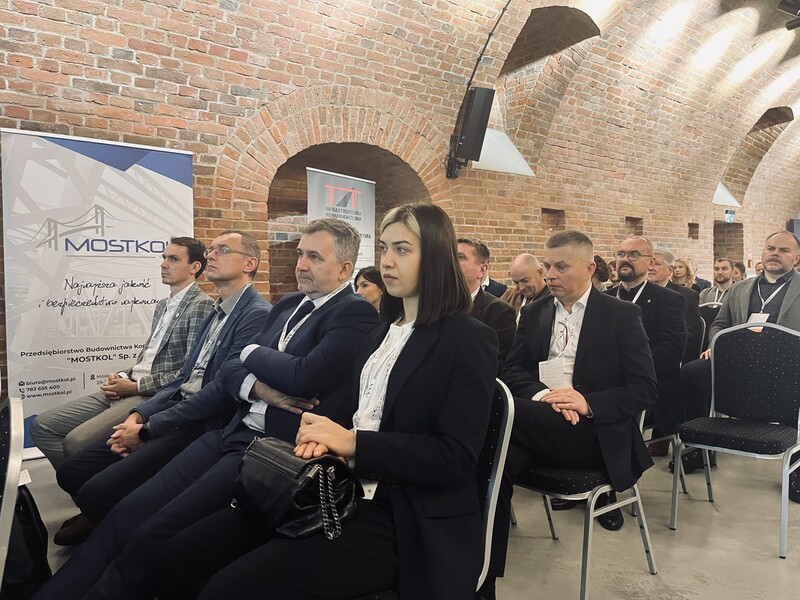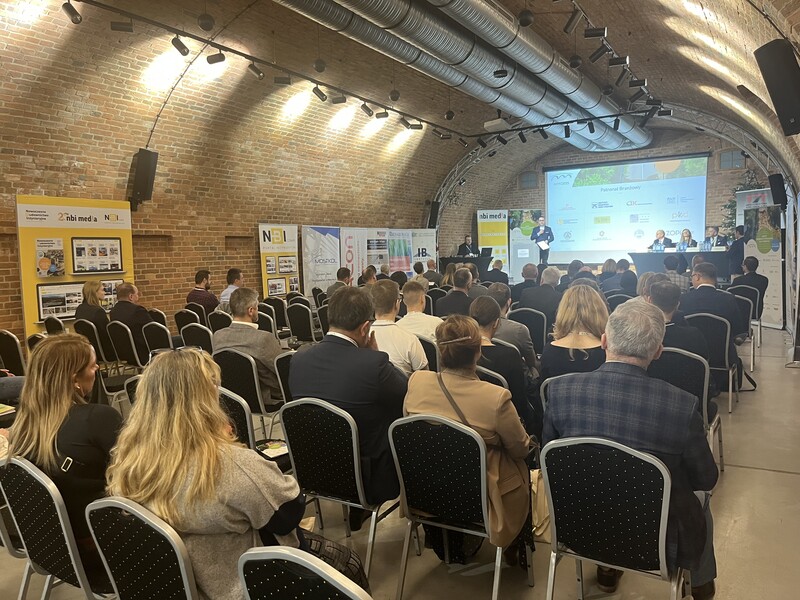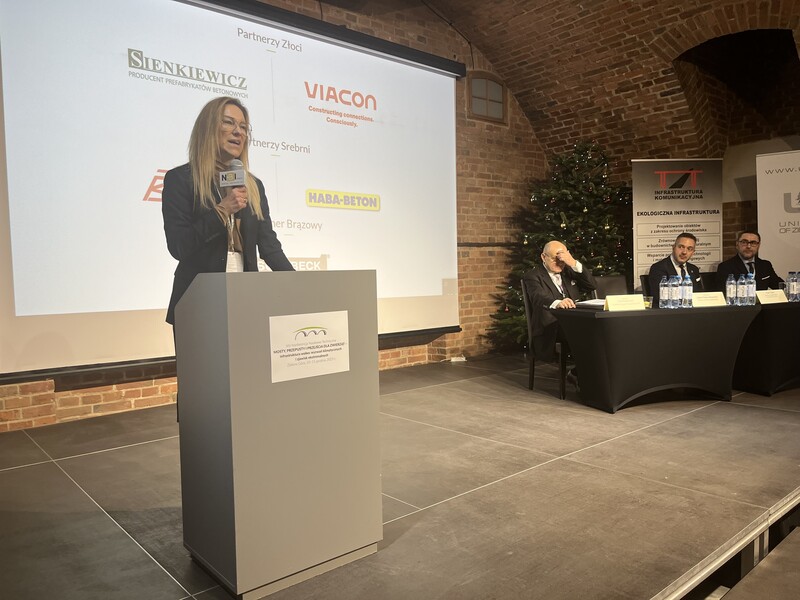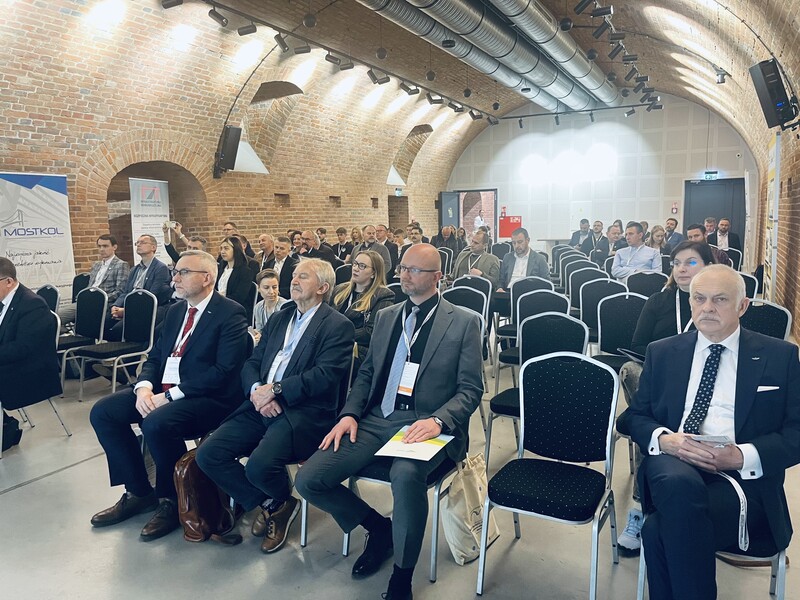
The 14th Scientific and Technical Conference entitled “Bridges, Culverts and Wildlife Crossings – Infrastructure in the Face of Extreme Events” has concluded. The event was held on 10–11 December in Zielona Góra. Experts from nearly all regions of Poland took part in discussions and sought optimal solutions, among others, in the field of infrastructure resilient to extreme weather phenomena, including floods.
A significant portion of the discussions was also devoted to environmental issues, in particular to safe wildlife crossings.
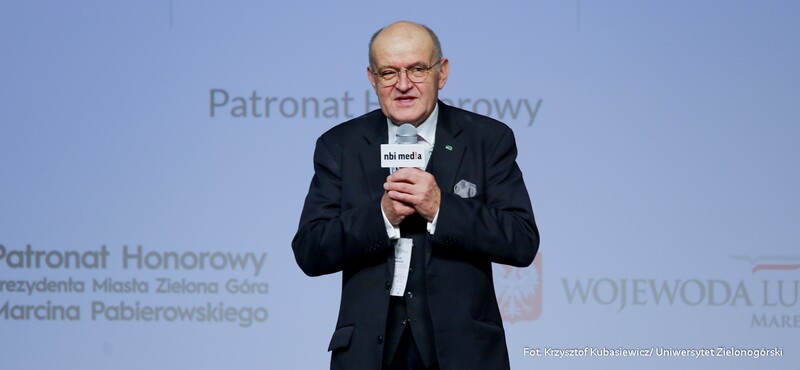
“This is a very challenging topic, as it requires cooperation between structural engineers and ecologists. We must avoid certain mistakes in both road and railway infrastructure. The key issue is to prevent situations in which no animals migrate through half of the constructed wildlife crossings. All such solutions must be carefully analysed and consulted with ecologists. The idea behind this conference is simple – we should support one another and engage in interdisciplinary dialogue. Exchanging knowledge and experience is essential. Combining the expertise of all specialists is of great importance,”
said Prof. Adam Wysokowski, PhD, DSc, Eng., Head of the Department of Road, Railway, Bridge and Tunnel Engineering at the University of Zielona Góra.
According to statistics, small engineering structures, such as wildlife crossings, are the most numerous on Polish roads.
“They may not be large in size, but they solve major problems related to animal migration. It is crucial to design them properly and then maintain them effectively. This is an extremely important topic for everyday engineering practice. Meetings such as this one perfectly combine theory and practice – and only such a combination can lead to positive outcomes. There is no good engineer without solid scientific foundations, followed by appropriate practical training,”
emphasised Prof. Damian Bęben, PhD, DSc, from the Opole University of Technology.
One of the partners of the event was the University of Zielona Góra.
“We are discussing not only issues related to the construction industry, which is our discipline of civil engineering, but also environmental protection. The conference addresses infrastructure development in the context of climate challenges and extreme phenomena. Experts are also debating how to maintain a balance between the necessary expansion of infrastructure and environmental sustainability. It is very encouraging that such a meeting is being held at our university,”
commented Prof. Justyna Patalas-Maliszewska, PhD, DSc, Eng., Vice-Rector for Research and International Cooperation at the University of Zielona Góra.
Experts unanimously emphasised that there are no final or closed solutions in engineering.
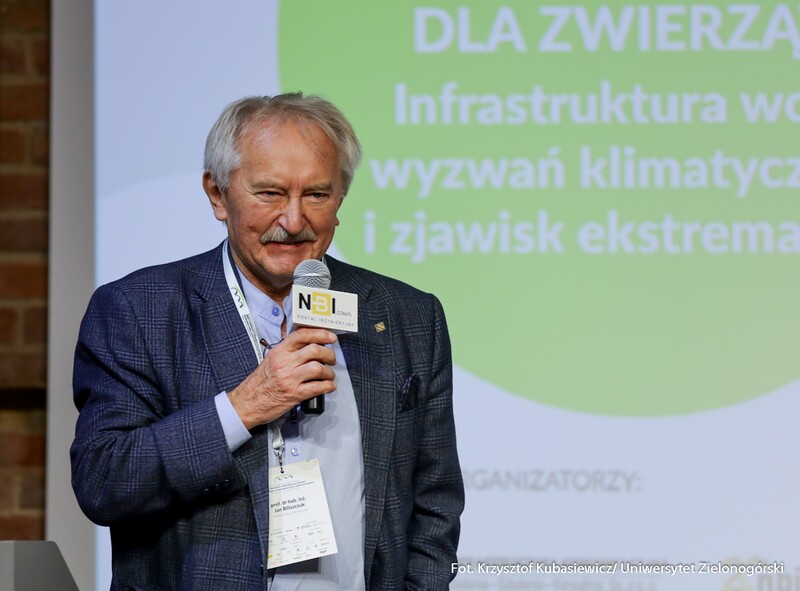
“Just as with mobile phones, televisions or cars, new models constantly appear on the market. The same applies to this entire field. New solutions and ideas will continue to emerge and must be continuously evaluated, as not all of them prove effective. We should implement those that are superior to previous concepts. Conferences of this kind serve as a driving force for progress and offer an opportunity to enhance the qualifications and competencies of engineers who graduated several years ago, enabling them to keep pace with innovation and technological development,”
explained Prof. Jan Biliszczuk, PhD, DSc, Eng., from the Wrocław University of Science and Technology.
Among the topics discussed during the Zielona Góra edition of the 14th Scientific and Technical Conference “Bridges, Culverts and Wildlife Crossings – Infrastructure in the Face of Extreme Events” were issues related to the return to traditional principles of maintaining railway bridges and viaducts, low-emission solutions for small-span structures, prefabricated arch-type wildlife crossings, modernisation of critical energy infrastructure, and prefabricated protective structures for civil defence.