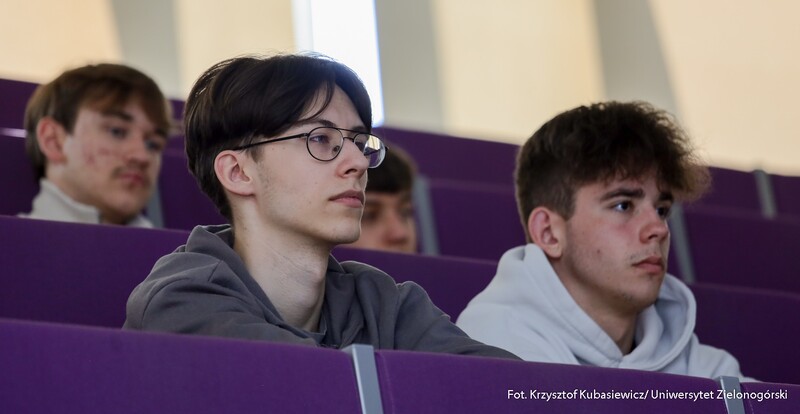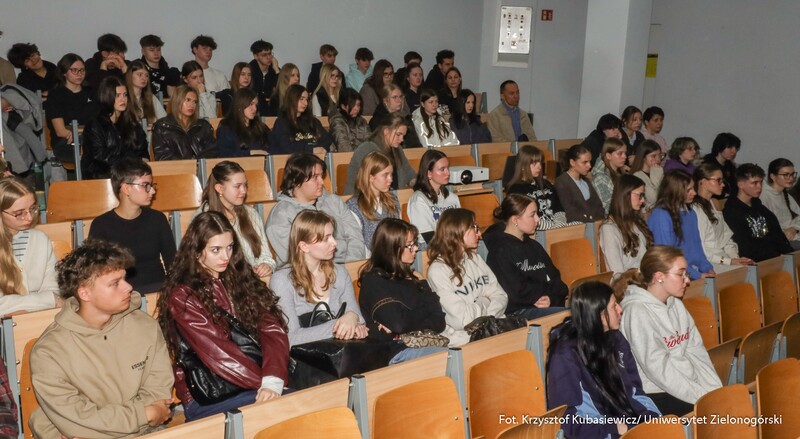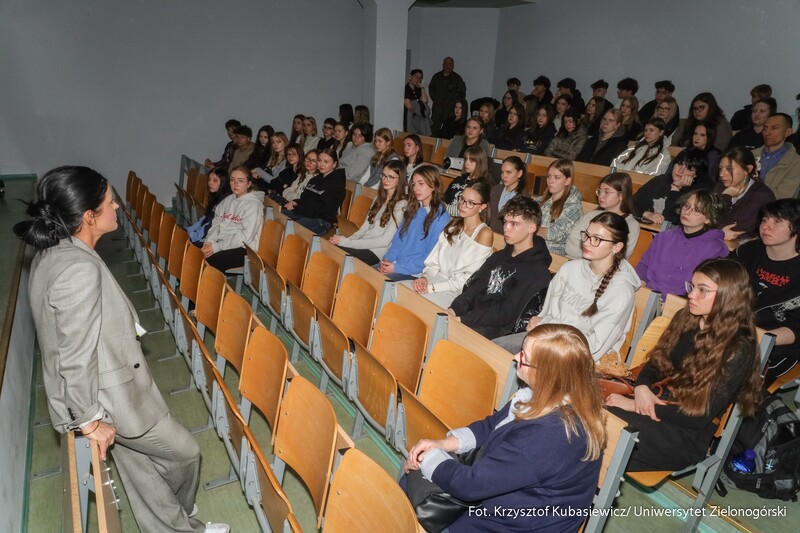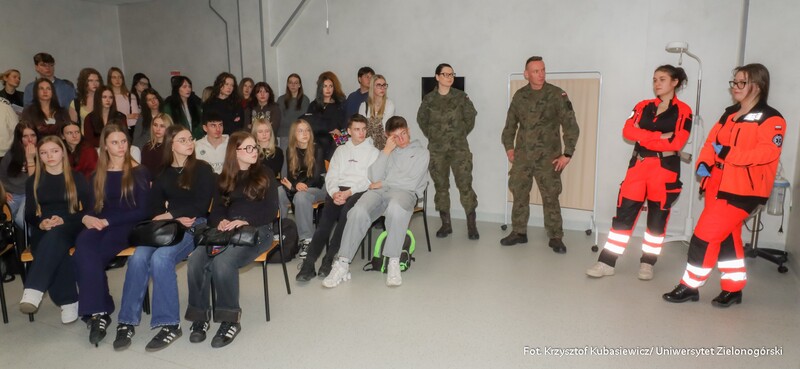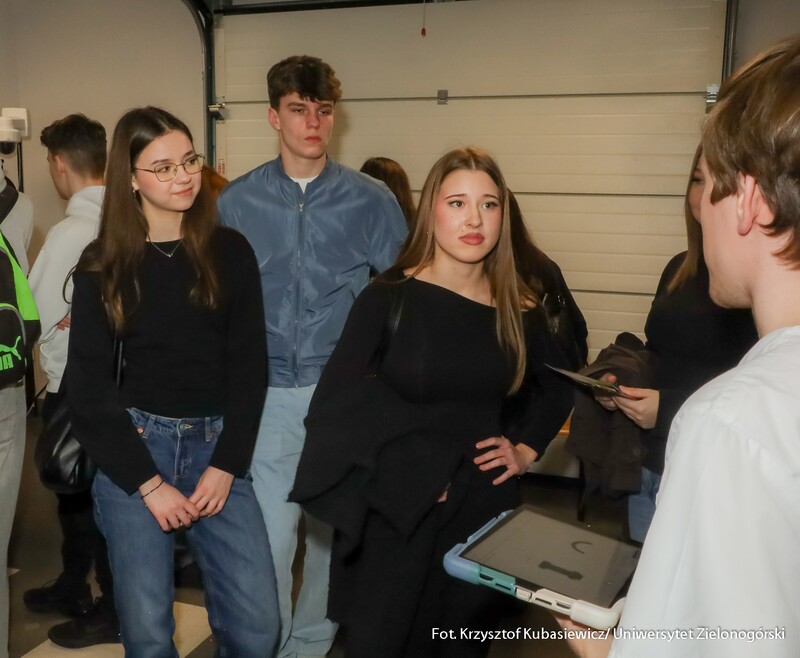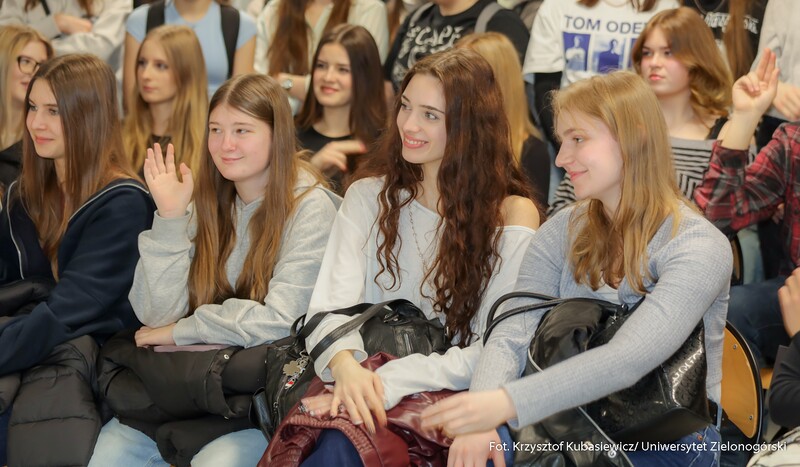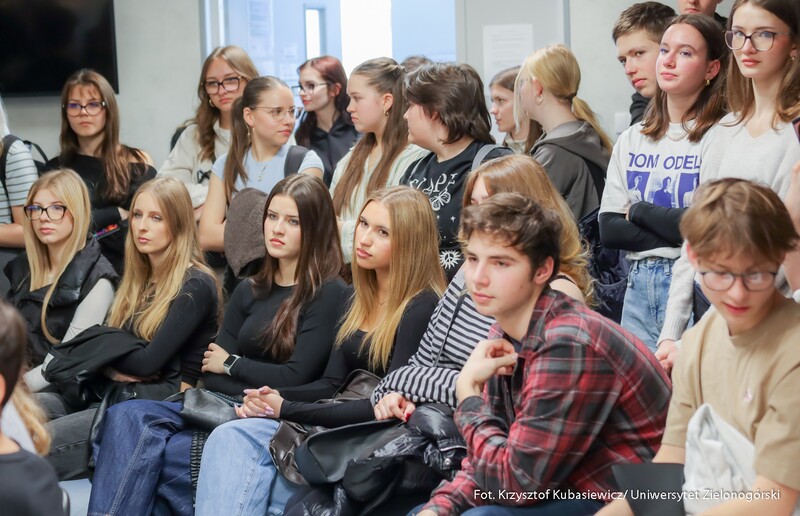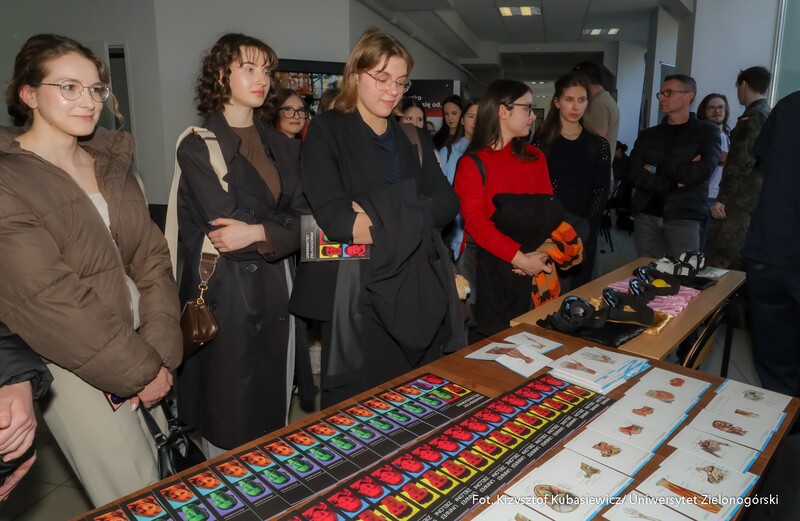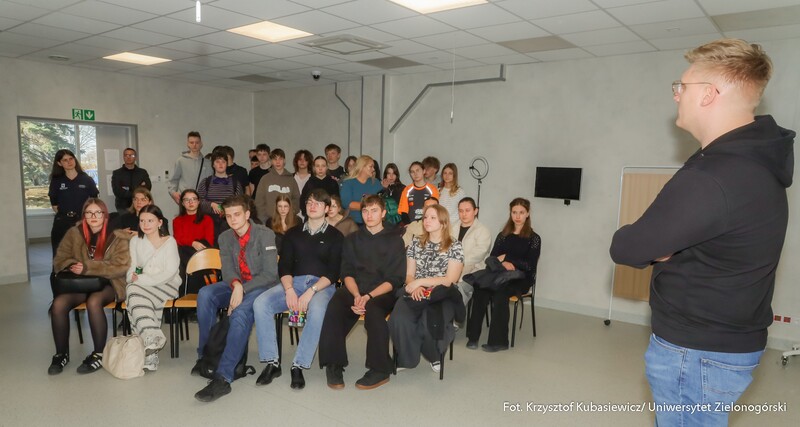
We are now halfway through this year’s Faculty Open Days at the University of Zielona Góra. Secondary school students have already had the opportunity to explore the offers of the Faculty of Law and Economics, the Faculty of Engineering and Technical Sciences, and the Faculty of Medicine and Health Sciences. What did the students and lecturers prepare this year? And how are young people—who will soon face the important decision of choosing their field of study—reacting to these events?
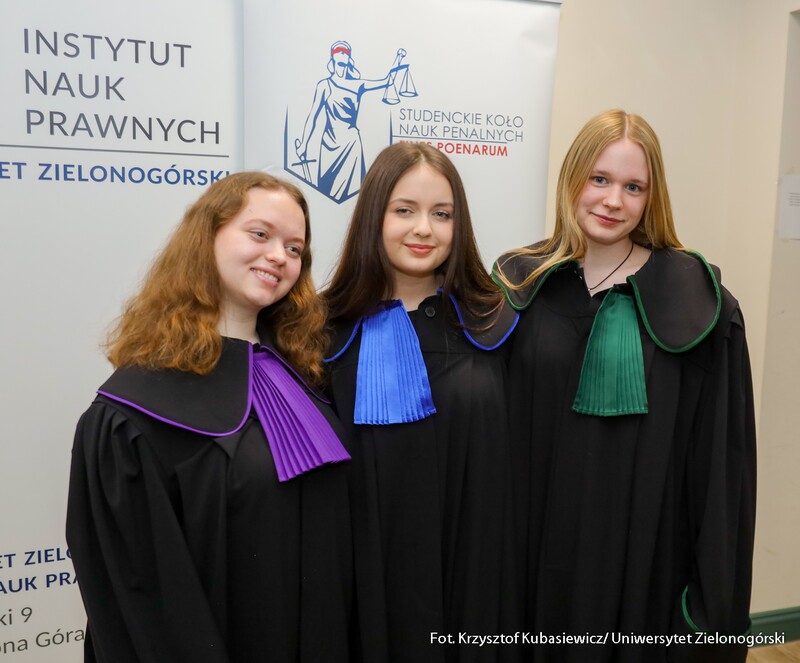
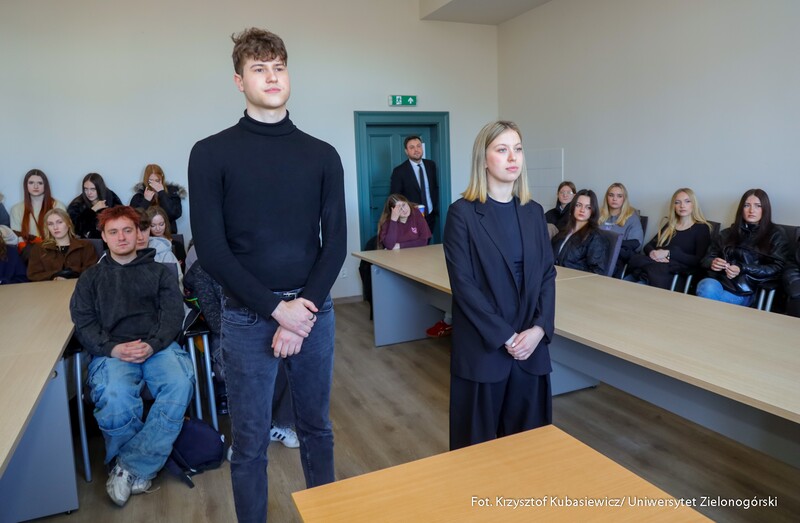
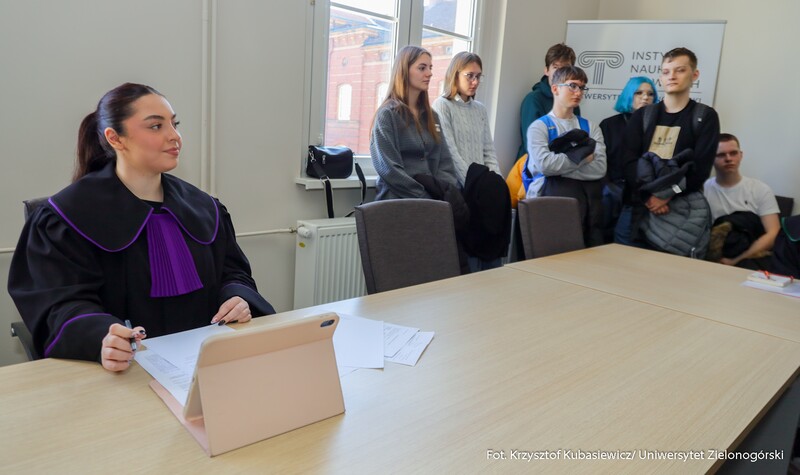
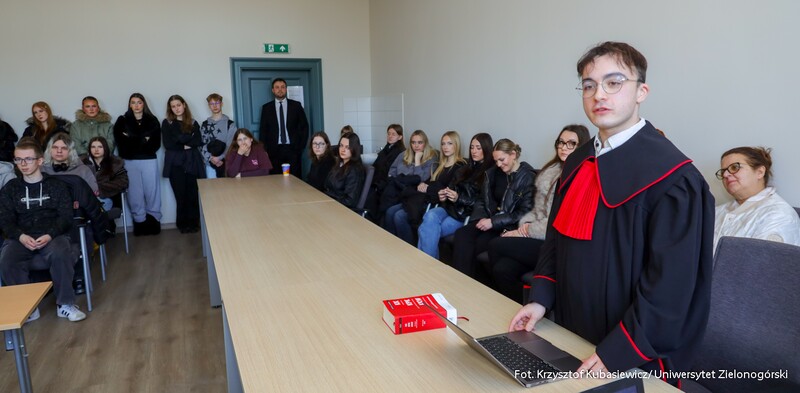
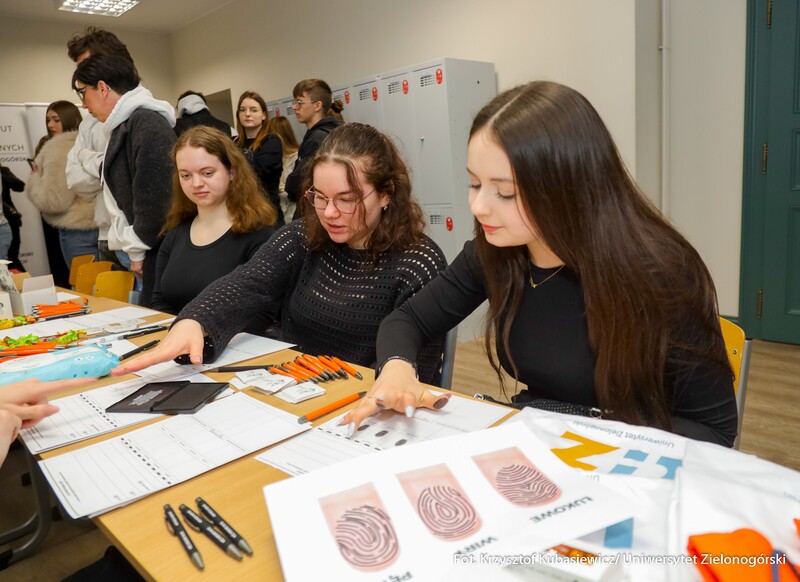
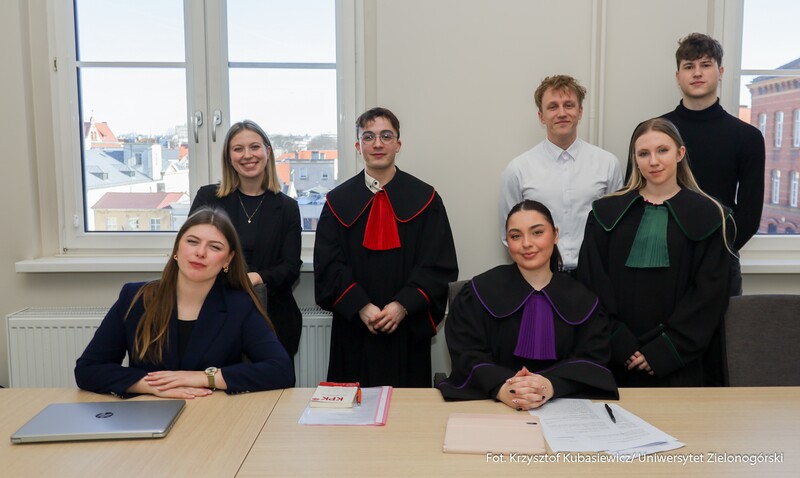
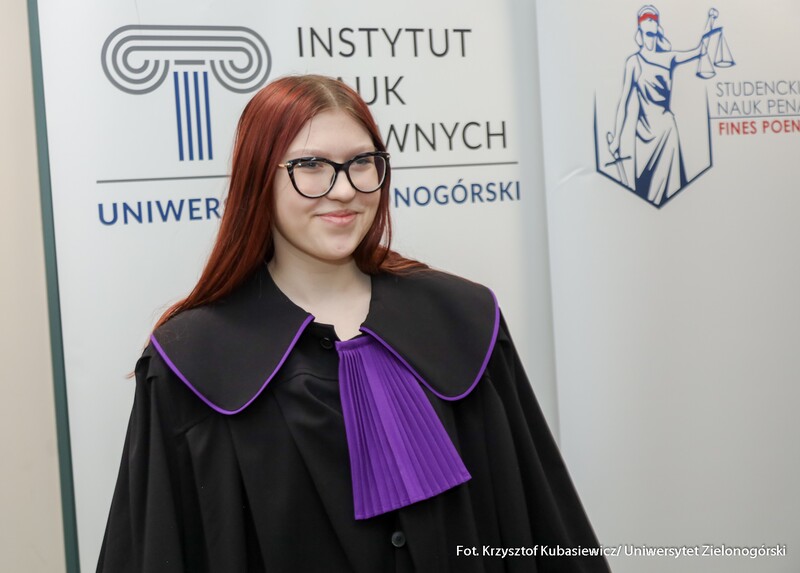
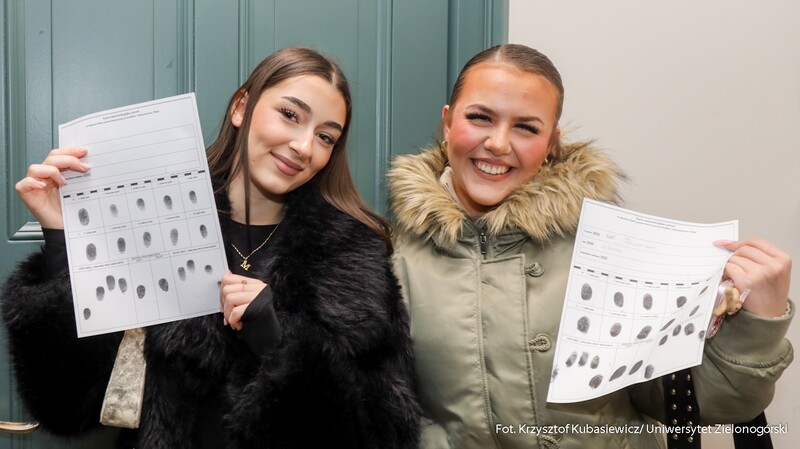
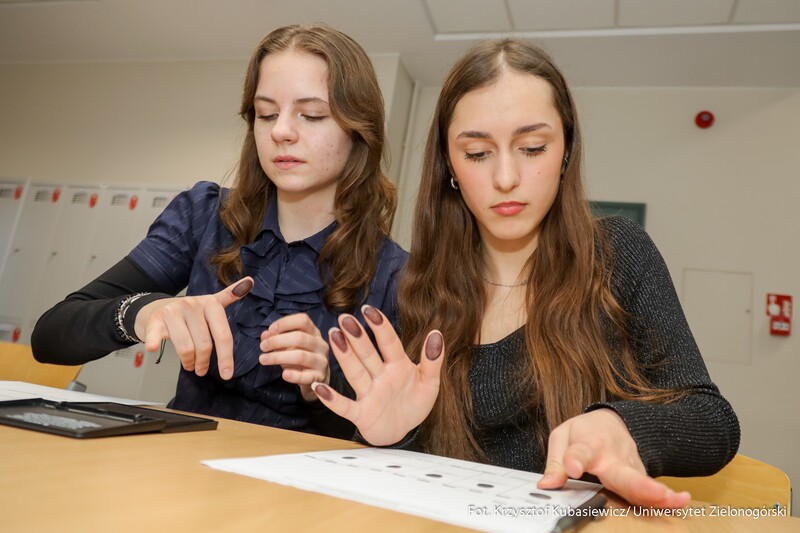
This year’s Faculty Open Days began at the Faculty of Law and Economics. Students eagerly took part in the presentations and lectures that had been prepared for them. Among the attractions were quizzes and criminal investigation puzzles, as well as the opportunity to take a selfie in a judge’s robe. Participants also learned about their fingerprints and took part in a staged criminal trial.
As described by Natan Zapał, a third-year law student:
“The staged court hearing concerned the issue of driving under the influence of alcohol. The court adopted the legal classification under Article 178a. In the case presented, the suspect had 1.5 per mille of alcohol in his breath. Despite this, he got into his car and wanted to drive to his wife. According to the accused, he wanted to help her because she was very ill. The entire hearing was conducted—from the presentation of the indictment to the closing statements. As for the verdict, it was not revealed. We allowed our audience to decide for themselves, morally and personally, whether the man should be convicted for the act he committed or not. Opinions among the audience were divided. Some people followed the line of argument presented by the defense, claiming that the circumstances—driving to help his wife—should lead to acquittal. However, the majority of students who watched the simulation found the accused guilty. We prepared under the supervision of Dr. Mateusz Tomczyk from the Institute of Legal Sciences at UZ. We met at the faculty to write the entire script for the hearing—its structure, outline, and closing statements. We had to learn them and practice delivering them. The legal classifications and the evidence we had to analyze were also quite extensive. Our work paid off, because we were able to present students with a glimpse of what we will be doing in the future.”
Students from the Professor Tadeusz Kotarbiński III General Secondary School in Zielona Góra—Maja, Julia, and Łucja—were impressed:
“All three of us are in the third year of a humanities and law-oriented class. It was interesting to see what a court hearing looks like from the inside, even if it was only a simulation. It was really enjoyable to watch,” they said. They added:
“We came to the Open Day at the Faculty of Law and Economics hoping it would help guide us in choosing our future studies. We still have almost two years to decide, so we are still thinking about what to choose. We decided to come here to see what it looks like and whether we would like to connect our future with it.”
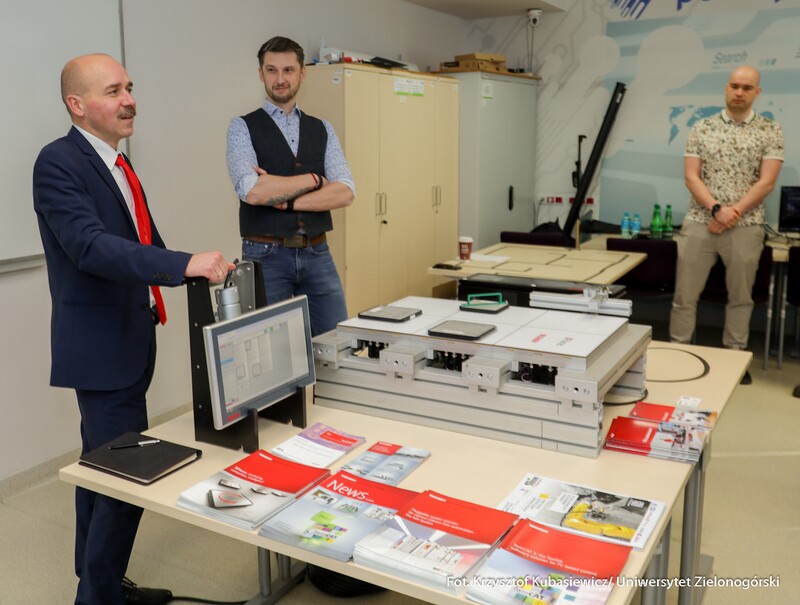
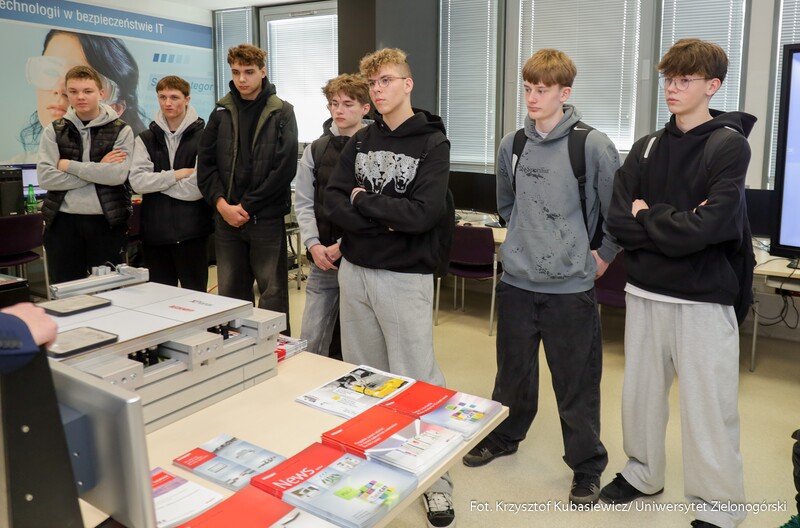
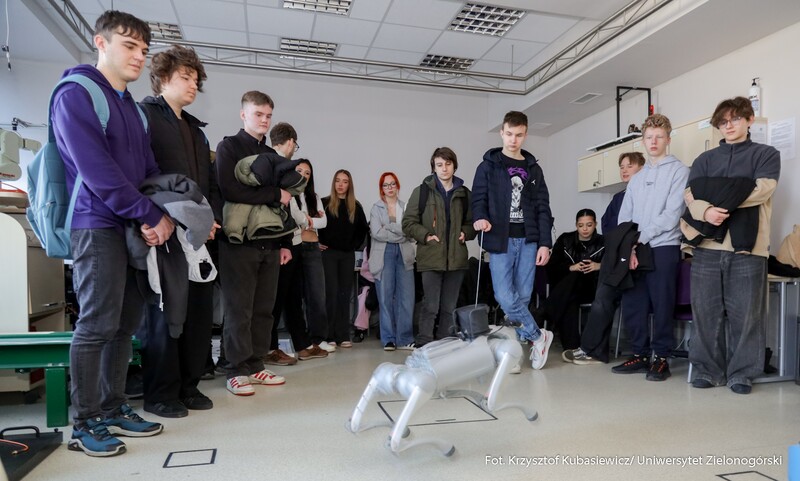
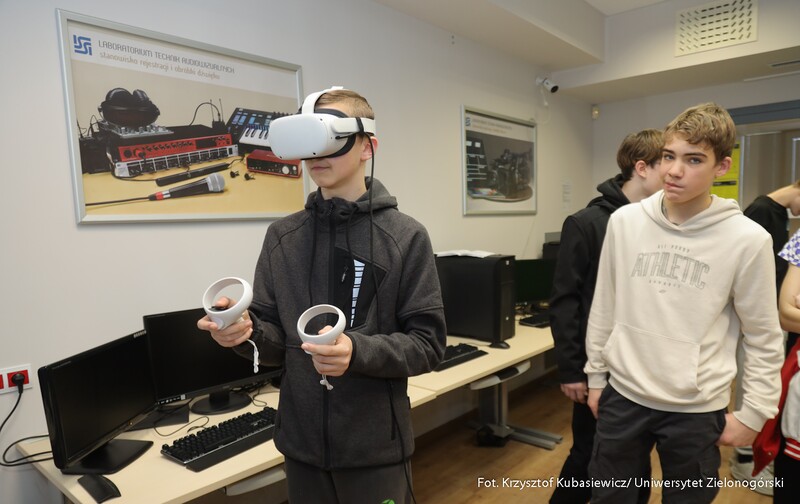
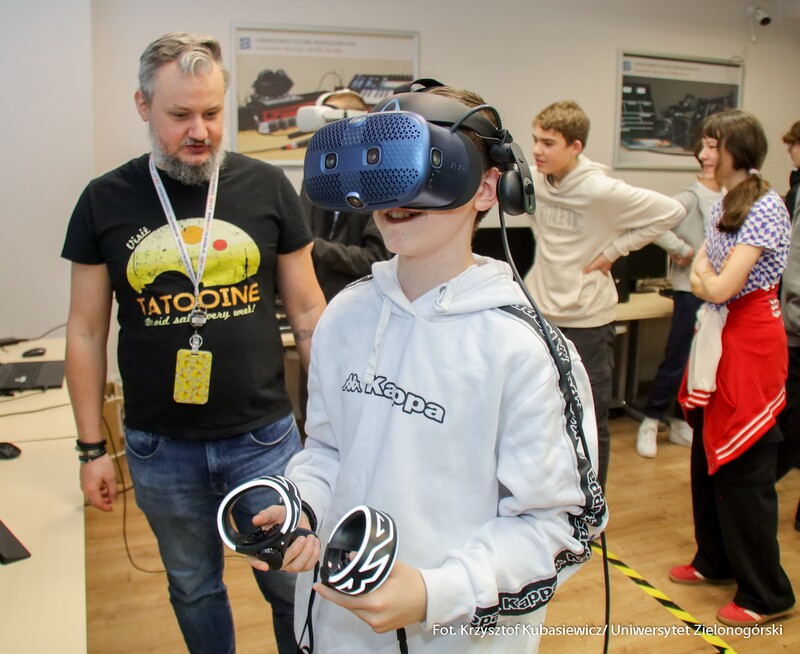
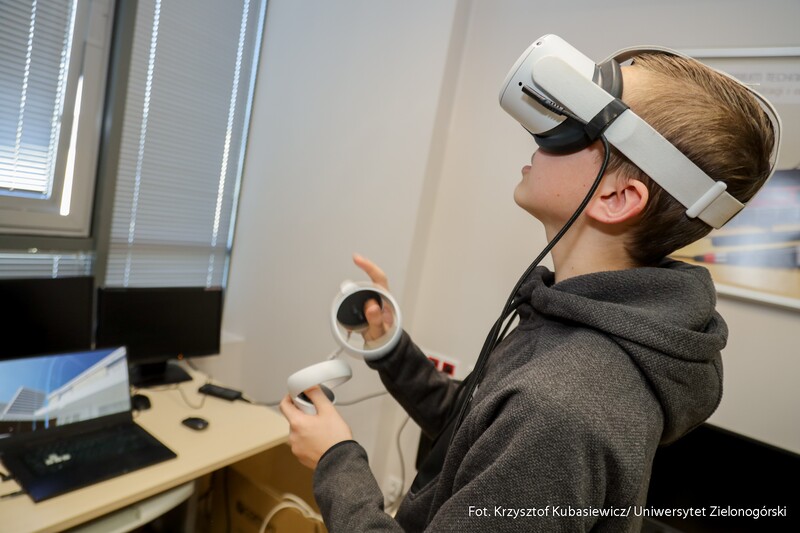
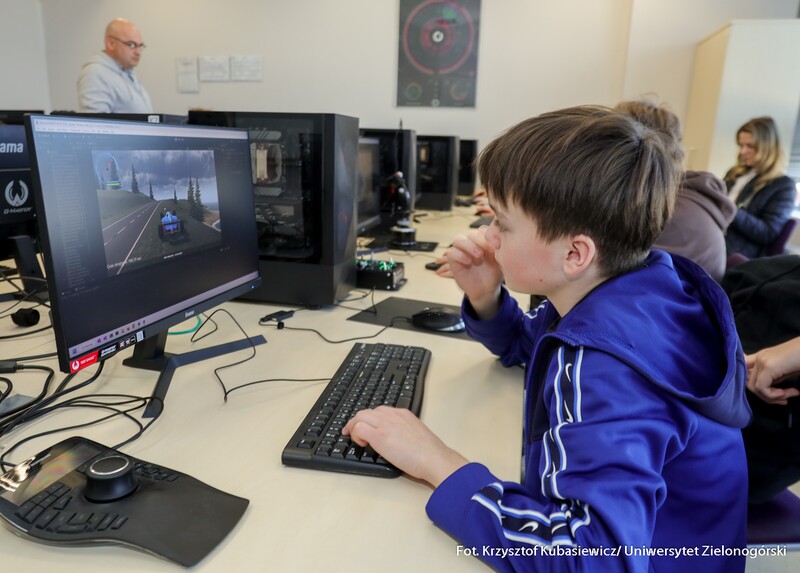
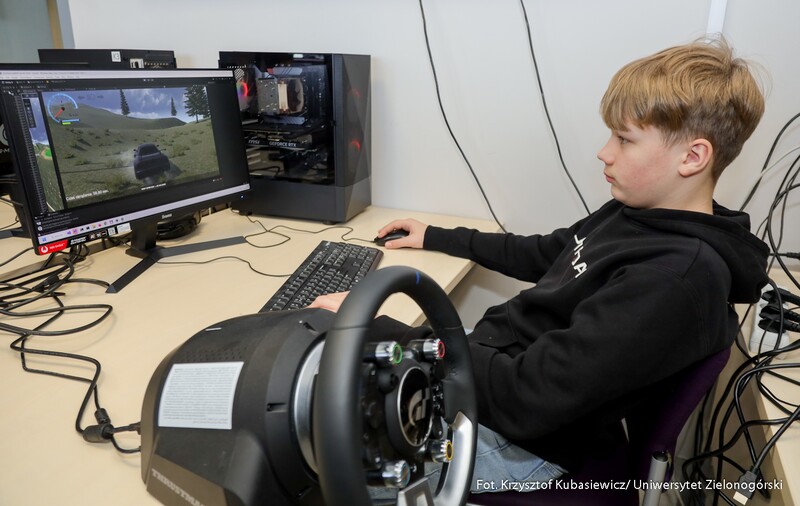
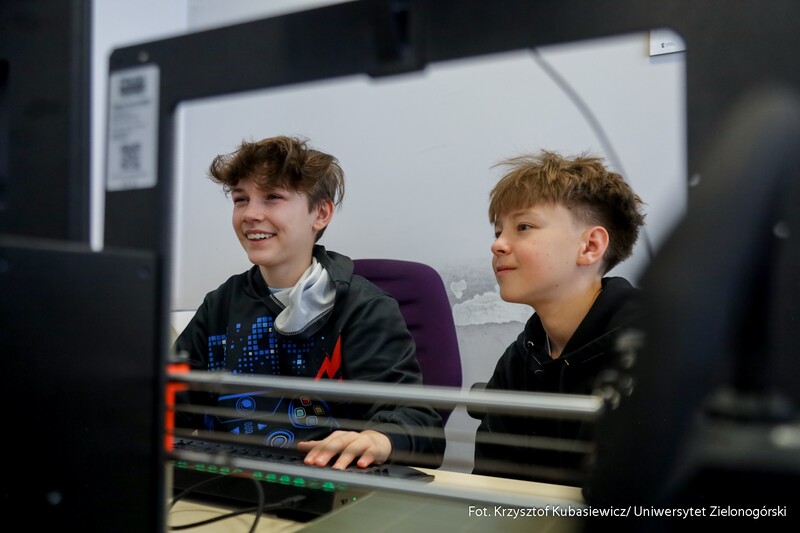
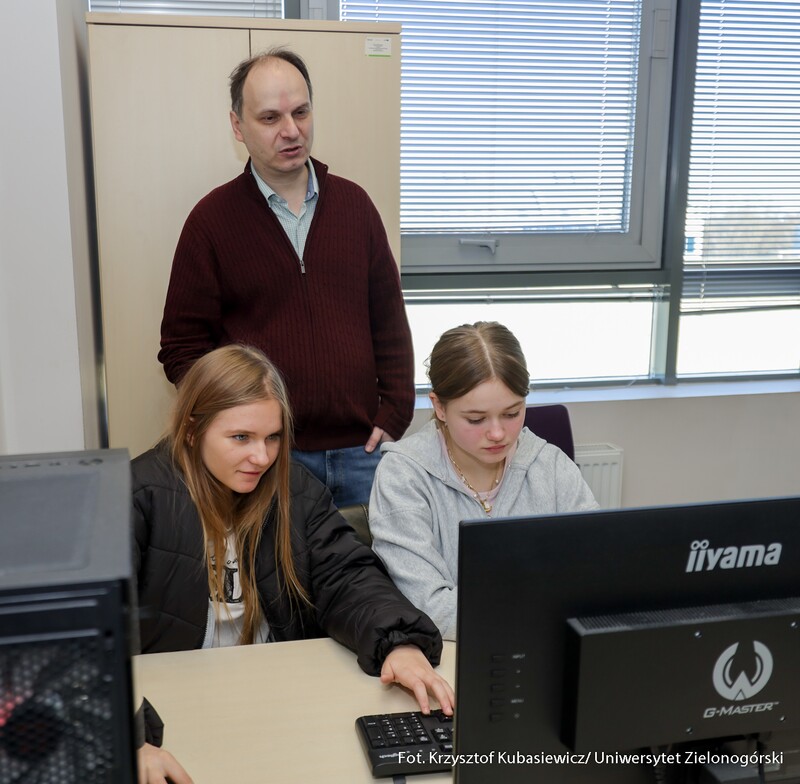
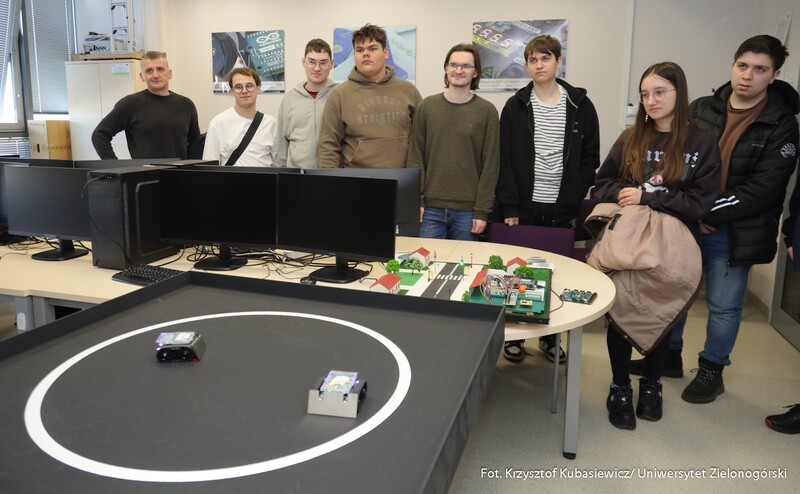
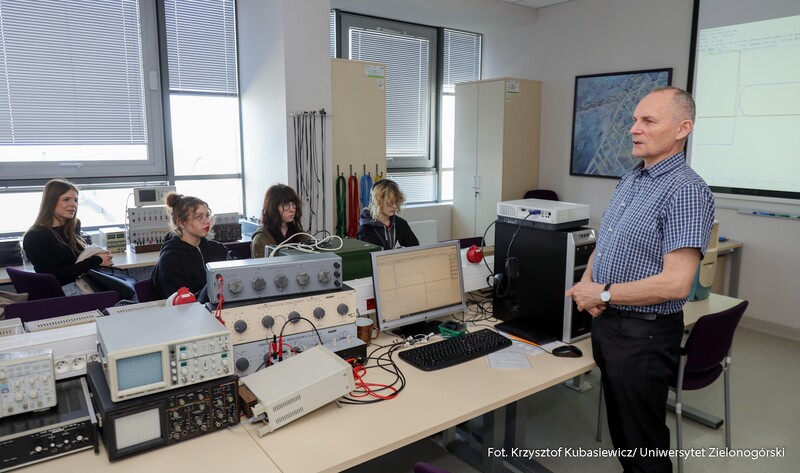
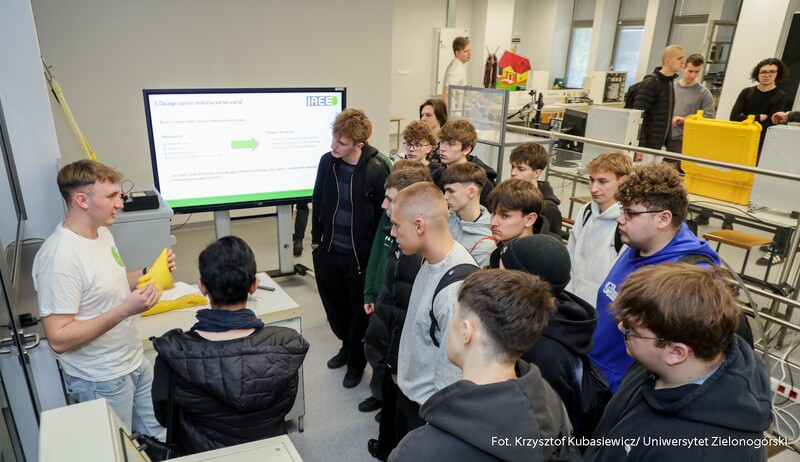
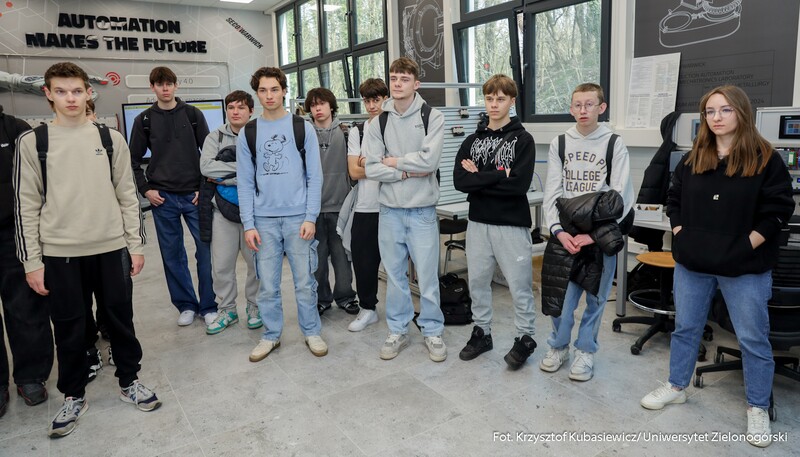
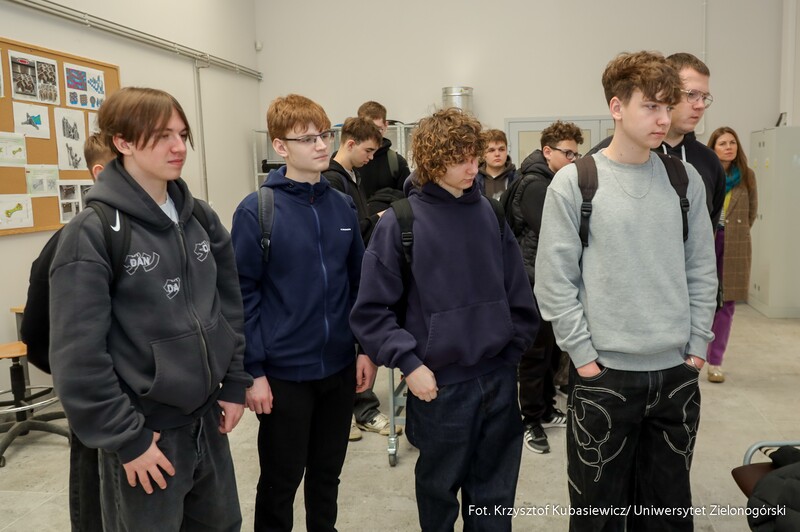
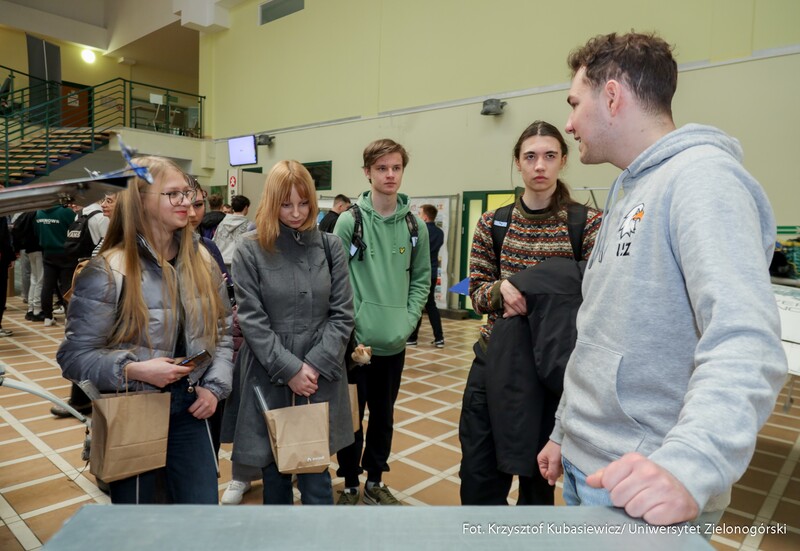
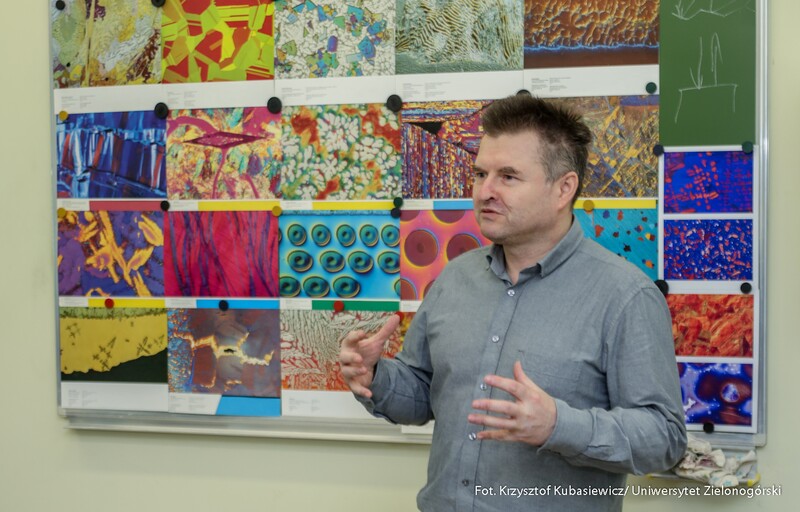
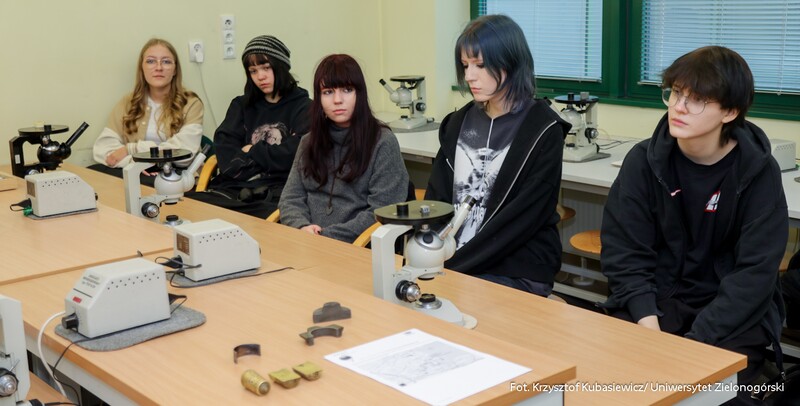
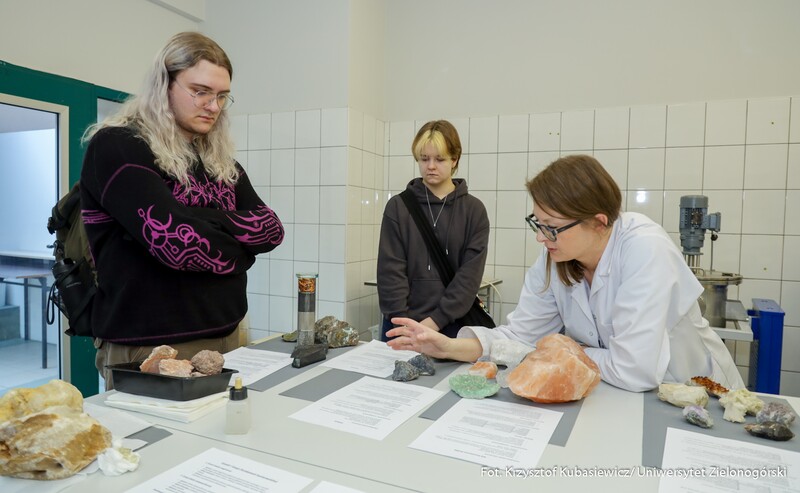
Classrooms and laboratories at the Faculty of Engineering and Technical Sciences were also open to visitors. Students could explore numerous technical demonstrations and participate in workshops and presentations.
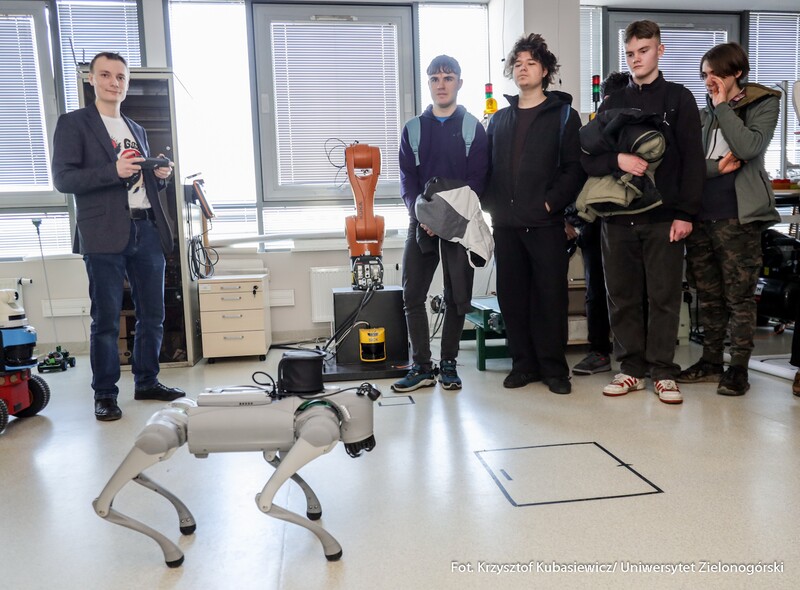
Eng. Piotr Balik, MSc, from the Institute of Control and Computer Engineering at UZ explained one of the demonstrations:
“We prepared a presentation called ‘Robotic Patrol.’ We demonstrated sensor technologies, software operation, and how a robot can navigate in space. As we know, robots are not built the same way as humans. They have different ‘senses’ that allow them to imitate distance assessment or motion detection. We want to show prospective students how engineers learn to understand how a robot can function within its environment.”
Eng. Dominik Zaborniak, MSc, also from the Institute of Control and Computer Engineering, added:
“Students have the opportunity here to combine theory and practice. If someone enjoys technical topics, these classes are really excellent. Even simple concepts can become the basis for interesting projects. For example, controlling an unstable equilibrium point is not just a theoretical example. A rocket launch is a very similar process—the center of mass is located high up, while the engines are at the bottom. The system constantly needs to balance itself to maintain the correct trajectory. When rockets land, they also have to balance continuously, almost like an inverted pendulum. The difference is that the pendulum here might be one meter tall, while a rocket is about 70 meters high and weighs around 500 tons with fuel.”
In another classroom, students attended a presentation titled “Digital Twin – Automation and Robotics in the 21st Century.” As explained by Dr. Eng. Mariusz Buciakowski from the Institute of Automation, Electronics and Electrical Engineering at UZ:
“A digital twin is a digital copy of a machine. If we have machines in industry—or any device—and want to replicate them digitally on a computer, we create what is known as a digital twin. This allows us to test everything and verify how the machine we plan to build will function, whether it operates correctly, and what needs to be improved. Digital twins enable us to design better machines.”
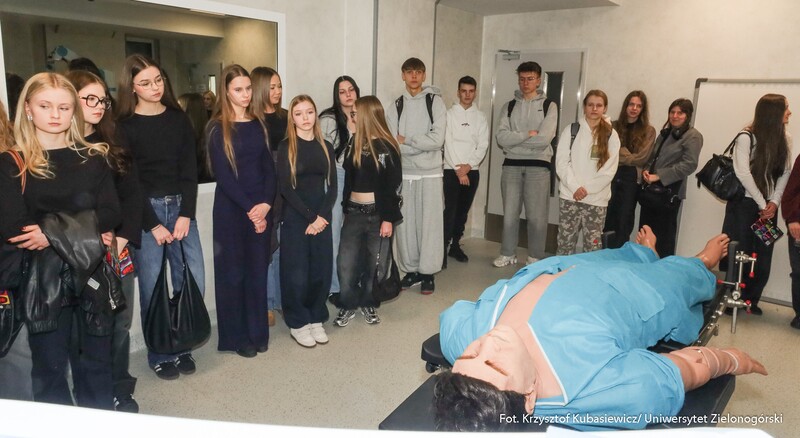
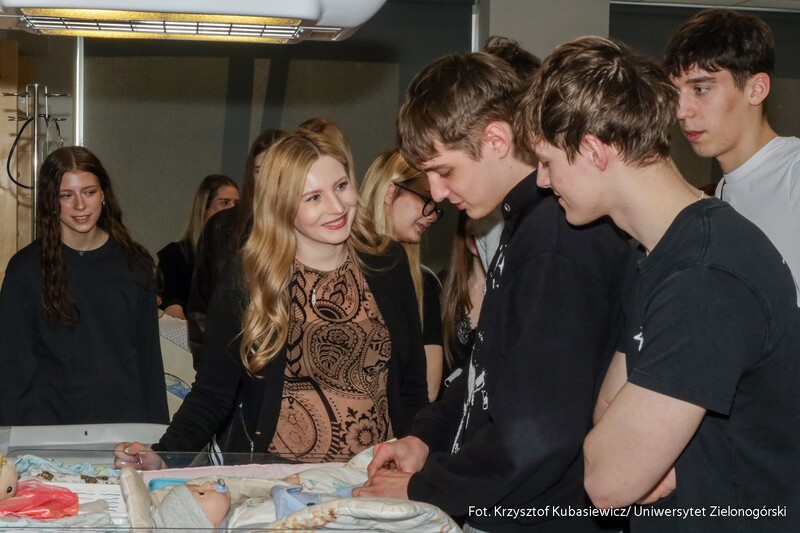
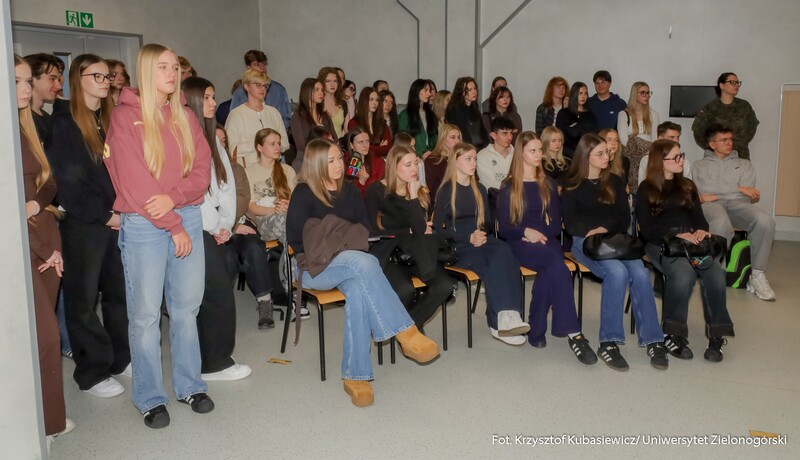
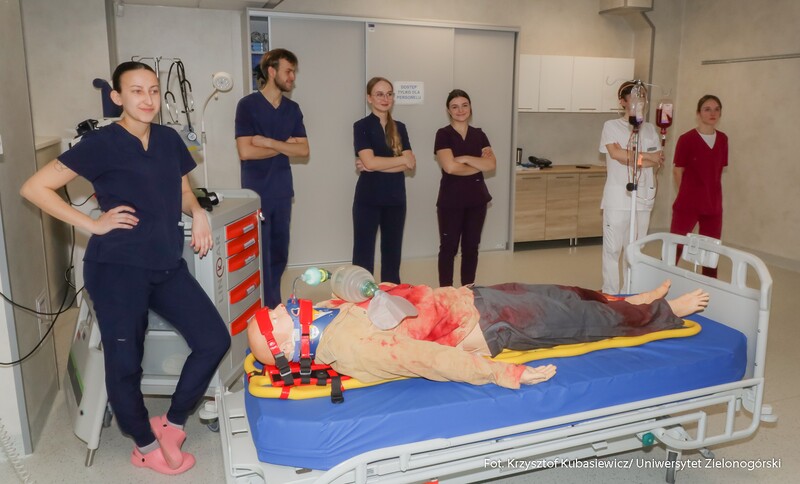
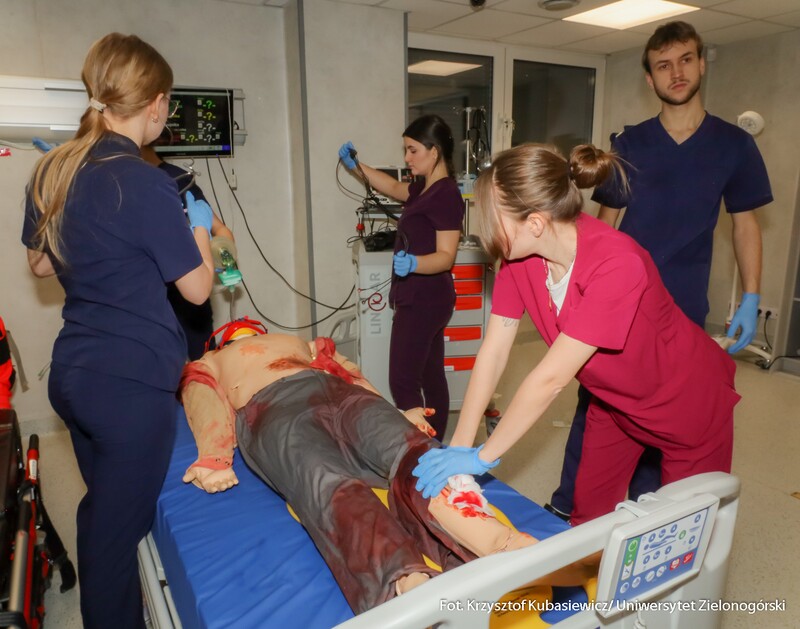
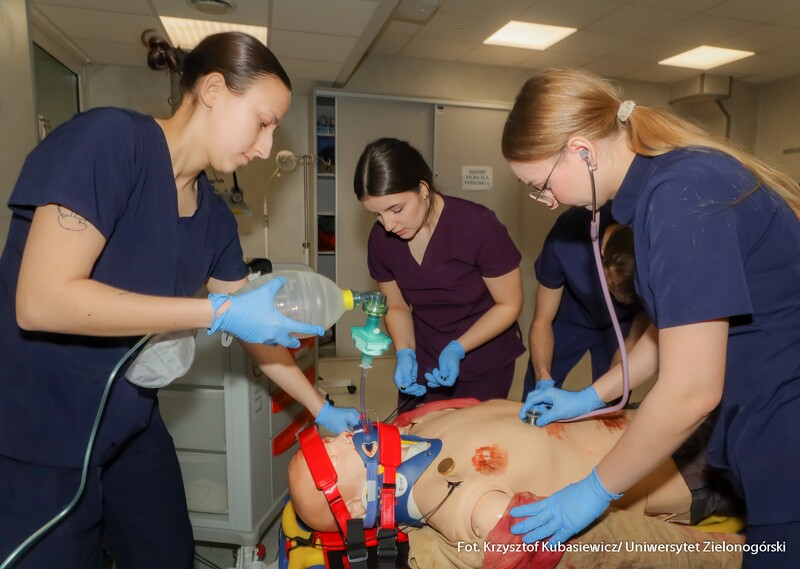
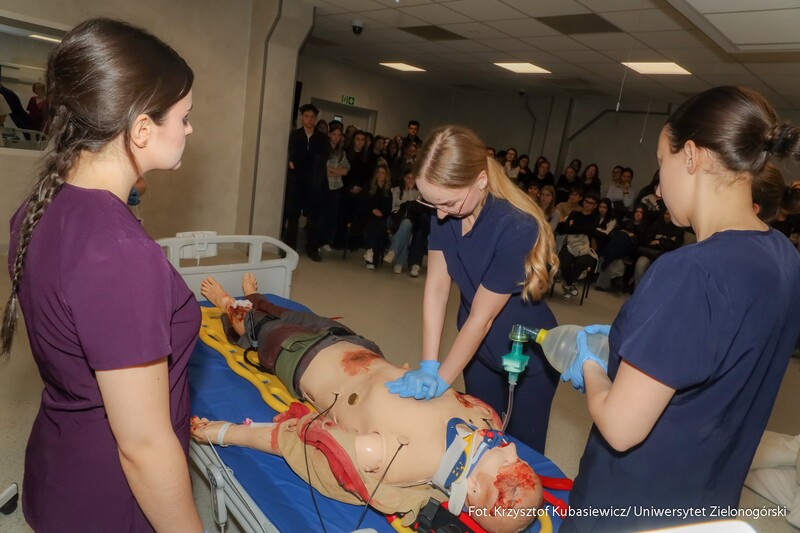
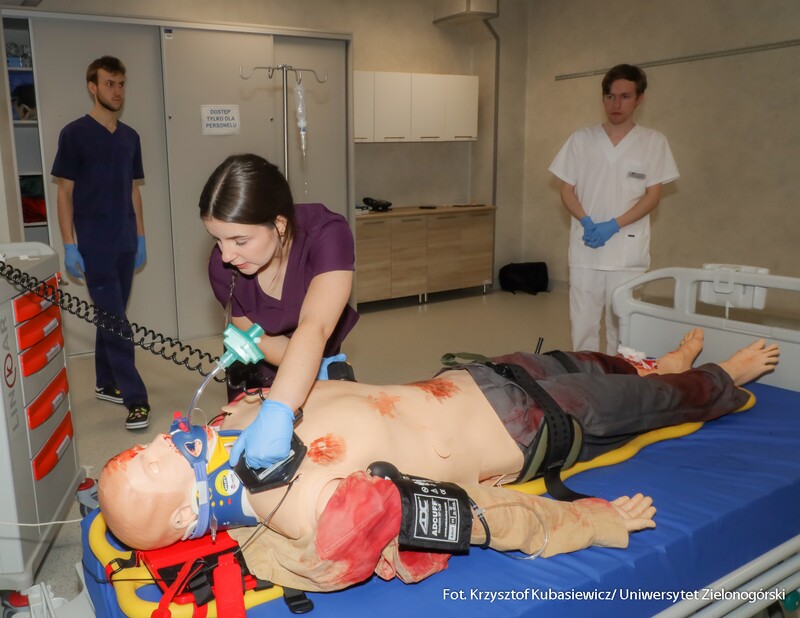
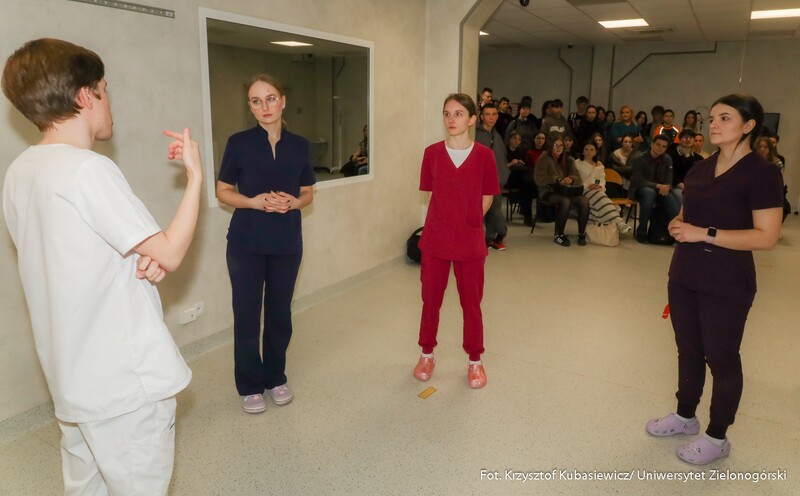
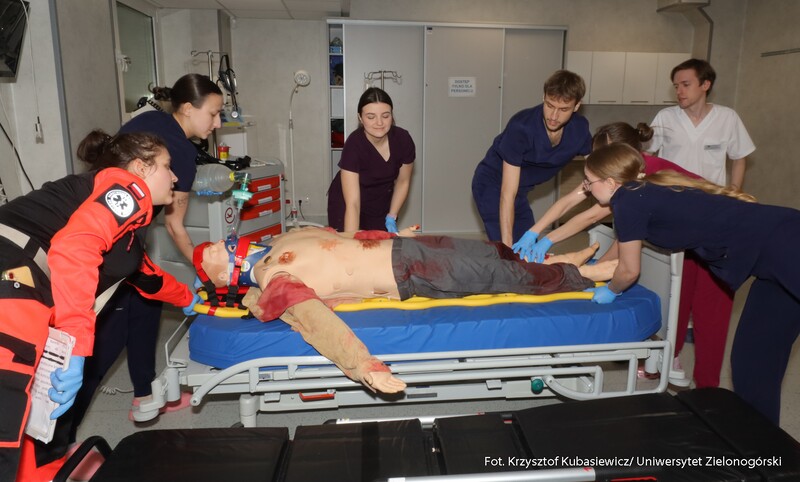
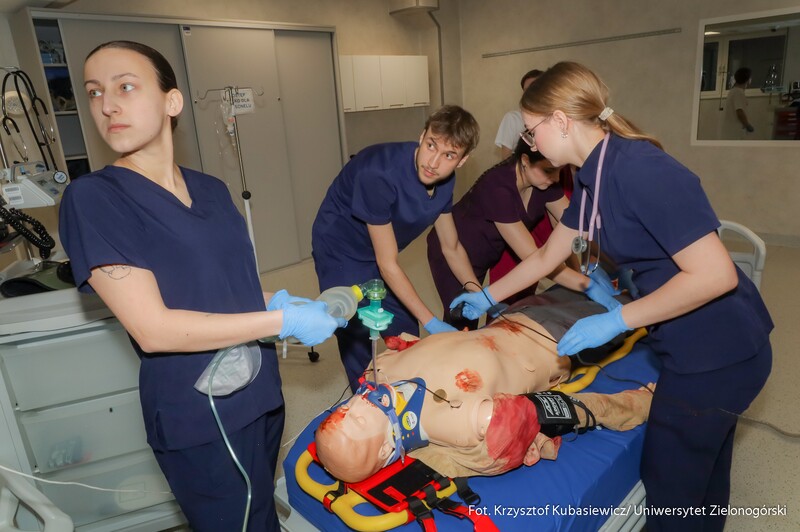
During the Open Day at the Faculty of Medicine and Health Sciences, students had the opportunity to learn about the programs offered by the faculty, see the rooms where practical classes take place, and take part in demonstrations of medical simulation scenarios.
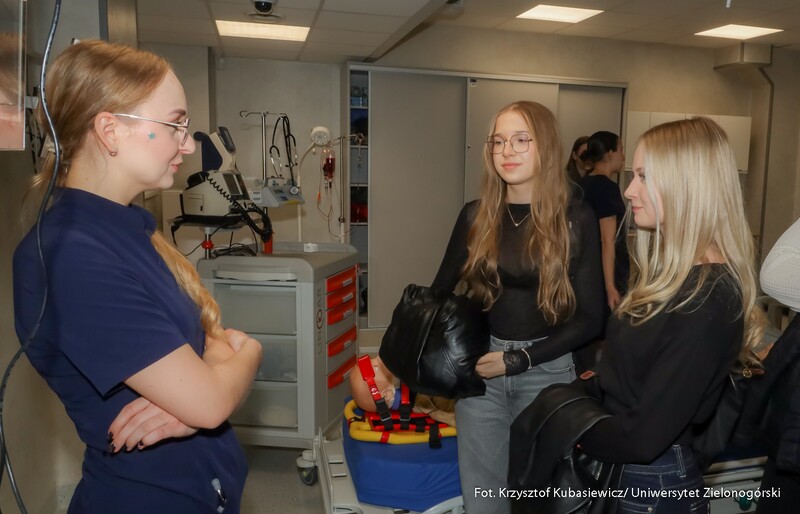
Eng. Katarzyna Pelczyńska, an engineering and technical specialist at the UZ Medical Simulation Center, described one of the presentations:
“I presented the operating room, which is mainly used for classes in the medical program. Students attend anesthesiology classes here. I explained the technical aspects of these classes, what simulator students use, and what they can expect. Many students were interested in whether it is possible to make mistakes during these classes. Of course it is—that is the educational purpose, so that mistakes can later be corrected and discussed during the briefing session with the instructor. Initially, students learn the procedures step by step—from preparing for surgery and administering anesthesia to waking the patient after the procedure.”
There was also plenty of practical experience available for visitors. Eng. Marlena Kincel, a technician at the Medical Simulation Center, explained:
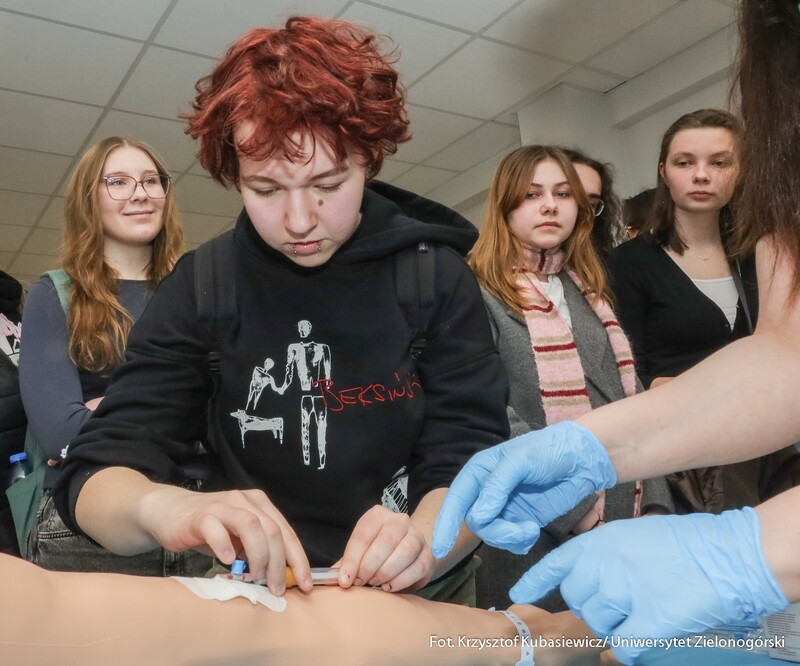
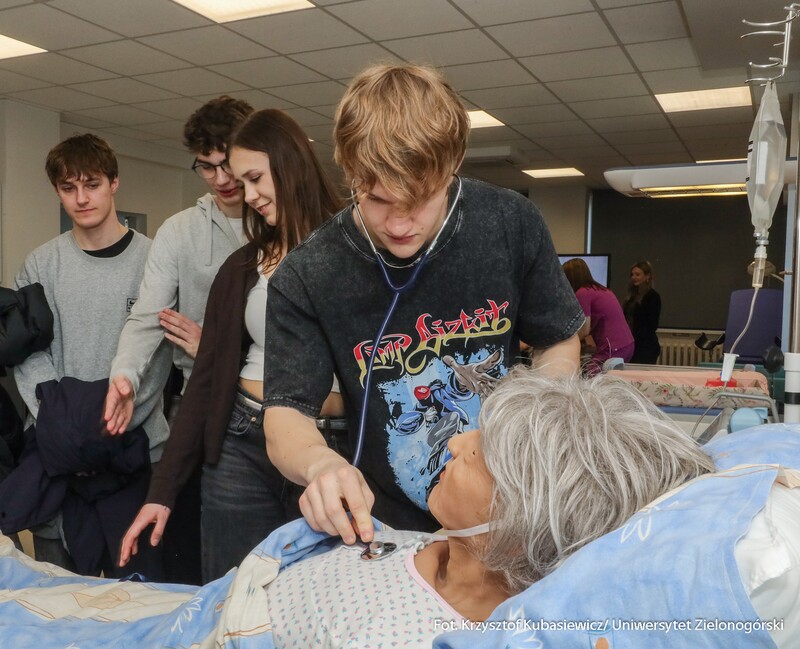
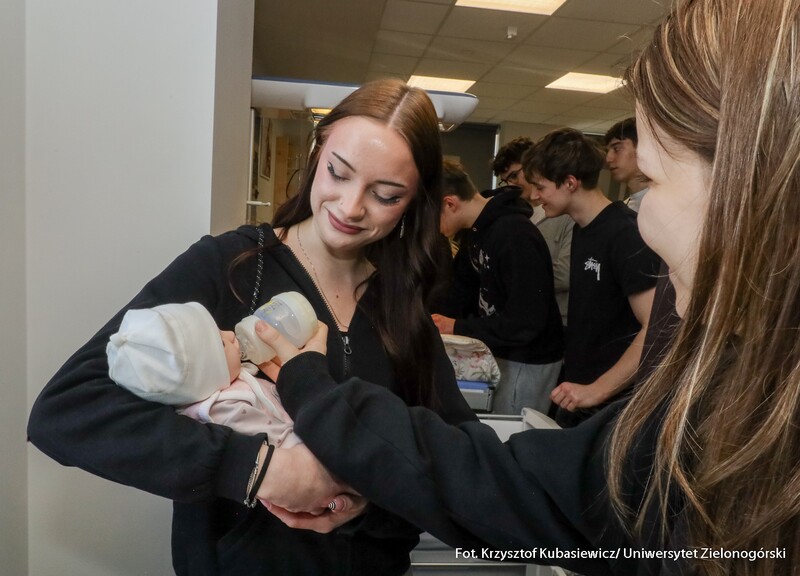
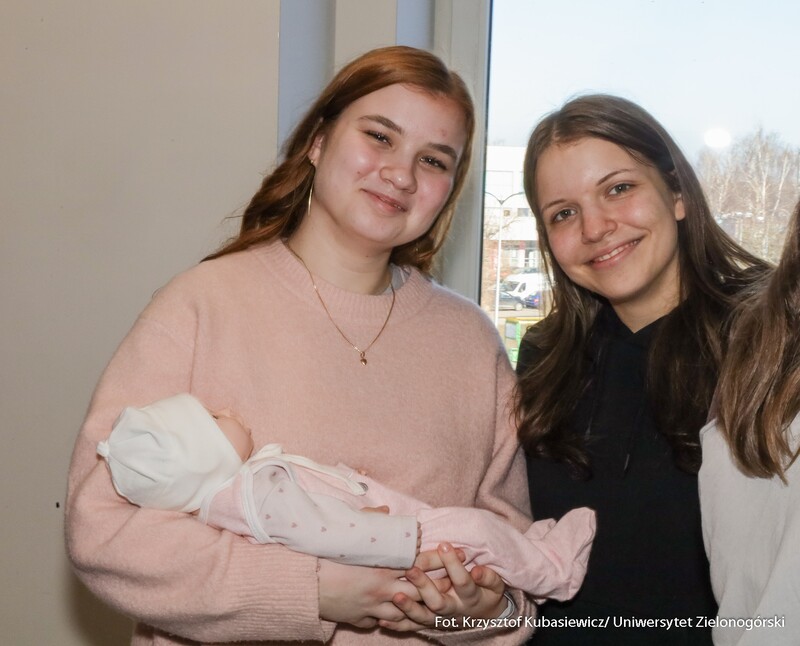
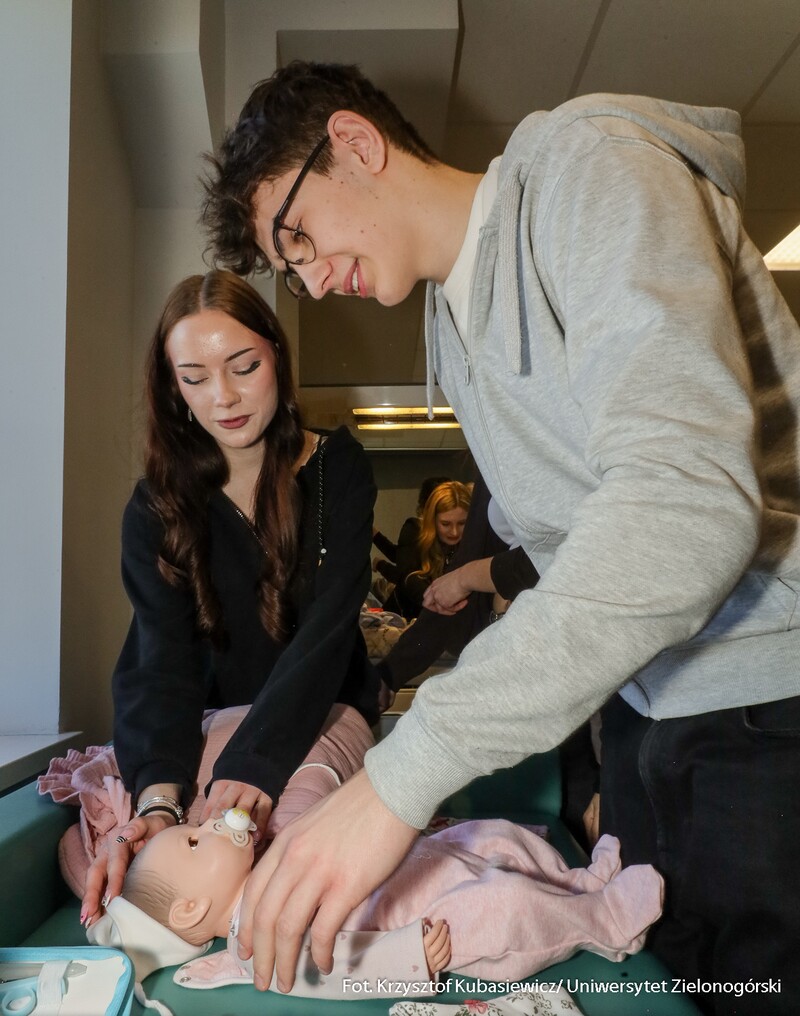
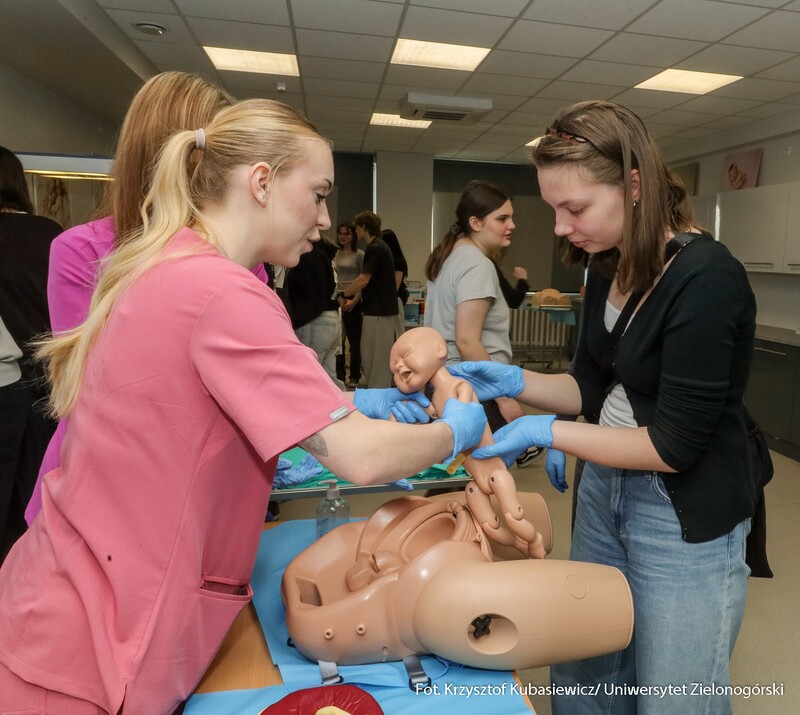
“Together with my colleagues Paulina and Klaudia, we prepared stations for the midwifery and nursing programs. We set up a maternity room with training devices for measuring blood pressure, drawing blood, performing cytology tests, and a childbirth simulator. We also have a fully monitored elderly patient simulator connected to an IV drip, pulse oximeter, and blood pressure monitor. The room is equipped with newborn mannequins that simulate the weight and skin structure of real newborns.”
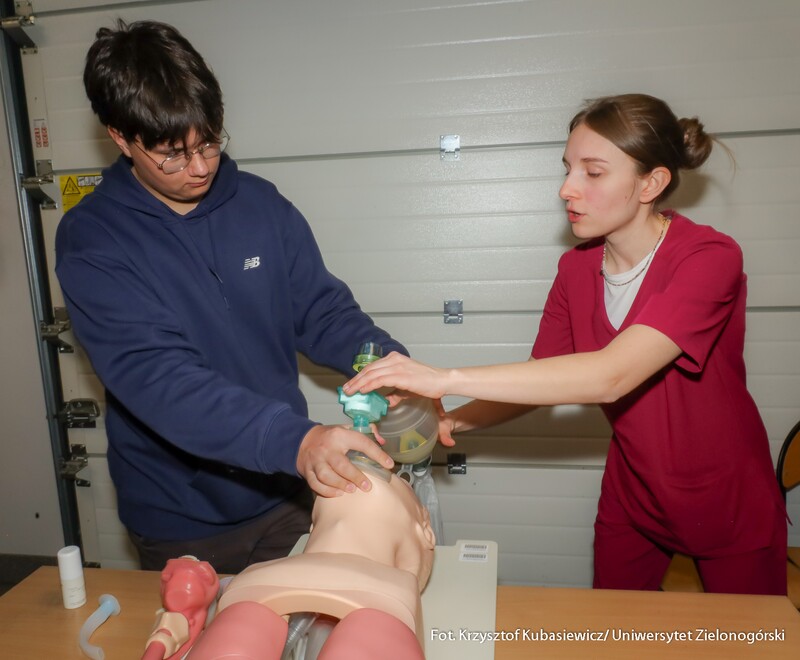
Students particularly enjoyed the practical aspect of the event. They were able to try out various medical procedures on mannequins. One of the active participants was Nadia from the Bolesław Krzywousty I General Secondary School in Głogów:
“I experienced many interesting things here. For example, I learned that I would probably pass a CPR exam. Being here at the Open Day of the Faculty of Medicine and Health Sciences can really help you decide whether a medical career is the right choice. I like medical topics and this experience confirmed that it is definitely what I want to do in the future. During the presentations at the Medical Simulation Center I practiced drawing blood—of course not on a real person, but on a simulator—and I even assisted in a simulated birth. It was really fascinating.”
Teachers were also impressed with the event. One of them was Katarzyna Bryś, a teacher of a medical-profile class at the Bolesław Krzywousty I General Secondary School in Głogów:
“The Faculty Open Days are prepared phenomenally. Compared with other universities, you are the best in every respect. The preparation, the practical classes, the theoretical lectures—everything is fantastic. Not only are the students interested, but the content is also presented at a very high level. The activities introduce professional terminology, yet the language remains accessible.”
She added:
“In European standards—especially in Western Europe and in highly developed countries—before a young person decides on their educational path, whether in secondary school or at university, they are usually required to complete at least two weeks of vocational preparation. In Poland, we still do not have such a system. The only opportunity students have is through events like Faculty Open Days, where they can see what a given profession really involves. It may only be a small glimpse, but students can see things such as blood, experience stress, or try procedures like resuscitation. After the first activities, some students said: ‘Now I’m starting to think about it,’ or ‘Something is starting to make sense in my head.’ That makes me very happy, because it encourages them to think seriously about their future and the path they will choose.”
The activities presented above were only a small part of what our students and lecturers prepared during this year’s Faculty Open Days. We invite everyone to take part in the remaining events:
11 March, 10:00–13:00 – Faculty of Social Sciences and Faculty of Humanities
Location: Campus B, building A-16, al. Wojska Polskiego 69, and building A-20, al. Wojska Polskiego 71a
18 March, 9:00–13:00 – Faculty of Natural Sciences
Location: Campus A, building A-8, ul. Prof. Z. Szafrana 1, and building A-29, ul. Prof. Z. Szafrana 4a
23–27 March – Faculty of Arts
Location: Institute of Music, building A-15, ul. Prof. Z. Szafrana 19; Institute of Visual Arts, building A-24, ul. Wiśniowa 10.