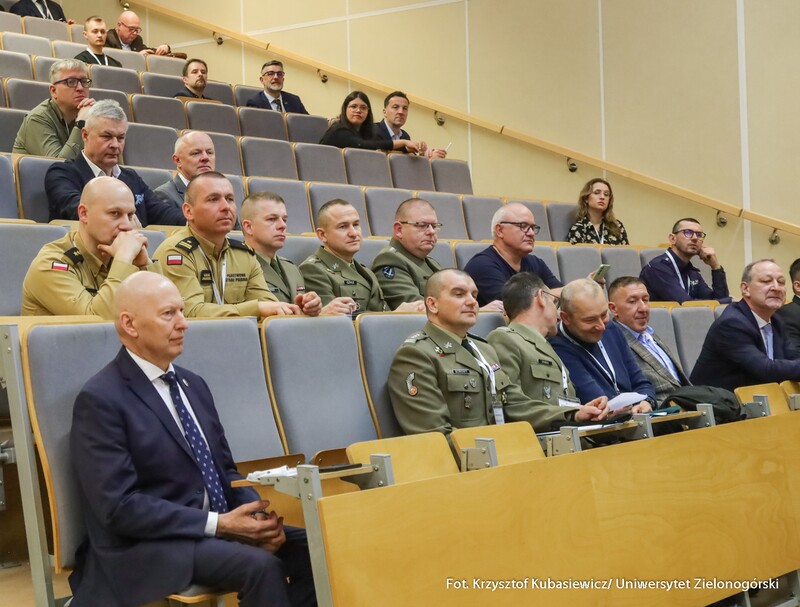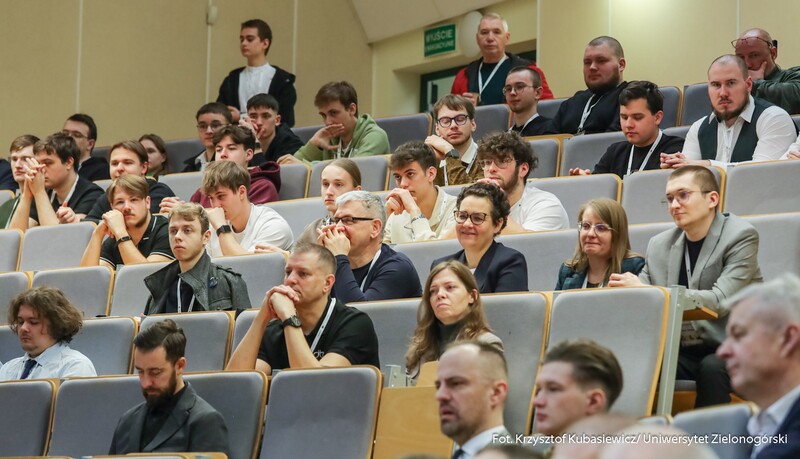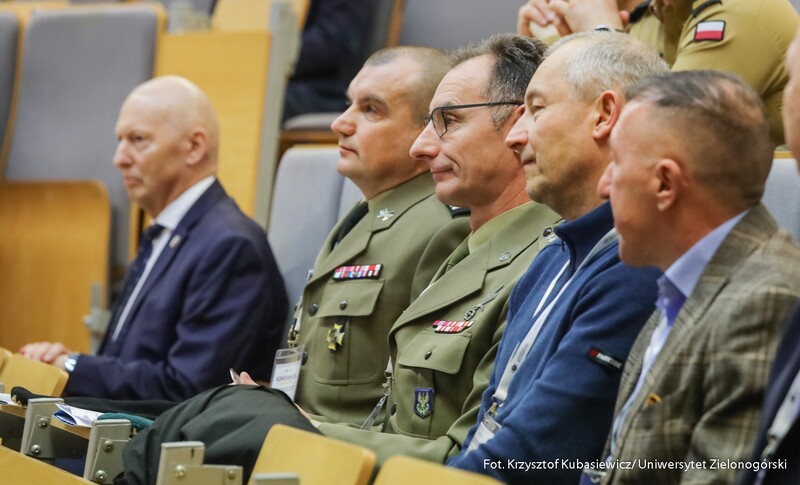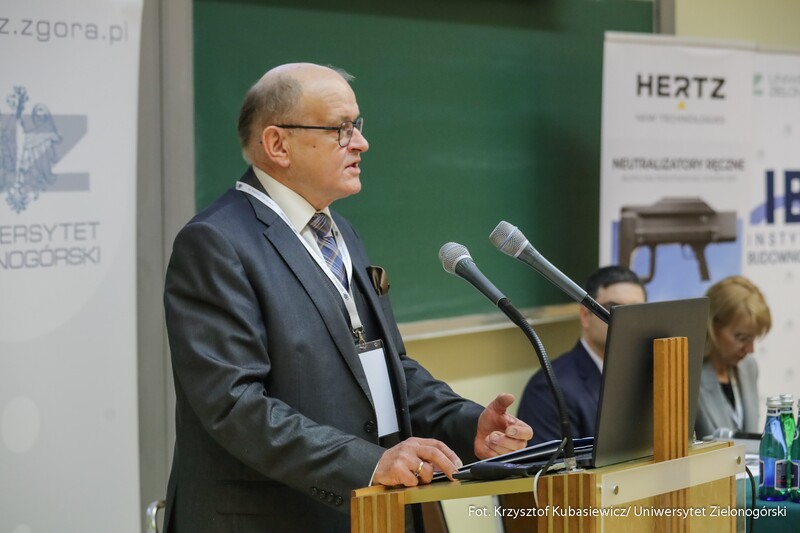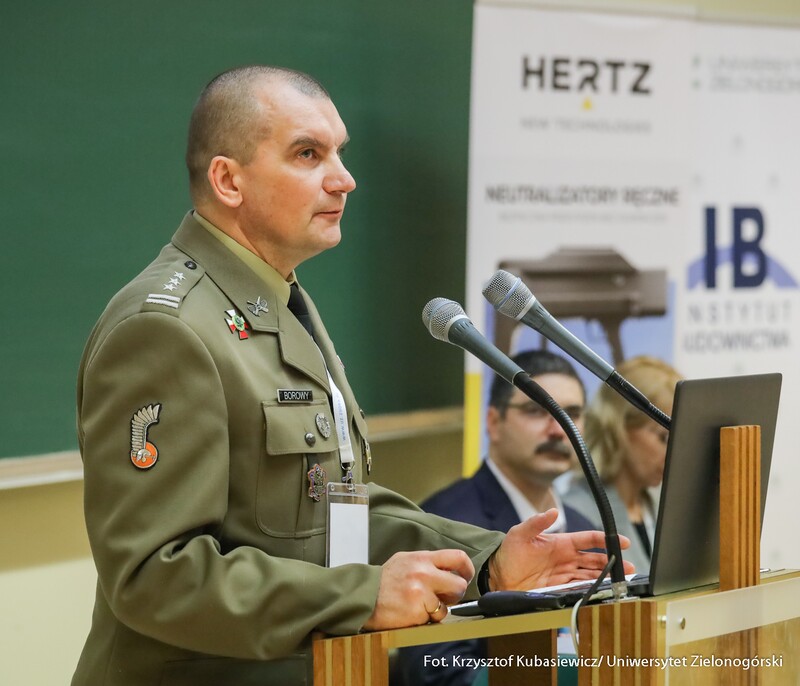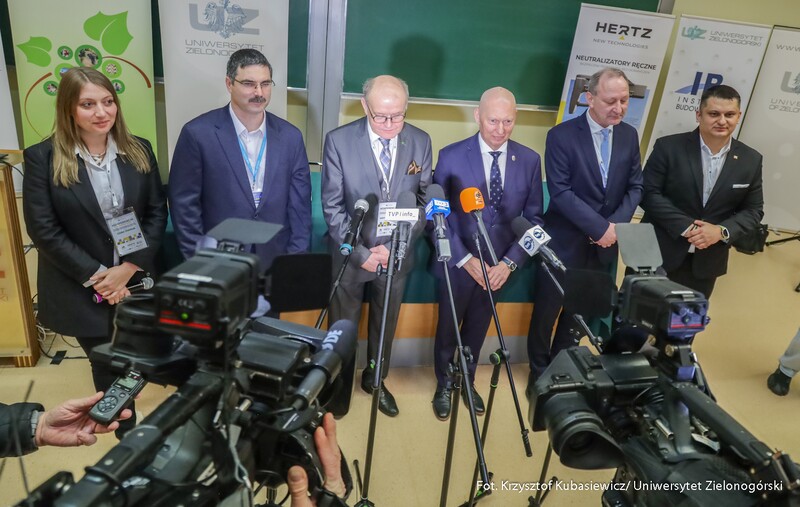
The University of Zielona Góra hosted representatives of uniformed services, institutions responsible for public safety and health, as well as scientists and industry experts to discuss current threats and ways to ensure citizens’ safety. The focus was on a very specific and increasingly relevant risk: threats related to the use of unmanned aerial vehicles (UAVs), commonly known as drones.
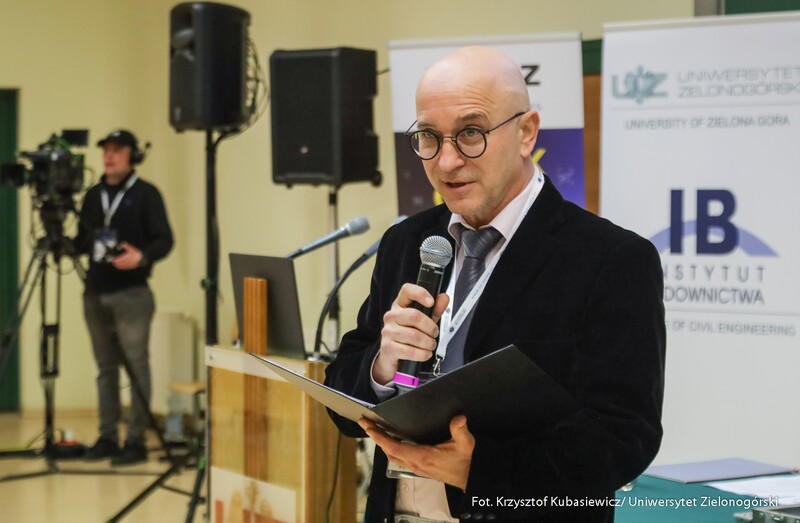
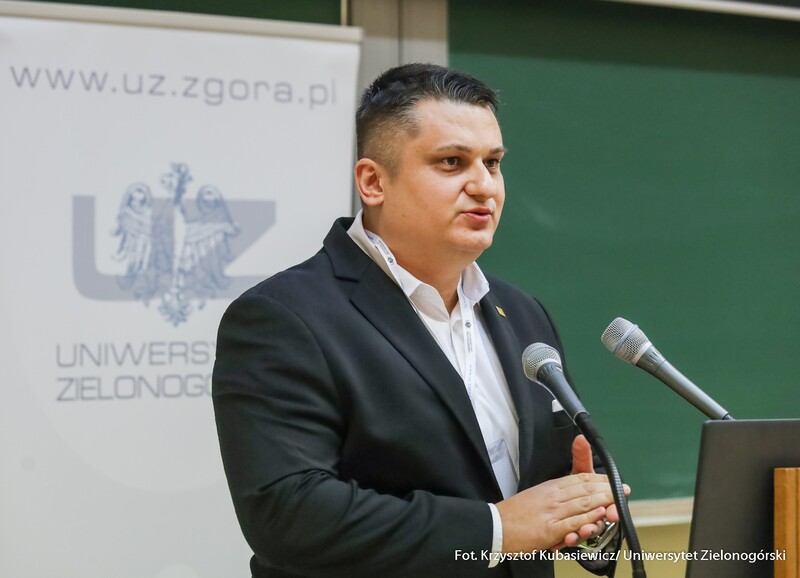
The conference was opened by Professor Justyna Patalas-Maliszewska, Vice-Rector for Science and International Cooperation, who emphasized that the university provides an ideal setting for such important discussions:
“I am honored that it is here, within the walls of the University of Zielona Góra—a place where research in fields such as engineering and technology is conducted—that we can meet and create space for these difficult and responsible conversations. These are topics that often raise concern, reflection, and, quite naturally, fear among us as civilians. I would like to thank Professor Volodymyr Sakharov for taking on this challenge and for having the courage to speak openly about threats in such uncertain and unpredictable times—both those coming from outside and those that, in reality, affect each and every one of us.”
The two-day conference, rich in analyses, demonstrations, and debates, addressed not only the current threats posed by UAVs but also comprehensive strategies for preventing and mitigating such risks. As explained by Professor Volodymyr Sakharov, Chair of the Conference Organizing Committee from the Institute of Civil Engineering at UZ:
“The main goal of this conference is to bring together different sectors—military, public administration, academia, and business. The threats we face from the air today are not purely military—they affect both civilians and armed forces. That is why we are working to integrate knowledge from all these areas, combining scientific, technical, and practical expertise, in order to develop more effective ways of protecting ourselves.”
The interdisciplinary nature of the event enabled experts from various fields to exchange knowledge and experience. One of the speakers, Professor Adam Wysokowski from the Institute of Civil Engineering, presented a lecture titled “Resilience of Modular Steel Bridges to Extreme Events under Lateral Impact – A Case Study of the D-Brücke Bridge.” He emphasized the importance of developing such structures in Poland as a means of ensuring safe evacuation routes in crisis situations:
“We need to pay greater attention to modular bridges designed for emergency conditions. They should be readily available. With such structures, we can restore transport routes within hours during a crisis. This can save many lives by enabling people to reach safe shelters. We are also planning to build shelters—but without bridges, there is no connection. Bridges connect people.”
He added:
“We do not lack the knowledge or ideas needed to effectively strengthen public safety. Today, safety is something we all take part in—as a society and as citizens. Drones are relatively inexpensive tools, and even devices that resemble toys can pose a threat. That is why each of us must begin to understand how to respond to and limit such risks. I hope that after this conference—filled with intensive lectures, discussions, and presentations of current technologies—we will leave with a broader, more concrete vision of how to prepare our country to defend against UAV threats.”
A particularly important part of the conference was the tactical and technical analysis of drone attacks on civilian infrastructure in Ukraine. During an online session, Major Professor Denis Mykhailovskyi from the General Staff of the Armed Forces of Ukraine and Dr. Ihor Skliarov from Kyiv National University of Construction and Architecture shared their firsthand experiences from the front line.
Among the distinguished participants was Lieutenant General (Ret.) Mirosław Różański, Senator of the Republic of Poland, Chair of the National Defence Committee, and President of the STRATPOINTS Foundation. He stressed the importance of developing joint response scenarios:
“The security environment is changing at an unprecedented pace, and we must adapt accordingly. The knowledge gained from this conference can support sound and rational decision-making. We need to start thinking about security in a holistic way.”
When asked whether people should feel directly threatened, he added:
“The situation in the Middle East does have an impact on what may happen in our country, particularly in economic terms—for example, energy prices. However, a direct threat, such as a missile strike targeting Poland, is currently unlikely. That said, we must remain aware of the capabilities of modern weapon systems. Missiles used in Ukraine today have ranges of several thousand kilometers. In an unfortunate scenario, such weapons could also reach European countries. This makes discussions about protecting infrastructure not only justified but necessary. In the long term, we must be prepared for such possibilities.”
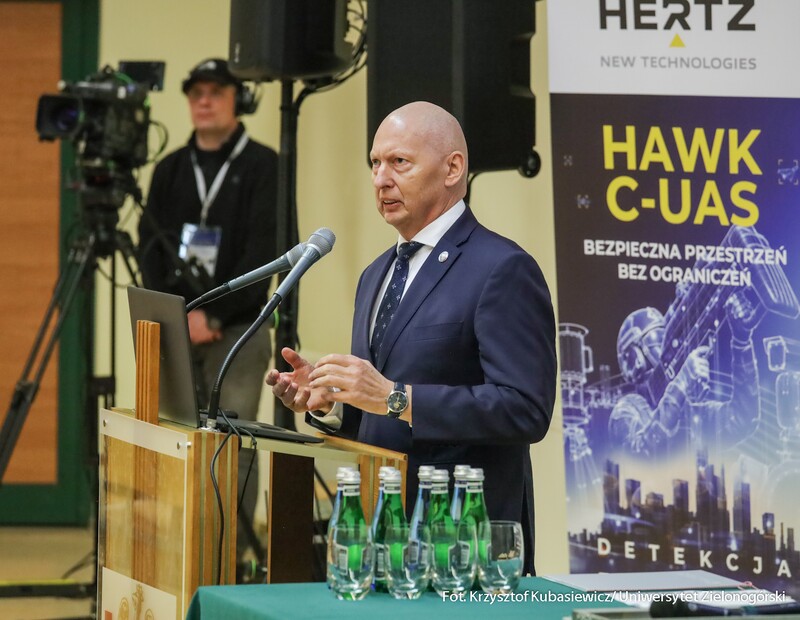
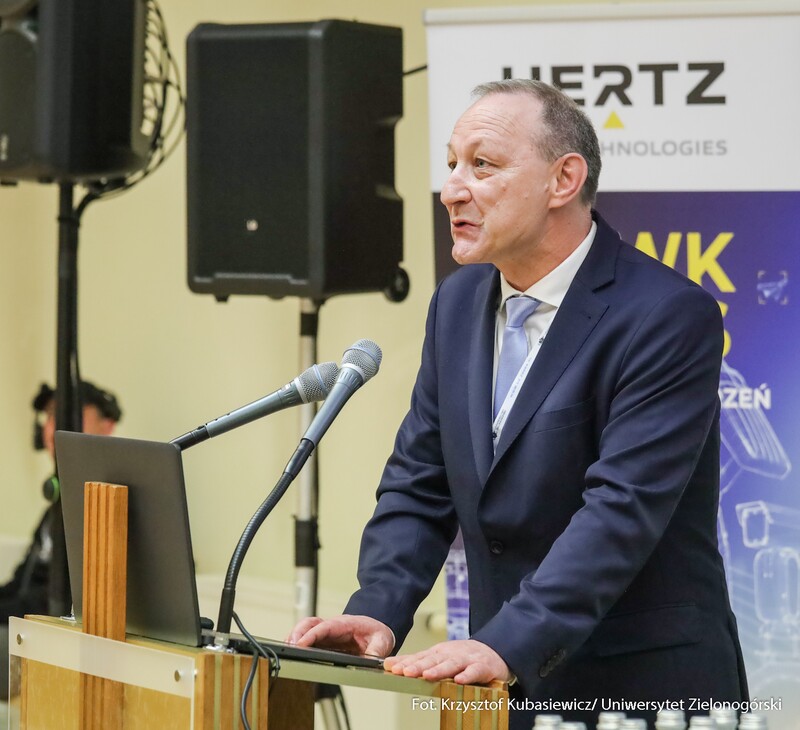
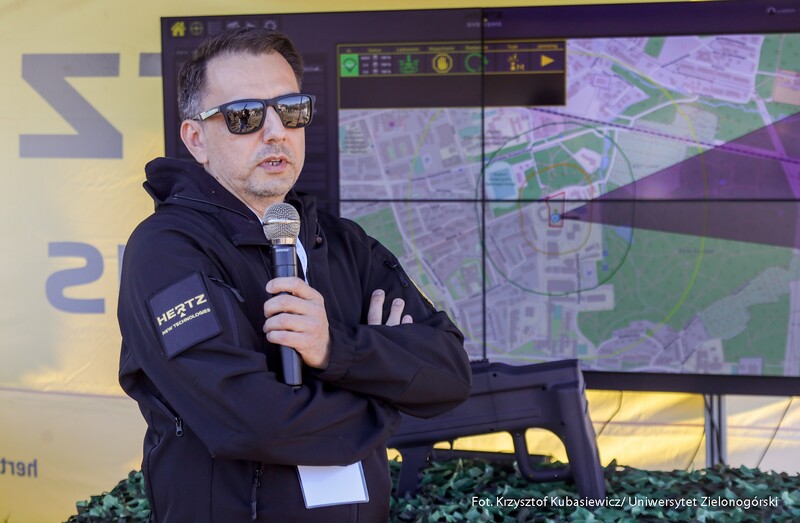
Piotr Żelazek, Vice-President of Hertz New Technologies and co-organizer of the conference, highlighted the importance of adapting solutions to real needs:
“Our systems are designed in response to the actual needs of their future users. We have already moved beyond thinking about drone protection solely in military terms—this is equally important in civilian environments. We believe that meetings like this one at the University of Zielona Góra contribute significantly to raising awareness and encouraging urgent decisions regarding the protection of low-altitude airspace in Poland.”
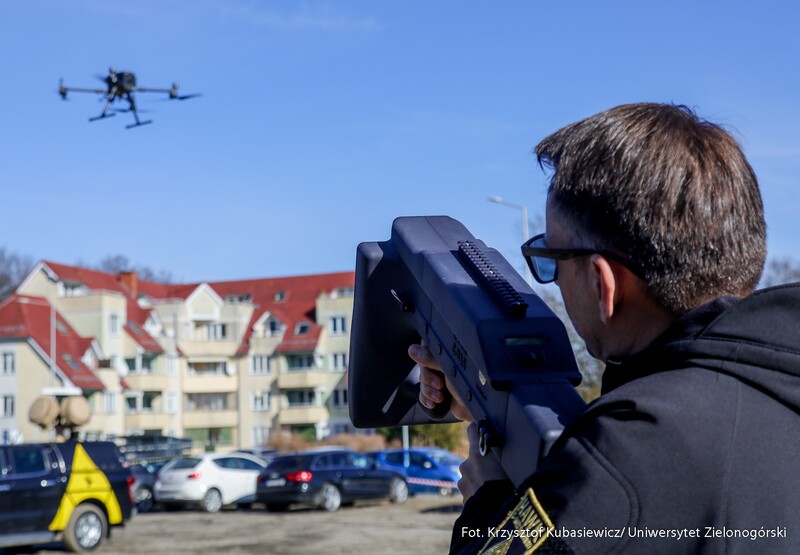
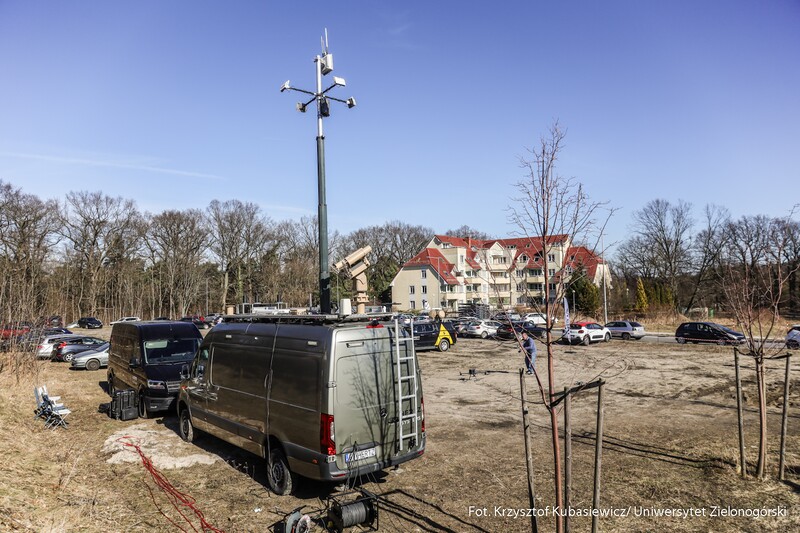
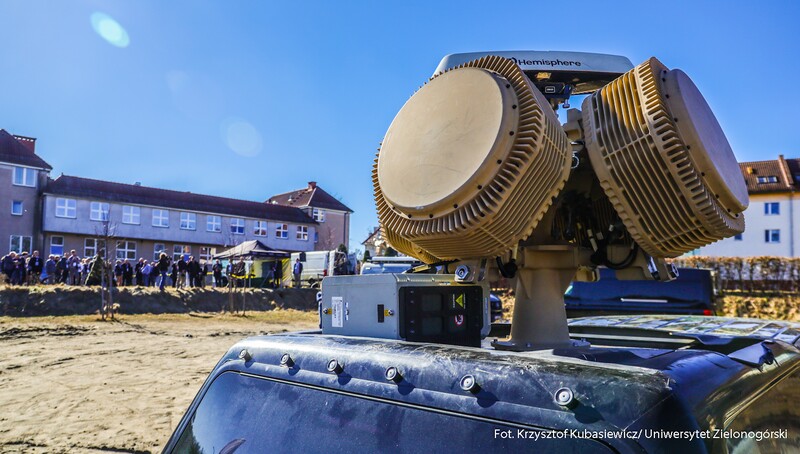
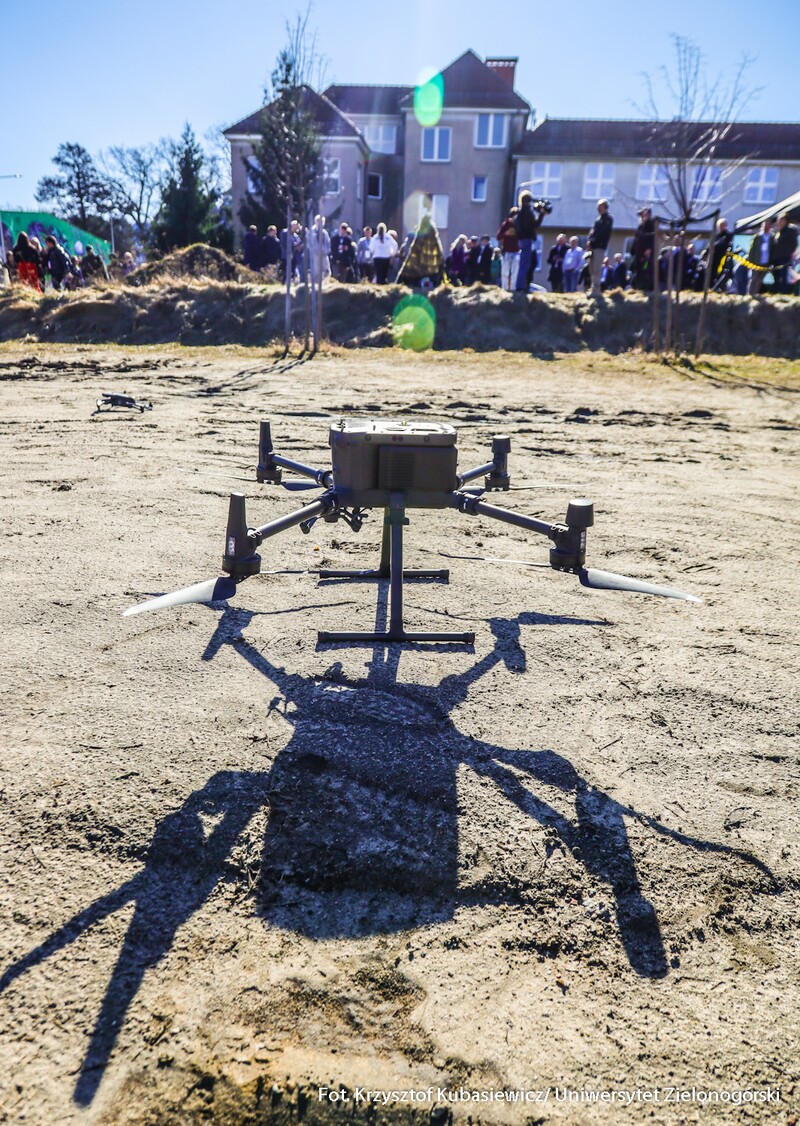
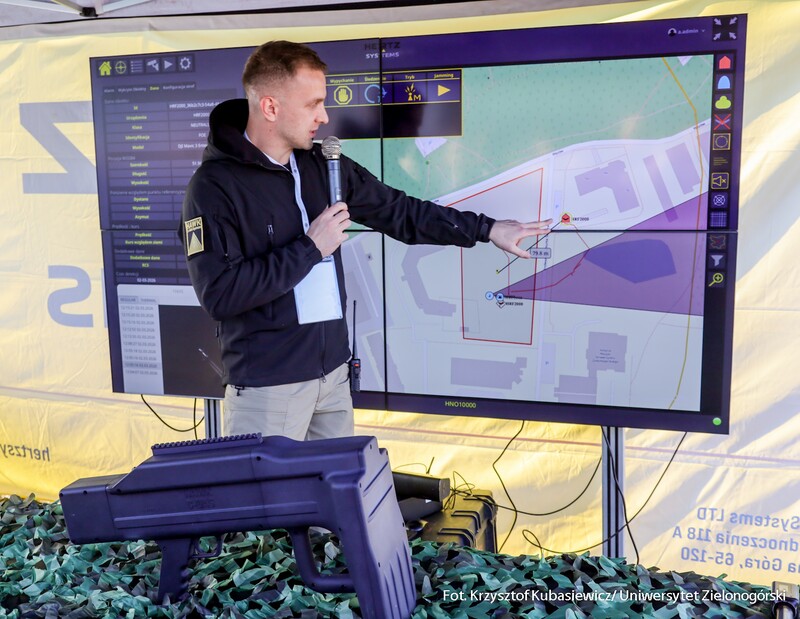
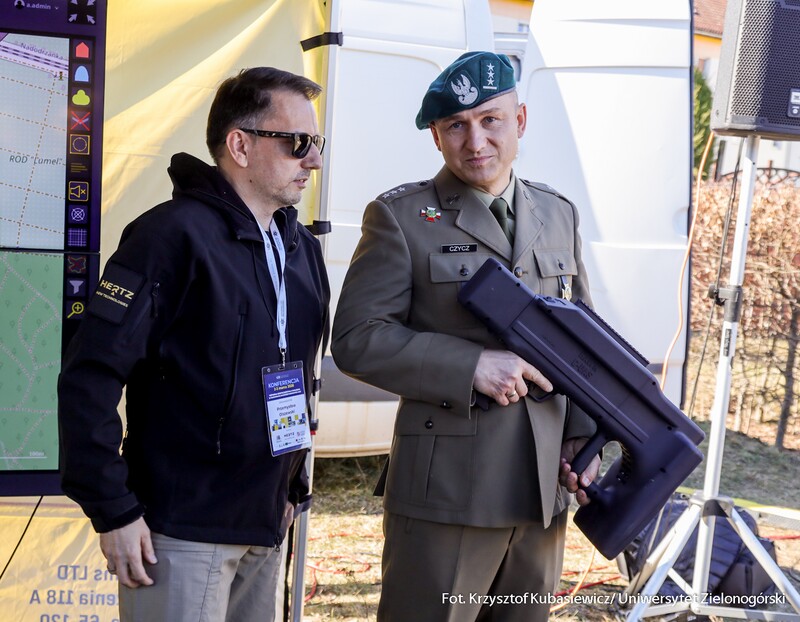
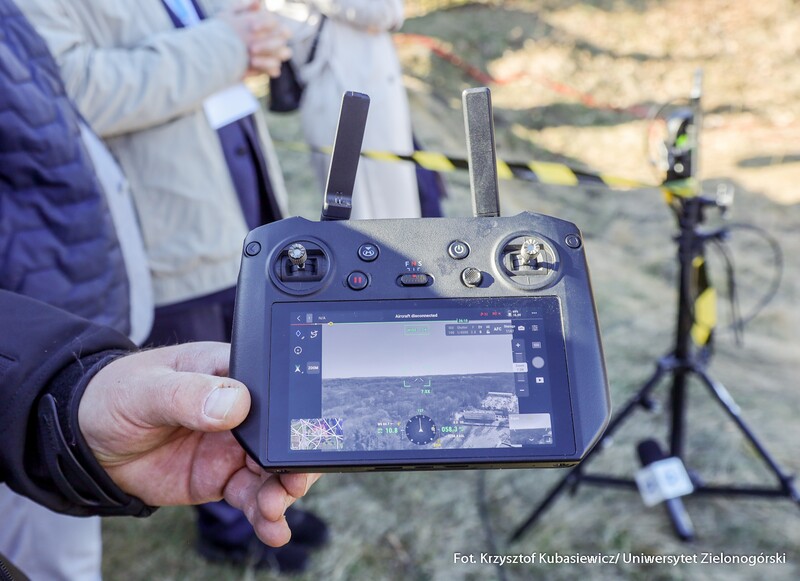
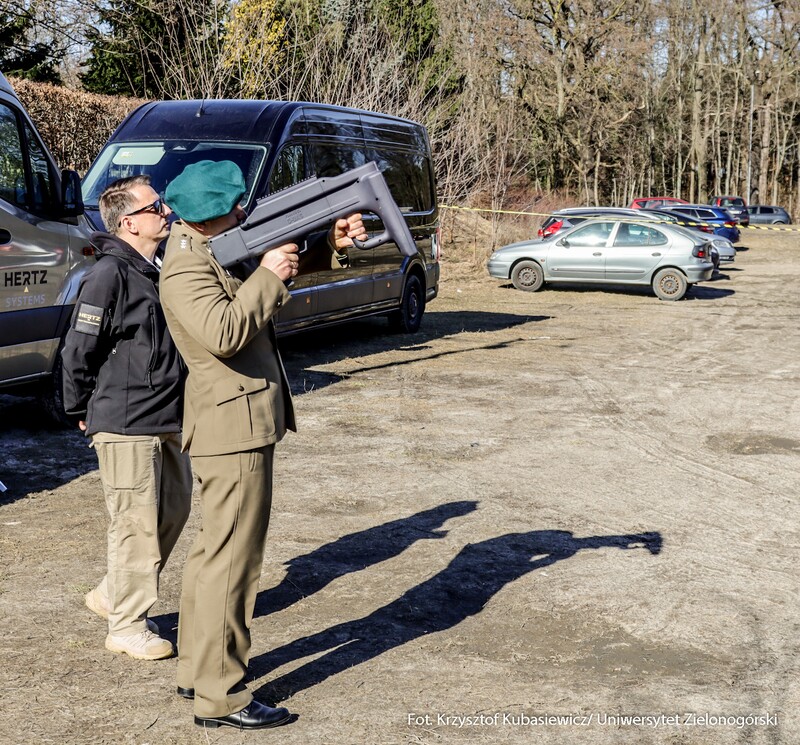
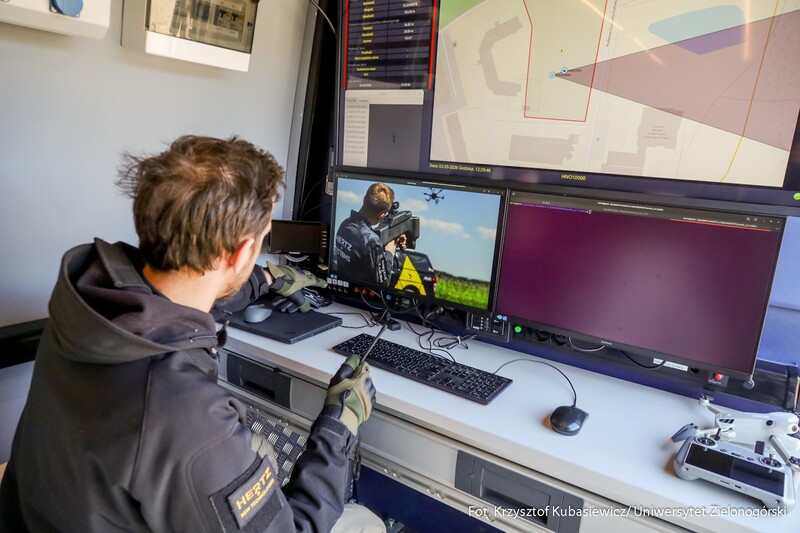
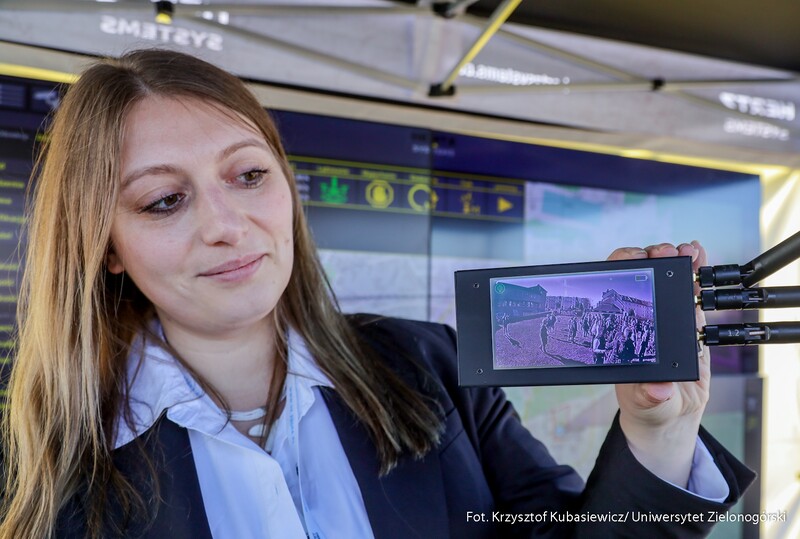
The conference also featured presentations of solutions offered by companies such as Hertz New Technologies, BEWA, and Pietrucha, as well as field demonstrations of the HAWK anti-drone protection system.