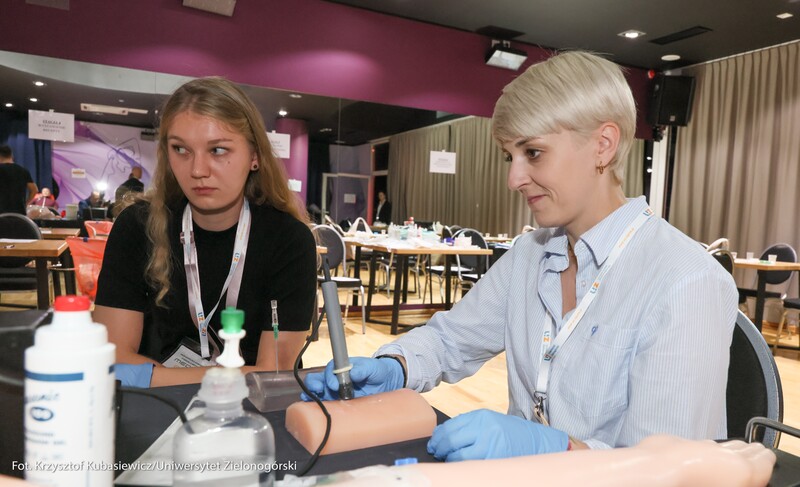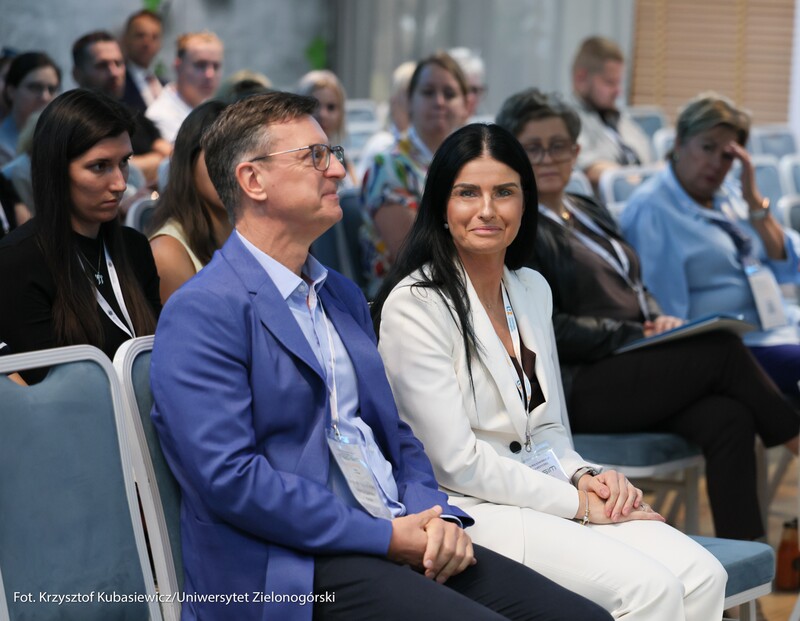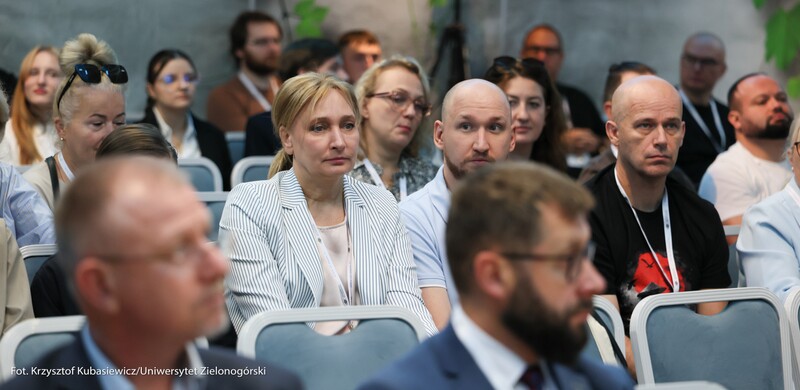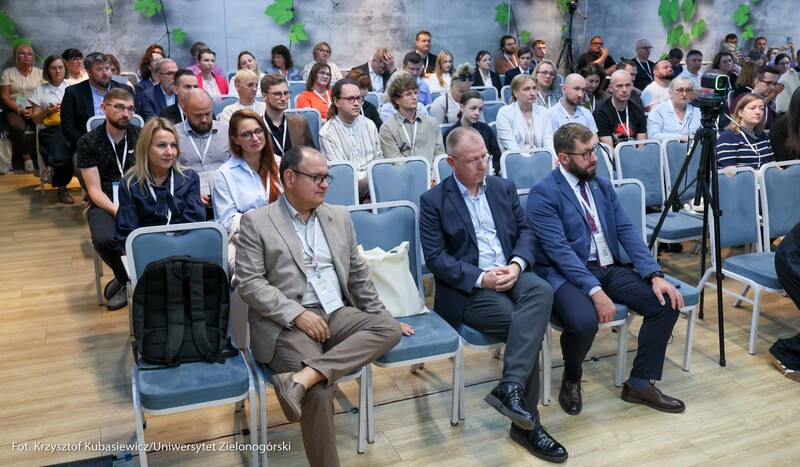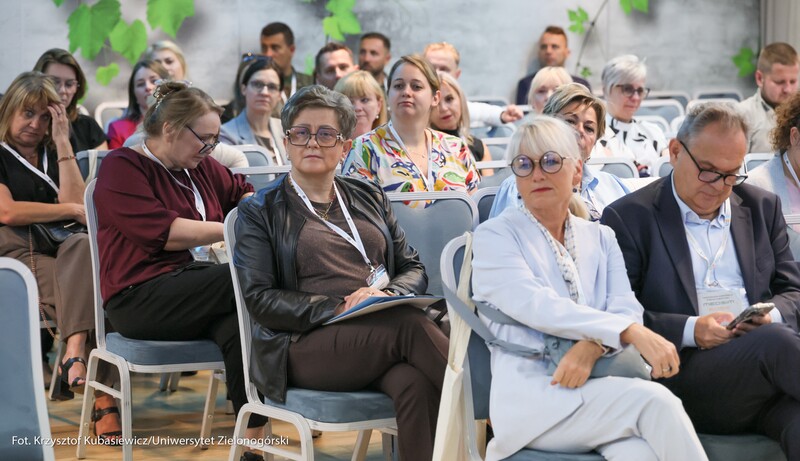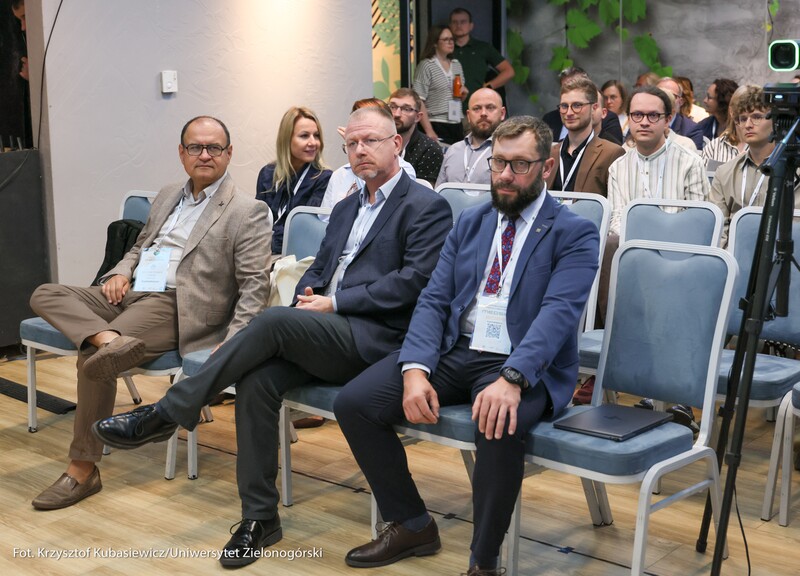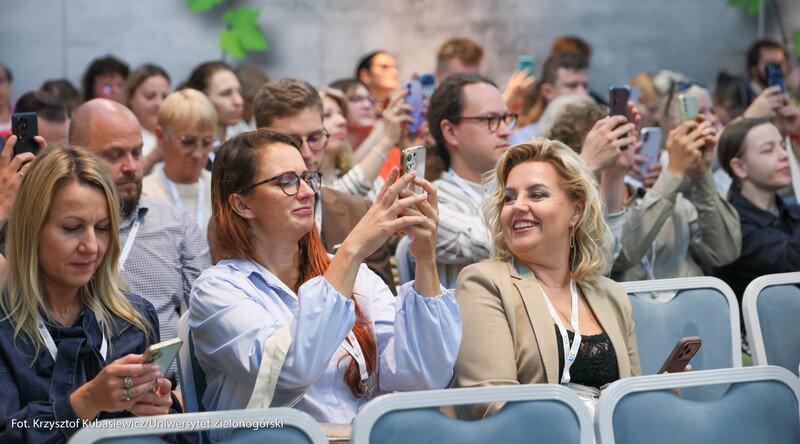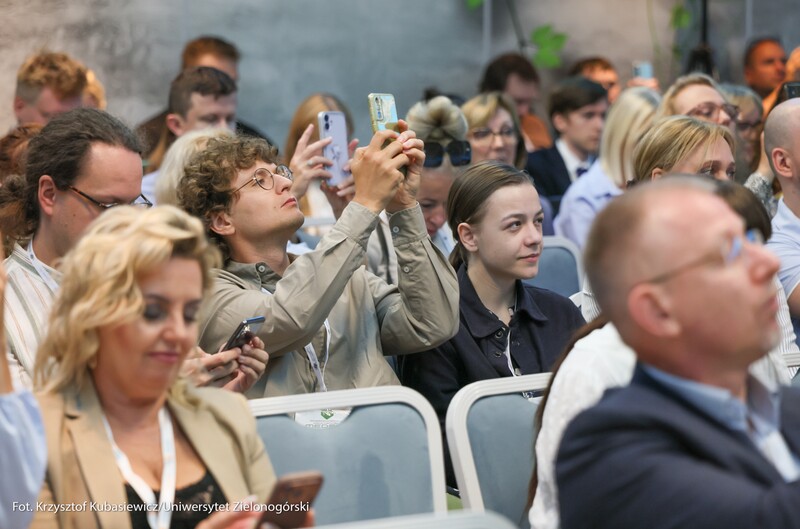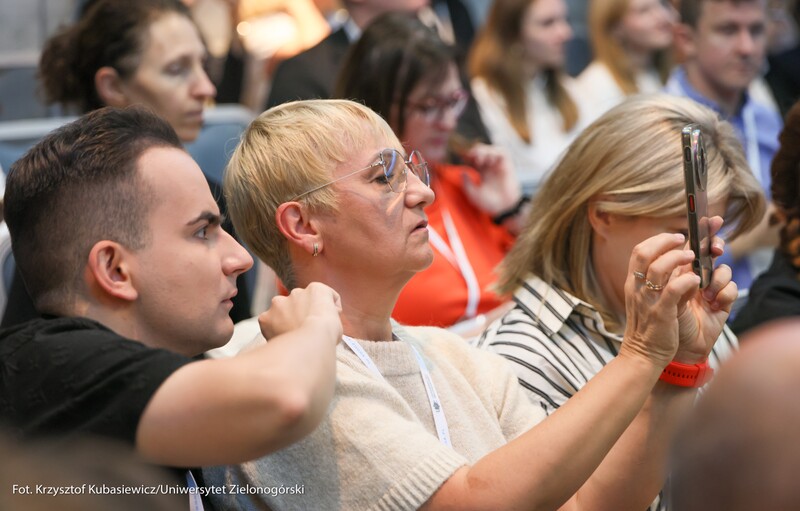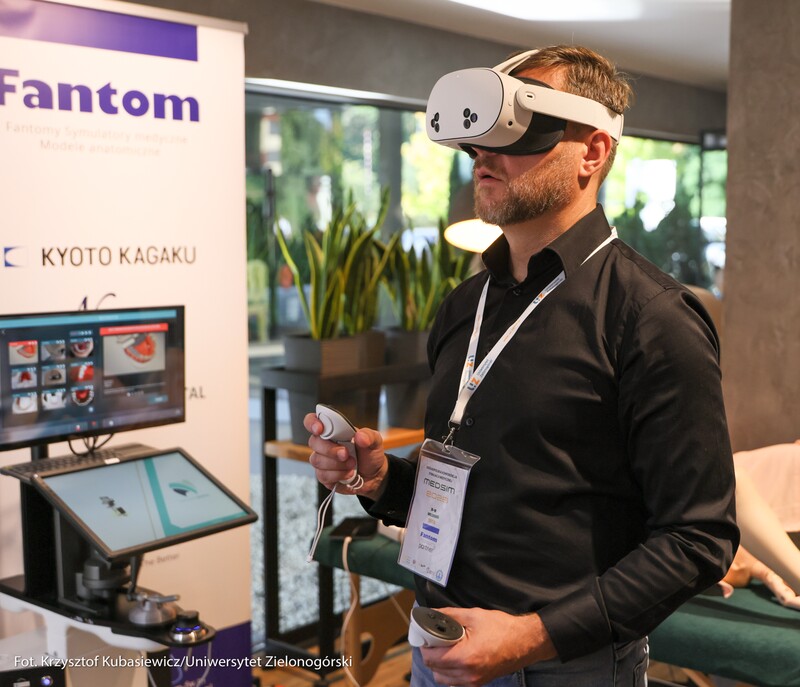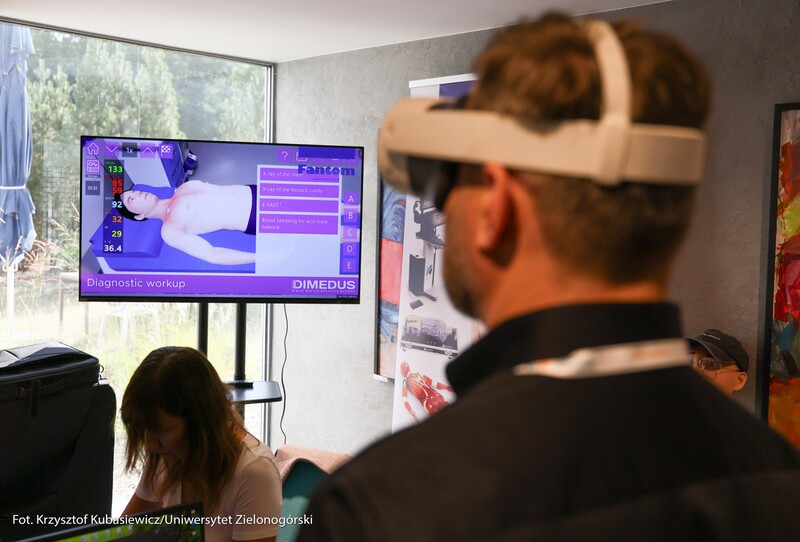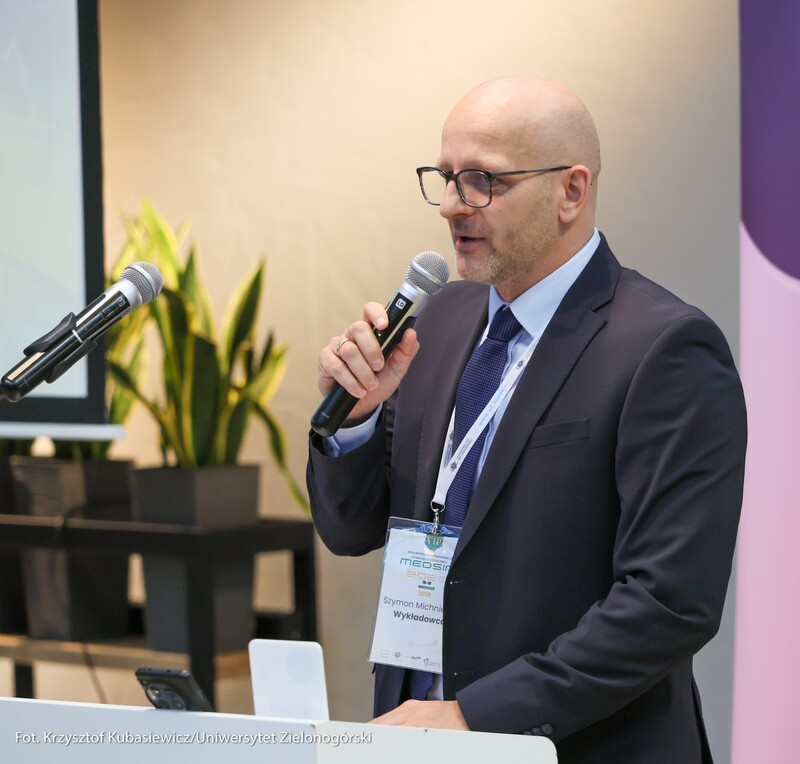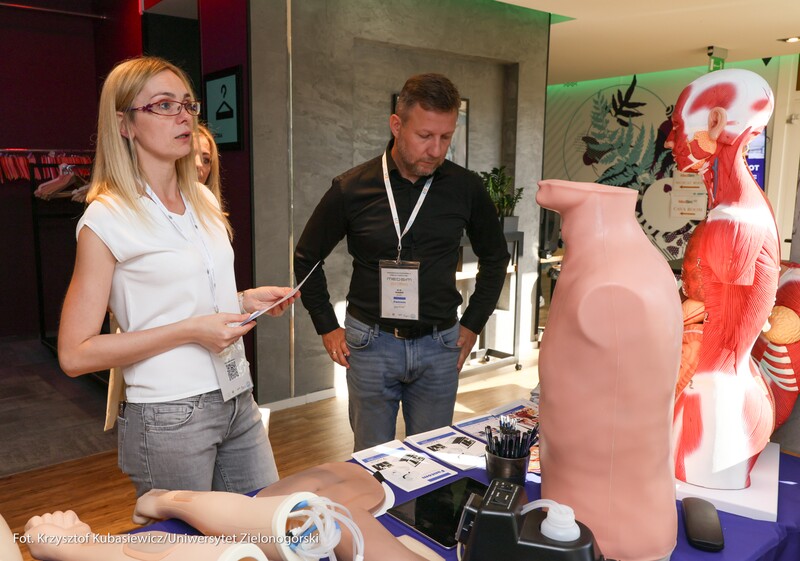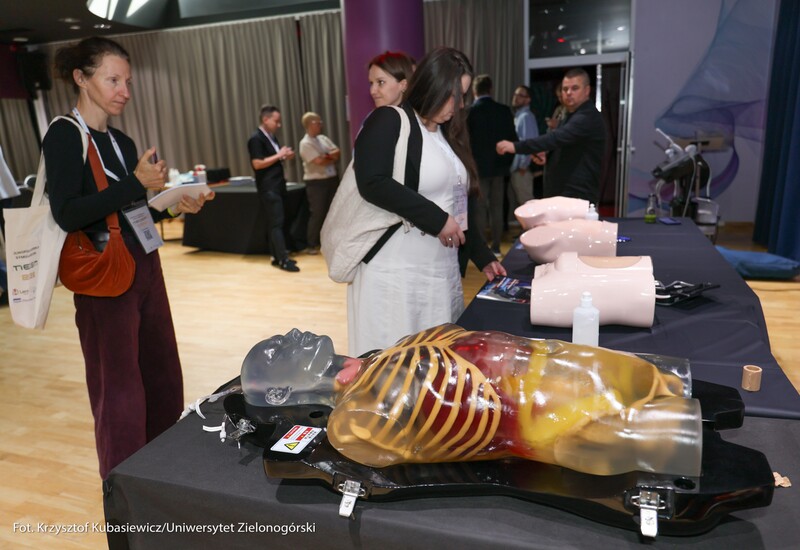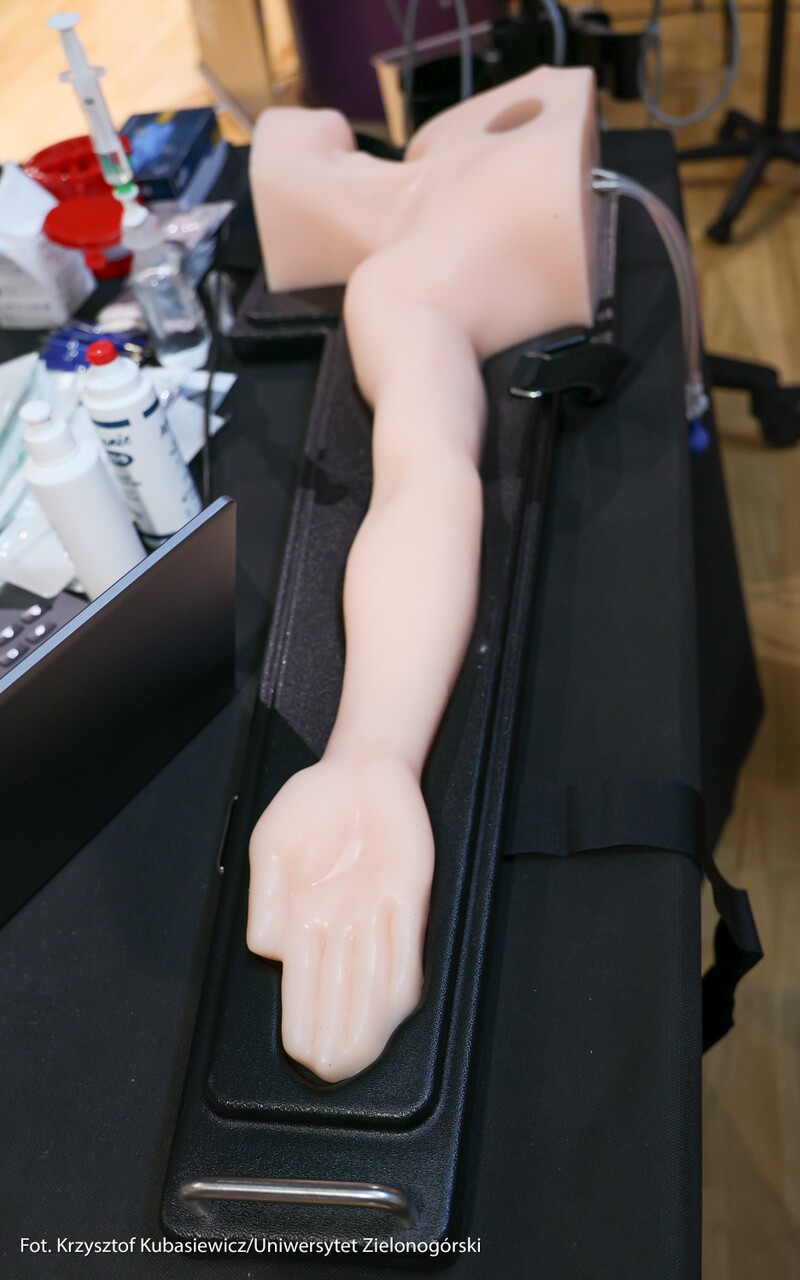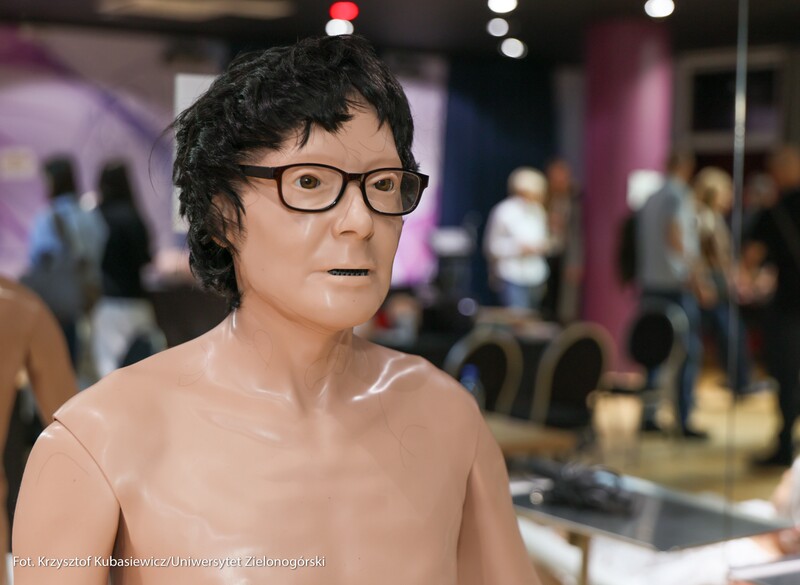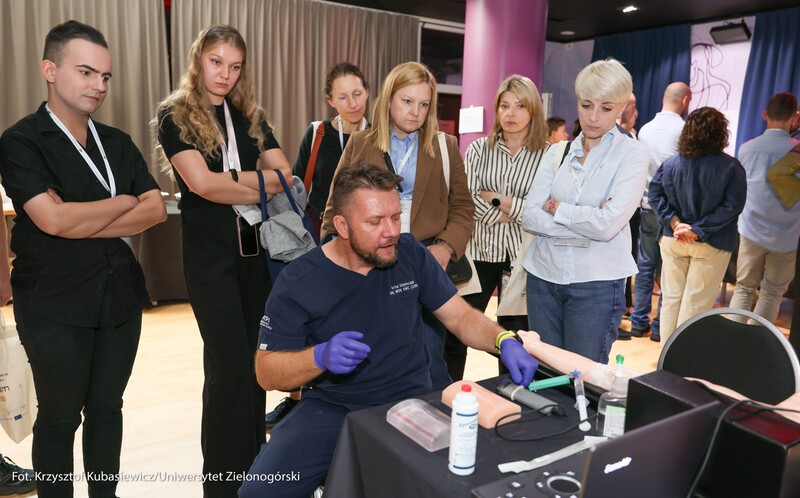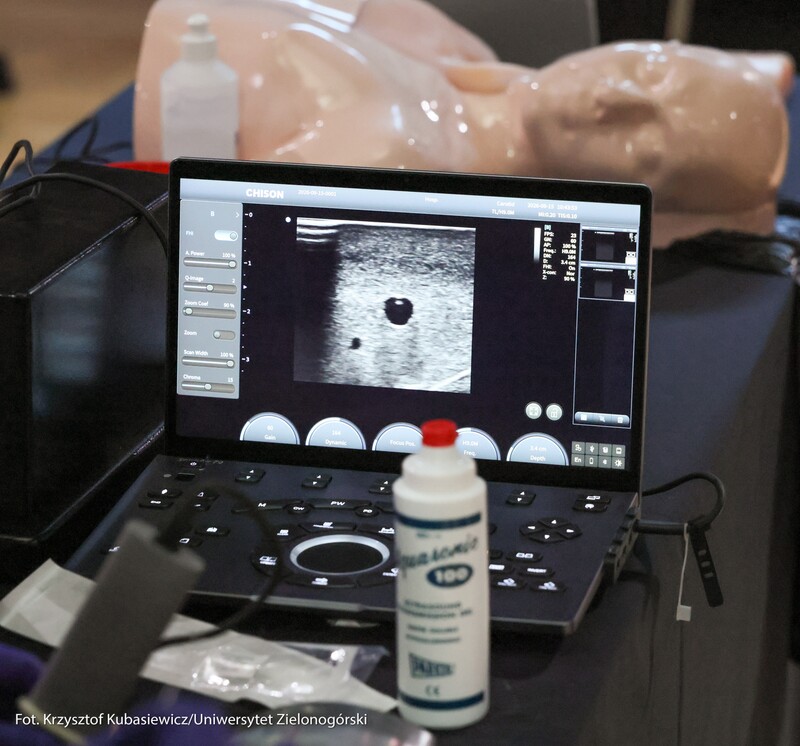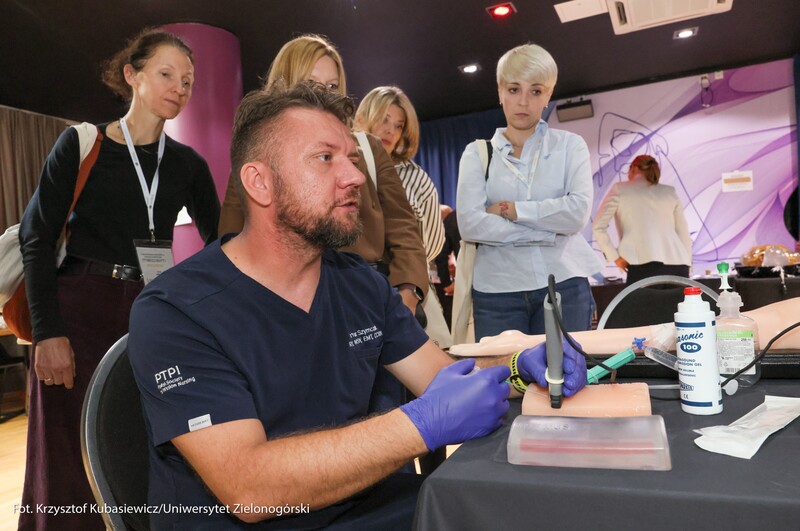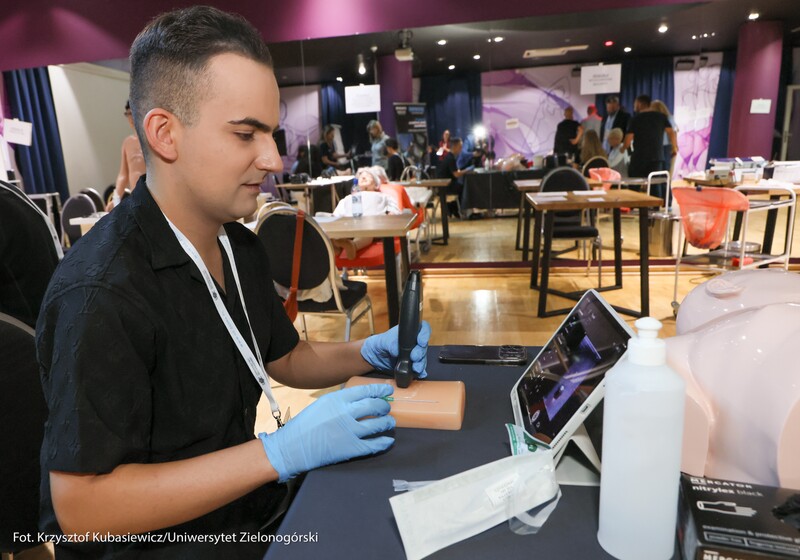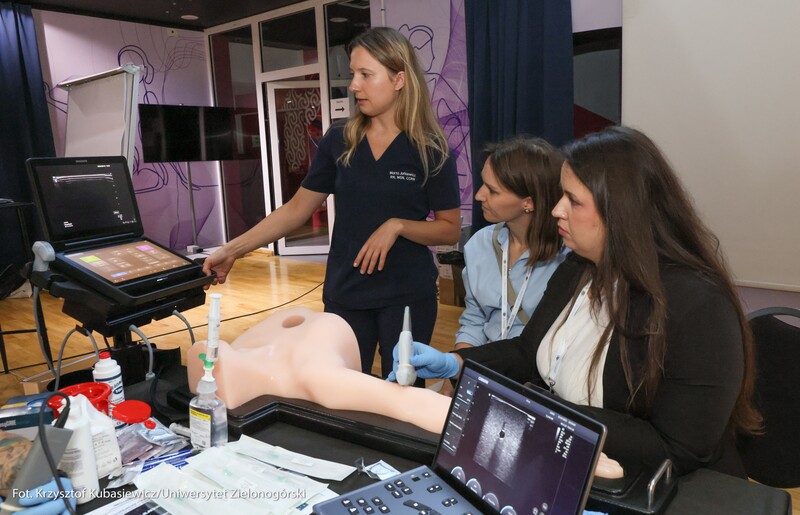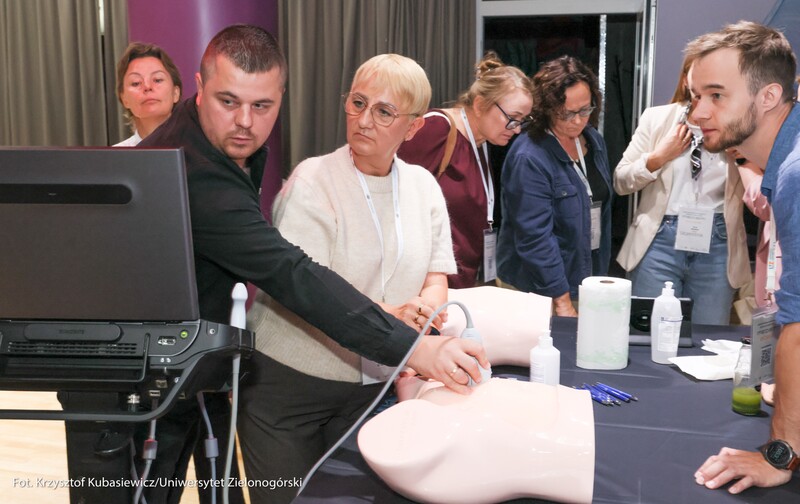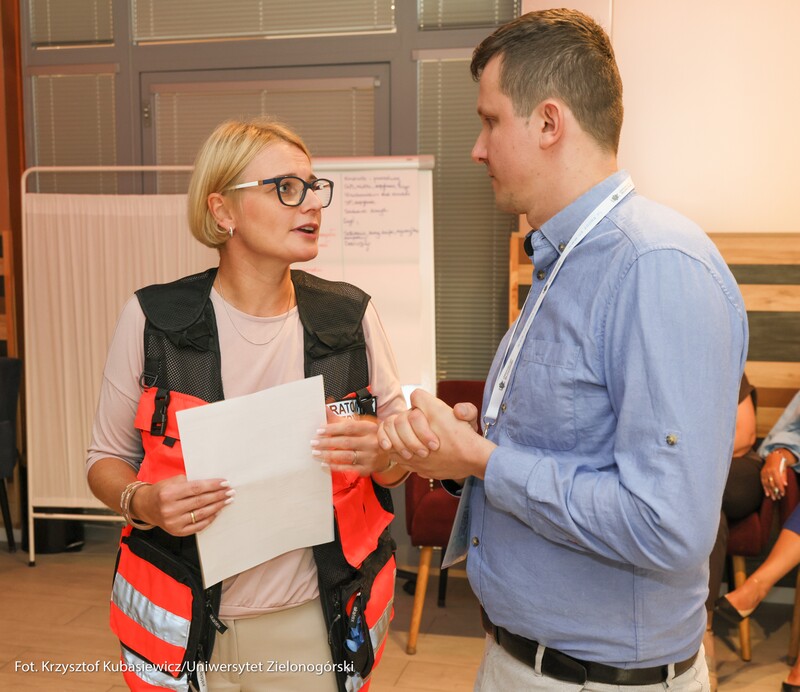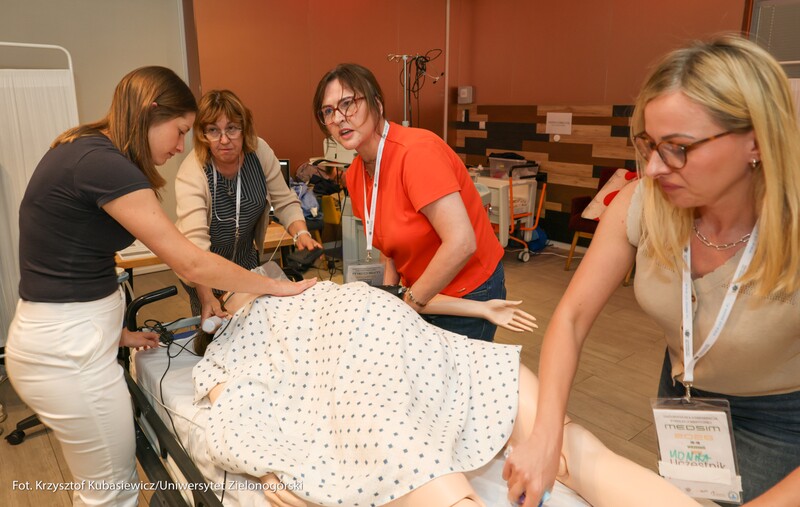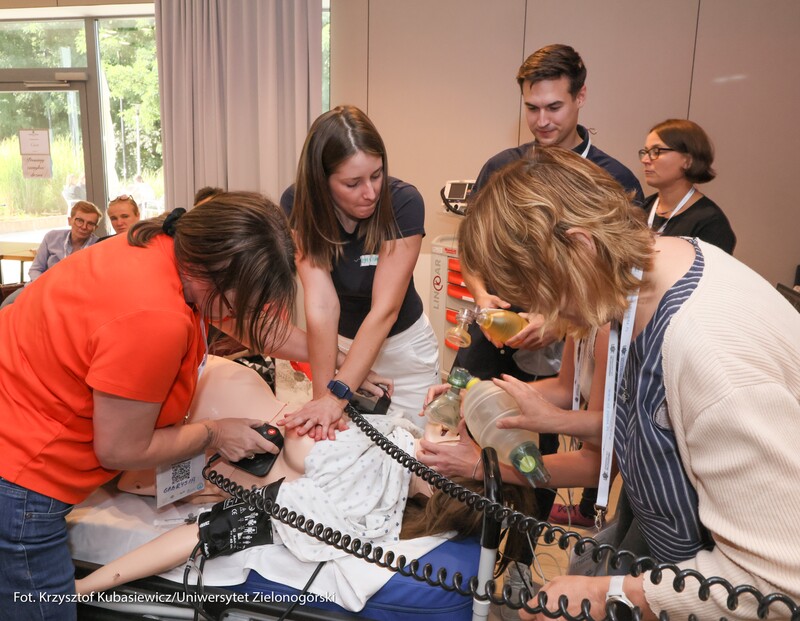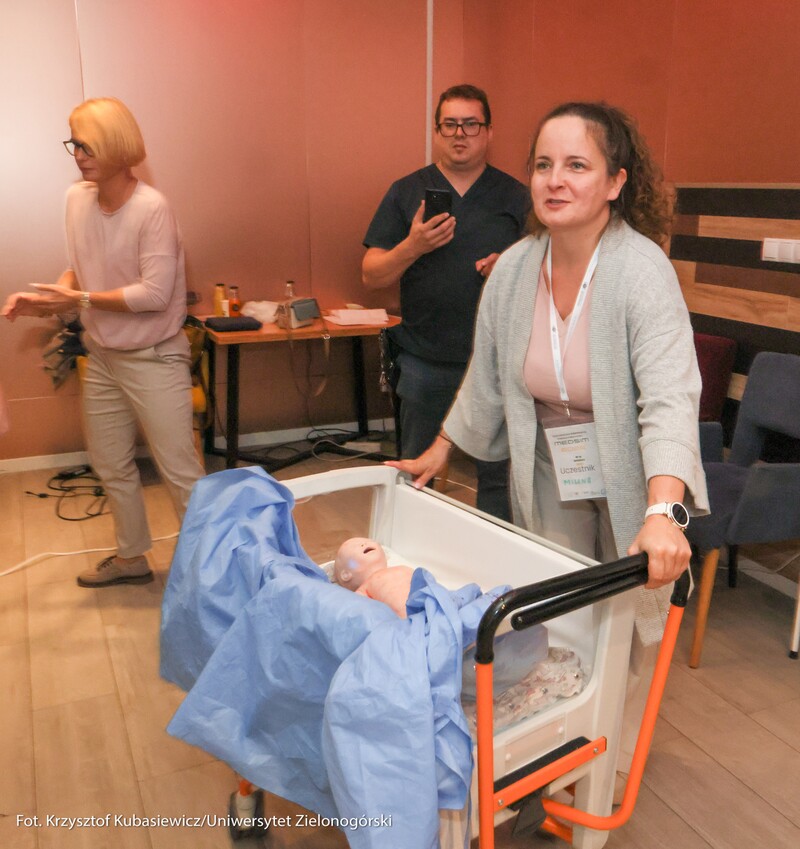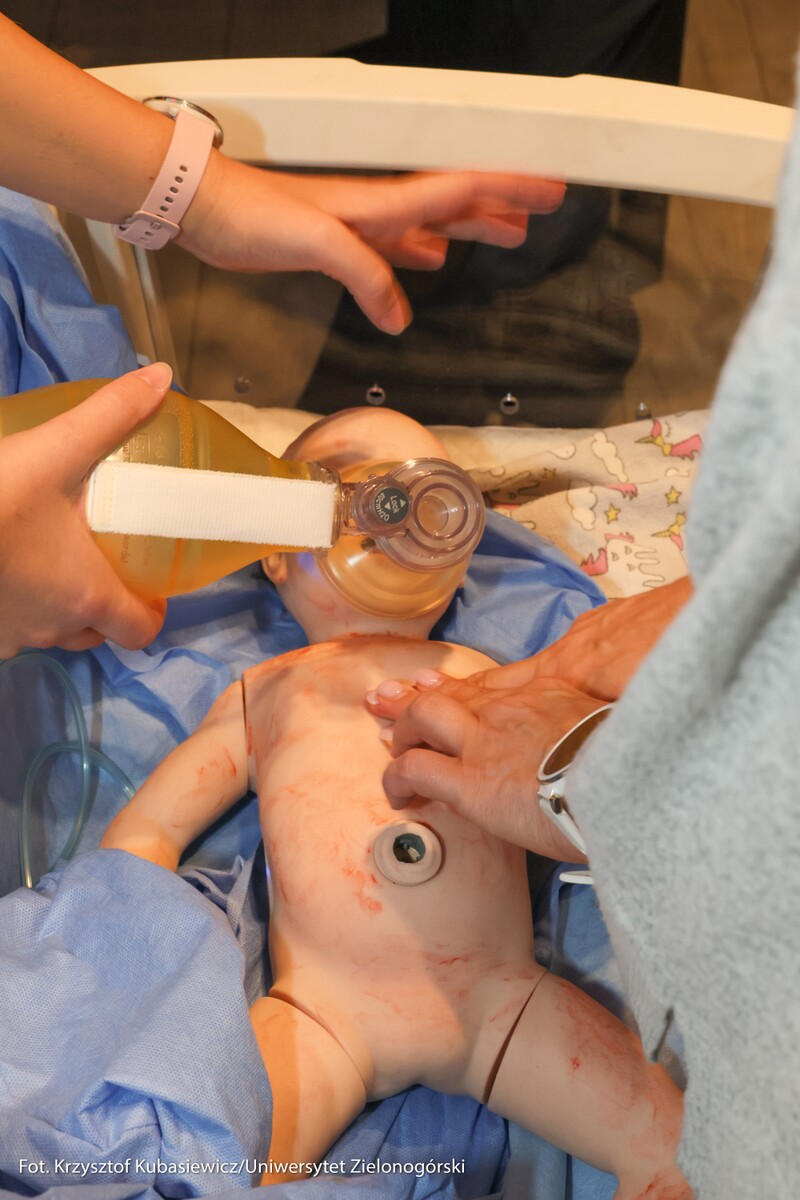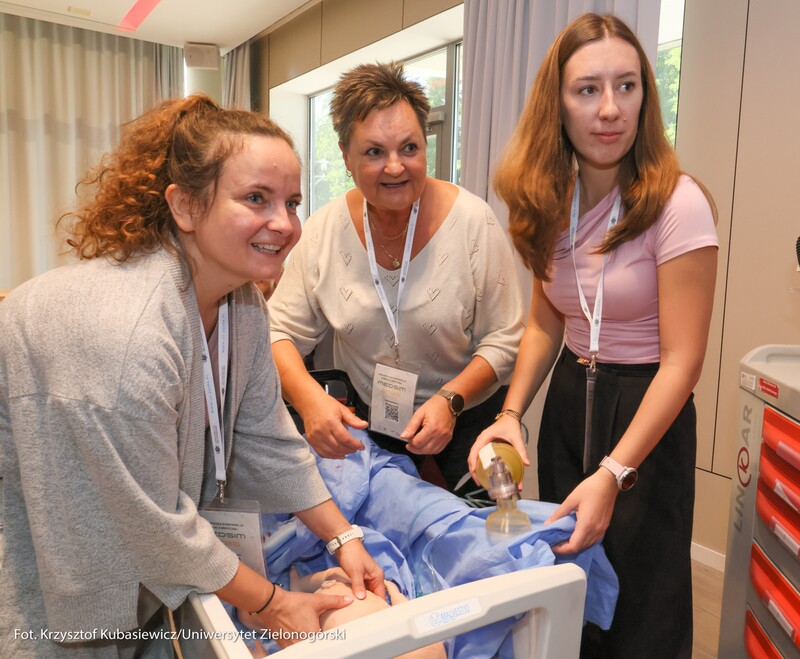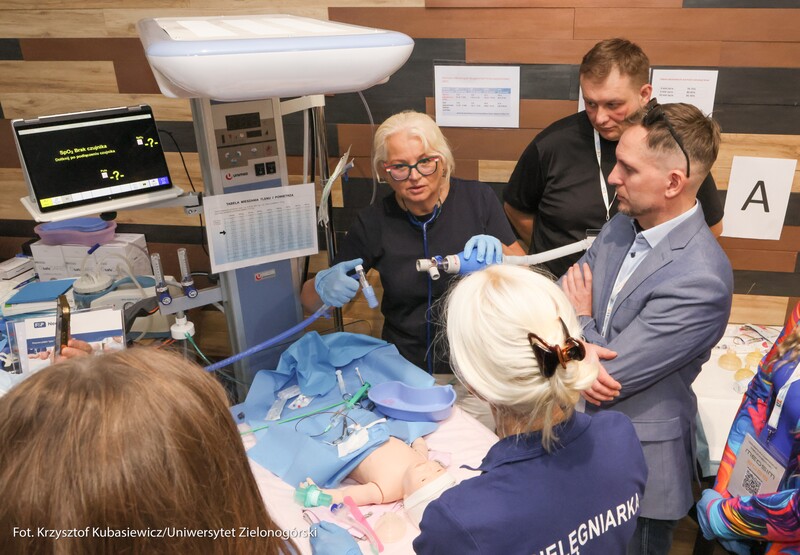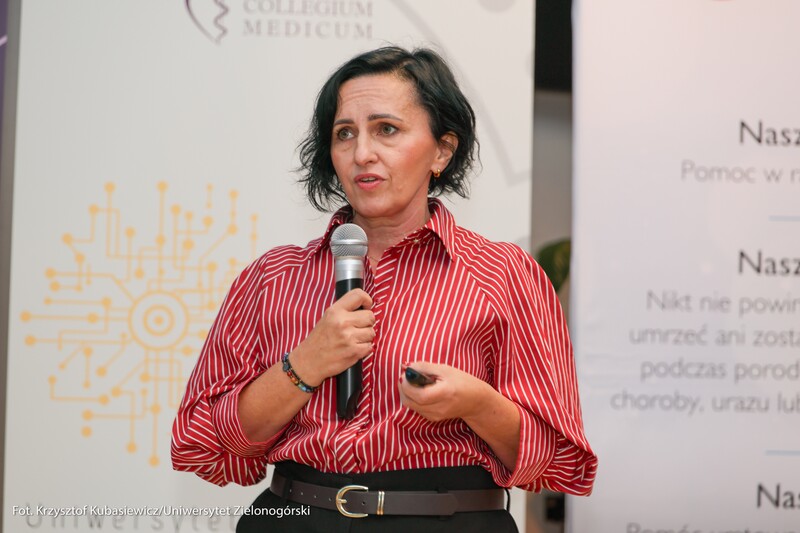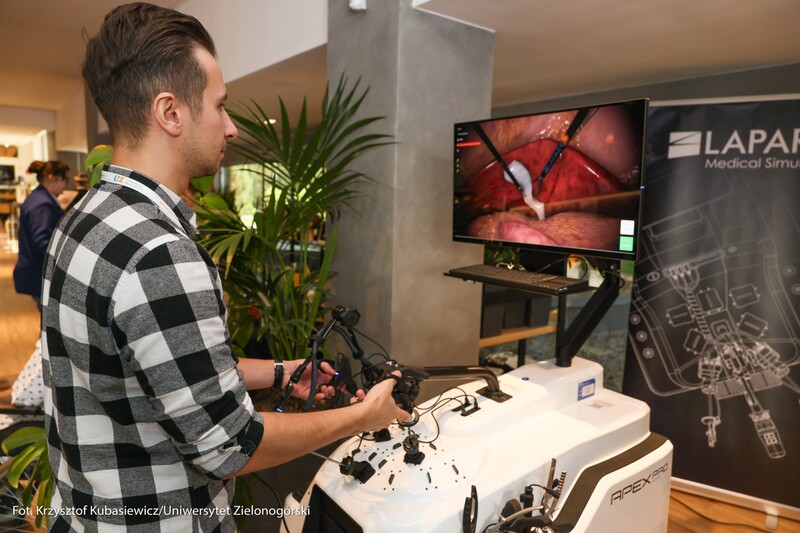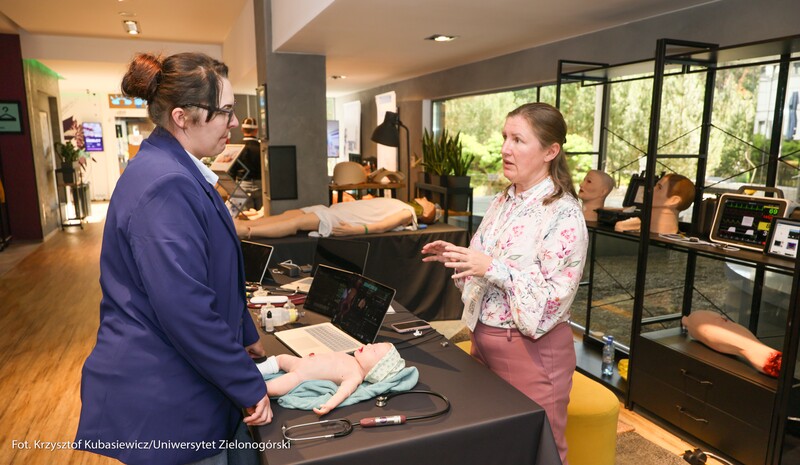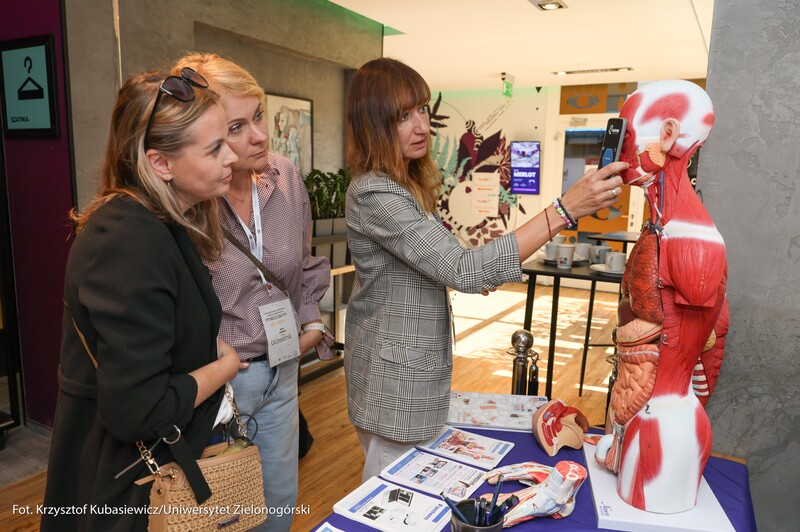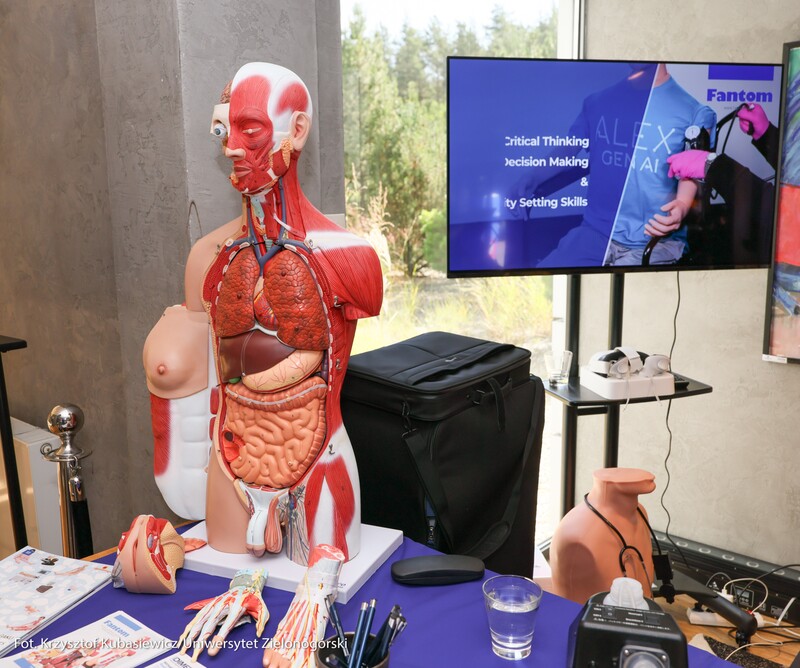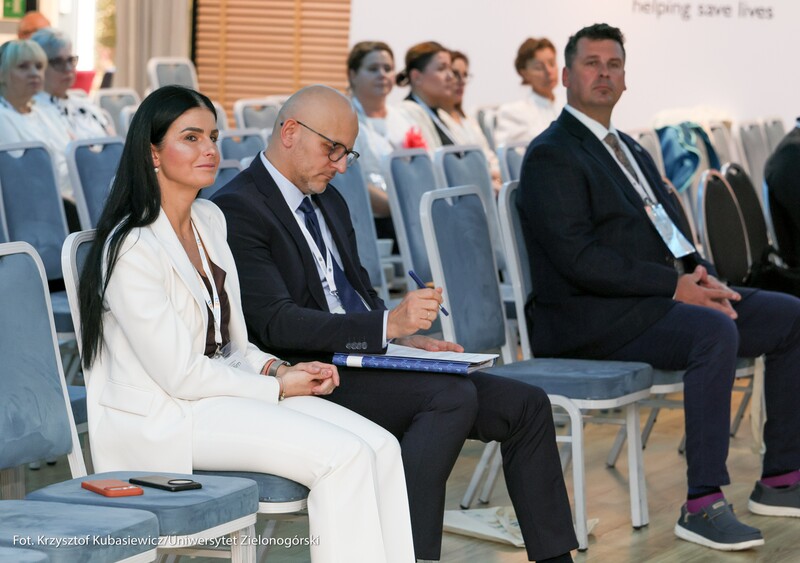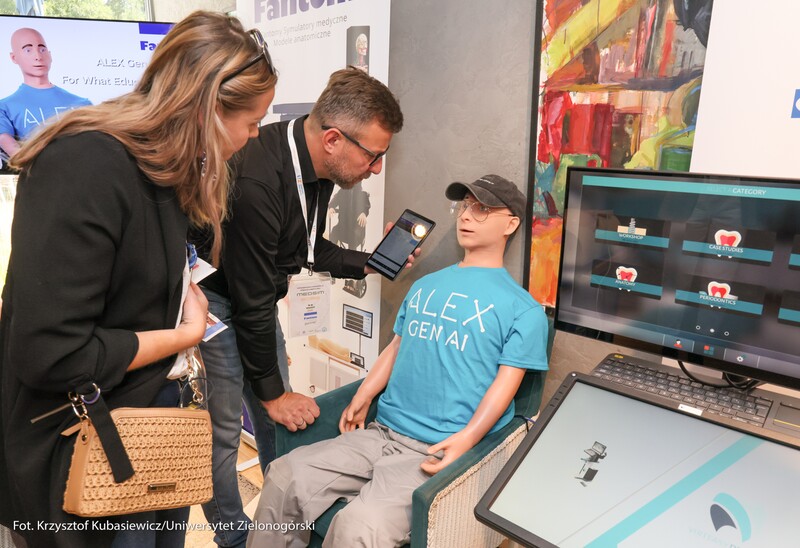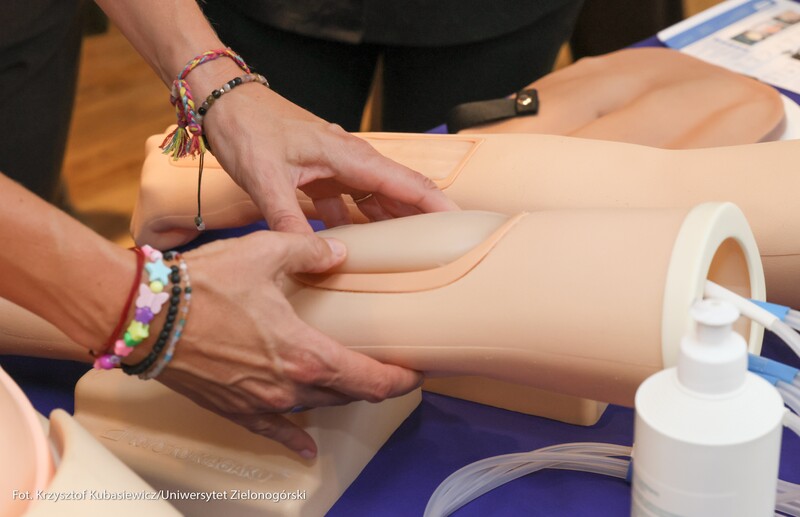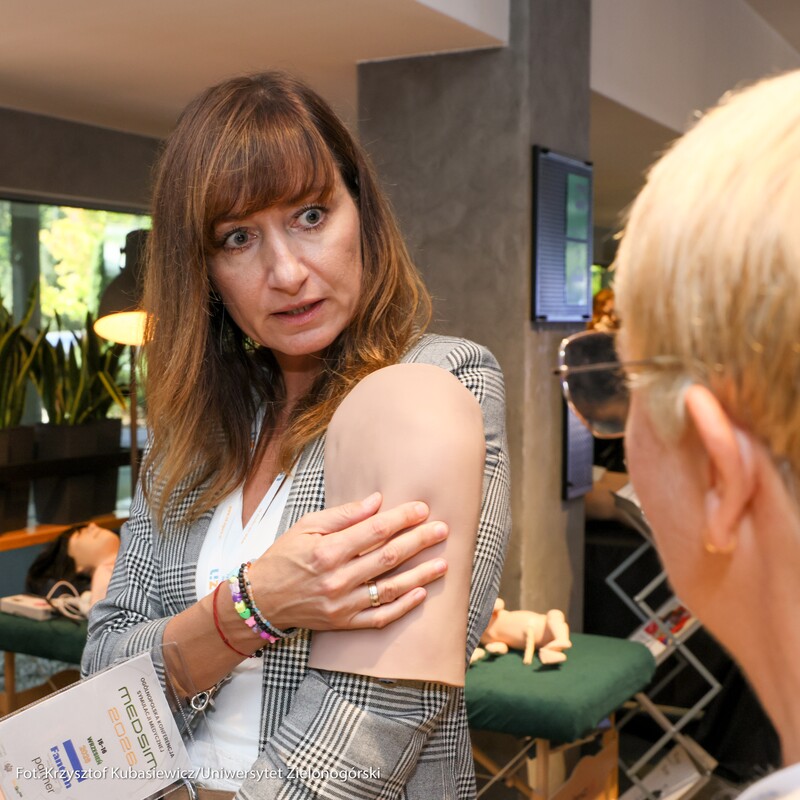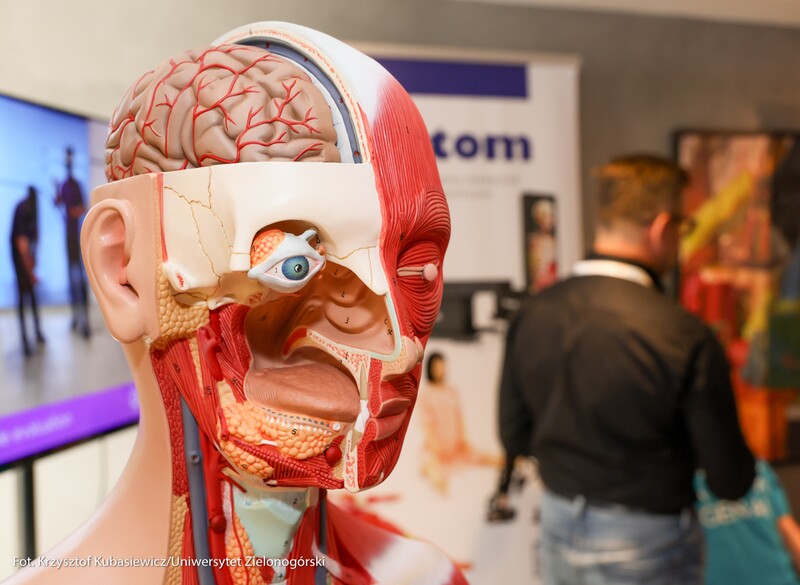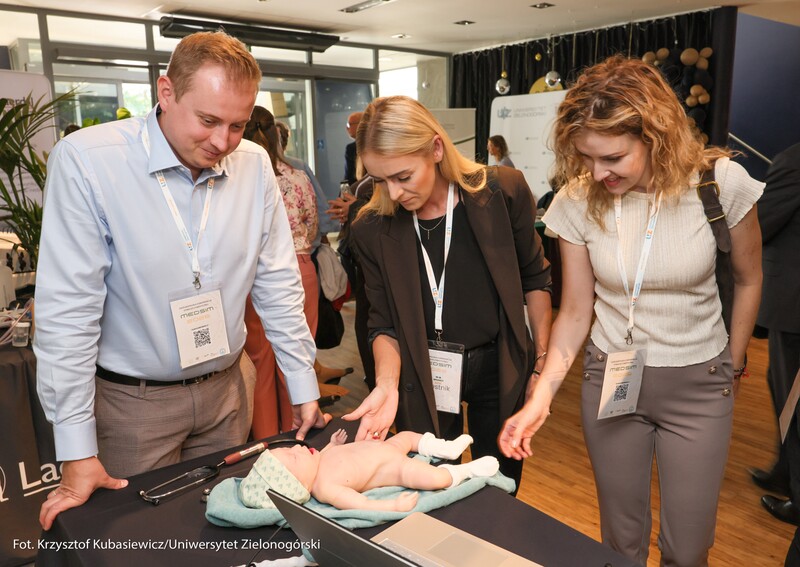
Two days of learning, sharing experiences and enhancing skills in medical simulation have come to the end. The aim was to better prepare students of medicine, nursing and emergency medical services for their future work with patients.
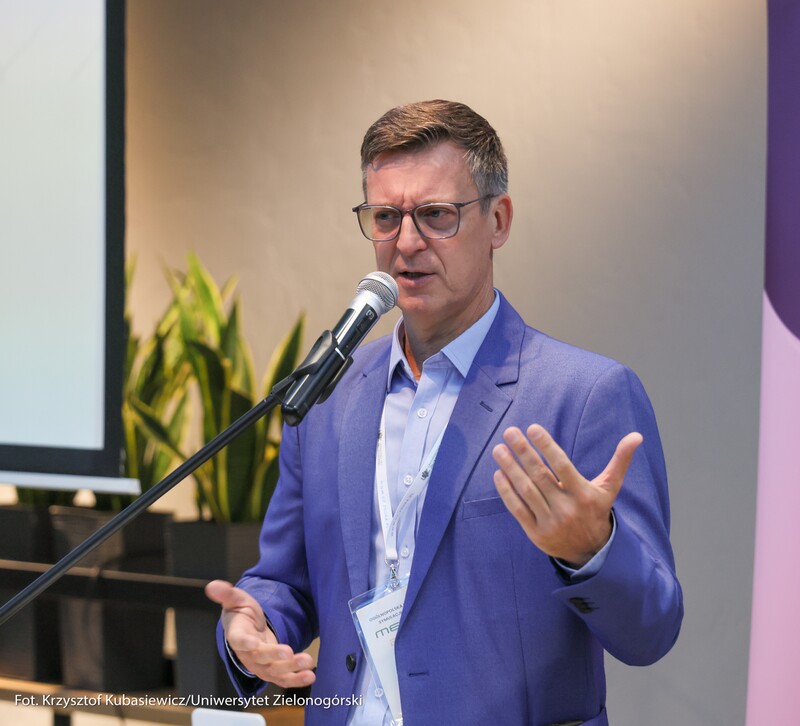
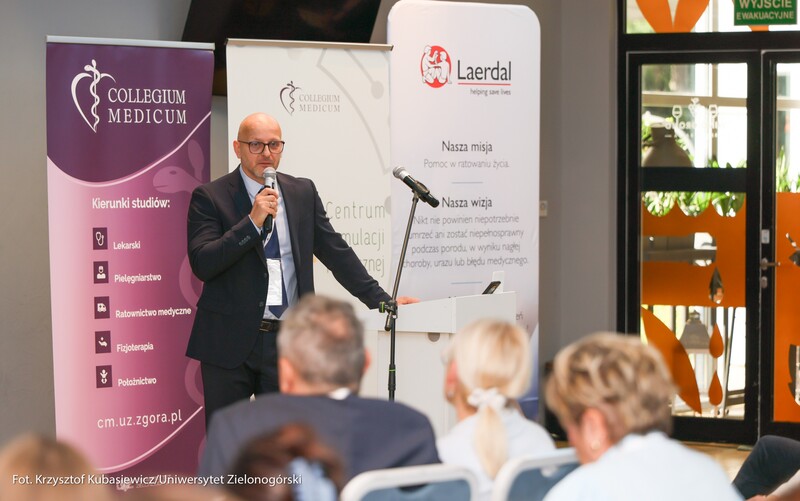
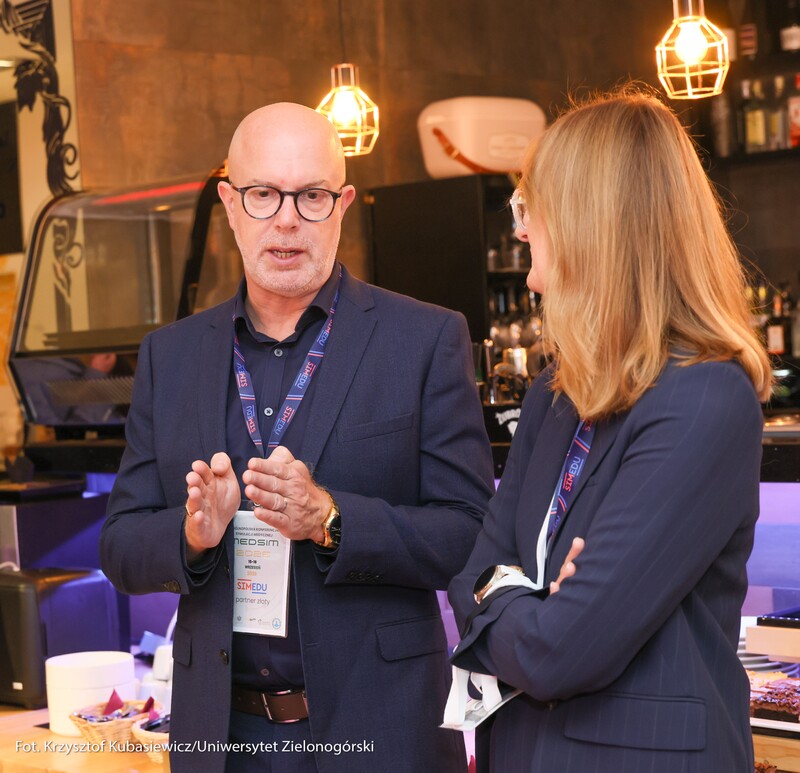
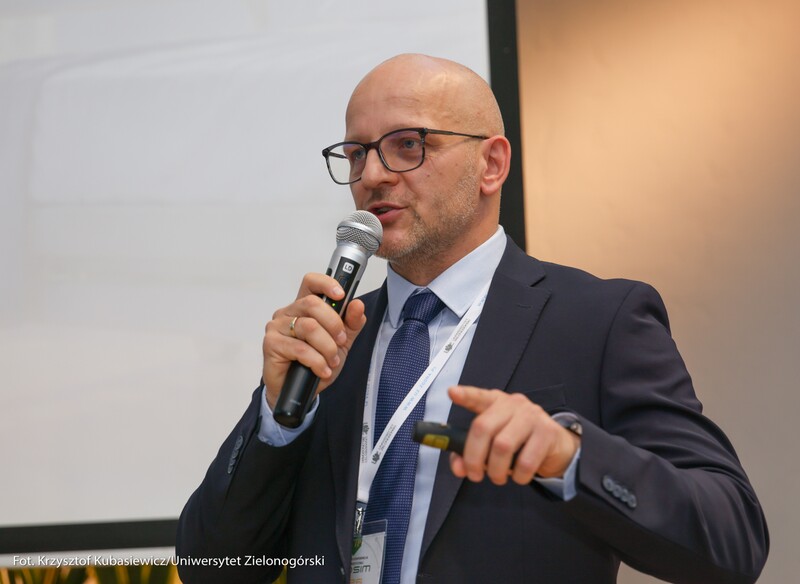
This year’s edition of the National Medical Simulation Conference, MedSim 2026, was held in Zielona Góra and organised by the Medical Simulation Centre of the Collegium Medicum at the University of Zielona Góra. As Professor Marcin Zaniew, MD, PhD, Vice-Rector for Collegium Medicum at the University of Zielona Góra, emphasised, hosting the conference was a great distinction for the University: “This conference provides an opportunity for teaching staff involved in delivering classes at the Medical Simulation Centre of the University of Zielona Góra’s Collegium Medicum, as well as other Collegium Medicum employees, to gain valuable experience. It is an exceptional event for us because it allows us to demonstrate that we are part of the community of medical universities—not just in name, but in practice. It shows that we are actively involved in initiatives of this kind. Entrusting the Medical Simulation Centre of the Collegium Medicum at the University of Zielona Góra with organising this conference is a recognition of our unit.”
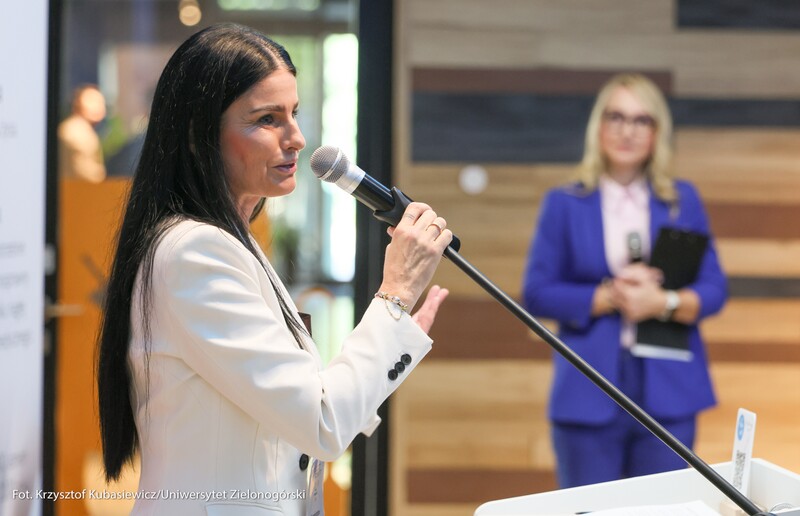
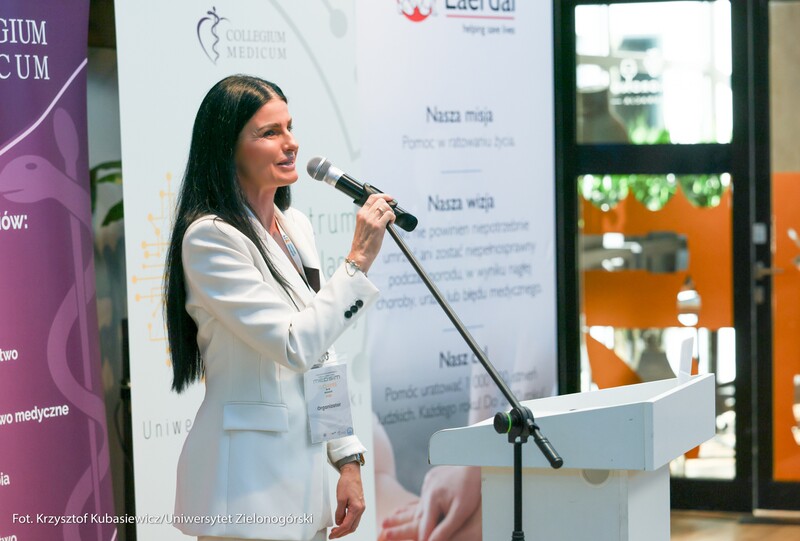
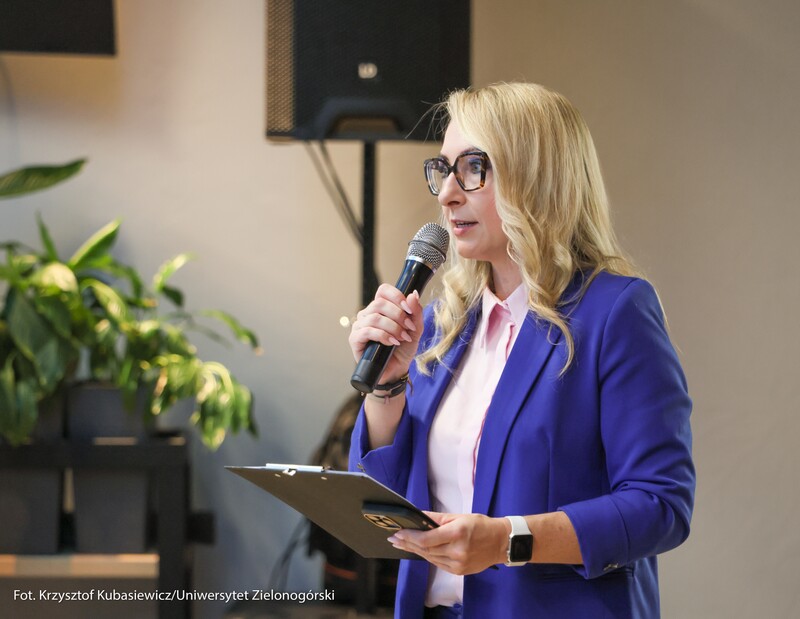
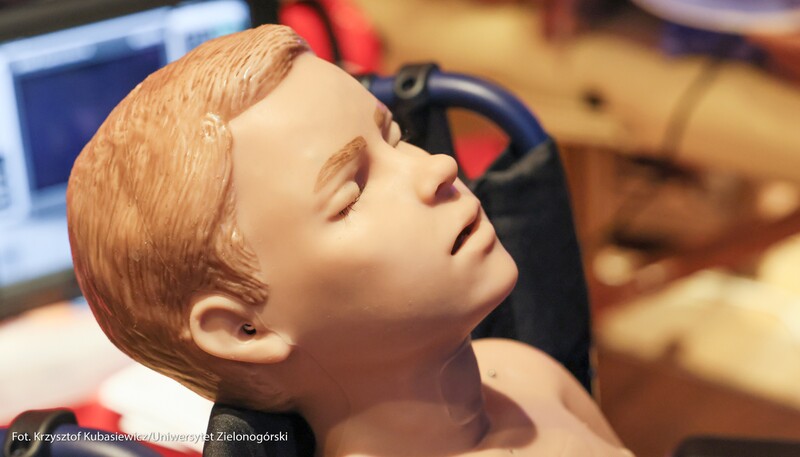
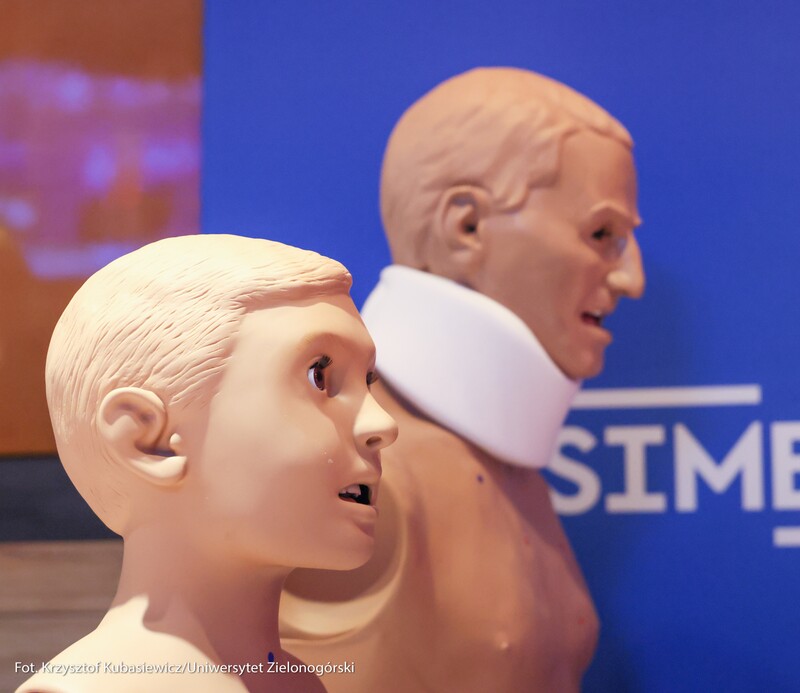
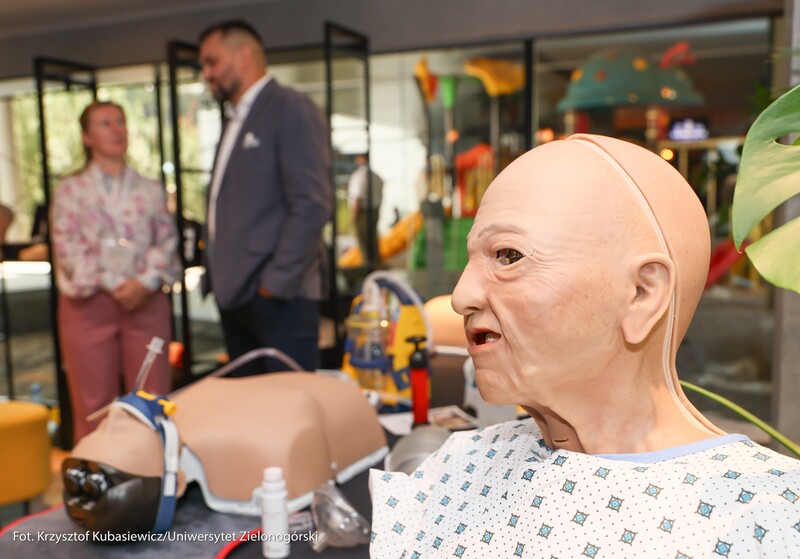
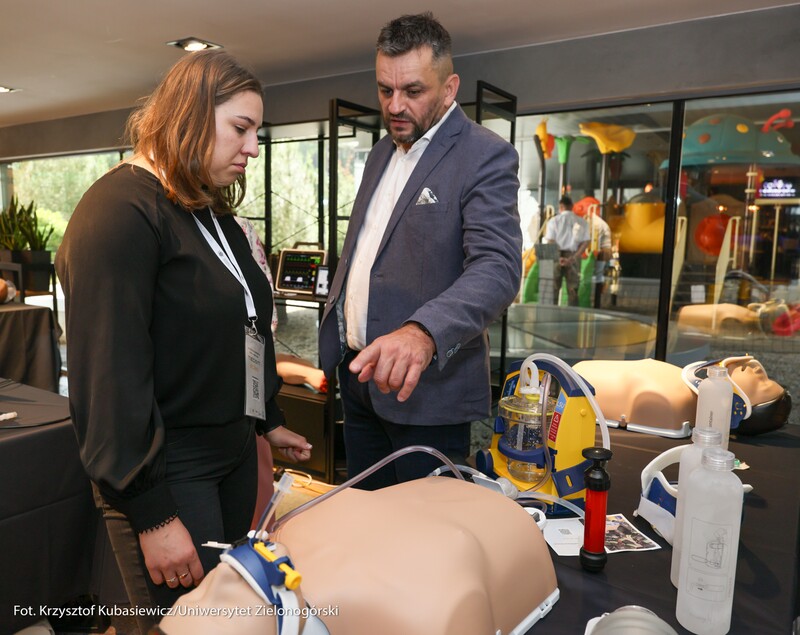
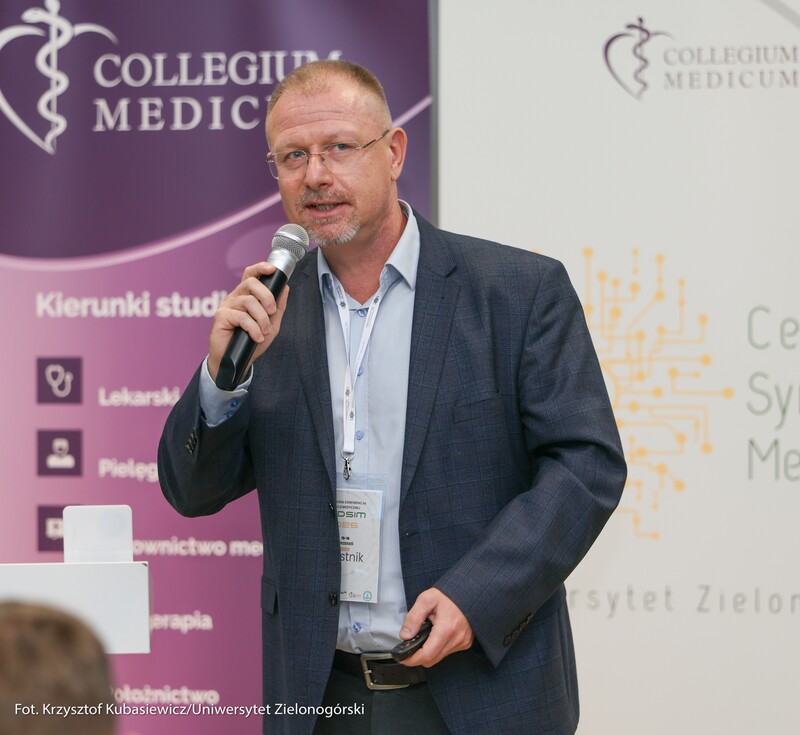
The conference focused on modern approaches to medical education, recreating real-life working conditions through medical simulations, practising clinical communication and, above all, improving the quality of treatment and patient safety. The programme also addressed training needs arising from the current geopolitical situation. As Agnieszka Żeromska-Michniewicz, MBA, Head of the Medical Simulation Centre at the University of Zielona Góra, explained: “Every university offering medical degree programmes is required to conduct some of its classes in simulated conditions. This creates a need for institutions to meet and exchange experiences. This year, we are focusing on assessing where we currently stand in medical simulation in relation to educational standards. We have also devoted considerable attention to OSCE examinations. This is a structured practical examination that represents a major undertaking for every university. The requirements are very stringent and become increasingly demanding each year in terms of standards. We need to practise, meet and share experiences to learn how to address various challenges. We have also prepared a workshop on battlefield medicine. From next year, battlefield medicine classes will become part of the standard curriculum in response to the geopolitical situation. This is undoubtedly an important and much-needed subject in the education of medical professionals.”
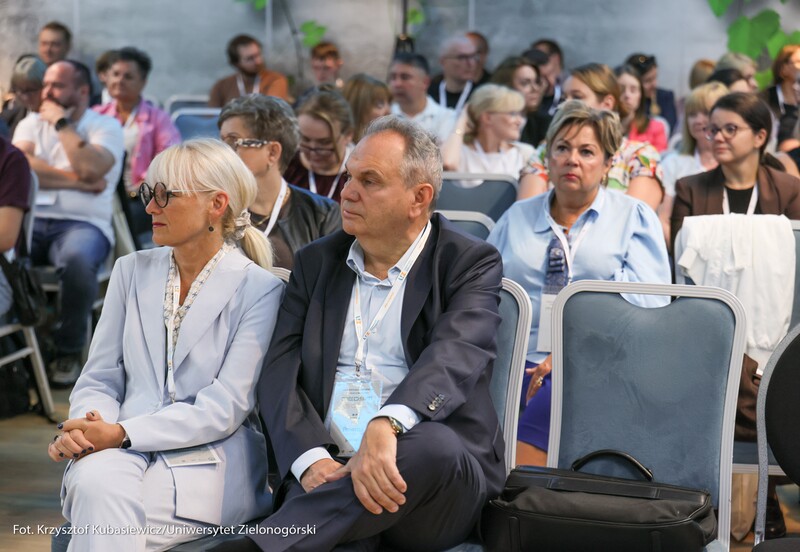
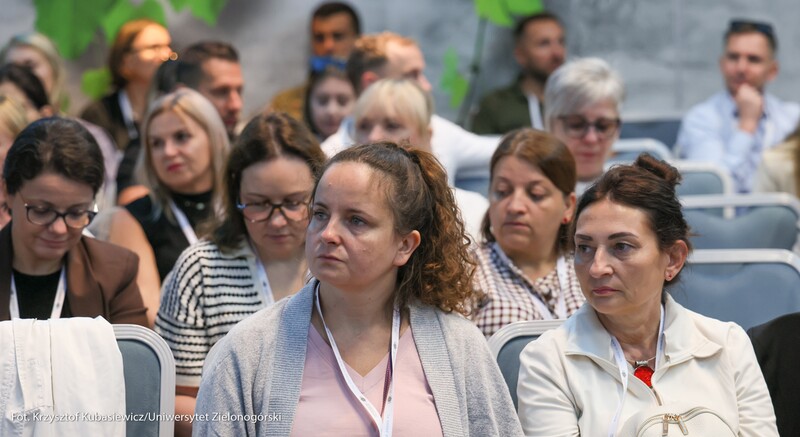
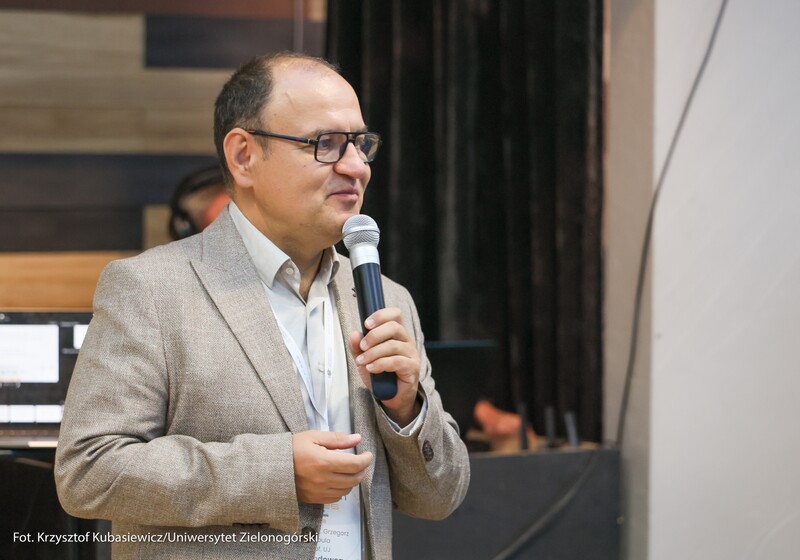
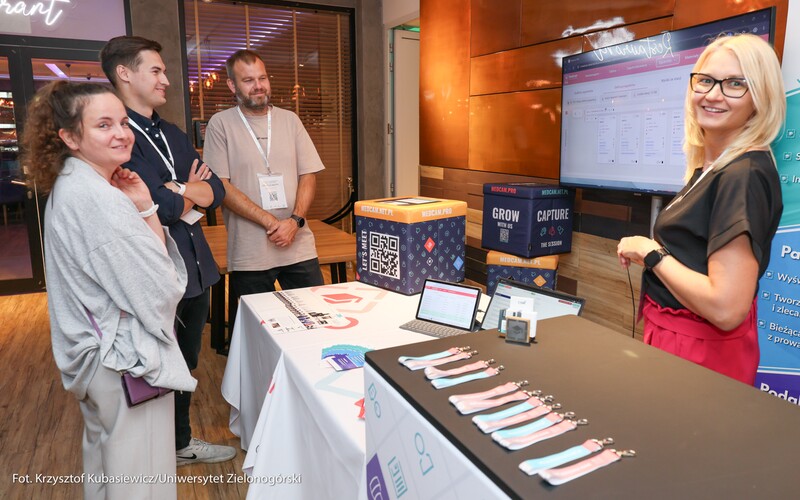
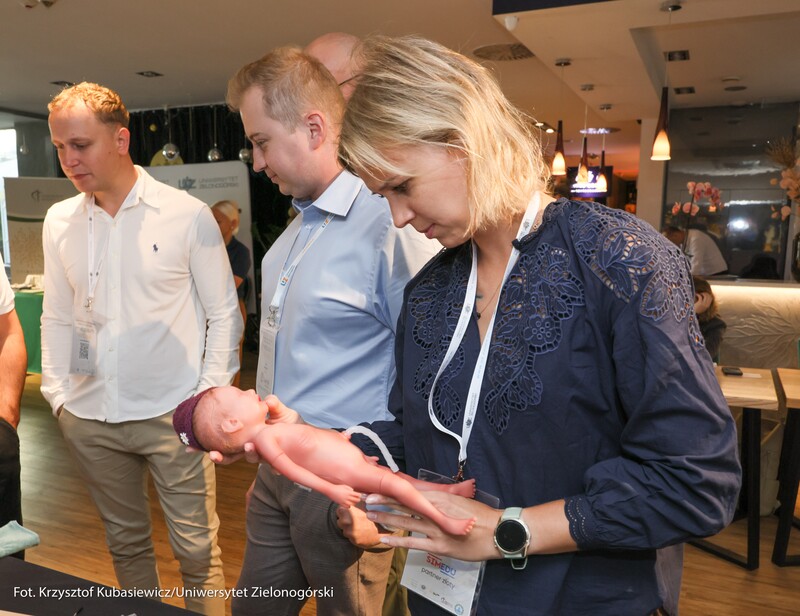
The conference programme combined lectures with practical workshops led by experienced specialists. Participants also had the opportunity to attend panel discussions, scientific sessions and engaging demonstrations. The event brought together experts, healthcare professionals, medical simulation instructors, managers of simulation centres, medical simulation specialists, as well as manufacturers and suppliers of modern educational technologies. Summing up the event, Grzegorz Cebula, MD, PhD, Professor at the Jagiellonian University Medical College and Director of the Centre for Innovative Medical Education at the Jagiellonian University Medical College in Kraków, said: “This is a place where representatives of different medical professions can meet, exchange experiences and discuss both the advantages and challenges of their work. It is a forum where we can share our experiences and needs and help one another. I believe this is extremely valuable, and I hope the initiative will continue to grow. The quality of training provided to people working in Medical Simulation Centres is something I care deeply about. These professionals need support and the opportunity to learn from those who have already gained relevant expertise, so that the quality of simulation-based teaching can be as high as possible.”
Following the conference, SUN, the annual meeting of medical simulation experts, was held. It provided another opportunity to exchange good practices, strengthen cooperation between institutions and discuss current challenges related to the development of medical simulation in Poland.