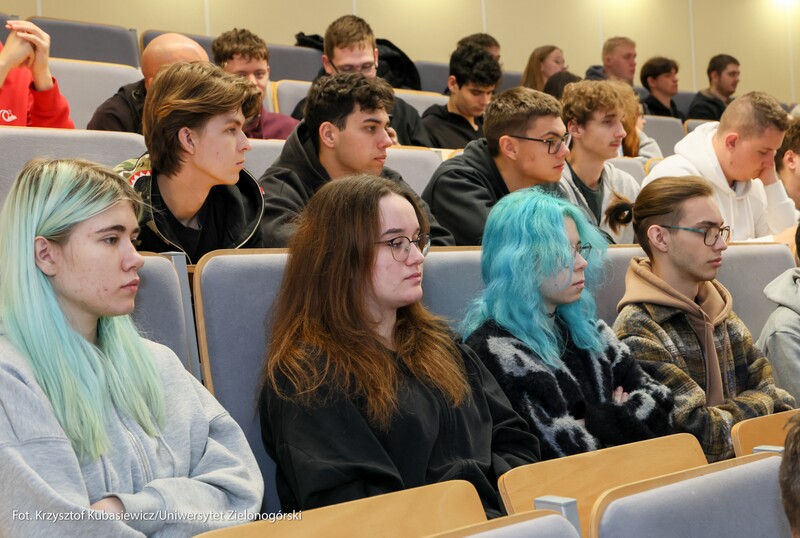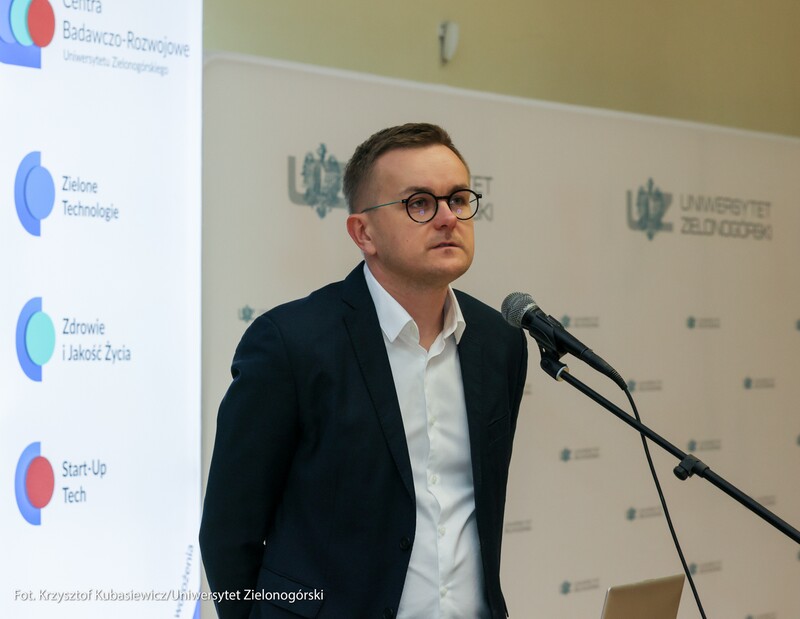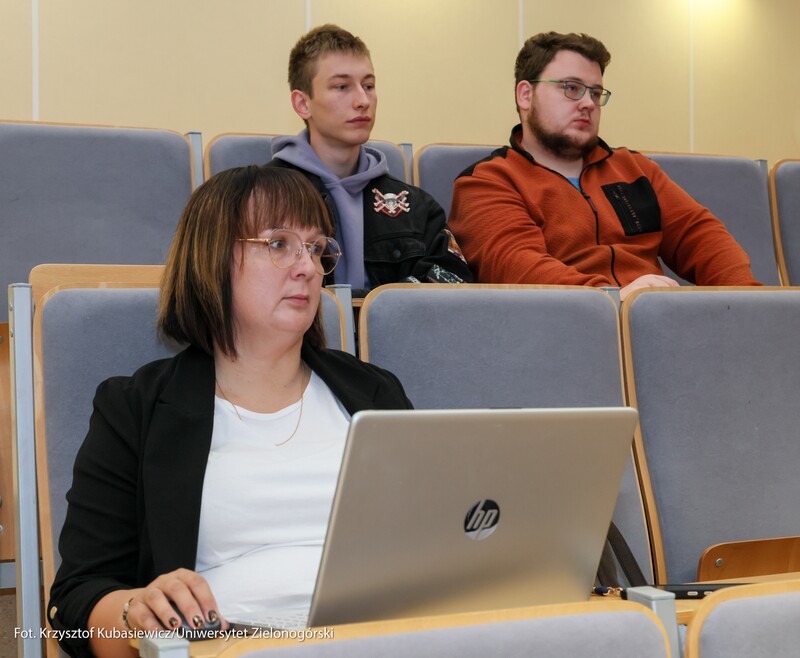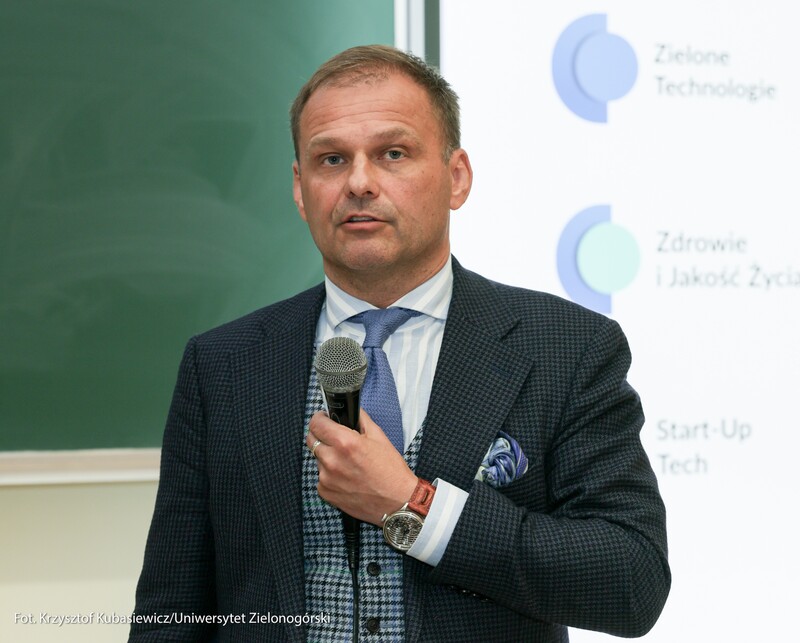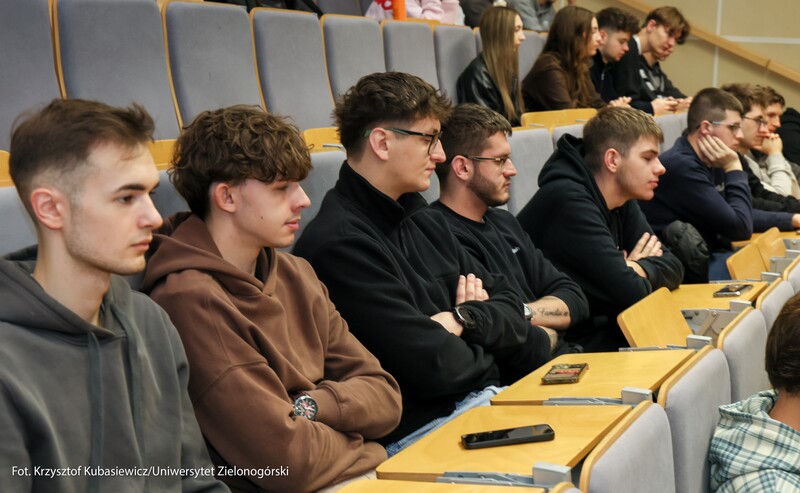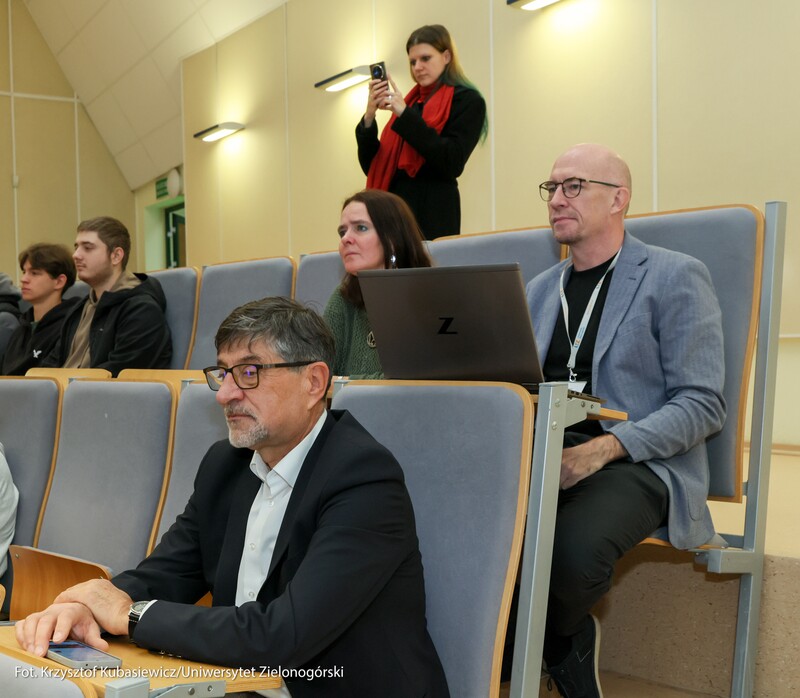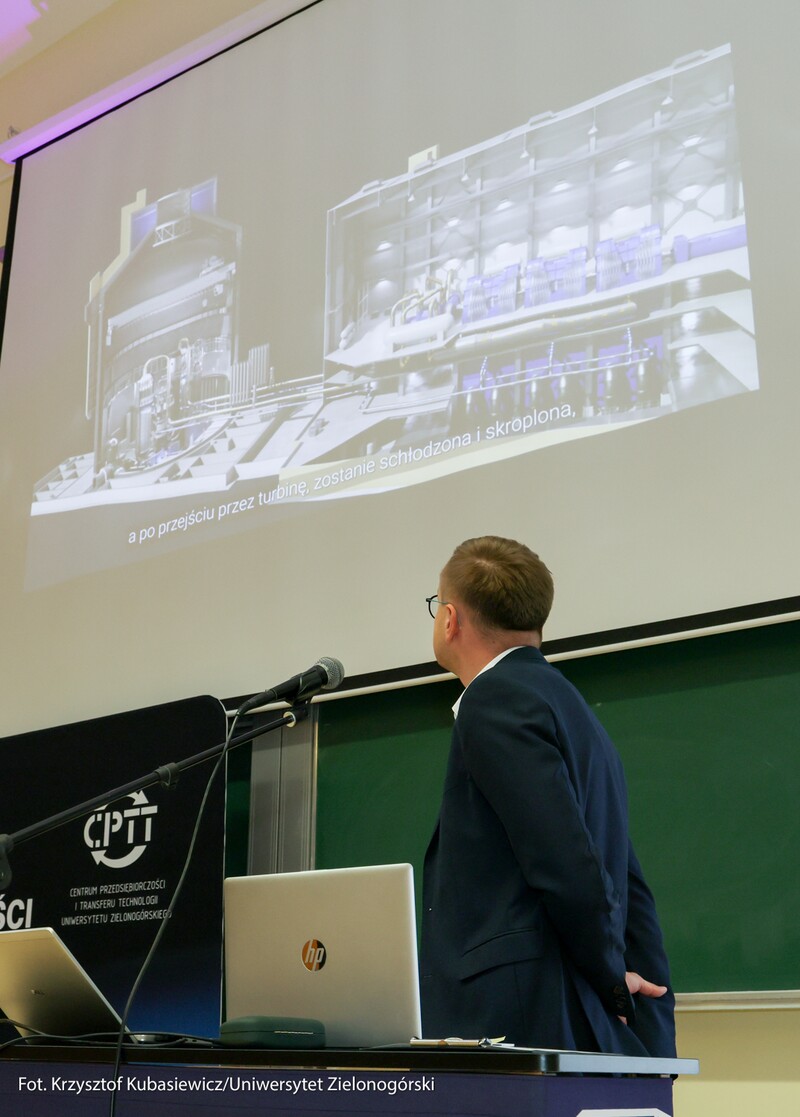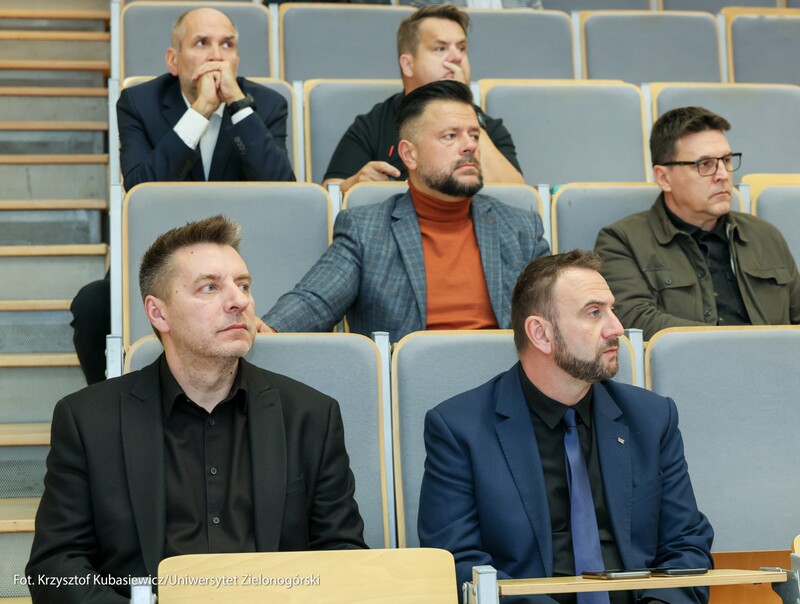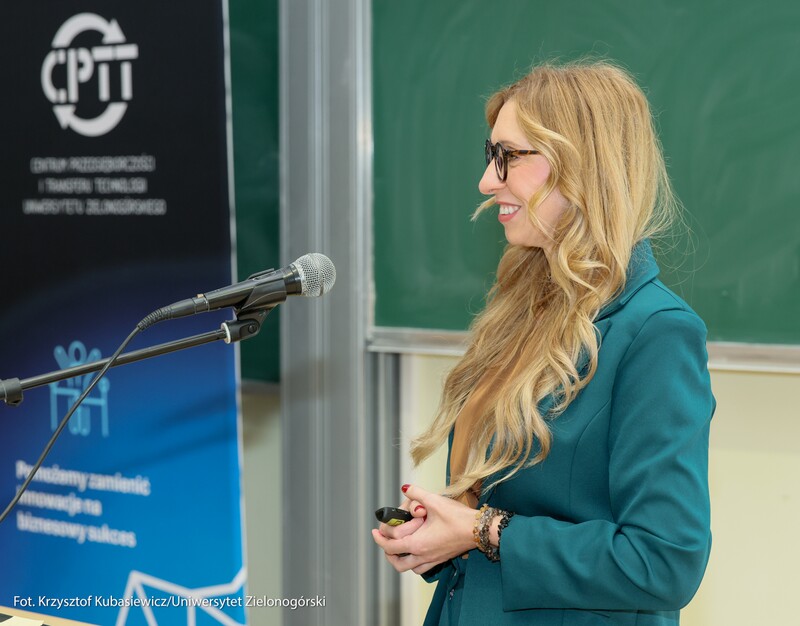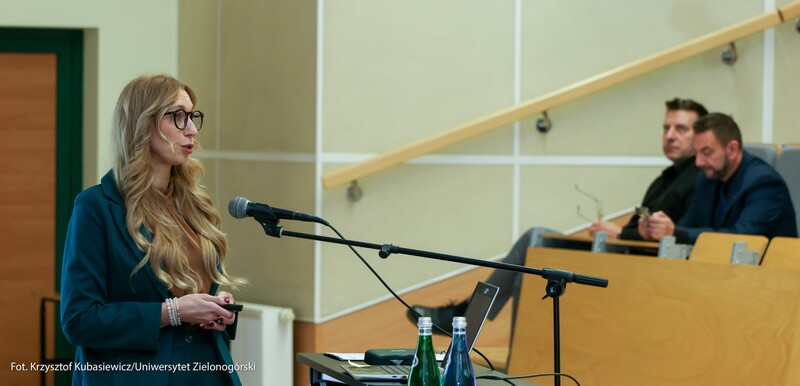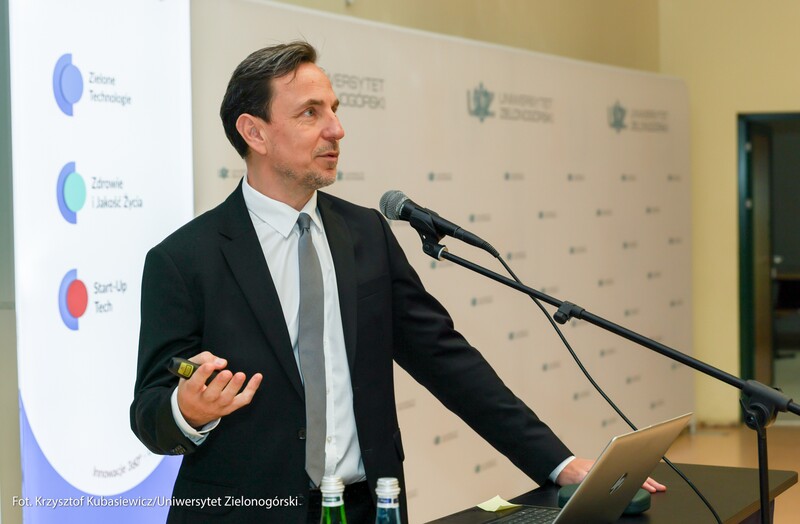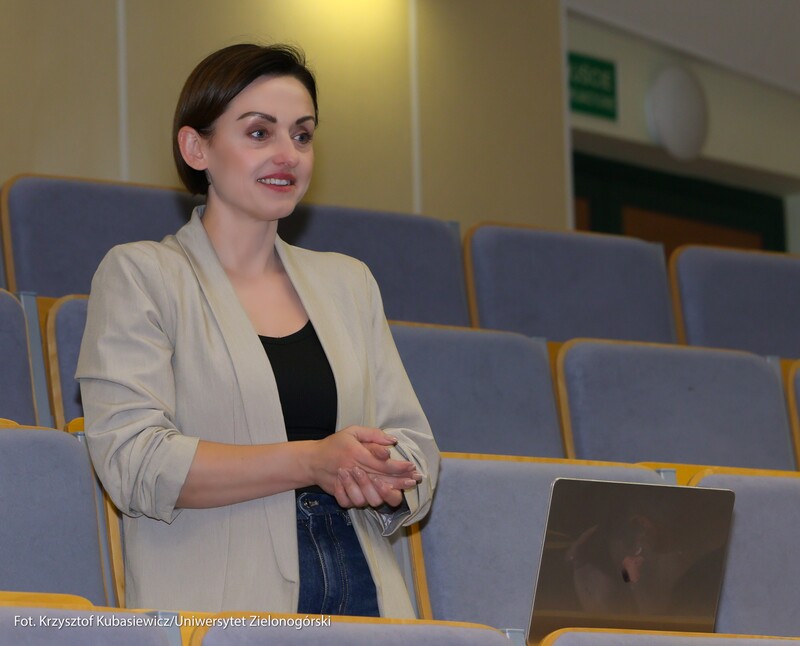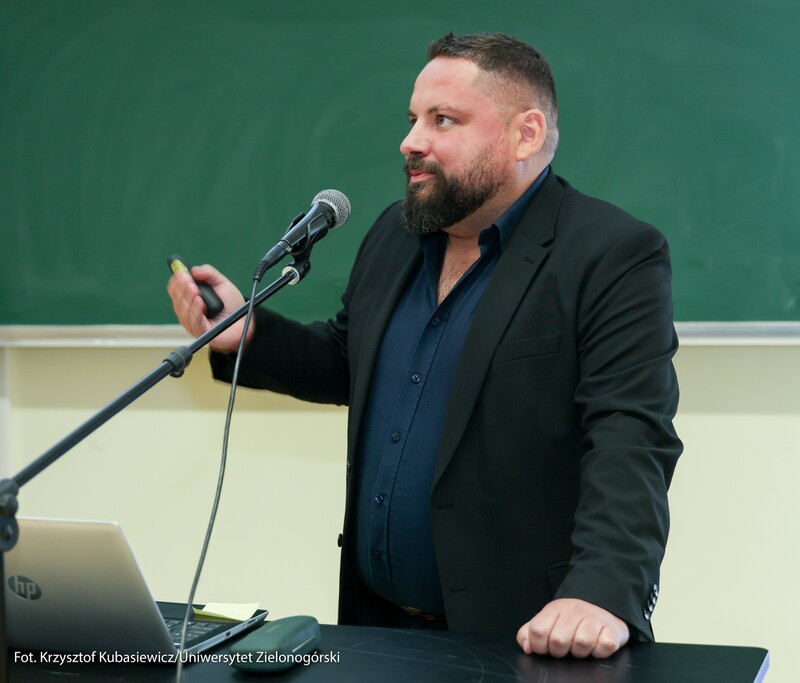
“Energy for the Economy: Supply Chains, Innovation and New Competencies” was the theme of a scientific conference organised by the Centre for Entrepreneurship and Technology Transfer at the University of Zielona Góra. The event provided an opportunity for dialogue between academia and industry on the future of the economy and the professions of tomorrow.
The Polish economy currently faces a number of challenges. Among them are questions regarding the future of supply chains in the face of geopolitical crises, as well as the development of technological innovation within the framework of Industry 5.0 and Society 5.0. Another important task will be the development of educational programmes to prepare future professionals for the rapidly growing energy sector.
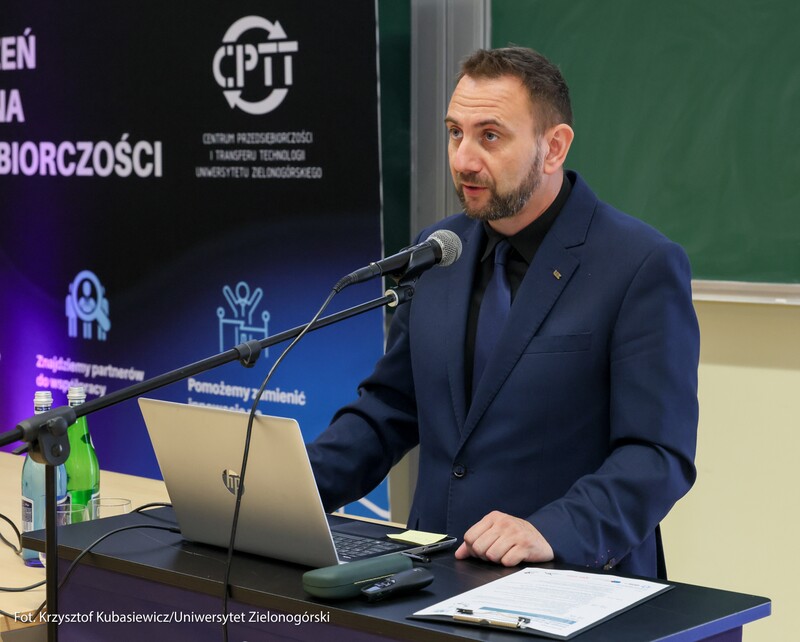
According to the organisers, meetings of this kind are important because they help focus students’ attention on global challenges and threats, while also presenting the opportunities and solutions available to them during their education. As explained by Karol Dąbrowski, Director of the Centre for Entrepreneurship and Technology Transfer at the University of Zielona Góra, the university actively cooperates with numerous institutions, companies and organisations, creating a wide range of opportunities:
“We have extensive cooperation with business and industry. One of the best examples is our long-standing partnership with Smulders Projects Poland. Thanks to this cooperation, students can attend classes in a laboratory funded by the company.
During this event, we welcomed representatives of Polish Nuclear Power Plants for the first time. This is a strategic project for our country, and we wanted to demonstrate that Zielona Góra is recognised as a partner for this institution. We also wanted to showcase the potential of our university and the work we do. Our achievements and commitment confirm that we are a reliable and valuable partner for cooperation.”
Education in the era of the energy transition undoubtedly brings a degree of uncertainty, but it also creates new opportunities. One proposed solution for developing future professionals is the implementation of specialised academic programmes designed to enhance competencies and qualifications.
According to Anna Grzegorczyk, Head of Competence Development Support at Polskie Elektrownie Jądrowe Sp. z o.o., the event provided an excellent opportunity to discuss the professions of the future: “We would like to cooperate with universities in the development of educational programmes, short courses, the integration of nuclear-related content into various professions, and the preparation of personnel both for the construction phase and the future operation of nuclear power plants. We want to establish and maintain this cooperation so that future employees are fully prepared to work on construction sites and later in plant operations. Research services and R&D facilities are also important in supporting the processes involved in preparing such a large-scale project. We would like universities to offer educational components related to nuclear safety and to the requirements necessary for working in the nuclear energy sector. There will be a wide range of professions needed, and they are not limited to nuclear physics. Nuclear physics is primarily a research discipline, whereas we are talking about an undertaking whose purpose is to generate electricity.”
According to Sławomir Kłos, PhD, DSc, Eng., Professor at the University of Zielona Góra from the Institute of Mechanical Engineering, meetings such as this are particularly valuable for students because they provide insight into current market conditions and labour market demands: “The key thing is for students to stay informed and keep up with developments in the market. They need to understand how both the economy and the labour market are changing, what employers need, and what they expect. This knowledge will help them navigate the job market more successfully after graduation.”
The conference also featured a panel discussion involving experts, including Joanna Foksa from Smulders Projects Poland Sp. z o.o., as well as presentations by university specialists.
Among them, Professor Robert Smoleński, Director of the Institute of Automation, Electronics and Electrical Engineering, presented the results of research and development projects carried out by his institute. Meanwhile, Professor Emilian Snarski, Director of the Institute of Medical Sciences, discussed the medical opportunities offered by nuclear energy.