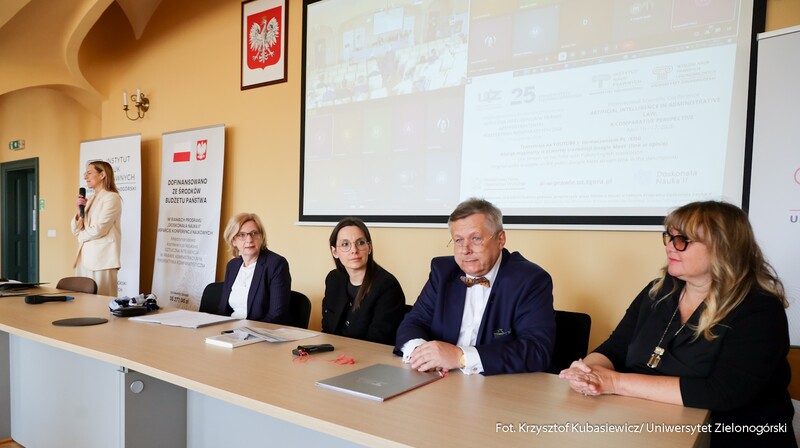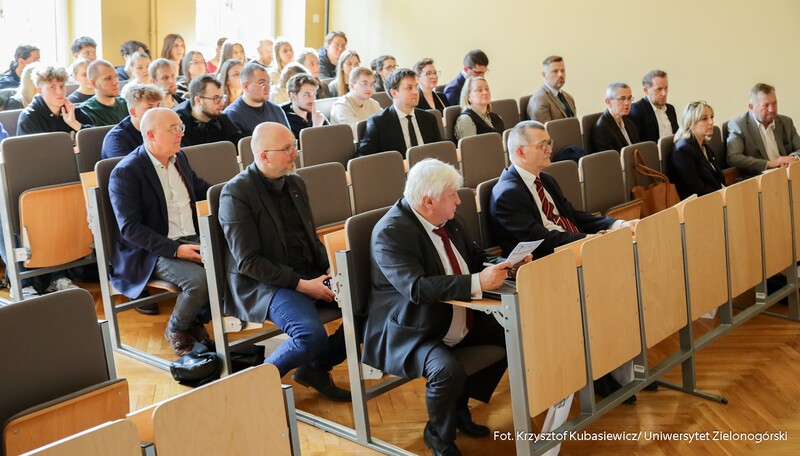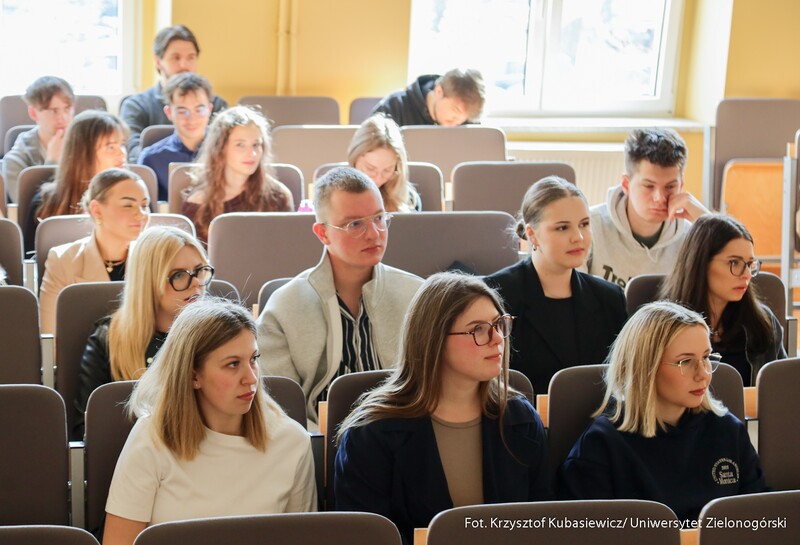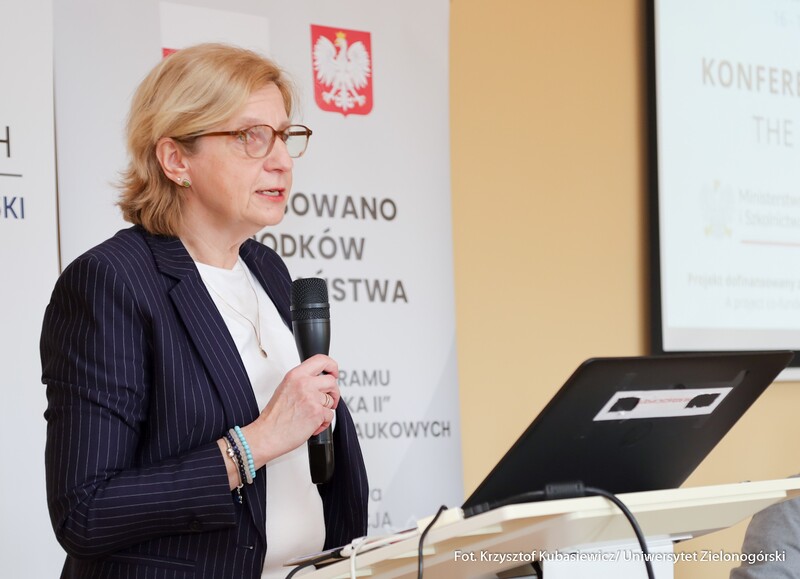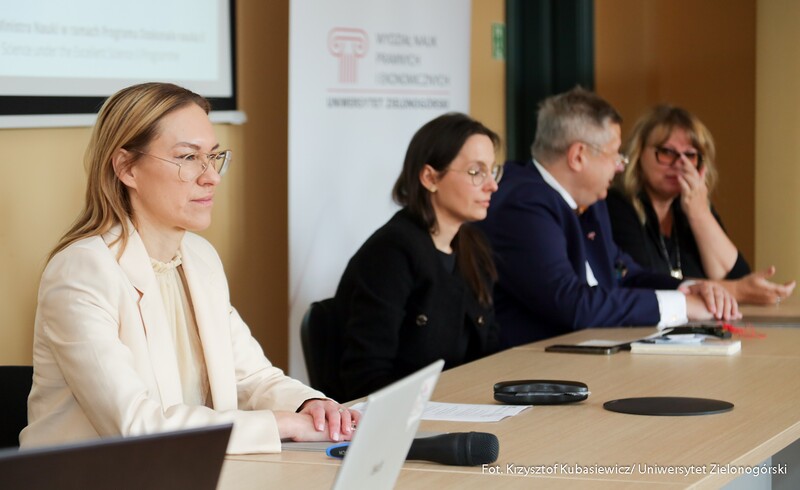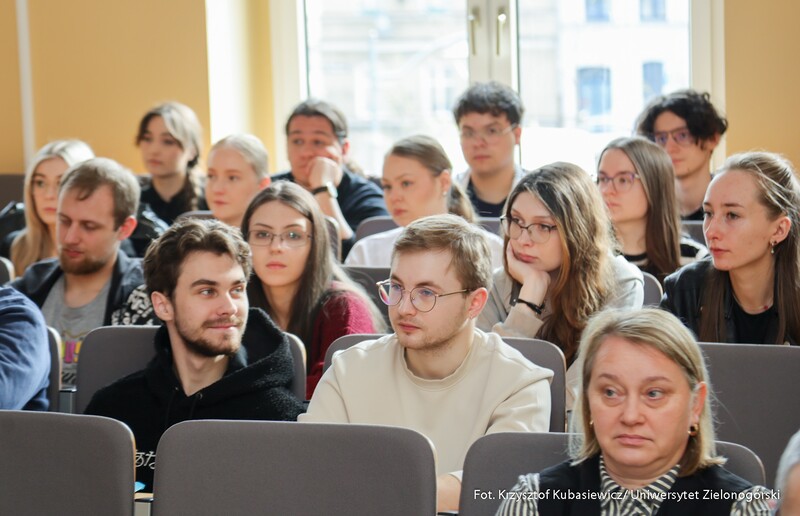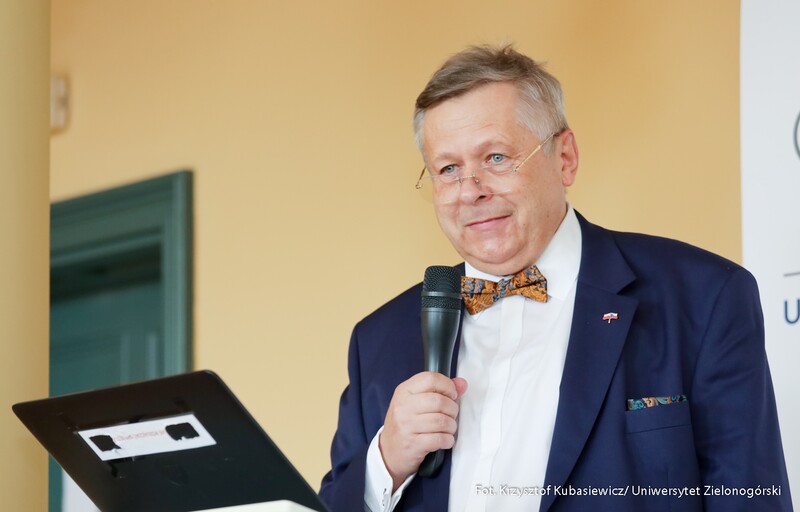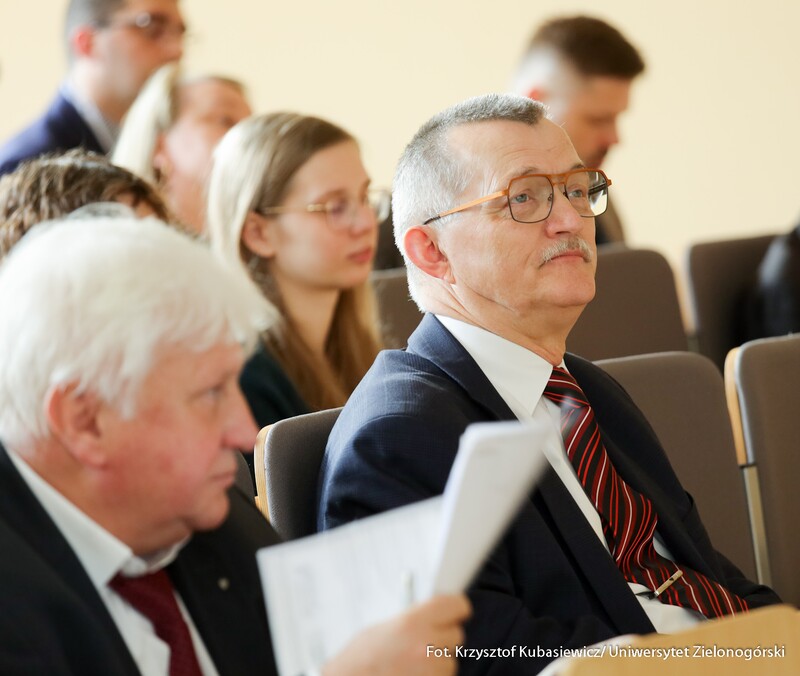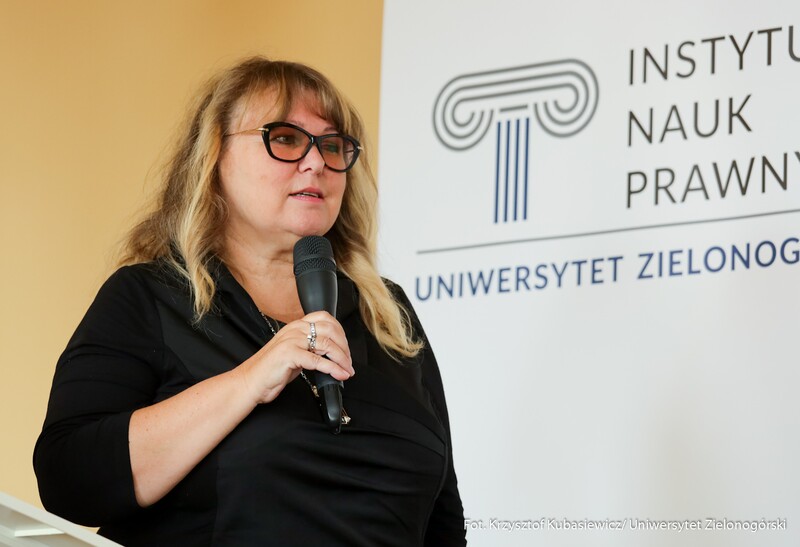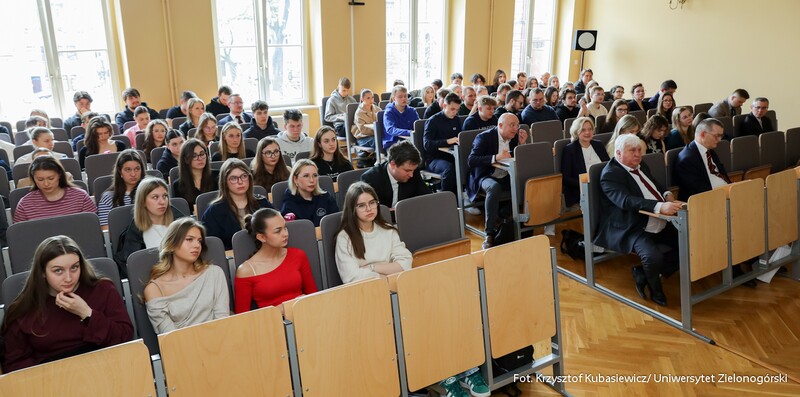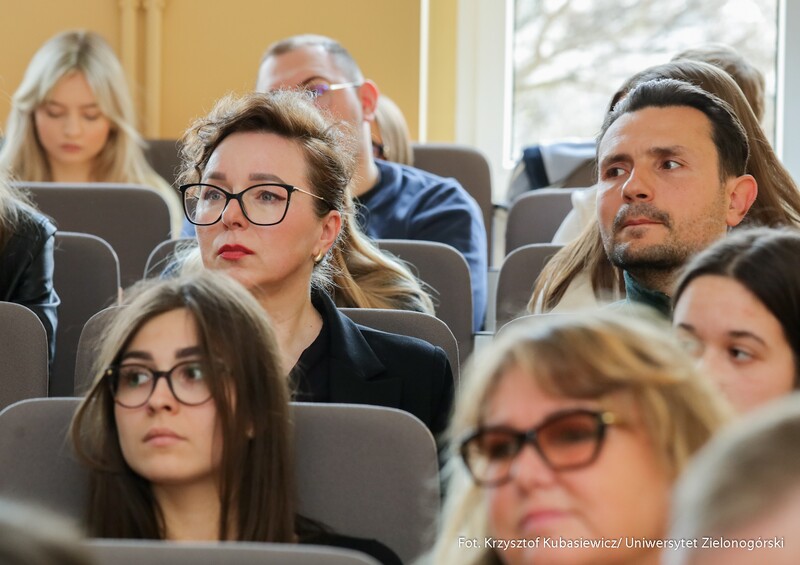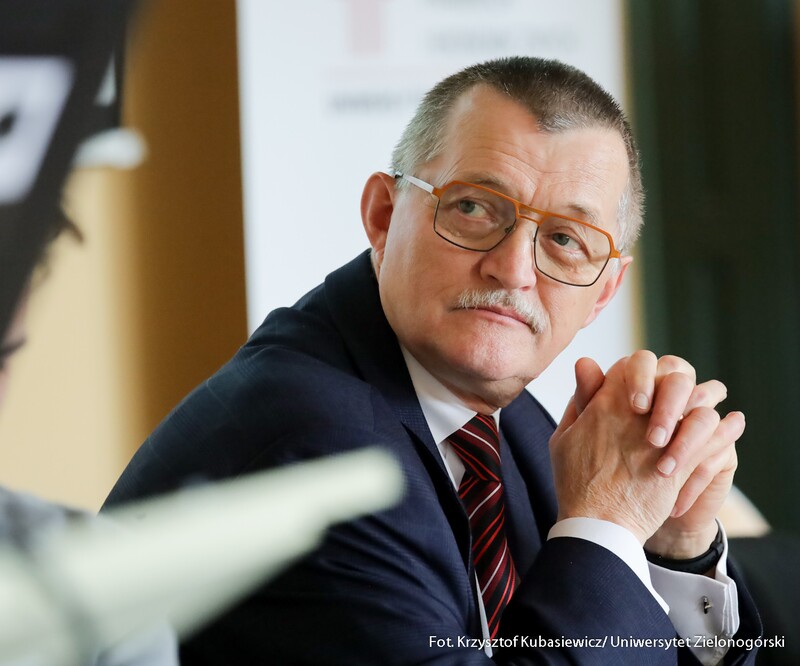
The international scientific conference "Artificial Intelligence in Administrative Law: A Comparative Perspective" has successfully concluded. The interdisciplinary event took place on April 16–17 at the University of Zielona Góra (UZ), bringing together researchers, legal practitioners, public administration officials, and IT specialists. The event was also attended by undergraduate and doctoral students from UZ.
The primary focus of the conference was the impact of AI on the public sector.
"This is a massive challenge for us. If artificial intelligence is to help us, it must be monitored and kept under control. Today, we are discussing these crucial legal and ethical aspects. We are also considering how to adopt these tools and methods into our university operations. We cannot simply ignore this reality; students are already using these tools. That is why they were created, and we should utilize them. However, we must remain cautious. We need to build mechanisms that ensure artificial intelligence is used correctly. This challenge is not unique to us; the European Union is currently drafting regulations to govern the use of this tool in daily work and various professions, which involves issues like data processing. A lot of work lies ahead. Let us embrace artificial intelligence—it is here to help us—but let us do so safely," explains Prof. Justyna Patalas-Maliszewska, PhD, DSc, Eng., Vice-Rector for Science and International Cooperation at UZ.
Embracing artificial intelligence is a goal shared not only by researchers at the University of Zielona Góra but also by representatives of local government institutions.
"I believe it will help us issue decisions faster and streamline the entire process, but it will never replace humans. It takes more than just a lens, an eye, and reason; it also takes heart, especially when issuing decisions regarding social assistance, for instance. AI cannot handle that. It will speed up proceedings and data collection, but it will not replace the human element. It is humans who create artificial intelligence. It depends on how we build it, what software we develop, and what we demand from it," adds Robert Gwidon Makarowicz, President of the Local Government Appeal Body (SKO) in Zielona Góra.
The conference also provided an excellent opportunity for an international exchange of experiences.
"We want to present the current legal status in Poland, but we are also keen to understand the regulations in other countries, namely Germany, the Czech Republic, and Romania. The conclusion of our comparative meeting is to outline directions or proposals for the development of domestic regulations, as that is the role of academic lawyers. This issue also has a constitutional dimension. Artificial intelligence brings not only benefits but also certain risks, particularly in areas such as the protection of the right to privacy," comments Assoc. Prof. Andrzej Bisztyga, Dean of the Faculty of Law and Economics at UZ.
Assoc. Prof. Ewa Szewczyk, Head of the Department of Administrative Science and New Technologies Law at UZ, elaborated on these potential threats:
"We do have certain concerns. The greatest risks focus on ensuring that AI does not dehumanize the processes closest to people—especially in scenarios where we expect public officials to be replaced by artificial intelligence in public administration bodies. We are learning from live, real-time material here."
The international scientific conference "Artificial Intelligence in Administrative Law: A Comparative Perspective" was organized by the Institute of Legal Studies at the University of Zielona Góra. The project was co-financed by state budget funds awarded by the Minister of Science and Higher Education under the "Excellent Science II" (Doskonała Nauka II) program.