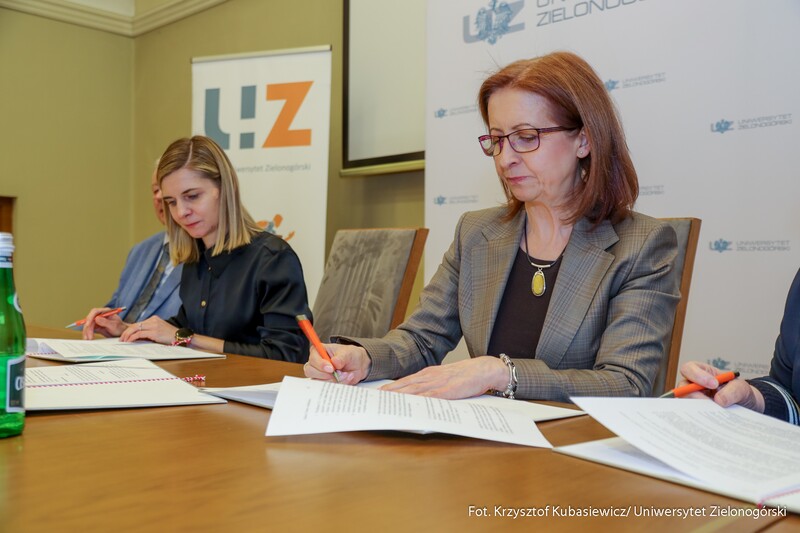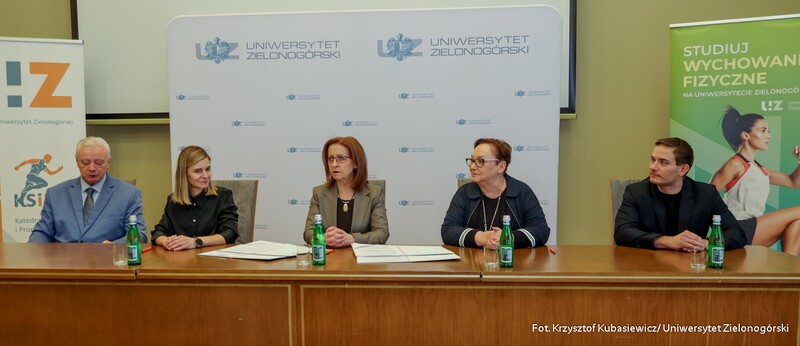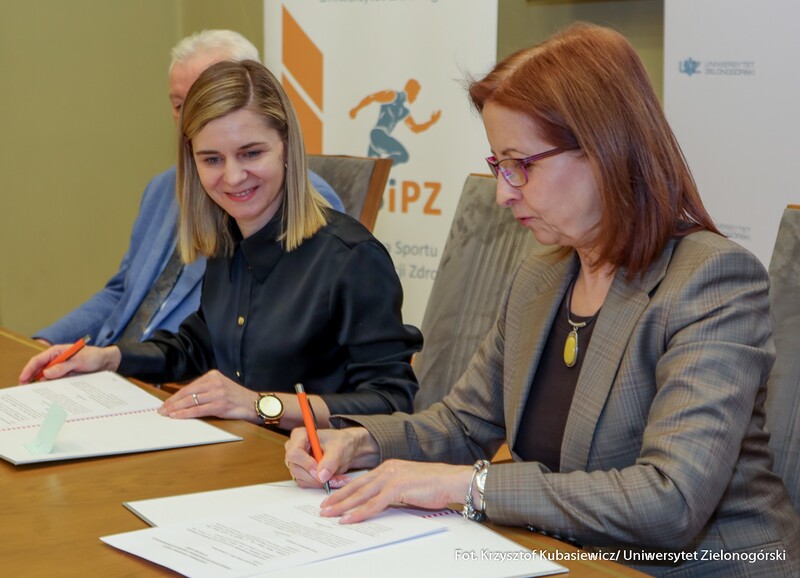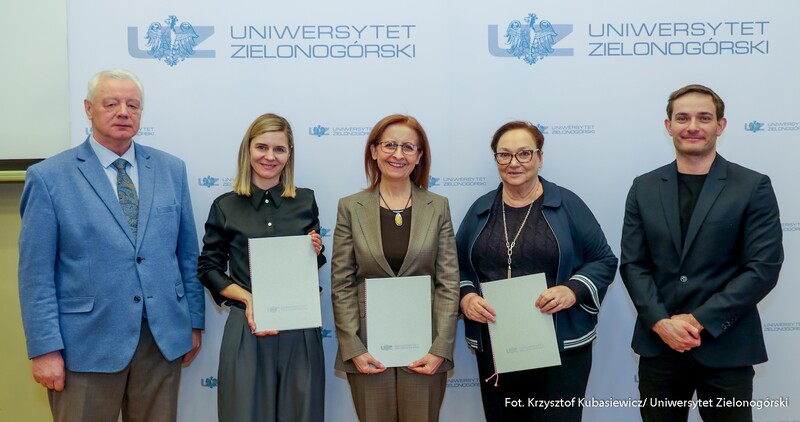
Physical activity among children and adolescents is coming under increased scrutiny. The University of Zielona Góra has signed cooperation agreements with two educational institutions: the Edward Dembowski First General Secondary School and Municipal Kindergarten No. 38. The objective is clear—to encourage young residents of Zielona Góra to engage in various forms of physical and sports activities, thereby fostering healthy daily habits.
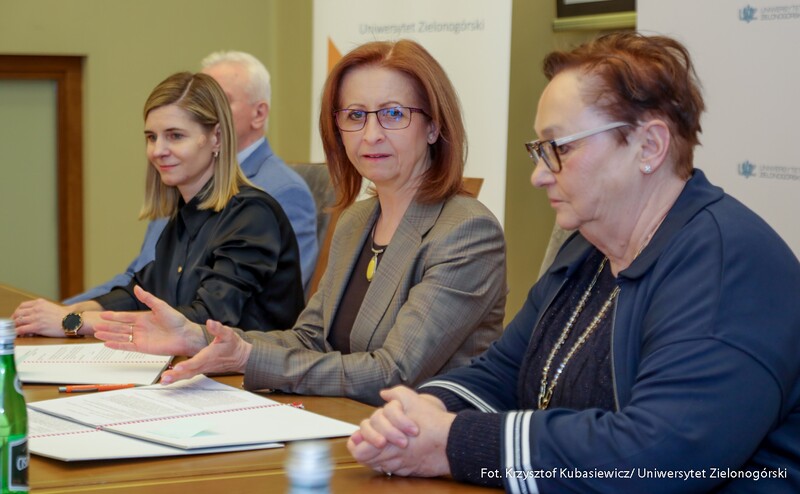
The first agreement strengthens the existing collaboration between the University and the Edward Dembowski First General Secondary School. The partnership will be based, among other elements, on continued exchange of experience, knowledge transfer, and practical initiatives. As noted by Ewa Habich, Principal of the Edward Dembowski First General Secondary School in Zielona Góra, the current generation does not consistently engage in sports activities. Nevertheless, the school remains committed to promoting the principles of a healthy lifestyle, instilling in students an appreciation for active leisure and sport as a foundation for long-term health. Through cooperation with the University of Zielona Góra, the school is able to expand its educational and sports-related offerings and support students in overcoming reluctance toward physical exercise.
University staff and students have also extended their efforts to the youngest members of the community, which led to the establishment of cooperation with Municipal Kindergarten No. 38. Planned initiatives include assessments of children’s physical and motor development, as well as movement-based classes designed and conducted by University students. According to Małgorzata Adamska, Principal of Municipal Kindergarten No. 38 in Zielona Góra, this collaboration is expected to positively influence children’s future functioning. From an early age, the institution works to shape healthy daily habits and demonstrate that leisure time can be both enjoyable and physically active. The kindergarten encourages children and their parents to participate in outdoor activities and shared forms of sport through play. Particular emphasis is placed on engaging parents and raising their awareness of healthy lifestyle practices.
All planned initiatives and physical activities will be fully tailored to the needs and capacities of the respective age groups. Accordingly, University staff and students will develop proposals for physical activities that take into account the everyday needs and abilities of both preschool children and secondary school students in Zielona Góra. Plans also include meetings and lectures for parents. Educational efforts directed at preschool-aged children will primarily employ play-based methods; however, without parental involvement, health education initiatives cannot achieve lasting success. Both agreements focus on physical culture—a field of particular importance to the University. As emphasized by Professor Barbara Literska, Vice-Rector for Student Affairs and Quality of Education, fostering healthy lifestyle habits at the preschool stage increases the likelihood of healthier adulthood.
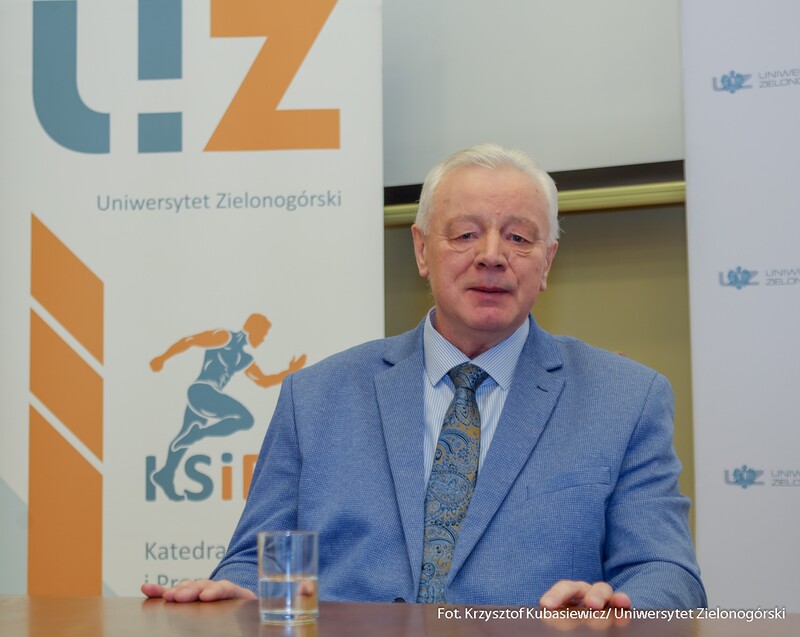
Classes and lectures on healthy lifestyle practices will be conducted not only within the partner institutions but also in the sports hall located on Campus A. The University coordinators of the agreements are Professor Ryszard Asienkiewicz, Director of the Institute of Sport, Tourism and Nutrition, and Dr Bartłomiej Hes, Head of the Department of Sport and Health Promotion.