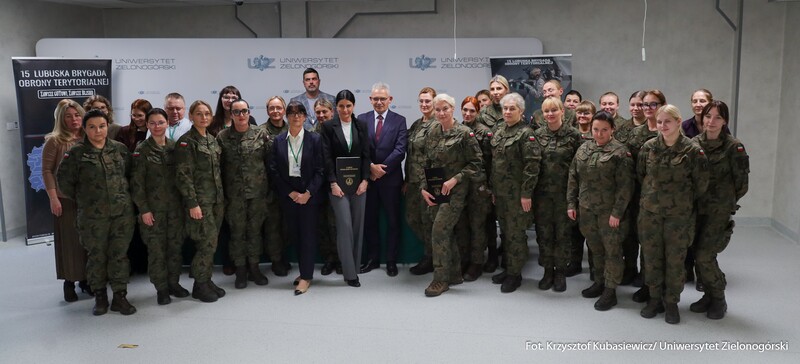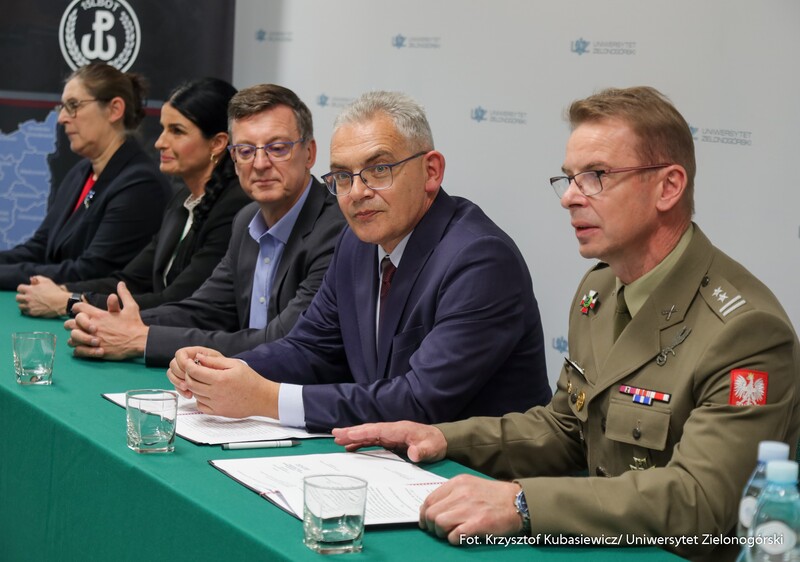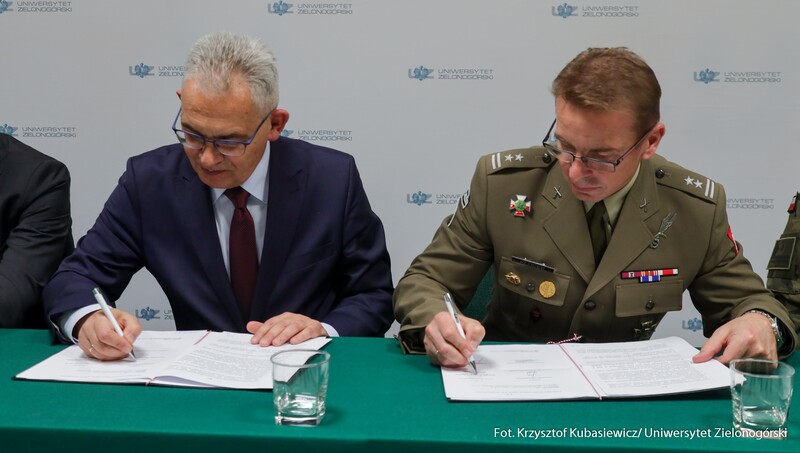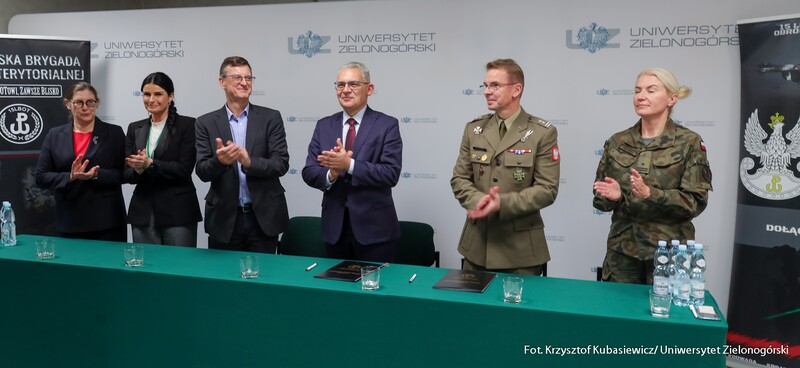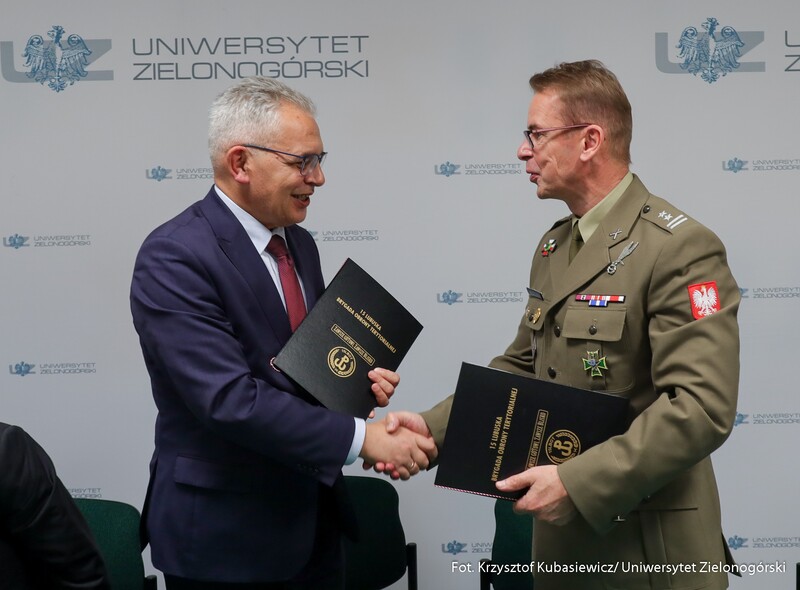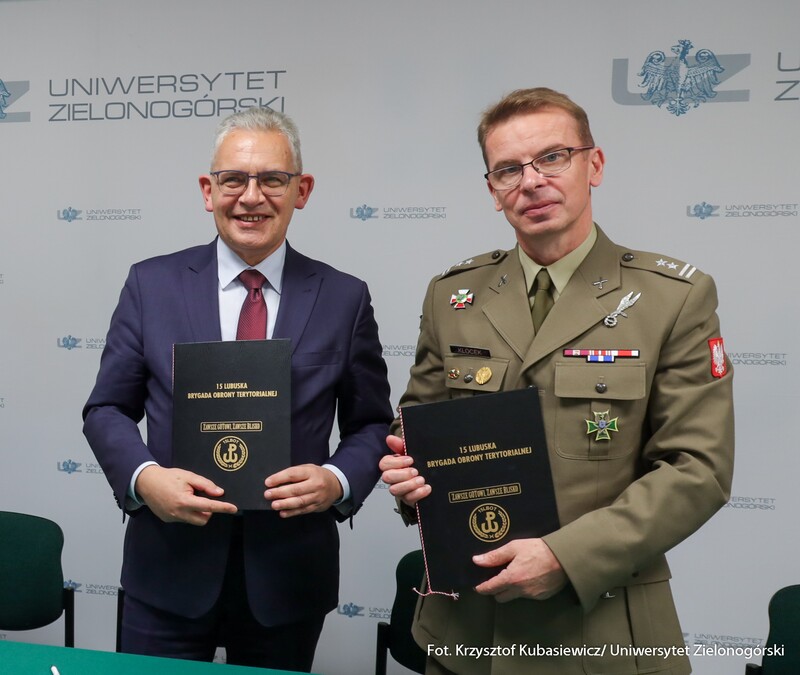
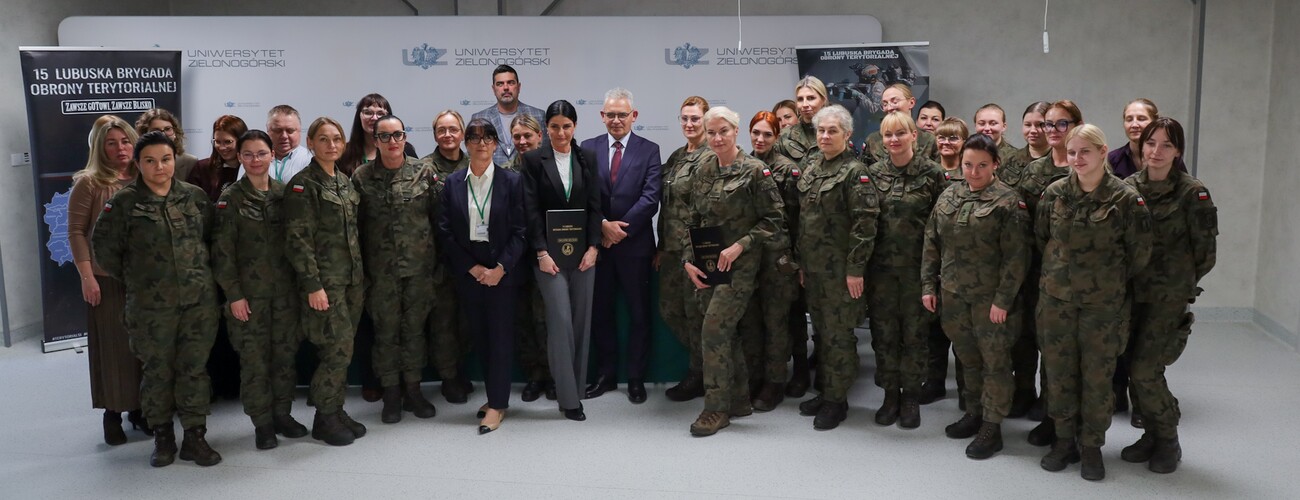
This week marked the beginning of a new area of collaboration. On 19 November, at the Medical Simulation Centre of the Collegium Medicum of the University of Zielona Góra, an agreement was signed with the 15th Lubusz Territorial Defence Brigade based in Skwierzyna.
The cooperation framework includes, among other initiatives, organising medical simulation workshops aimed at enhancing the practical skills of both Territorial Defence Force soldiers and medical students of the Collegium Medicum. On behalf of the University, the agreement was signed by Professor Wojciech Strzyżewski, Rector of the University of Zielona Góra, who emphasised: “This is a new form of cooperation that the University of Zielona Góra is eager to pursue. We intend to provide training for the military and for candidates who have decided to serve in the Territorial Defence units. I am very pleased that this first agreement of its kind has been signed, and I believe that more will follow.”
The 15th Lubusz Territorial Defence Brigade was represented by Deputy Brigade Commander Lieutenant Colonel Jerzy Klocek and Major Magdalena Goliszek. Lt. Col. Klocek stressed that both sides will benefit from this collaboration: “The medical component is extremely important for the military. Enhancing medical qualifications is essential in every unit. We possess expertise in combat medicine and can support the exchange of experience in this field.”
Representatives of the Territorial Defence Forces also expressed hope that graduates of the Collegium Medicum will join their ranks in the future.
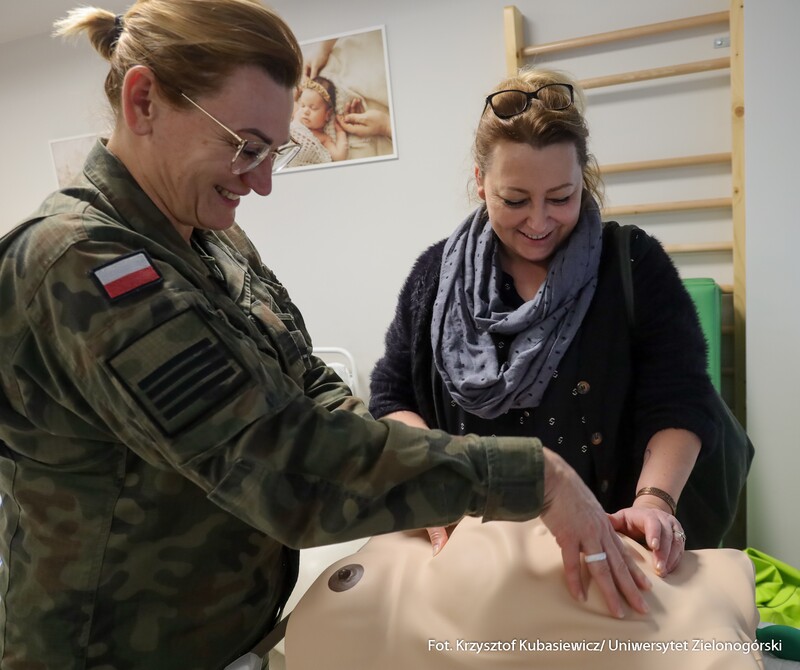
The meeting was also attended by: Professor Marcin Zaniew, Vice-Rector for the Collegium Medicum; Dr hab. Jolanta Chmielowiec, Professor of UZ and Dean of the Faculty of Medicine and Health Sciences; and Agnieszka Żeromska-Michniewicz, Head of the Medical Simulation Centre of the Collegium Medicum. As Ms Żeromska-Michniewicz explained, the cooperation responds directly to current needs: “These classes will be dedicated to pre-graduation medical students. Given the current geopolitical situation, such preparation is absolutely essential. Thanks to this cooperation, students will gain knowledge on providing care to patients in the event of armed conflict. Medical simulation enables the creation of communication pathways within a scenario—starting from the incident, through care in an ambulance, an emergency department, or an operating theatre. Our Centre includes all these settings, making it an excellent environment for developing practical skills, including those required in military contexts.”
The agreement also provides for joint organisation of events and scientific conferences, which will facilitate the exchange of experience and the development of competencies in the fields of healthcare and national security. Next year, the MedSim conference is planned, during which the first outcomes of the cooperation will be presented.
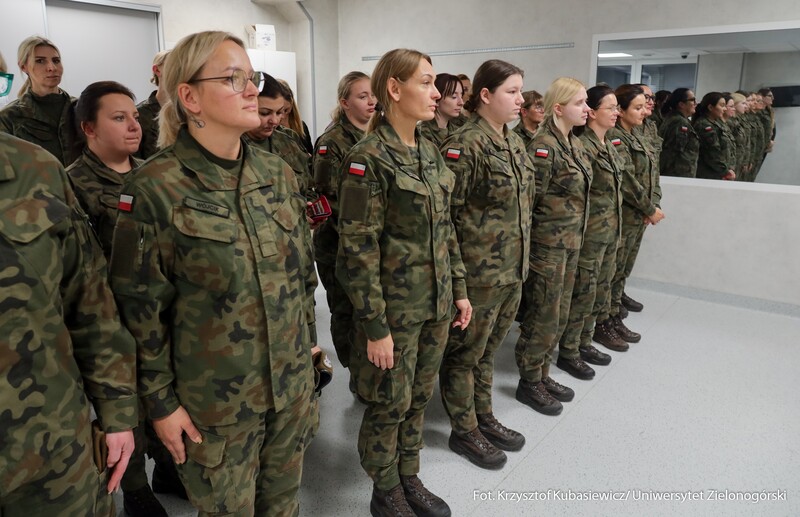
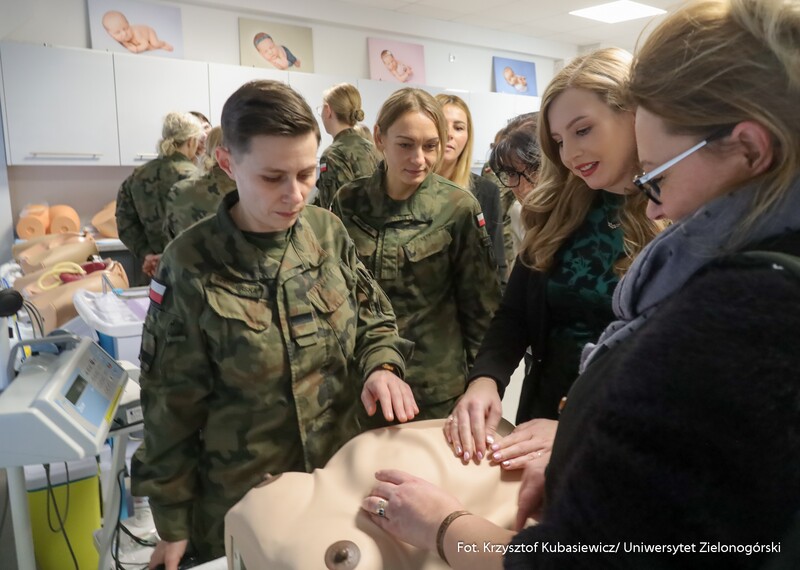
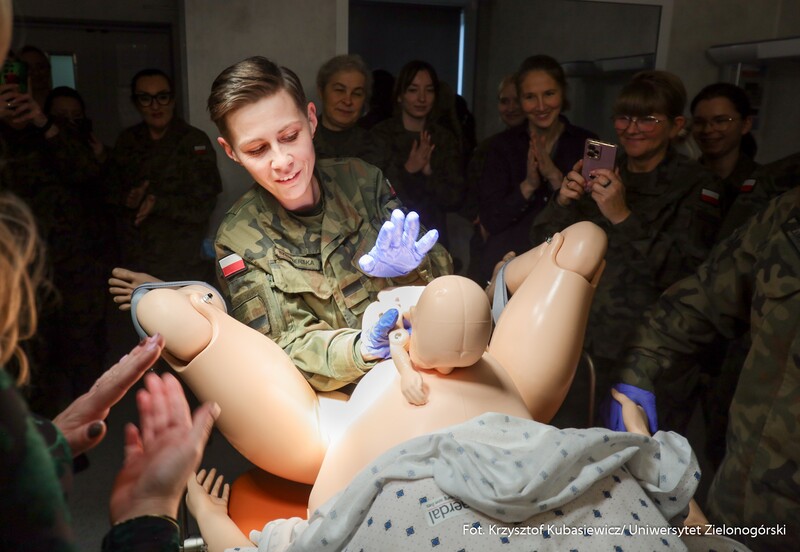
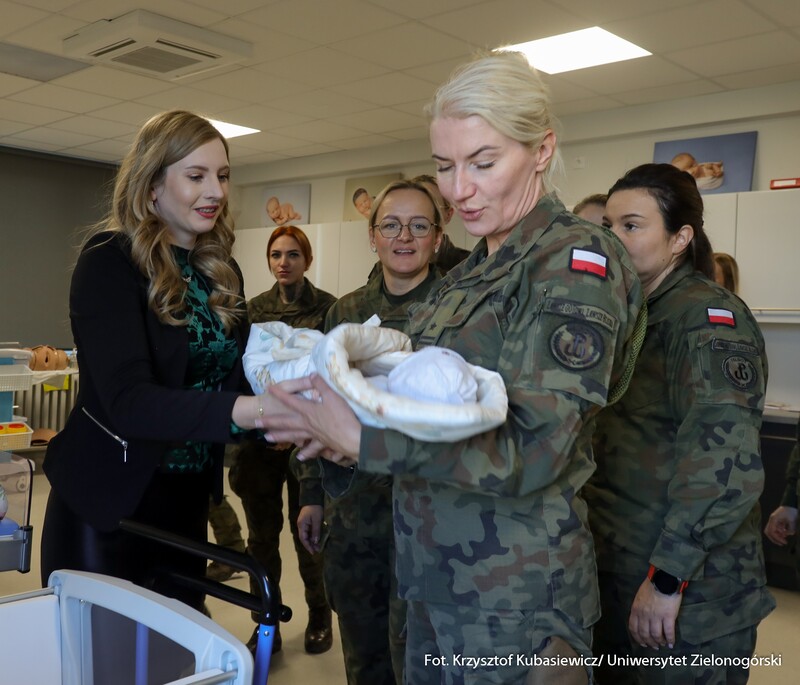
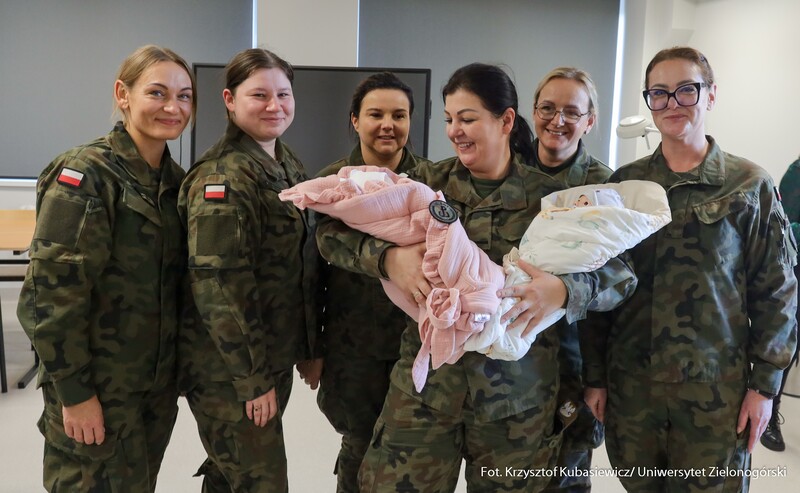
The first workshops took place on the day the agreement was signed. The topics included breast cancer prevention, and participants were also shown a delivery-room simulation.